
Miami, FL
Coconut GroveNeighbourhood Guide
Miami's oldest village, high on the ridge between the banyans and Biscayne Bay
Coconut Grove is the oldest continuously inhabited neighbourhood in Miami. It took its name in 1873, when Horace P. Porter opened a post office on the bay and called it Coconut Grove, 23 years before the City of Miami was incorporated, and it ran as its own town from 1919 until Miami annexed it in 1925. The neighbourhood sits on the Miami Rock Ridge, the limestone spine that lifts its high point to 24 feet above sea level, and drops to a working shoreline: Dinner Key Marina holds 587 wet slips, the largest wet-slip marina on the US East Coast, and the Coconut Grove Sailing Club has taught children to sail here since 1946. The banyan and live-oak canopy over the older streets is still the defining material.
Living in Coconut Grove: pros and cons
The case for the Grove is that it is the closest thing Miami has to a small town with a real centre. Walk Score rates the CocoWalk address 98 out of 100 and Northeast Coconut Grove as a whole 74, the tenth most walkable neighbourhood in the city. Two Metrorail stations, Coconut Grove and Douglas Road, sit on the shared Orange and Green line trunk. Three public schools rate 10 out of 10 on GreatSchools, and Ransom Everglades and Carrollton are inside the neighbourhood. Miami Police presented the Grove as having the lowest crime rate in the city in mid-2025, and about 52% of households in ZIP 33133 own their home, which is why the village core feels lived-in rather than seasonal.
The case against is price. As of August 2026 the median sale closed at $2.52 million, at $1,110 per square foot, 152% above the City of Miami level, and the median HOA fee on a condo sale was $2,752 a month, more than twice the city median per square foot. Homes took a median 109 days to sell. Private school runs to $57,300 a year at Ransom Everglades for 2026-27, and the Spotlight reported in August 2026 that Grove pre-K admissions now look more like Manhattan. Bayfront streets flood on king tides and inland streets pond in heavy rain, and cranes are back on South Bayshore Drive. Families who want more house for the money cross-shop Coral Gables, where the August 2026 median was $1.46 million; people who want a tower and a ten-minute walk to work choose Brickell.
Center Grove, North Grove, South Grove and the West Grove
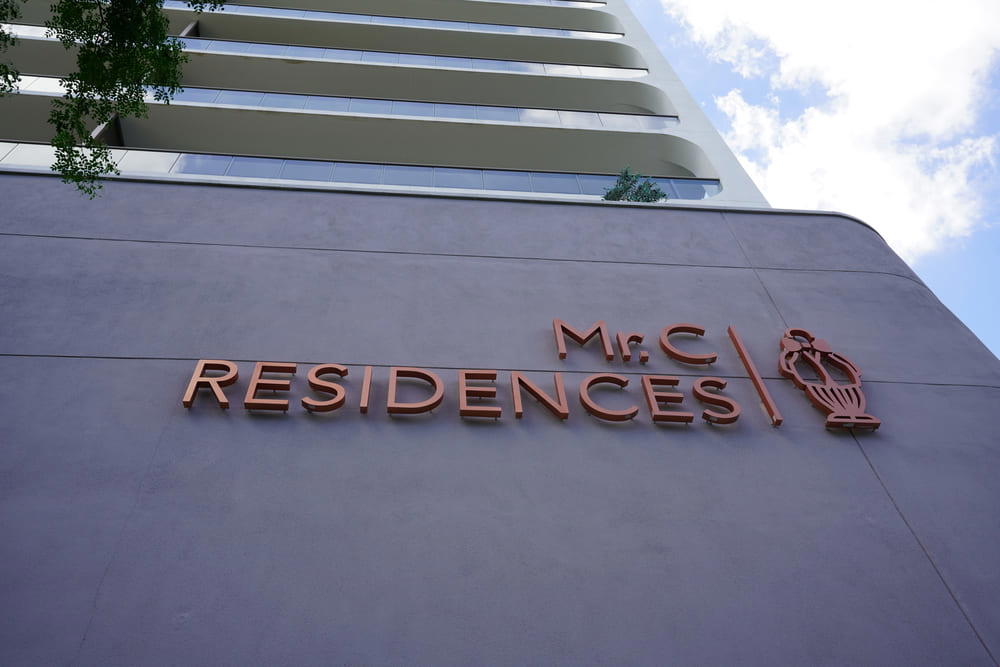
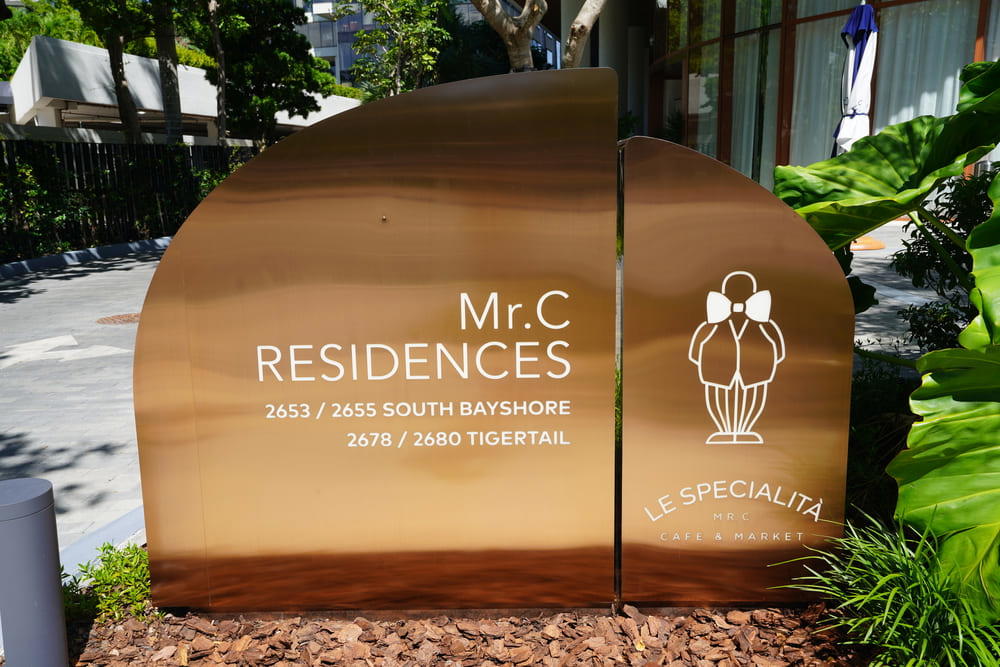
Center Grove is the village core around CocoWalk, Commodore Plaza, Main Highway and Grand Avenue, where most of the condos, restaurants and the free trolley loop are. North Grove runs along South Bayshore Drive and Tigertail Avenue toward Vizcaya: Kennedy Park, the bayfront towers such as Park Grove, Grove at Grand Bay and Mr. C, and the Four Seasons site now under construction. South Grove is the single-family neighbourhood under the canopy, from Main Highway south to Douglas Road, home to Ransom Everglades, The Kampong and the waterfront estates on Munroe Drive and Saint Gaudens Road, where 3085 Munroe Drive sold for $71.9 million in January 2026. The West Grove, named Little Bahamas of Coconut Grove by the city in 2022, is the historic Bahamian settlement around Charles Avenue and Grand Avenue, and the part of the Grove where redevelopment pressure is sharpest. Browse homes for sale in Coconut Grove to see how the four pockets price.
Do you need a car in Coconut Grove?
Inside Center Grove, no; almost everywhere else, yes. Metrorail runs 5 a.m. to midnight for $2.25, every 5 to 7 minutes on the shared trunk at peak, and the Orange Line goes direct to Miami International Airport. Coconut Grove station reopened in May 2025 after a four-month renovation and sits under Grove Central, with a Target, a Sprouts and a 1,250-space garage. The free city trolley covers Grand Avenue, South Bayshore Drive, both stations and the parks from 6:30 a.m. to 11 p.m. Monday to Saturday, and Circuit's on-demand electric shuttles, launched in May 2026, cost $2 a ride since August 11, 2026 and stay free to the Metrorail stations. The Underline's Phase 3 through the Grove is largely open but had not been declared complete as of September 2026. Free-flow drive times are about 10 minutes to Brickell, 13 to the airport and 18 to Key Biscayne; add a heavy margin at peak. Public parking in the core is $3 an hour, or $1.40 for City of Miami residents.
Before you offer, check two things. First, the FEMA flood zone and a flood-insurance quote by address: the ridge streets sit on some of Miami's highest natural ground, but South Bayshore Drive, East and West Fairview Street and the Dinner Key lots flood on king tides (next windows September 26 to October 3 and October 25 to 31, 2026), and Day Avenue and Main Highway now pond in heavy rain. Second, on any condo built before 2000, ask for the structural integrity reserve study, the milestone inspection report and three years of assessment history. Florida required reserve studies by December 31, 2025, and milestone inspections are due by the end of 2026.
The Grove rewards people who want a village inside a city: breakfast on Commodore Plaza, a Saturday on the water, a school run on foot. It charges Miami's highest prices per square foot for the privilege, and it is not finished being built.
“No snobbery here. Baby buggies bump billionaires. Flip-flops flirt with Ferragamos.”
— Coconut Grove Spotlight, February 2026
Key Details
What makes Coconut Grove special
Market snapshot
As of August 2026 the median Coconut Grove sale closed at $2.52 million, at $1,110 per square foot, from 24 closings; the monthly median swings because the Grove mixes $550,000 one-bedroom condos with $10 million waterfront houses, and over the 12 months to September 3, 2026 it was $1.91 million across 470 sales, with one-bedrooms at $552,000, two-bedrooms at $1.41 million, three-bedrooms at $1.79 million, four-bedrooms at $2.97 million and five-bedrooms at $5.3 million. With 1,157 active listings against 24 August sales, buyers hold the leverage: the median sale closed at 92% of asking after 109 days on market, and 449 active listings had taken a price cut.
Cost of ownership
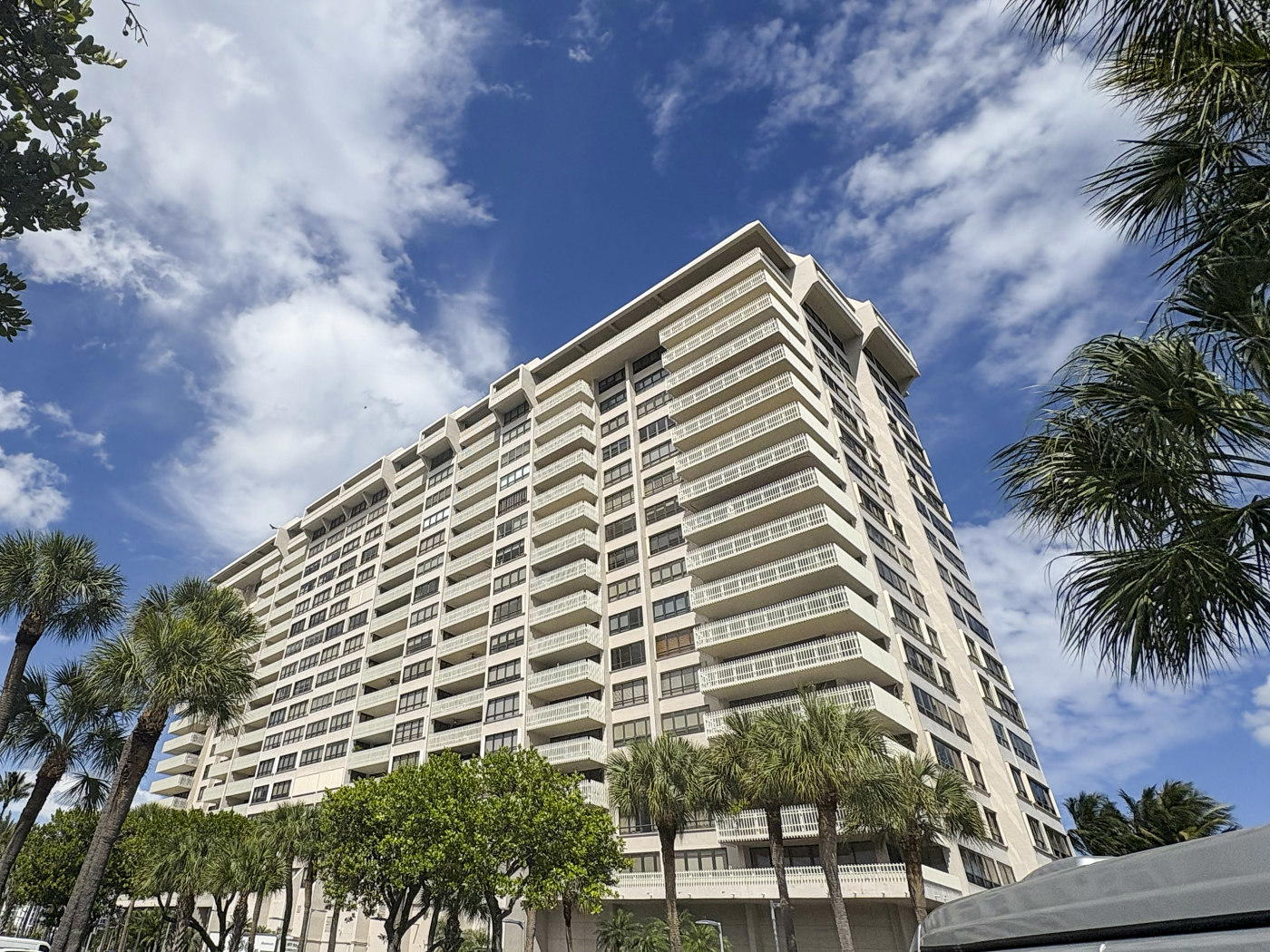
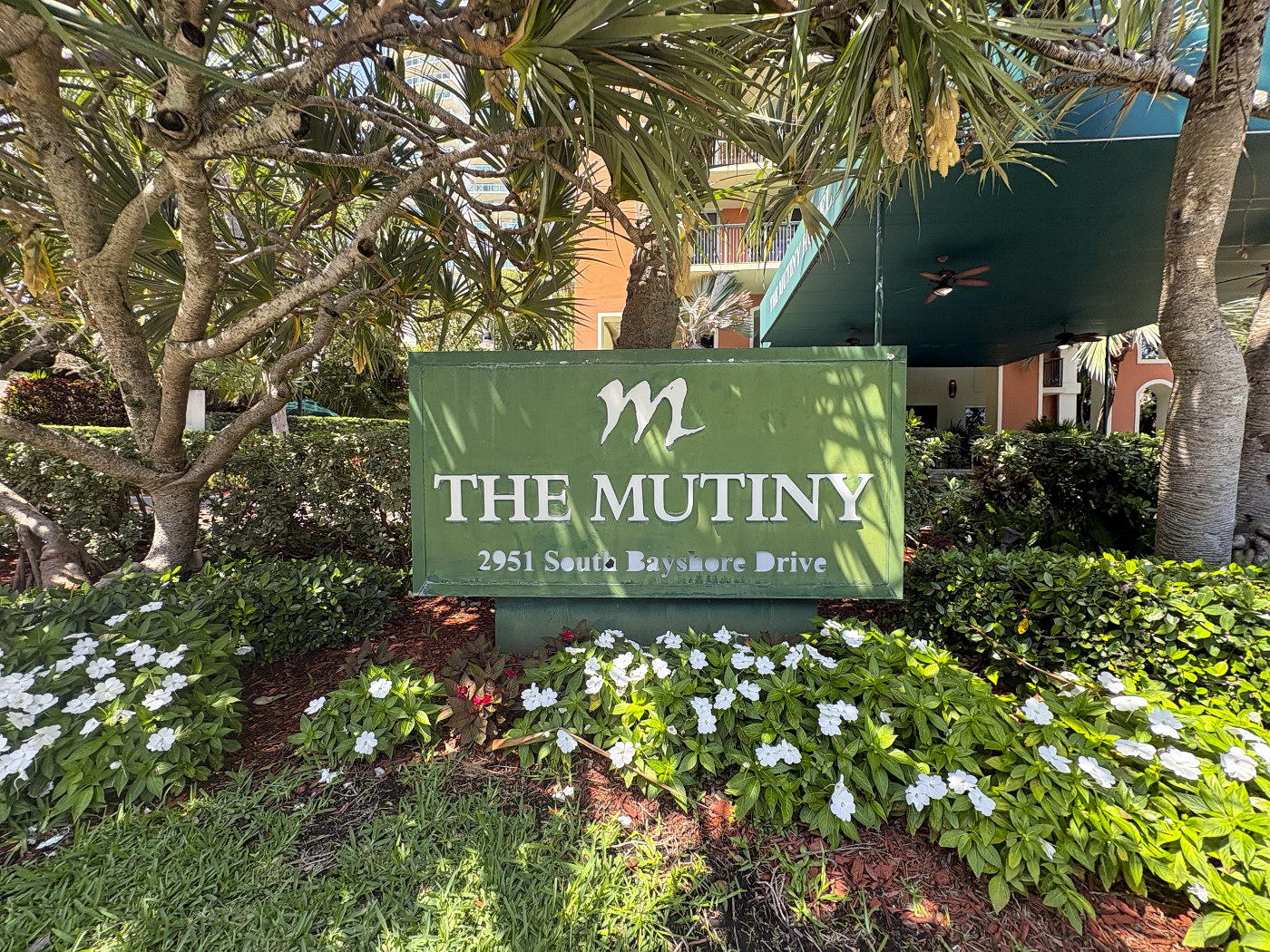
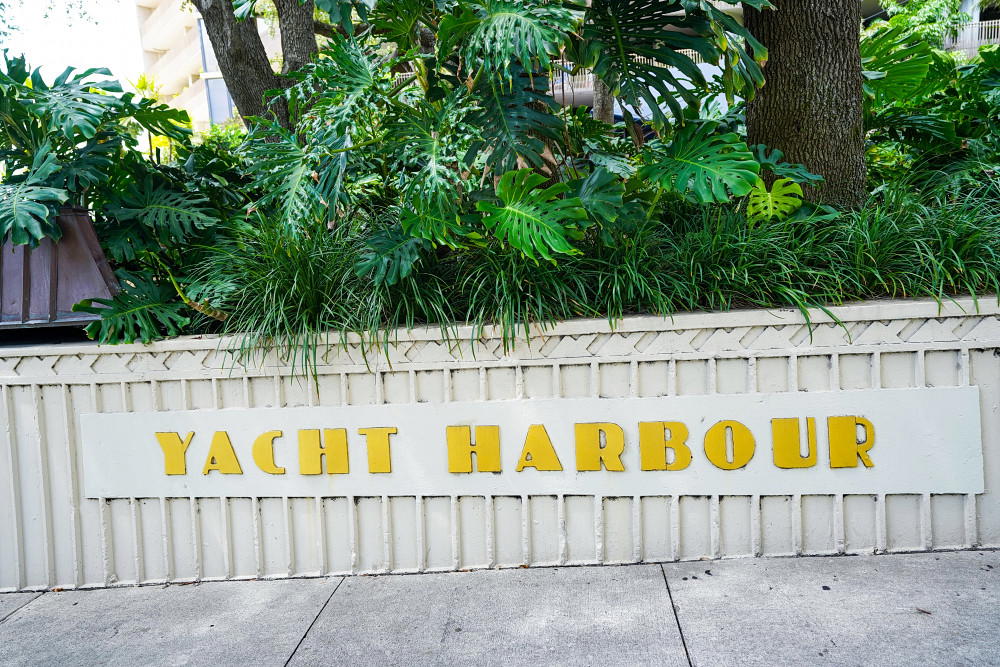
The median HOA fee on an August 2026 condo sale was $2,752 a month, or $1.65 per square foot, 2.08 times the City of Miami level and up 26% per square foot year over year. Florida's reserve law now forces full structural reserve funding, so on pre-2000 buildings such as Grove Isle's 1979-81 towers, Yacht Harbour (1975) or the Mutiny, the reserve study and milestone report are part of the price. Elevation runs from 24 feet on the ridge to bayfront lots that flood on king tides, so get a flood-insurance quote by address before you offer.
Renting in Coconut Grove
The median lease signed in August 2026 was $8,775 a month for a 1,575-square-foot home, and homes took a median 56 days to rent; over the 12 months to September 2026 the median was $5,800, with one-bedrooms at $2,500, two-bedrooms at $4,900, three-bedrooms at $8,400 and four-bedroom houses at $15,500. Rents run 43% above the City of Miami per square foot, and 868 homes were listed for rent against 54 August leases, so negotiate. Gross rental yield is 4.2%, against 7% in Brickell, which is why the Grove is an end-user market rather than an investor one.
Who it's for
In ZIP 33133 about 52% of households own their home, the median age is 39.6, 41% of residents were born outside the United States and 64% hold a bachelor's degree or higher (ACS 2024 five-year). The Grove suits families who want a yard, 10-rated public schools and a walkable village, boat owners within reach of Dinner Key, and professionals who want Brickell ten minutes away without living in a tower. It is a poor fit for anyone who wants nightlife past midnight, a low entry price, or a street without a construction site: the Four Seasons, The WELL and the Playhouse are all under way.
Getting around
Two Metrorail stations, Coconut Grove and Douglas Road, run 5 a.m. to midnight for $2.25, with the Orange Line direct to Miami International Airport; Coconut Grove station reopened in May 2025 after renovation and sits under Grove Central's Target, Sprouts and 1,250-space garage. The free city trolley runs 6:30 a.m. to 11 p.m. Monday to Saturday, and Circuit's app-hailed electric shuttles, launched May 2026, charge $2 a ride and stay free to the three Metrorail stations, City Hall and the Regatta Harbour garage. Free-flow drives are about 10 minutes to Brickell, 11 to Downtown, 13 to the airport, 18 to Key Biscayne and 23 to Miami Beach; public parking in the core is $3 an hour, $1.40 for city residents.
Schools
Coconut Grove Elementary, George Washington Carver Elementary and the Carver Middle magnet all rate 10 out of 10 on GreatSchools (2024 data); Frances S. Tucker K-8 rates 4 and Coral Gables Senior High, the usual public high school, rates 5, so confirm your zoned school by address with Miami-Dade County Public Schools. Ransom Everglades (grades 6-12, 1,246 students, Niche's number 23 private high school nationally) charges $57,300 for 2026-27, Carrollton School of the Sacred Heart $36,790 to $51,840, and Immaculata-La Salle on South Miami Avenue $17,040. The Spotlight reported in August 2026 that Grove private-school admissions have become so hard that parents are becoming desperate; apply a year ahead.
Flood and climate risk
The Grove's spine sits on the Miami Rock Ridge at 23 to 28 feet, with the neighbourhood's high point at 24 feet and its mean at 13, but the bayfront is another story: Kennedy Park paths, East and West Fairview Street, The Barnacle, the Sailing Club and South Bayshore Lane flooded on the October 2025 king tide, county data puts up to 15 feet of surge at Peacock Park in a major storm, and Hurricane Irma put about 6 feet of water in parts of the Grove in 2017. Heavy rain now floods inland streets such as Day Avenue, Main Highway and Virginia Street too. The $12.4 million Fairview Street pump station is due for its second phase in 2027 and the $2 million Peacock Park shoreline berm still has no construction funding, so check the FEMA zone and elevation certificate on any specific address.
What's changing in 2026
Four Seasons Private Residences broke ground at 2699 South Bayshore Drive in November 2025 (70 residences, delivery 2028), The WELL on Tigertail Avenue was enlarged to 196 units in May 2026 for early 2028, Ziggurat broke ground at 3101 Grand Avenue in February 2026, and Vita at Grove Isle delivered in late 2025. The city commission approved the county's $58.4 million Coconut Grove Playhouse restoration on July 9, 2026, with a 300-seat GableStage theatre and a 289-space garage, and West Grove residents asked a circuit court to overturn it on August 27. Miami City Hall is due to leave the 1934 Pan Am terminal at Dinner Key by 2028, Elliott bought the Mayfair House hotel for about $110 million in June 2026, and Related's Stirrup Plaza plan in the West Grove has grown to twin 25-storey towers.
Notable Addresses
Buildings in Coconut Grove
Recently Listed
For Sale in Coconut Grove


Recently Listed
For Rent in Coconut Grove


Lifestyle & Highlights
The best of Coconut Grove
Where to eat in Coconut Grove
Roughly a dozen Grove restaurants closed in the summer of 2025, RedFarm, Sereia, Planta Queen and Harry's Pizzeria among them, and Lokal followed on June 28, 2026 after a proposed 50% rent rise. Miami chefs have refilled most of the rooms. Every place below was confirmed operating in 2026; Strada, Sadelle's, Drinking Pig BBQ and Krüs Kitchen also made the cut, and La Sponda at Grove Isle and Levain Bakery on McFarlane Road were still unopened in September 2026.
Ariete
Michael Beltran's flagship kept its Michelin star in the 2026 Florida guide, one of 26 starred restaurants in the state. Cuban-French cooking with a $165 tasting menu and the canard a la presse; open from 5:30 p.m., until 11 on Friday and Saturday.
3540 Main HwyLos Félix
Sebastian Vargas's heirloom-corn Mexican room has held a Michelin star since 2022 and added a Green Star in 2026 for its sourcing. Order the pork-cheek carnitas and whatever masa dish is on that week.
3413 Main Hwy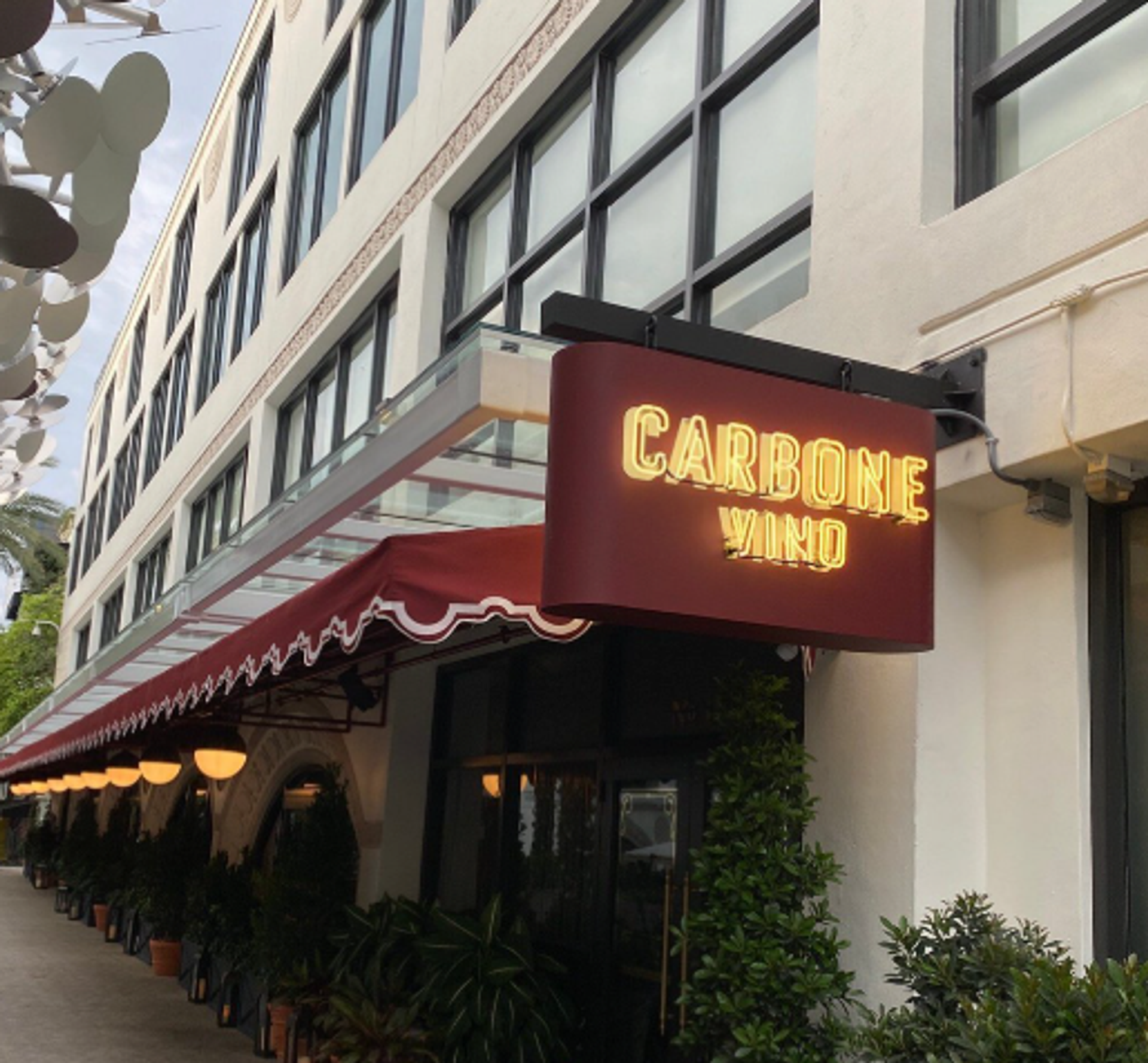
Carbone Vino
Quite possibly the best place in the city for a bottle of red and a bowl of spicy rigatoni. Carbone Vino takes everything people love about Carbone and gives it a slightly more relaxed, wine-forward home in the heart of Coconut Grove. The room is polished and lively, the pasta delivers every time, and the wine list is deep enough to turn a casual dinner into a very long night. Grab a booth, order for the table, let someone pick the bottle, and enjoy.
2911 Grand Ave, Suite 194, Coconut Grove, FL 331331986 Steak House
Opened May 4, 2026 on the ground floor of Mayfair House, across the breezeway from Carbone Vino. Chef Marcelo Daguerre grills Argentine, US and Japanese A5 beef over live fire, and the cocktail list is by Buenos Aires bar Tres Monos. Noon to 10 p.m., 11 on weekends.
3000 Florida Ave, Ste 111Manoli
Opened July 22, 2026 in the Ariete Hospitality block on Main Highway: a Greek table-first menu of grilled octopus, oxtail orzo and gyro tacos, with napkin-twirling on opening night. The Grove's newest full-service room.
3540 Main HwyGlass & Vine
Giorgio Rapicavoli's open-air restaurant built into Peacock Park, with a raw bar, a dog menu and weekend brunch from 10 a.m. The tables look across the lawn to the bay; book outside.
2820 McFarlane RdBayshore Club
One of the Grove’s best spots when you want some room to roam. Bayshore Club sits right on the water at Dinner Key with a huge open-air setup, a massive bar, plenty of outdoor seating, and Biscayne Bay views in every direction. It’s especially great for a long brunch, drinks with a group, or posting up for a full Saturday of college football. Add in regular live music, a lively crowd, and that breezy waterfront setting, and it becomes one of those places where a quick stop can very easily turn into a few hours.
3391 Pan American Dr, Miami, FL 33133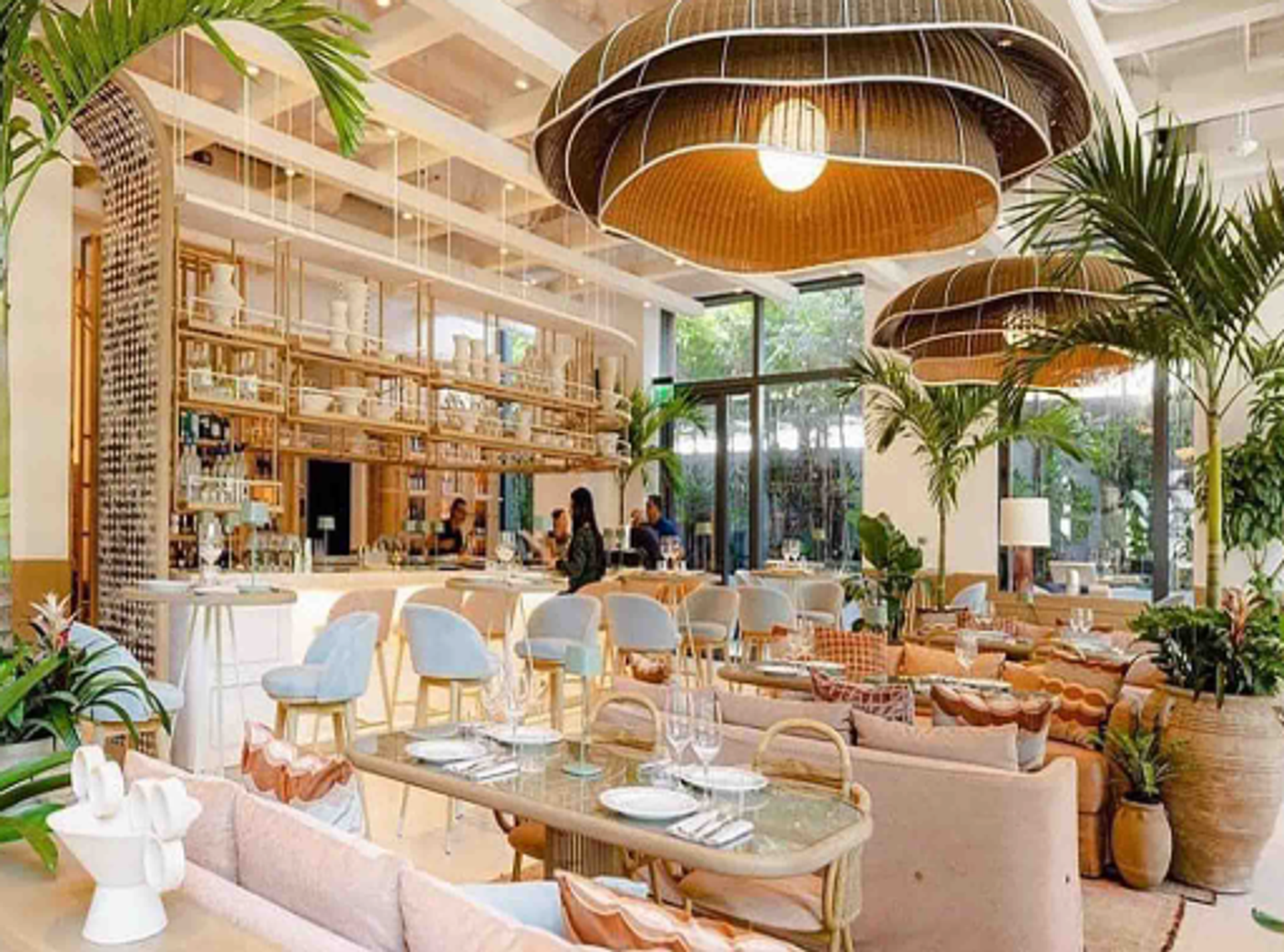
Amal Miami
One of the Grove’s prettiest dining rooms, Amal brings modern Lebanese cooking into a bright, lively, and effortlessly social setting. Start with the warm bread and load the table with dips. The hummus, labneh, muhammara and other mezze are half the reason to come, and this is absolutely a restaurant best enjoyed family style. The cocktail menu is fun and well thought out, the room always has a little buzz, and whether it’s lunch, brunch, or a long dinner with friends, Amal consistently delivers the full experience.
3480 Main Hwy, Coconut Grove, Miami, FL 33133Le Bouchon du Grove
A Lyon bistro that has fed Commodore Plaza for decades and still pours a complimentary glass of champagne when you sit down. Tuesday to Saturday 11:30 a.m. to 9:30 p.m., Sunday brunch.
3430 Main HwyGreenStreet Cafe
The corner of Main Highway and Commodore Plaza since 1990 and still the Grove's people-watching seat, open 7 a.m. to midnight and until 2 a.m. on Friday and Saturday. Breakfast, salads and a long sidewalk terrace.
3468 Main HwyChug's Diner
Michael Beltran's Cuban-American diner has held a Michelin Bib Gourmand since 2021. Cast-iron pancake, croqueta preparada, cafecito; weekend waits are real.
3444 Main HwyMiami Slice Coconut Grove
The Downtown slice shop took over the old Harry's Pizzeria space in August 2026, kept the historic floor, and added wood-fired charred cabbage and beef carpaccio to the New York slices. Booths and high-tops move the line fast.
2996 McFarlane RdCoffee and quick eats
The Grove's coffee runs from a 2014 Panther shop to a florist that pulls espresso. The 2026 addition is Imperial Moto's daytime residency inside Magie, which turned the wine bar into an 8 a.m. to 4 p.m. cafe from August 29, 2026.
Panther Coffee
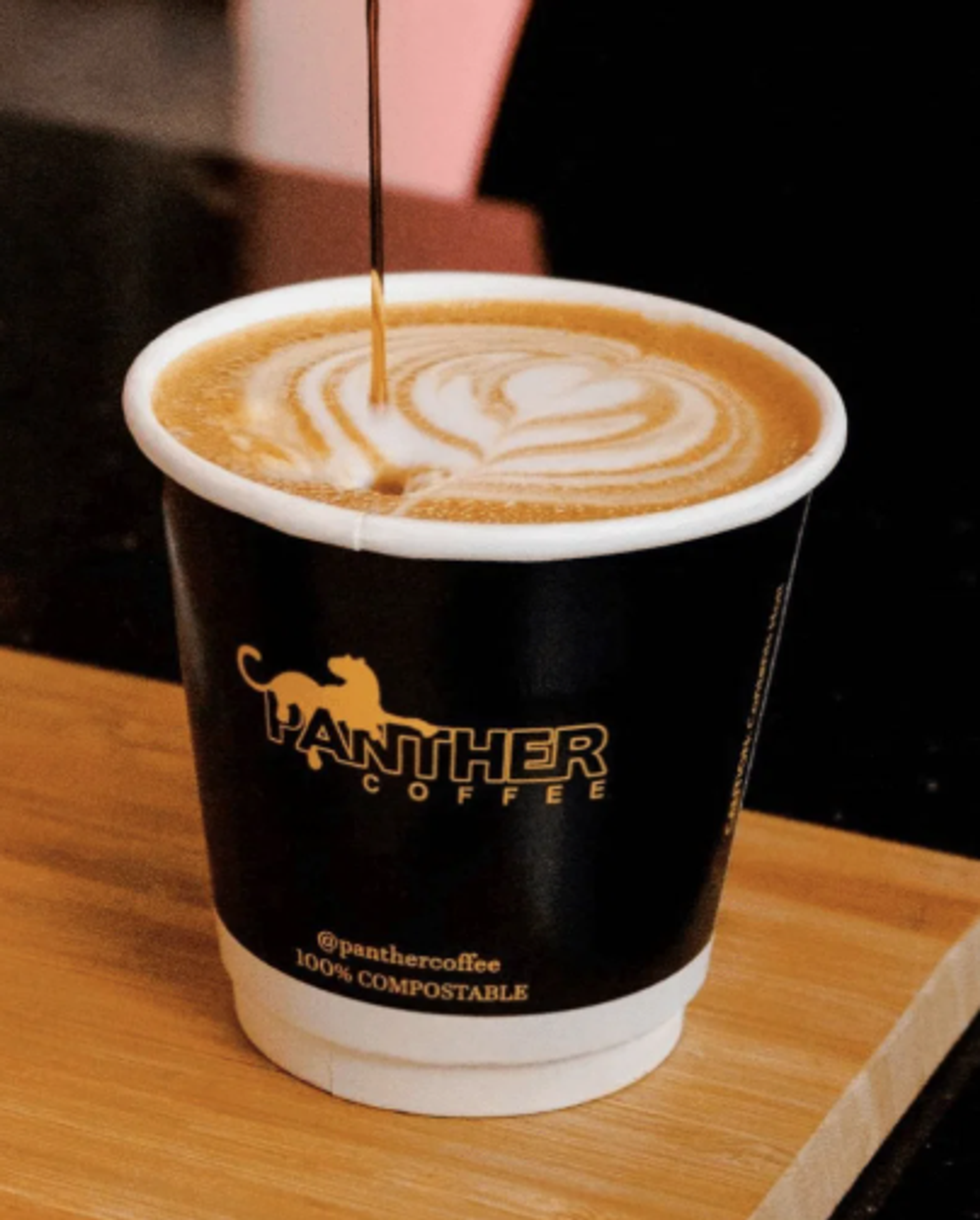
Right along the main CocoWalk strip, Panther Coffee is one of the Grove’s most consistently active coffee spots. There’s plenty of seating, lots of coworking space, and a steady mix of locals, laptops, meetings, and people passing through the neighborhood. The coffee is reliably strong, the atmosphere has some energy to it, and it’s an easy place to post up for an hour or grab something before walking the Grove.
3407 Main Hwy, Miami, FL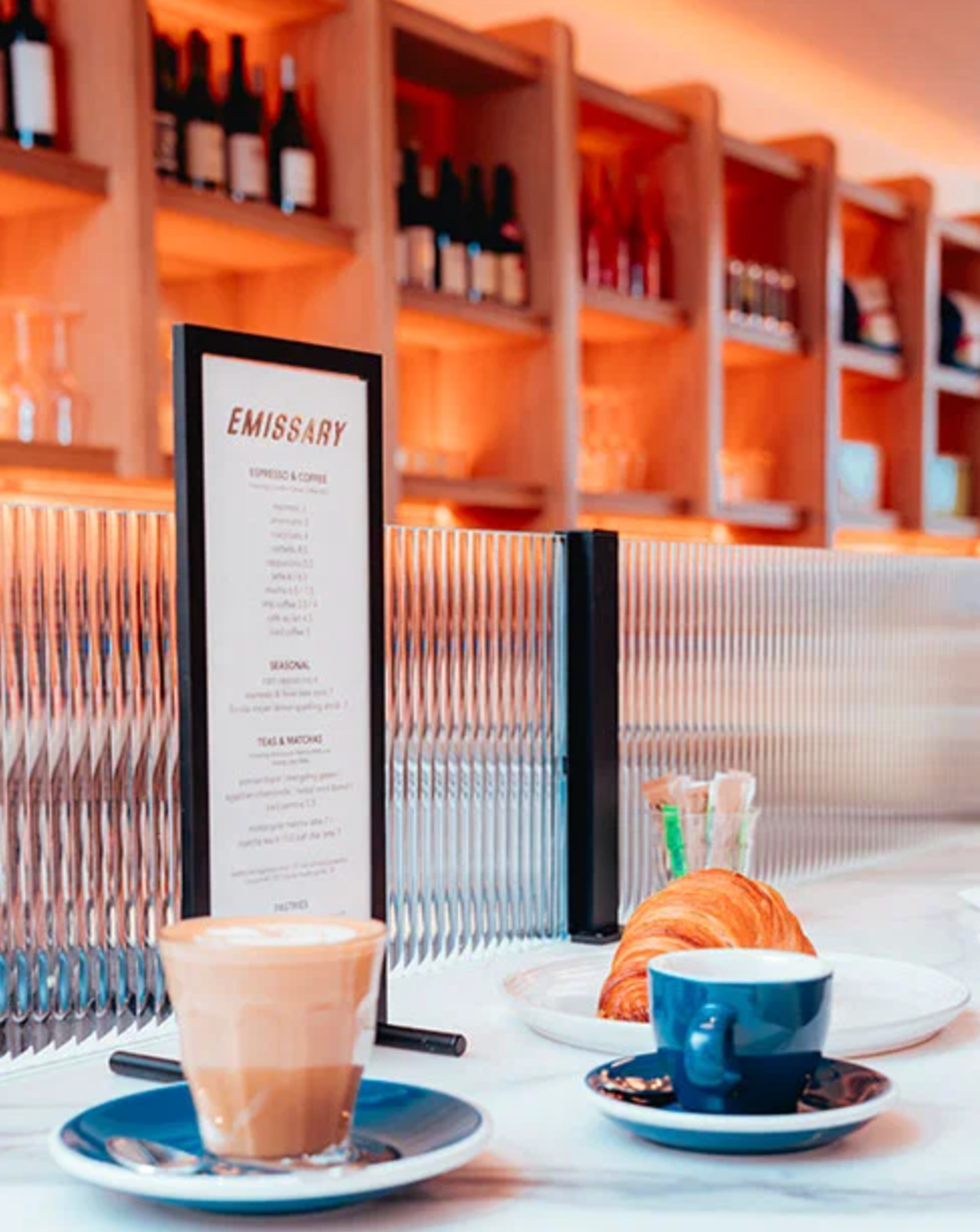
Emissary Cafe
A true Coconut Grove local spot with the kind of easygoing charm that makes it hard not to become a regular. Emissary serves up great lattes, a surprisingly robust matcha selection, and some seriously tasty sandwiches. Casual, neighborhood-driven, and consistently good, it’s an easy go-to whether you’re grabbing coffee on the run or settling in for a slower Grove morning.
3308 Mary St Suite 109, Coconut Grove, FL 33133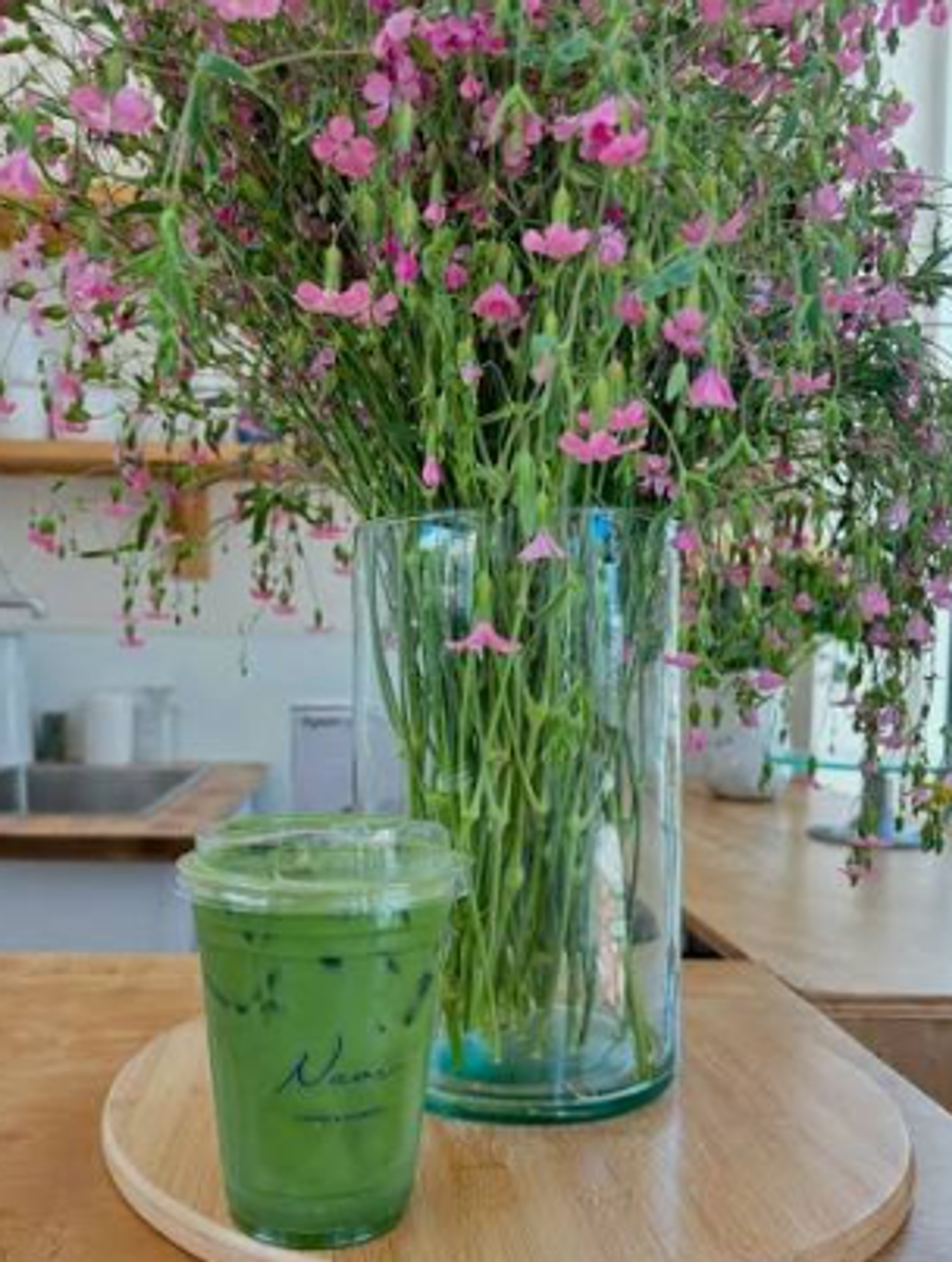
Navi Coffee & Flowers
Part specialty coffee shop, part bespoke florist, Navi is one of the Grove’s more charming neighborhood additions. Named after the owner’s mother, Navideh, who also serves as the floral designer, the space blends great coffee, fresh flowers, and a relaxed little outdoor setup along Grand Avenue. The menu goes beyond the basics with matcha, Persian-inspired pastries, and specialty drinks like their cardamom, saffron, and rose house latte. Small, thoughtful, and distinctly Grove.
3213 Grand Ave, Miami, FL 33133Imperial Moto at Magie
The moto-inspired coffee brand runs Magie's counter 8 a.m. to 4 p.m. daily since August 29, 2026: espresso, matcha and croissants at the wine bar's tables, first come, no reservations.
3540 Main HwyPura Vida Coconut Grove
The Miami bowls-and-smoothies chain's Grove shop a block from CocoWalk, with specialty coffee and a gelato counter next door. The reliable post-school-run option.
3034 Grand Ave, Studio AGrove Grocer
A market-cafe on Fuller Street where the milk-bread sandwiches (the LSJ chicken salad, the yuzu tuna) and the Swamp Matcha draw a crowd to one long green communal table outside.
3098 Fuller StBodega Ortega
A Spanish deli and market on Bird Avenue with a cafe counter: order El Abuelo, a tomato-rubbed baguette with jamon serrano and manchego, and a cortado.
2859 Bird AveOphelia
A bakery trailer on South Dixie Highway open Wednesday to Saturday mornings; the coffee cinnamon roll with coffee glaze sells out, so arrive by 8 a.m.
2140 S Dixie HwyBars and late nights
Grove bars close earlier than Brickell's; Barracuda and Sandbar, open to 2 or 3 a.m., are the exceptions. Tavern in the Grove, the Key Club and the Spillover are gone; Mae's Room, Sipsip and the revived Taurus are the additions.
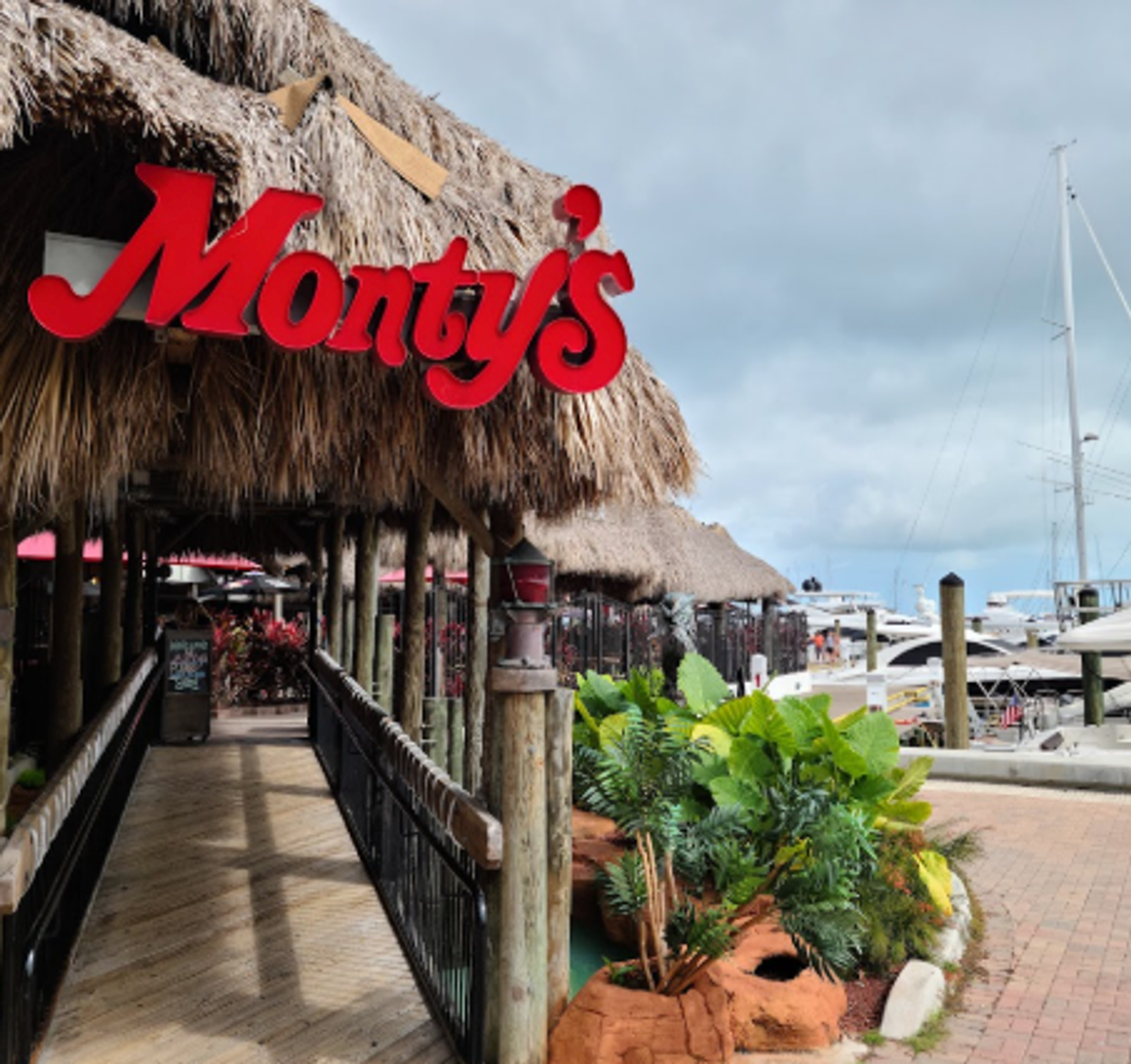
Monty's Raw Bar
A true bayside Coconut Grove institution. Open-air tiki vibes, a full raw bar, fresh seafood, frozen drinks, and live reggae most weekends set the tone. Grab a table dockside if you can, order something cold, and settle in. It’s casual, lively, unmistakably Grove, and one of those places that has somehow stayed true to itself through every version of the neighborhood.
2550 S Bayshore Dr, Miami, FL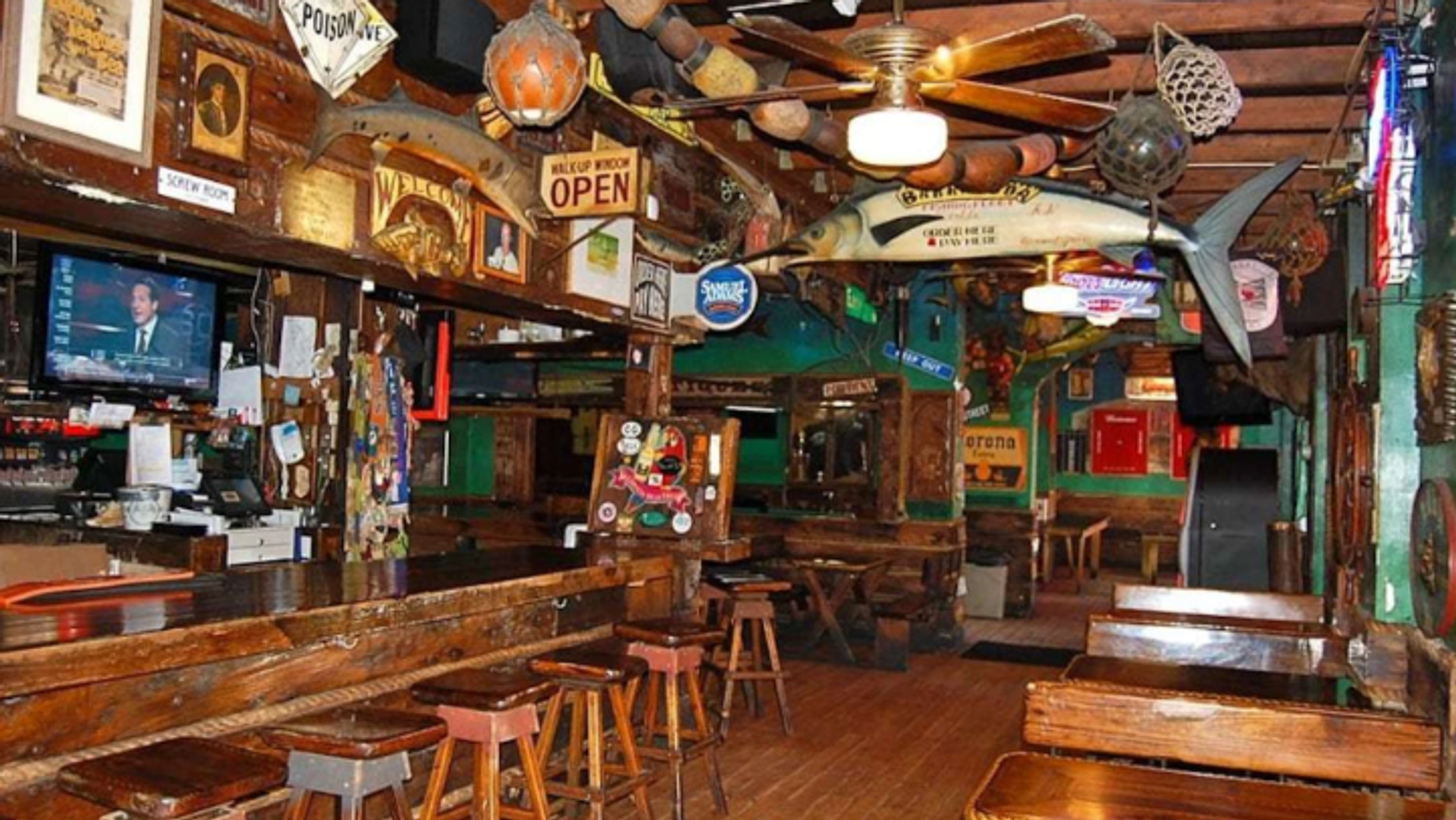
Barracuda Taphouse & Grill
An old-Grove neighborhood bar with pink benches spilling out onto Fuller Street, a pool table inside, and a beer list that runs deep. Safe to say, it’s a top-notch spot for an ice-cold, crisp draft while taking in a Dolphins game with the locals. Unpretentious, familiar, and full of character, Barracuda is probably the closest thing the Grove has to a true dive bar, and unquestionably a longtime community fixture.
3035 Fuller St, Miami, FL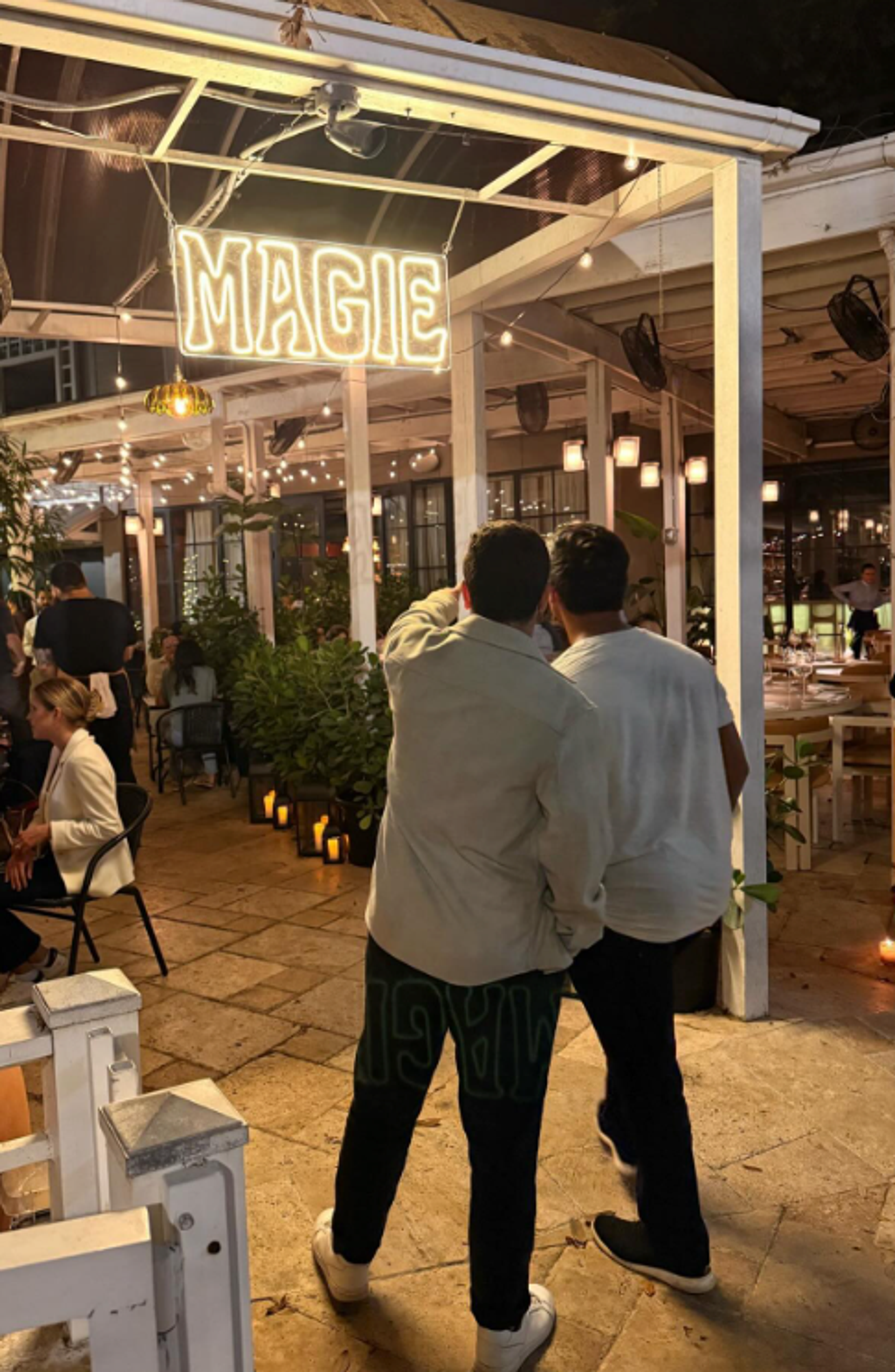
Magie
A small, polished wine bar tucked into the heart of the Grove, with a thoughtful, slightly opinionated by-the-glass list and an intimate counter that works just as well solo as it does for a date. It’s refined without feeling stiff, and essentially the grown-up counterpart to Barracuda’s bench-and-pool-table casual.
Coconut Grove, Miami, FL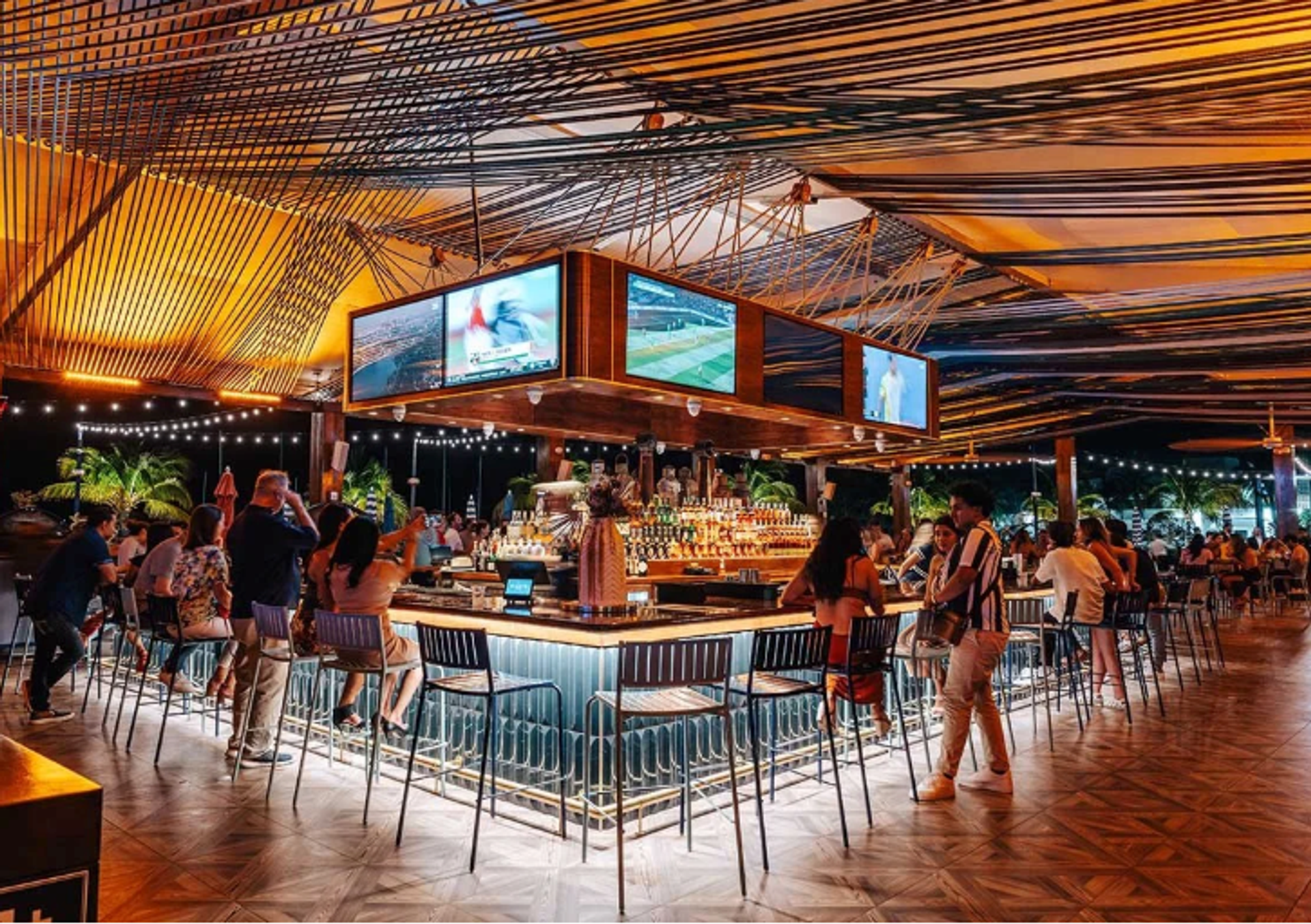
Regatta Grove
An open-concept waterfront bar with a young, lively atmosphere and plenty of room to roam. Regatta Grove is built for sunset cocktails, big groups, and high-energy gatherings, with open space, activities, and some of the best views along the water. It can definitely lean college hotspot at times, but the setting and energy make it an easy choice when you want something casual, social, and fun. Think The Wharf, but elevated.
3415 Pan American Dr, Miami, FL 33133The Taurus
The pub that claims Miami's oldest liquor licence, pouring since 1969 and now run by Ariete Hospitality, with more than 100 whiskeys. Trivia on Tuesday at 8:30, karaoke Wednesday, comedy Thursday.
3540 Main HwyMae's Room
A 12-seat candlelit cocktail room in the Ariete courtyard: freezer-batched martinis, absinthe Negronis, and you can order Chuggie's fries from next door.
3444 Main HwySipsip
Mayfair House's sixth-floor rooftop, a Caribbean rum bar with a pool deck and the Grove's only real skyline-and-canopy view. Sunday to Thursday 11 a.m. to 10 p.m., Friday and Saturday to midnight.
3000 Florida AveSandbar Sports Grill
Twenty-plus screens, gator tacos, happy hour 3 to 7 on weekdays and doors open until 3 a.m. on Friday and Saturday..
3064 Grand AveParks, the bay and the boats
Two projects are waiting on money: the $2 million Peacock Park shoreline berm has its design funded but no construction budget, and the city set aside $2.6 million in August 2026 for playgrounds at five Grove parks, including Merrie Christmas and Alice Wainwright. King tides pool on Kennedy Park's paths and inside The Barnacle each autumn.
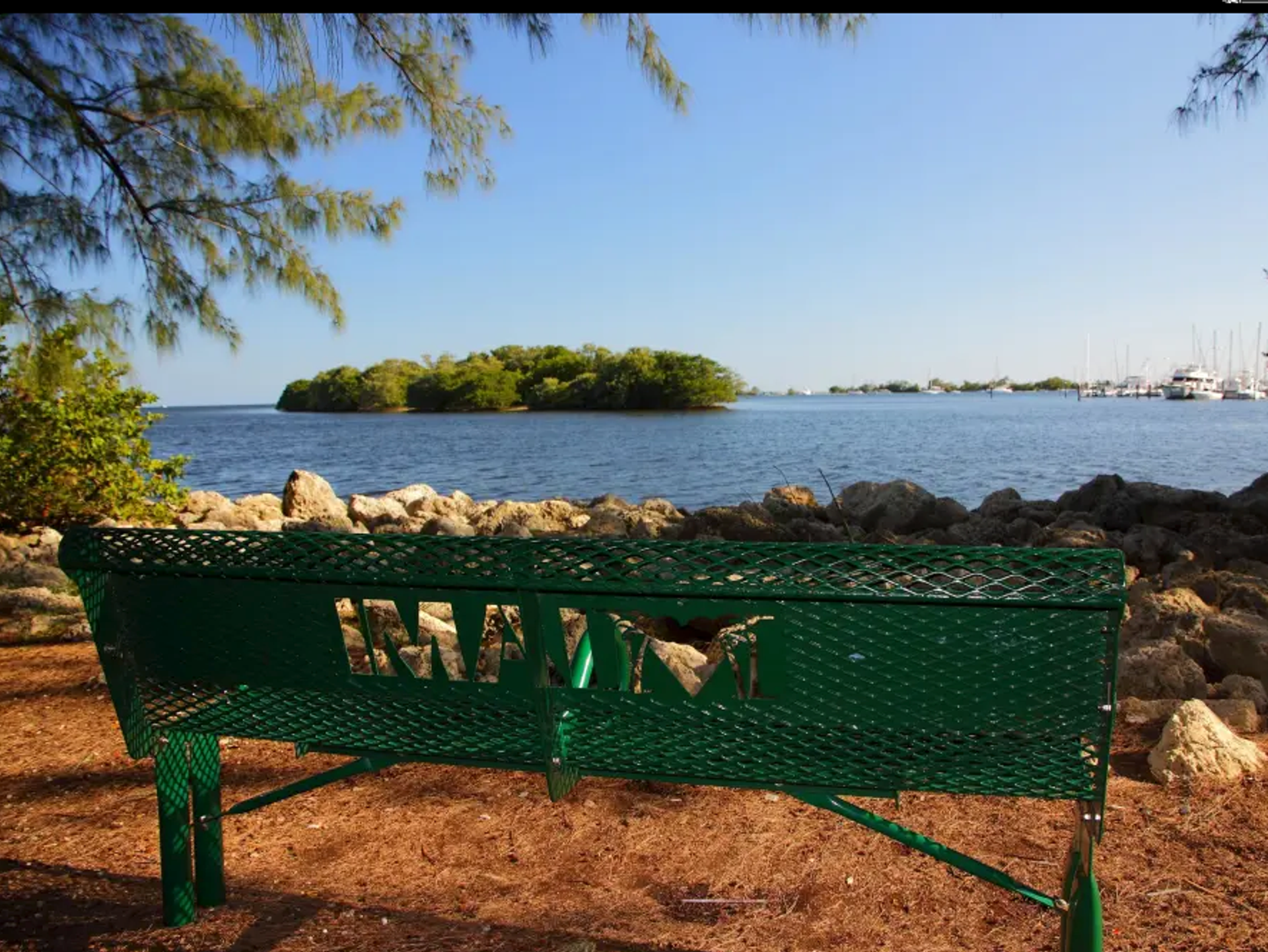
David T. Kennedy Park
The bayfront park on South Bayshore Drive: a free outdoor gym, a rubberised running track, lighted sand-volleyball courts with Phoenix Volleyball leagues, mangrove boardwalk, and the off-leash dog park. A.C.'s Icees cart has parked here for more than 40 years.
2400 S Bayshore Dr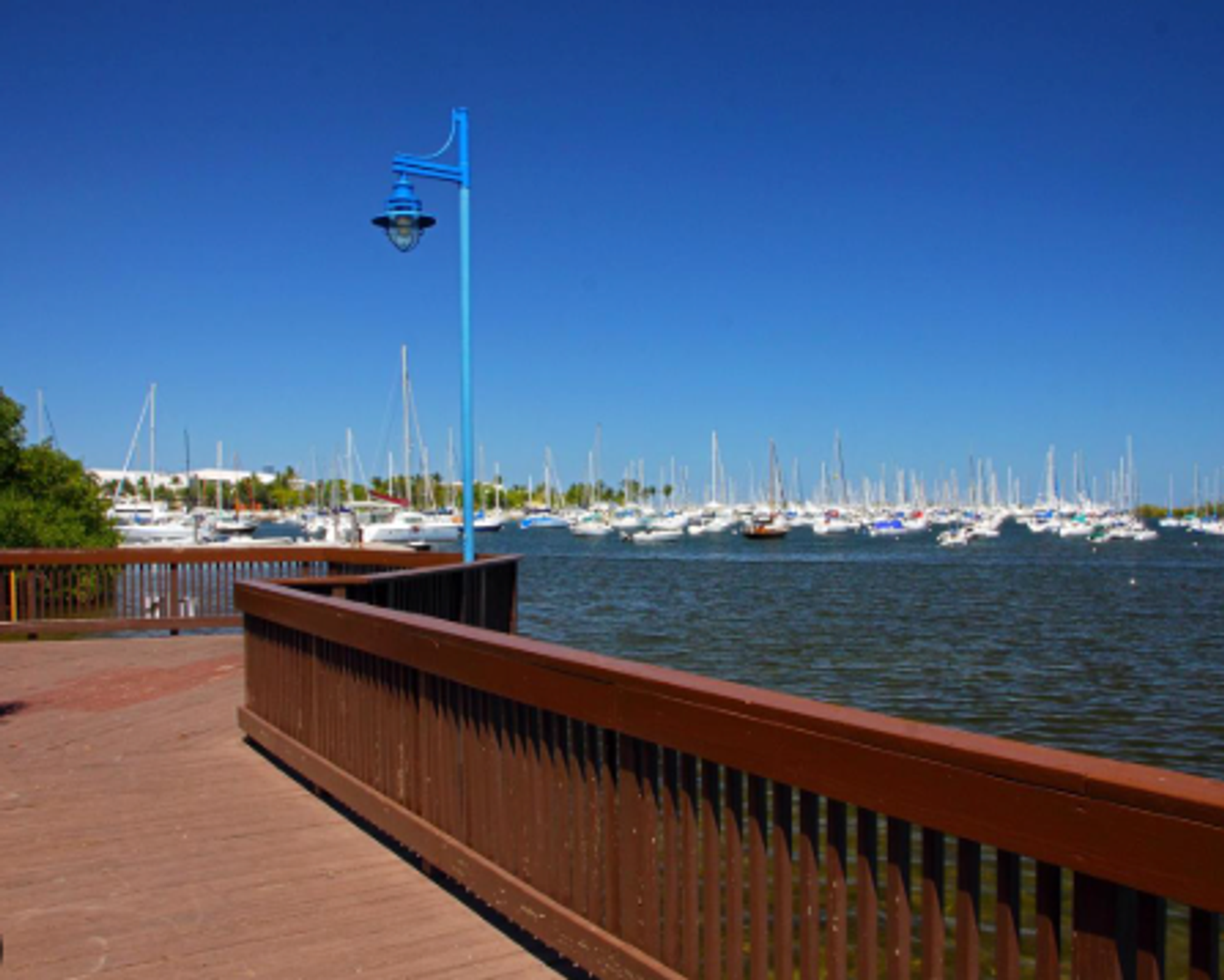
Peacock Park
A 9.4-acre village green on the site where Charles and Isabella Peacock built the 1882 Peacock Inn, Miami's first hotel. Baseball field, basketball and tennis courts, playground, skatepark, Glass & Vine, and the July 4 fireworks. A 450-foot landscaped berm is planned along the shoreline once construction money is found.
2820 McFarlane Rd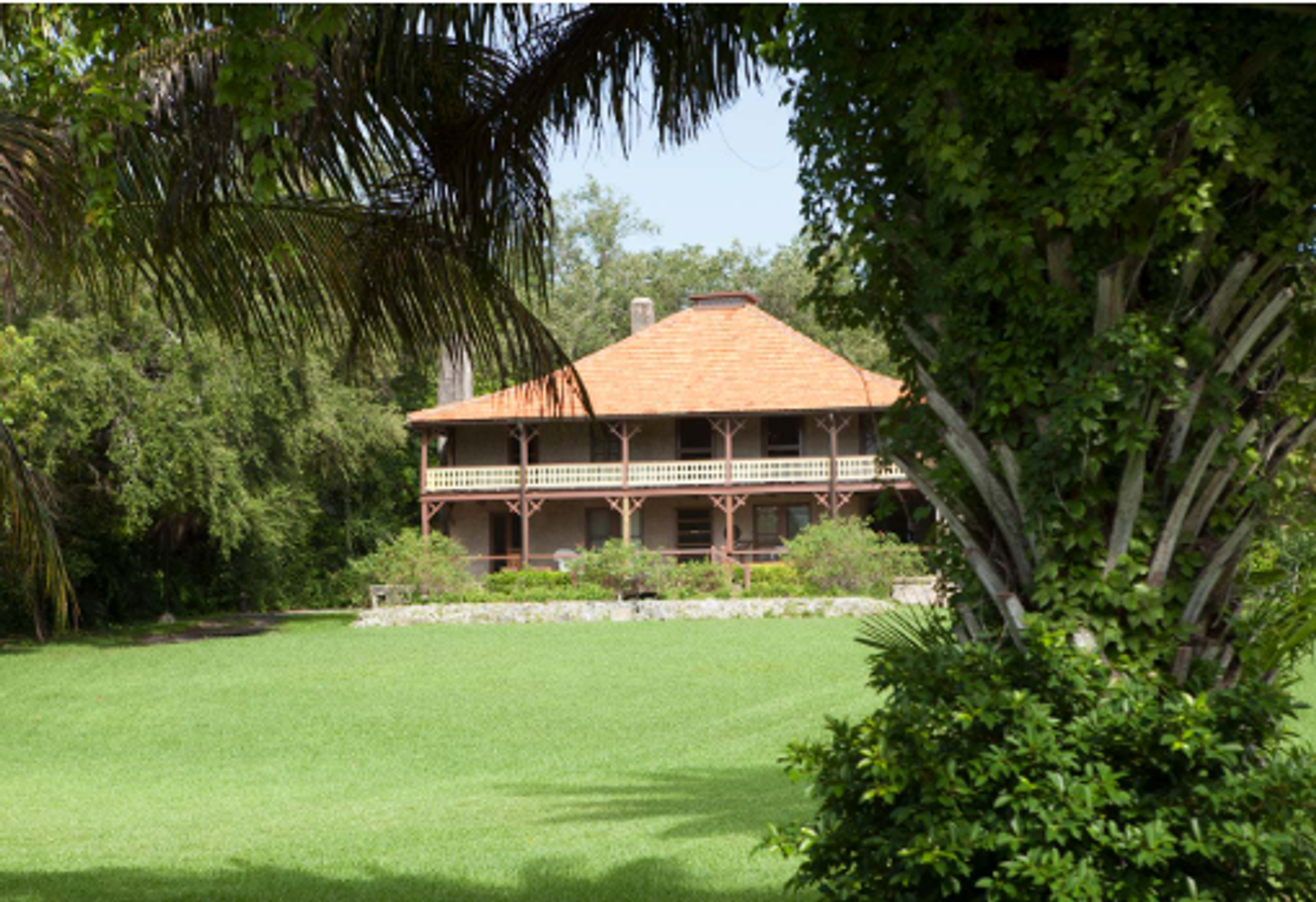
The Barnacle Historic State Park
Five acres of oak hammock around Ralph Munroe's 1891 house, the oldest home in Miami-Dade still on its original site. Open Thursday to Monday; monthly 16mm film nights, a BioBlitz on October 17, 2026, and about a foot of bay water 60 feet into the grounds at the October 2025 king tide.
3485 Main Hwy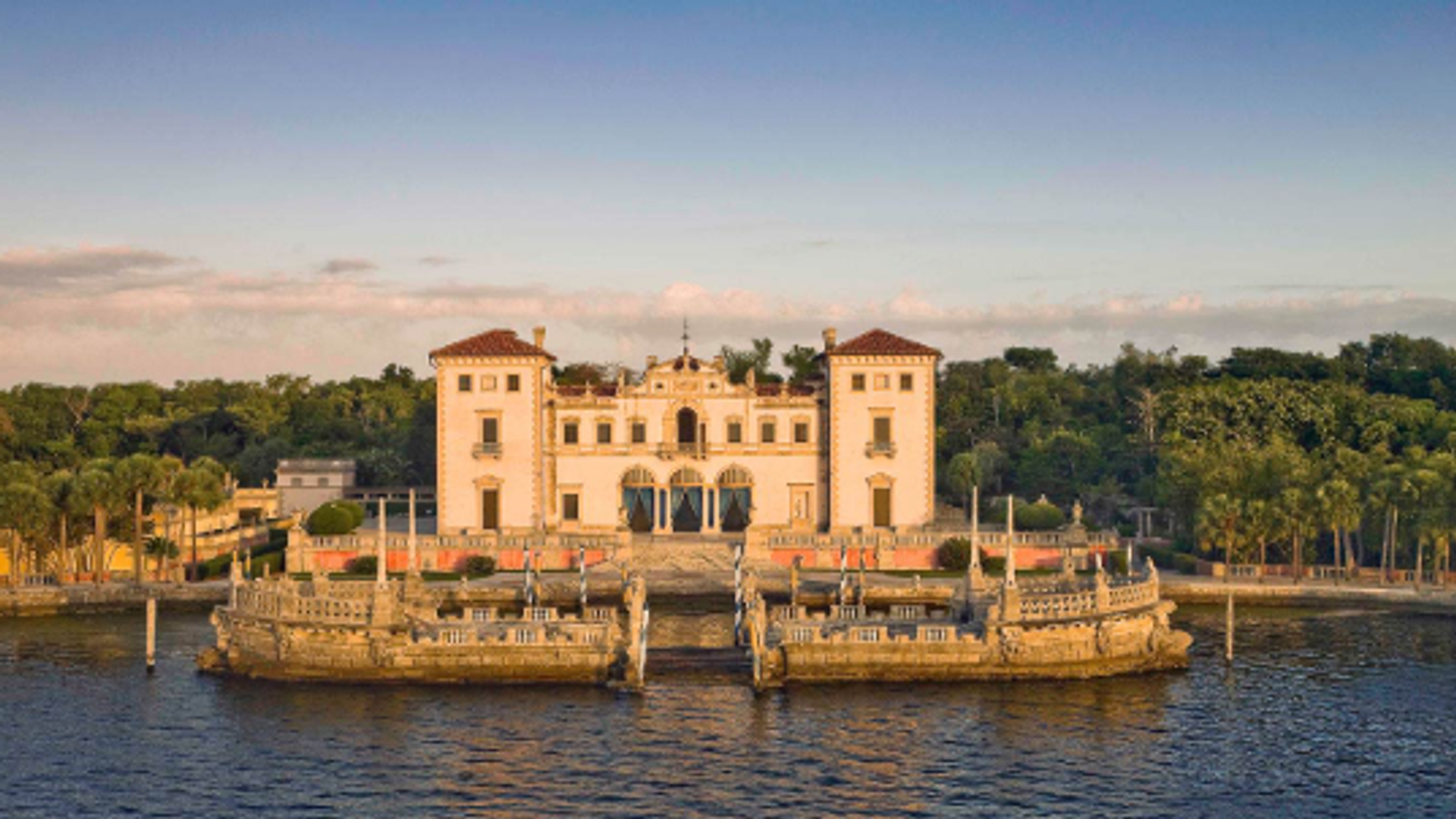
Vizcaya Museum & Gardens
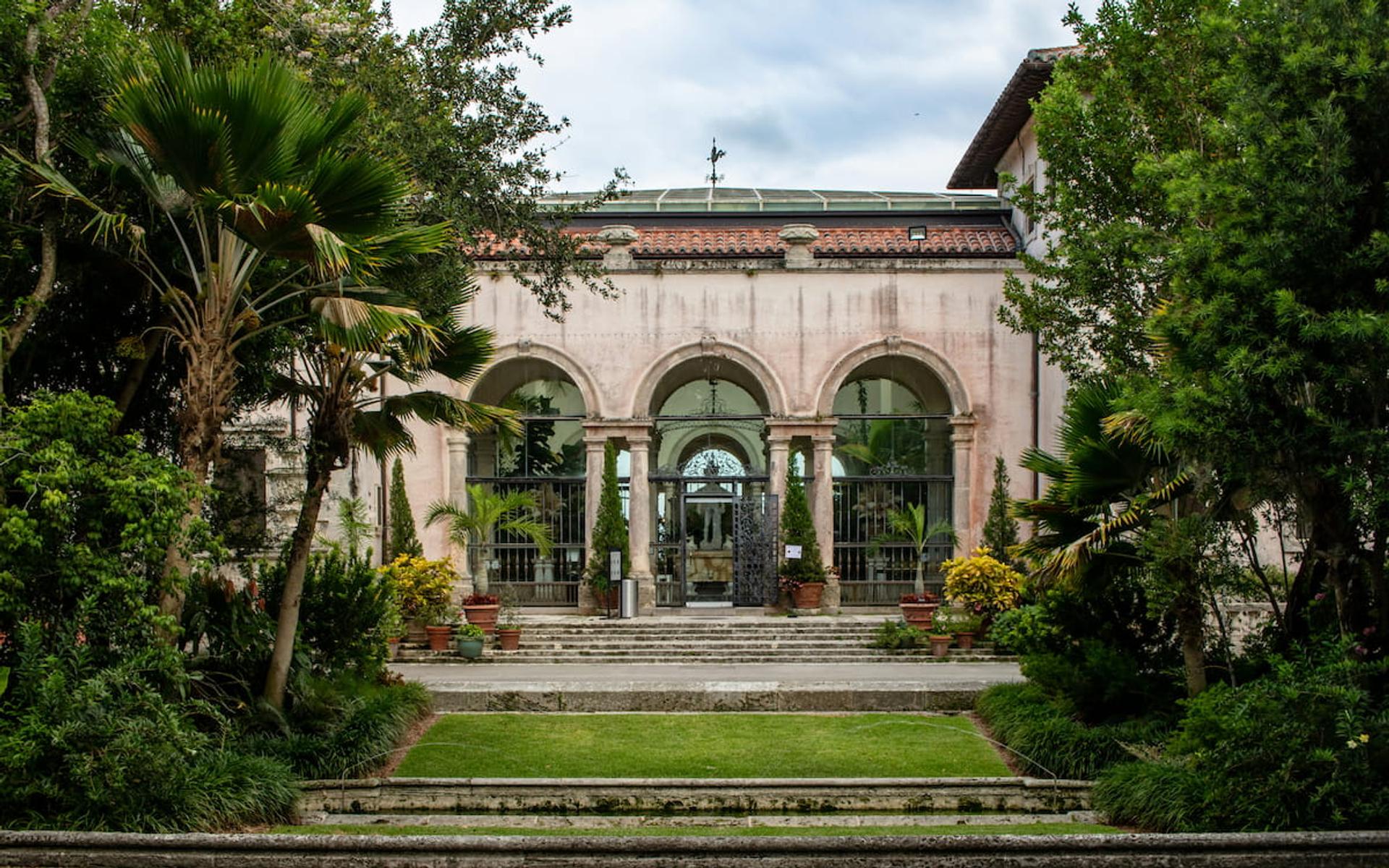
James Deering's 1916 estate on the bay just north of the Grove: 28 acres of formal gardens around an Italian Renaissance villa, 385,900 visitors a year. The Vizcaya Village farmers market runs Sundays 9:30 a.m. to 2:30 p.m., and the Vizcaya Ball is November 21, 2026.
3251 S Miami AveDinner Key Marina
The city marina beside City Hall: 587 wet slips, the largest wet-slip marina on the US East Coast, plus more than 250 moorings, 24-hour security and a pump-out boat. Rebuilt after Hurricane Irma; American crocodiles are regular visitors.
3400 Pan American DrCoconut Grove Sailing Club
Sailing since 1946 and more than ten thousand children taught. Adult and youth learn-to-sail, summer camps, moonlight racing on the Friday nearest the full moon, and the Washington's Birthday Regatta each February, a re-enactment of Munroe's 1887 race.
2990 S Bayshore DrThe Kampong
David Fairchild's estate, bought in 1916 with the house built in 1928, now the mainland garden of the National Tropical Botanical Garden. Open Tuesday to Saturday 9 a.m. to 4:30 p.m. by reservation, $2 off for 33133 residents; the exhibition Out of Darkness runs September 12, 2026 to September 11, 2027.
4013 Douglas RdShake-A-Leg Miami
Universally accessible sailing, kayaking and paddleboarding on the Kennedy Park shoreline, with camps and veterans' programmes. ASA 101 basic keelboat courses run September 19 to December 12, 2026.
2620 S Bayshore DrThe Commodore Trail
A roughly five-mile bayfront bike and walking route from Vizcaya along South Miami Avenue, Bayshore Drive, Main Highway and Douglas Road. Quality varies from separated path to sidewalk; a 2026 city proposal would fund upgrades with building bonuses.
S Bayshore Dr to Douglas RdSchools in and around the Grove
Three public schools serving the Grove rate 10 out of 10 on GreatSchools, the strongest cluster in the City of Miami, but the usual public high school, Coral Gables Senior, rates 5, so many families go private from grade 9. Confirm any zoned school by address with Miami-Dade County Public Schools before you buy.
Ransom Everglades School
Coed grades 6 to 12 on two campuses, the middle school on South Bayshore Drive and the upper school on Main Highway; 1,246 students at a 1:8 ratio, tuition $57,300 for 2026-27, Niche's number 23 private high school in the country and a Spear's top-10 school in North America for 2024 to 2026. A 31,000-square-foot humanities centre is planned.
3575 Main Hwy
Carrollton School of the Sacred Heart
All-girls Catholic school from Montessori age three through grade 12 on two bayfront campuses 600 feet apart, celebrating its 65th year. Tuition for 2026-27 runs $36,790 to $51,840; Niche ranks it the number one Catholic high school in Florida.
3747 Main Hwy
Coconut Grove Elementary
The village core's public elementary, PK to 5, 512 students, rated 10 out of 10 on GreatSchools with a gifted programme. Walk-from-home for families inside Center Grove.
3351 Matilda StGeorge Washington Carver Middle
The magnet middle school on Lincoln Drive, 976 students, rated 10 out of 10 on GreatSchools, with gifted and advanced-placement tracks. Admission is by application.
4901 Lincoln DrGeorge W. Carver Elementary
The West Grove's public elementary on Grand Avenue, 562 students, rated 10 out of 10 on GreatSchools with a gifted programme.
238 Grand AveImmaculata-La Salle High School
Coed Catholic high school on the bay between Mercy Hospital and Vizcaya: 890 students, an 11:1 ratio, 23 AP and 17 dual-enrolment courses, tuition $17,040 for 2025-26 including books and lunch. Open house October 17, 2026.
3601 S Miami AveCoral Gables Senior High
The public high school most Grove addresses feed, 2,931 students with an International Baccalaureate programme and 23 sports, rated 5 out of 10 on GreatSchools. Verify your zone by address.
450 Bird RdSt. Stephen's Episcopal Day School
The preschool-to-elementary day school on Main Highway in the village core, and the host of the Art & MakersFest that runs alongside the Arts Festival each Presidents' Day weekend.
3439 Main HwyFestivals and culture
The 2026-27 calendar: King Mango Strut on January 3, 2027, the 63rd Coconut Grove Arts Festival on February 13 to 15, 2027, Goombay in early June, and the Vizcaya Ball on November 21, 2026. The Coconut Grove Playhouse's restoration was approved on July 9, 2026 and challenged in court on August 27.
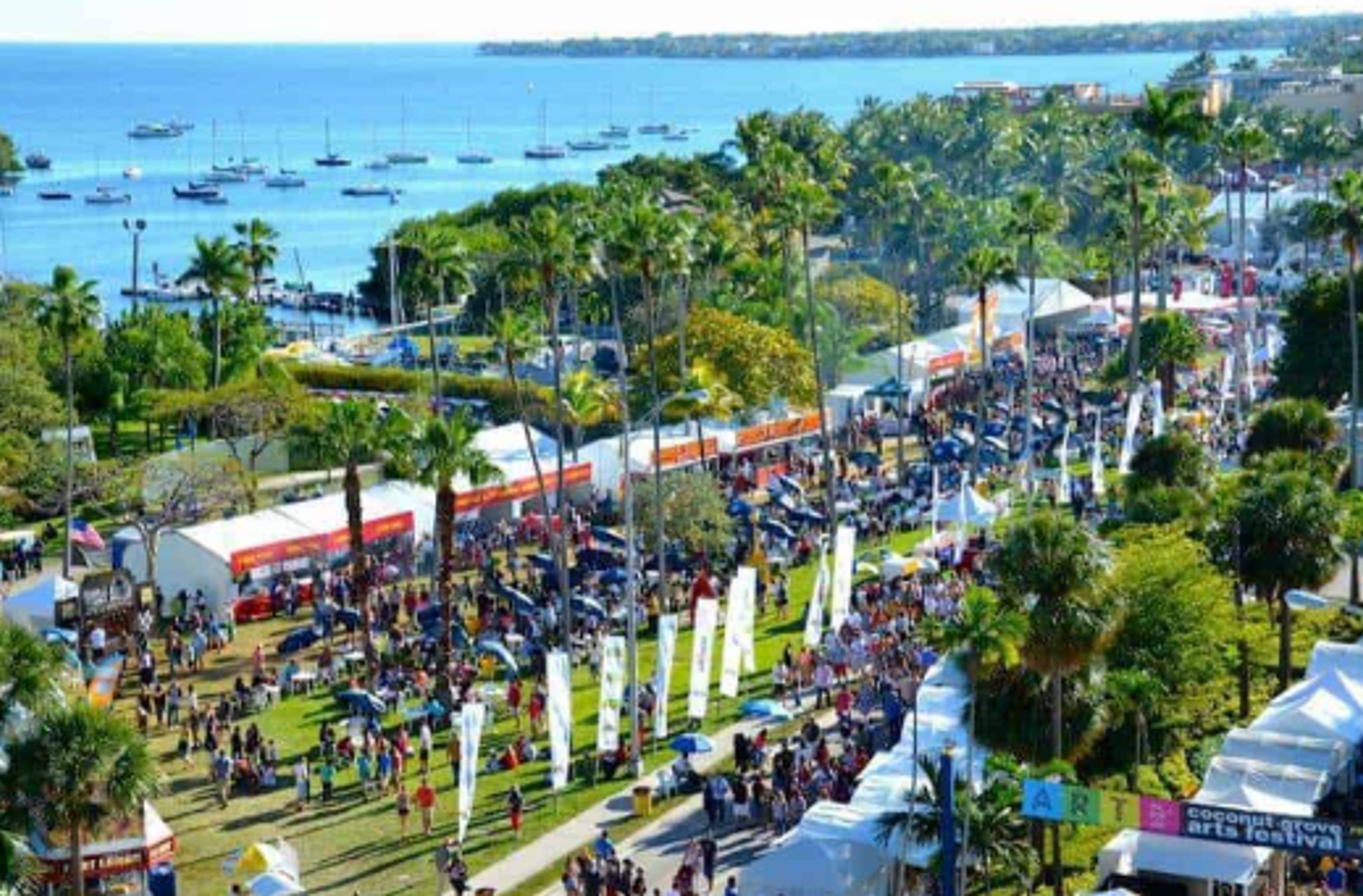
Coconut Grove Arts Festival
Every Presidents’ Day weekend, the Grove transforms into one massive outdoor gallery. Join your fellow friendly, eclectic neighbors and wander through some of the finest art from around the country, all set against the unmistakable backdrop of Coconut Grove. Think of it as the Grove’s own little Art Basel, just more laid-back, outdoors, and proudly local. Great energy, great people watching, and always a great time. Running annually since 1963, it’s one of the neighborhood’s signature traditions and one of the longest-running juried fine art festivals in the country.
Bayshore Drive, Miami, FL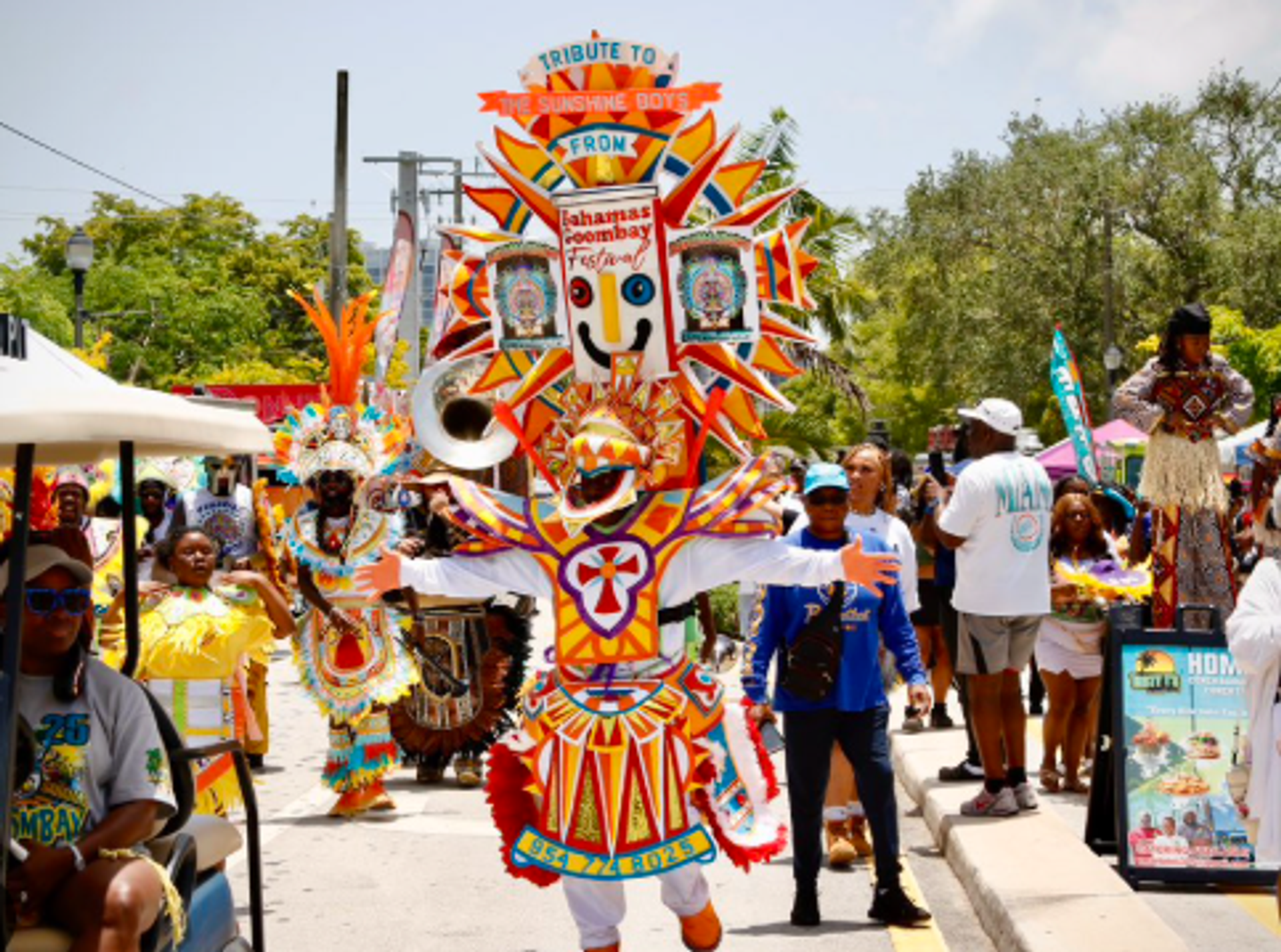
Goombay Festival
Founded in 1977 to celebrate the Grove's Bahamian heritage, Goombay turns Grand Avenue from SW 37th Avenue to Elizabeth Street into a free Junkanoo street carnival each June; the 2026 edition ran June 5 to 7 with $143,000 in city funding, and the committee is seeking nonprofit status to secure its future.
Grand AveKing Mango Strut
The Grove's satirical parade, putting the nut in Coconut Grove since 1982. Next edition Sunday January 3, 2027, 2 to 6 p.m., through Commodore Plaza and the village core.
Commodore PlazaCoconut Grove Playhouse
Opened January 1, 1927 and dark since 2006. The city commission approved Miami-Dade County's $58.4 million restoration on July 9, 2026, with a 300-seat GableStage theatre, restored 1926 facade and a 289-space garage; West Grove residents petitioned the circuit court to overturn it on August 27, 2026.
3500 Main HwyGifford Lane Art Stroll
One block of Gifford Lane turned into a free open-air gallery each March since 1998, benefiting the Coconut Grove Crisis Food Pantry and St. Alban's Child Enrichment Center. The 2026 stroll was March 1; 2027's date is not yet announced.
3200 block Gifford LnSt. Stephen's Art & MakersFest
The Grove's other Presidents' Day weekend fair, in its 37th year in 2026 on the church grounds on McFarlane Road: makers, food and a looser feel than the main festival two blocks away.
2750 McFarlane RdWashington's Birthday Regatta
The Coconut Grove Sailing Club's re-enactment of Ralph Munroe's 1887 race, run for the 30th time on February 21 and 22, 2026, with a traditional regatta on Saturday and the Mail Run on Sunday.
2990 S Bayshore DrLittle Bahamas of Coconut Grove
The West Grove's Bahamian settlement, named Little Bahamas by the city in 2022: Charles Avenue, the 1890 Mariah Brown House, the E.W.F. Stirrup House and the Ace Theatre, with Discover Lil Bahamas golf-cart tours and a museum proposal in progress.
Charles Ave and Grand AveShopping and groceries
There is no Whole Foods or Trader Joe's in the Grove; the nearest are on Red Road in Coral Gables and in Pinecrest. Target and Sprouts at Grove Central closed that gap in 2024.
CocoWalk
The open-air centre at the heart of the village, wholly owned by Federal Realty: Cinepolis Luxury Cinemas, Bluemercury, FP Movement, YouFit and School of Rock upstairs, Sushi Garage, Da Angelino, Chop, Grand Public and Salt & Straw at street level.
3015 Grand AveMayfair in the Grove
The complex around Mayfair House, whose hotel sold to Elliott for about $110 million in June 2026. Carbone Vino, 1986 Steak House and the Sipsip rooftop, plus the Grove Bazaar, a Sunday brunch and vintage market in the courtyard from 11 a.m. to 4 p.m.
2911 Grand AveGrove Central
The transit-oriented centre on top of Coconut Grove Metrorail station: a 49,000-square-foot Target with CVS and Starbucks inside (opened March 17, 2024), Sprouts, Total Wine and a 1,250-space public garage from $5.99.
2800 SW 27th TerThe Fresh Market
The North Grove's grocery on South Bayshore Drive, open 7 a.m. to 9 p.m. with curbside pickup; walkable from the Kennedy Park towers.
2640 S Bayshore DrMilam's Market
The family-run Miami grocer's Grove store, open 7 a.m. to 11 p.m., with Grove Liquors next door. The late-night option.
2969 SW 32nd AveCoconut Grove Organic Farmers Market
Glaser Organic Farms has run the Saturday market at Grand Avenue and Margaret Street since the early 1980s, 10 a.m. to 6 p.m. rain or shine: organic produce, raw-vegan prepared food and rare fruit such as jaboticaba.
3300 Grand AveBooks & Books Coconut Grove
The independent bookshop's Grove branch on Main Highway, with Banh, a Vietnamese sandwich counter run by a two-time Chopped Junior winner, inside.
3409 Main HwyRegatta Harbour
Seven city-owned acres at Dinner Key run by TREO Group: Bayshore Club, Regatta Grove, The Hangar event space, a dry-stack marina and a 212-space garage. The Hangar's event cap was waived through 2026.
3385 Pan American DrGyms, studios and the water
Anatomy Coconut Grove
The Regatta Harbour club, open 5 a.m. to 10 p.m. on weekdays: hot and cold plunges, infrared and traditional saunas, We Ride indoor cycling and a chiropractor on site.
3363 Pan American DrMimi Yoga Coconut Grove
Heated power yoga, Yogilates and Pilates bootcamp on Bird Avenue; drop-in $35, ten classes $300, unlimited $199 a month.
2829 Bird Ave, Suite 1YouFit CocoWalk
The third-floor gym at CocoWalk, with outdoor classes in the plaza below. The budget option in the village core.
3015 Grand AveKennedy Park outdoor gym
Free: the outdoor gym equipment, rubberised track and lighted sand-volleyball courts along the bay, with Phoenix Volleyball Miami leagues and clinics now in their tenth year.
2400 S Bayshore DrThe Underline
Free yoga and HIIT-and-run sessions along the linear park beside the Coconut Grove and Douglas Road stations, with the Inter Grove Gallery's bocce courts and bike share open since November 2025.
Beneath Metrorail, SW 24th to 27th AveFrequently Asked Questions
Common questions about Coconut Grove
Talk to a Coconut Grove specialist
Buying or selling in Coconut Grove? Our local agents know the village core, the bayfront condos, and the South Grove single-family streets. We'll help you find the right block.
Keep Exploring
More Guides
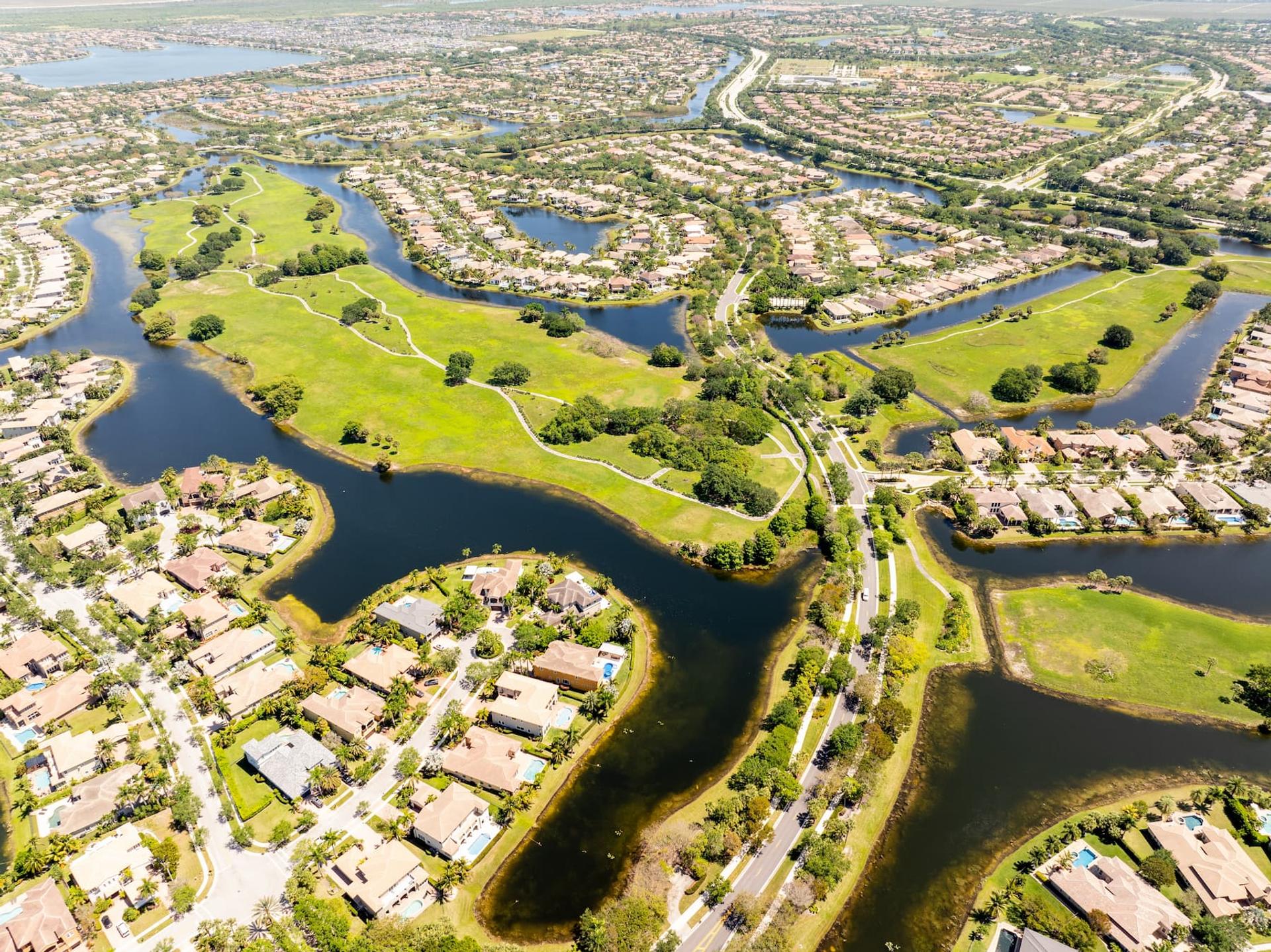
Coral Springs
A 1963 master plan, 49 parks, and a downtown finally taking shape.
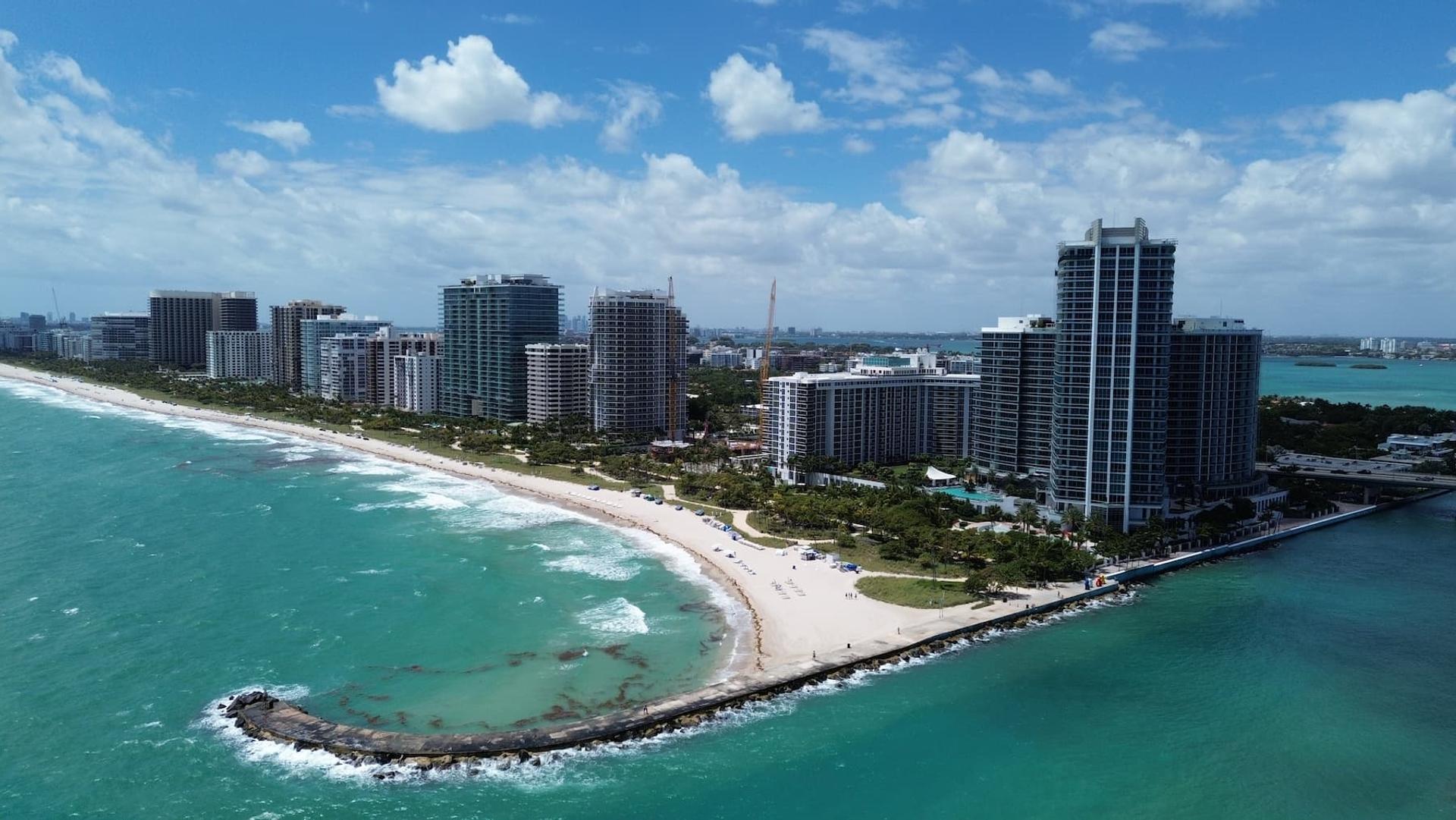
Bal Harbour
One mile of beach, one mall, 3,000 residents at Haulover Inlet.
Aventura
Intracoastal towers, Florida's largest mall, and a Brightline stop to Orlando.
Indian Creek
Fourteen small neighbourhoods wrapped around a par-70 course at Jupiter's I-95 gateway.