
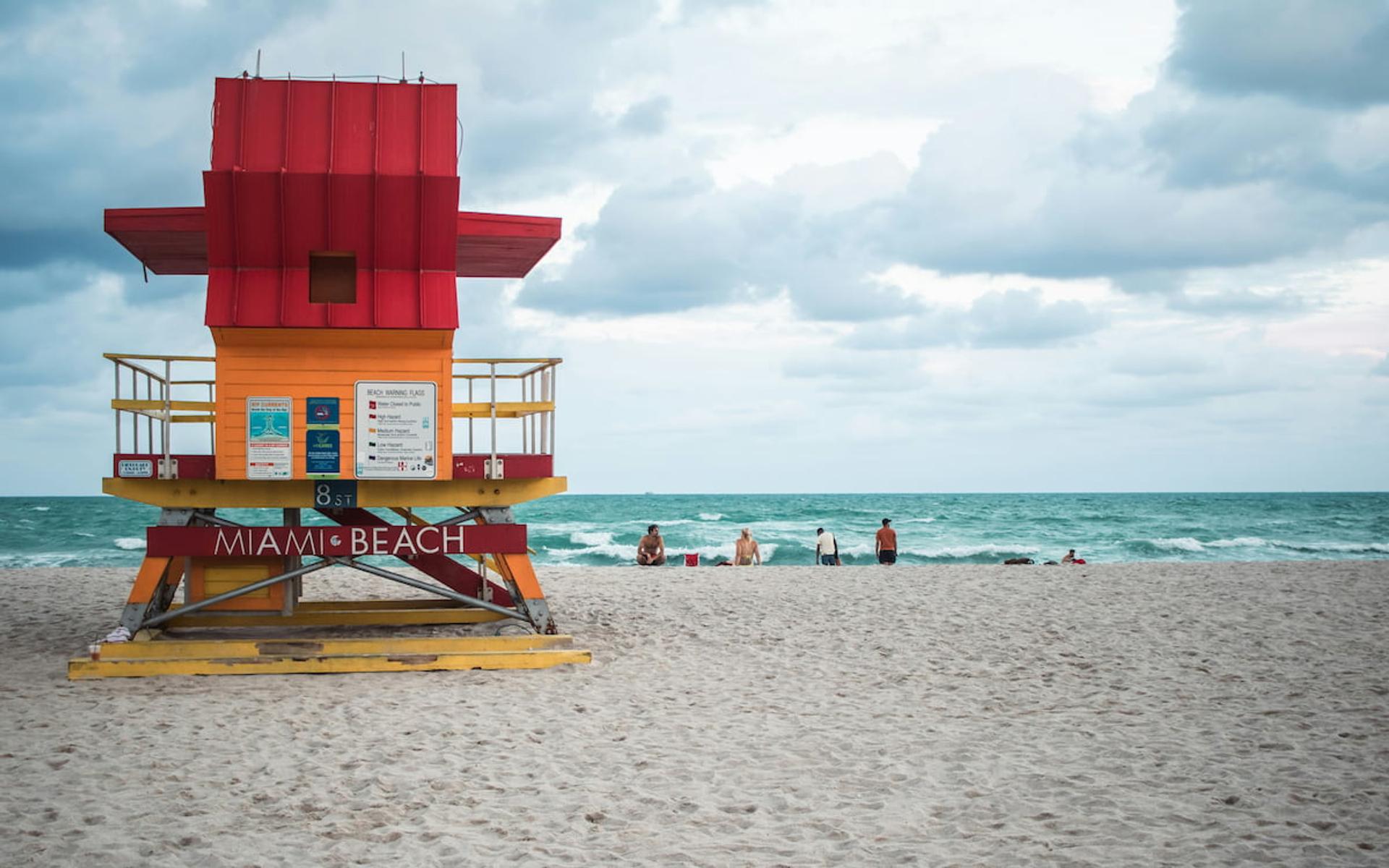
Miami Beach, FL
South BeachNeighbourhood Guide
Pastel Art Deco, ocean breeze, and a city that never quite sleeps.
South Beach holds the world's largest concentration of Art Deco architecture — more than 800 buildings constructed between 1923 and 1943, packed into roughly one square mile between Sixth and 23rd Streets. In 1979 it became the first 20th-century neighbourhood added to the National Register of Historic Places, and that designation still shapes everything from building heights to the pastel paint on Ocean Drive.
The streetscape reads as residential and commercial at the same time. Walk-up Deco apartment houses sit next to oceanfront towers; ground-floor cafes feed both the people who live above them and the tourists drifting up from Lummus Park. The Beach Walk runs 2.5 miles uninterrupted from South Pointe Park to mid-beach, and the free Miami Beach trolley loops the island every 20 minutes from 8 a.m. to 11 p.m. Most residents own a car but use it less than they expected.
Who lives here
The resident base is unusually mixed for Miami: full-time professionals priced into condos rather than houses, retirees and snowbirds in renovated Deco buildings, families clustered near South Pointe Elementary, and a long-running creative class drawn by the architecture and the proximity to Wynwood and the Design District. South of Fifth — the few blocks below Fifth Street — has emerged as the quietest, most expensive pocket, with per-square-foot pricing that crosses $1,500 in the newest oceanfront towers.
Browse current South Beach listings or read on for what daily life looks like.
Key Details
What makes South Beach special
The Market
Condos dominate inventory; single-family homes are concentrated in Belle Isle and the Sunset Islands. Median resale condo prices sit in the high six figures, with South of Fifth and oceanfront new construction commanding $1,500+ per square foot. Buyers should budget for HOA fees that reflect the cost of maintaining oceanfront buildings under Florida's post-Surfside structural-reserve rules.
Getting Around
Walkable enough that many residents drop to one car or none. The free citywide trolley runs every 20 minutes, Citi Bike stations are scattered every few blocks, and the 2.5-mile Beach Walk is a continuous pedestrian corridor. The MacArthur and Julia Tuttle Causeways connect to the mainland in 10–15 minutes off-peak.
Who Lives Here
A mix of full-time professionals, snowbirds, retirees, creatives, and a smaller cohort of young families clustered near the elementary school. Roughly half of households are non-family — typical for a high-density beach neighbourhood — and Spanish is widely spoken alongside English.
Climate & Flood Risk
Most of South Beach sits in FEMA flood zones AE or VE, and storm surge zones A or B. King-tide flooding on Alton Road and West Avenue is real but actively engineered against — the city has spent over $400M on raised roads, pumps, and sea walls since 2015. Flood insurance is effectively required for ground-floor units.
History
Originally coconut farmland purchased by the Lum brothers in 1870, Miami Beach was incorporated in 1915. The Art Deco boom of the 1920s and '30s defined the look, and Barbara Capitman's Miami Design Preservation League saved it from demolition in the late 1970s. The Architectural District was the first 20th-century urban district on the National Register.
Schools
South Pointe Elementary (PK–5) and Fienberg/Fisher K-8 are the zoned public options inside the neighbourhood, both within Miami-Dade County Public Schools. South Pointe runs a Gifted & Talented program and an IB track. Most secondary students continue to Miami Beach Senior High, just north of South Beach proper.
Notable Addresses
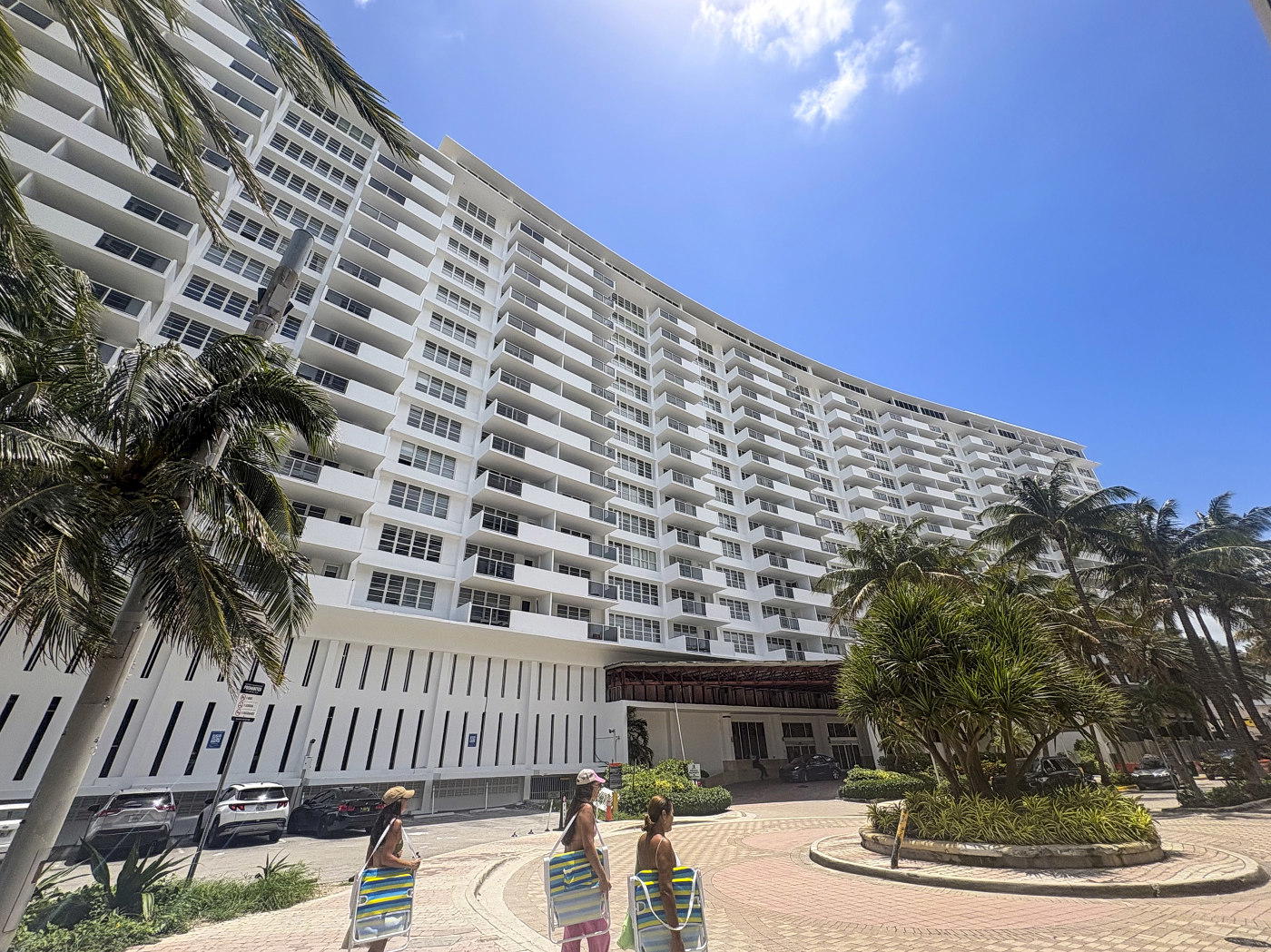
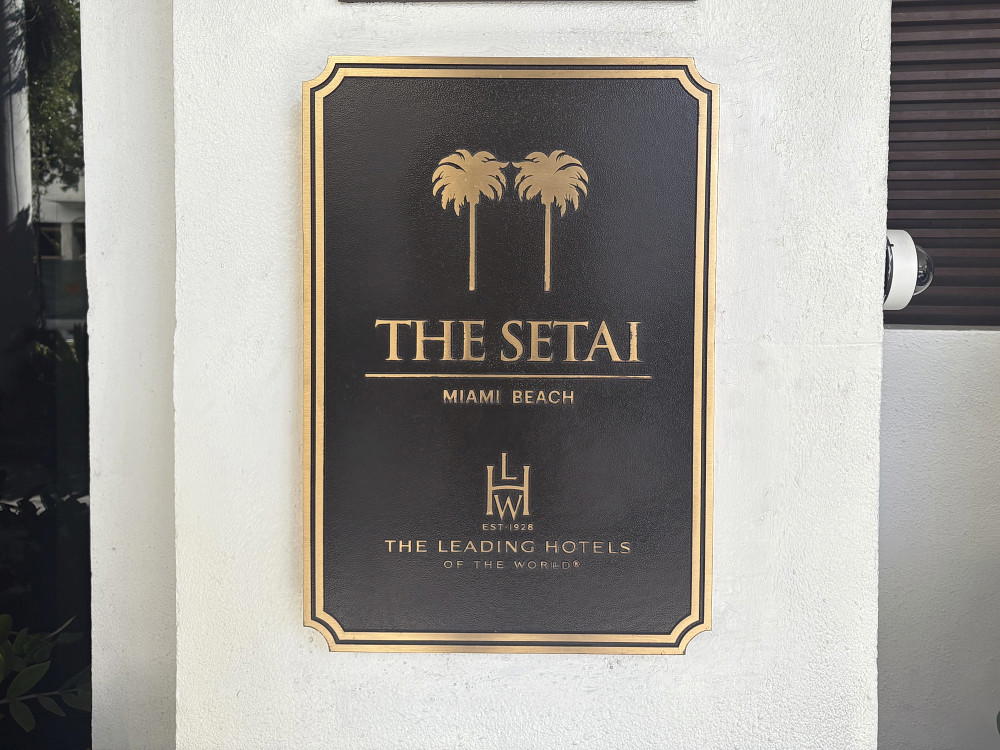
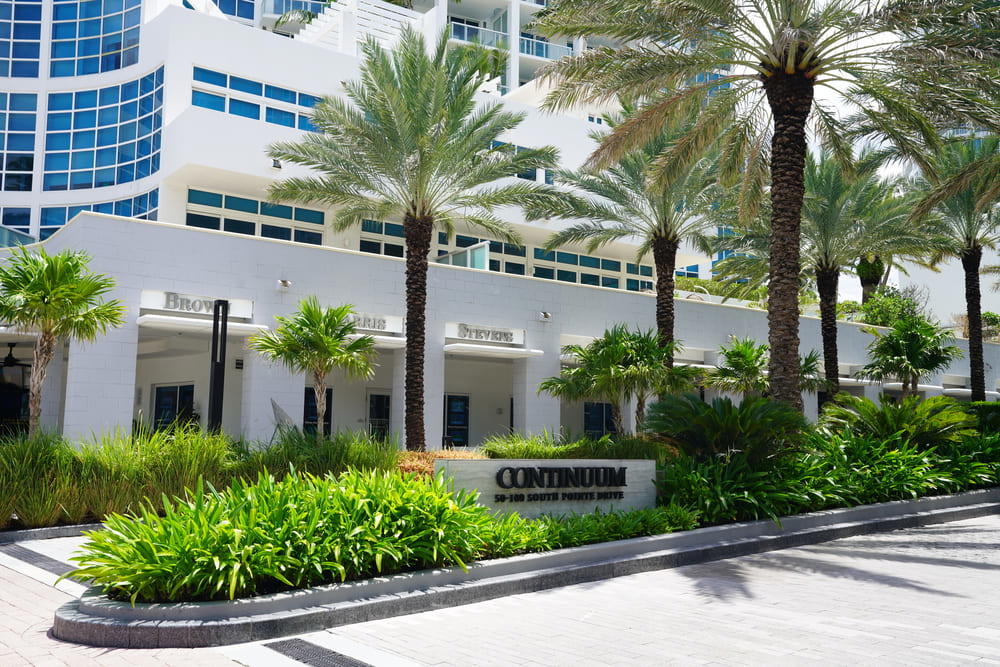
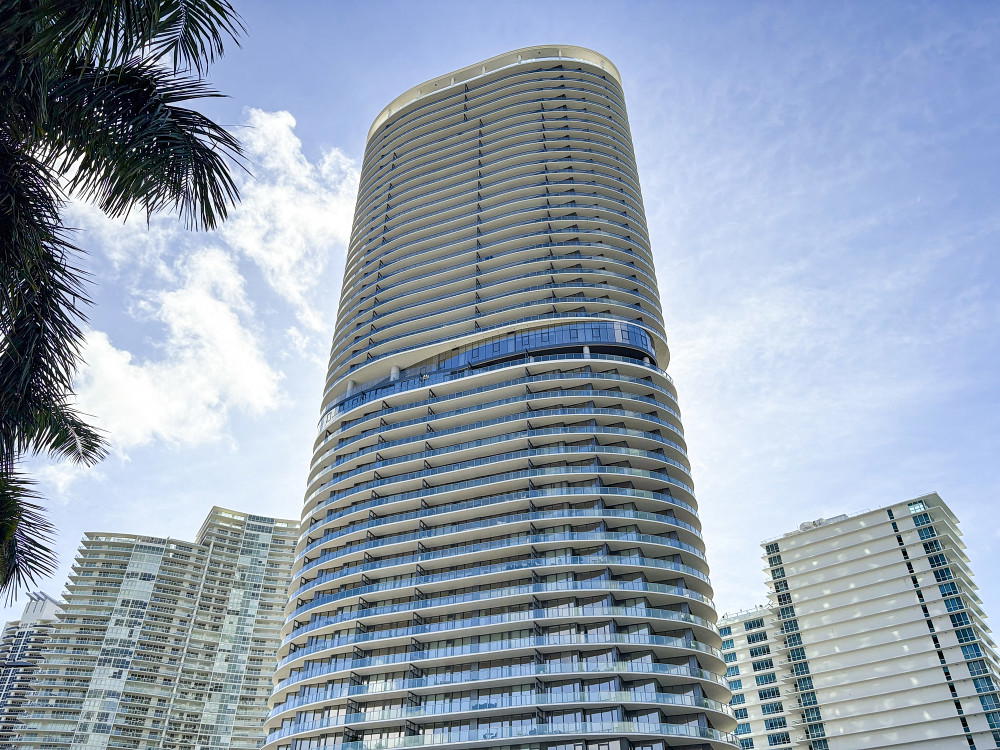
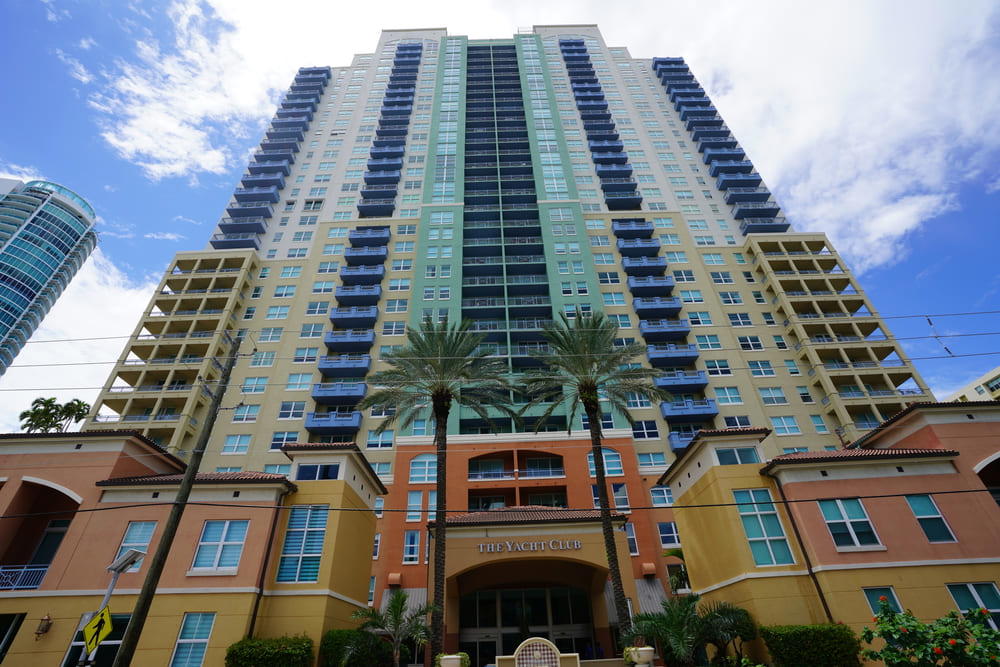
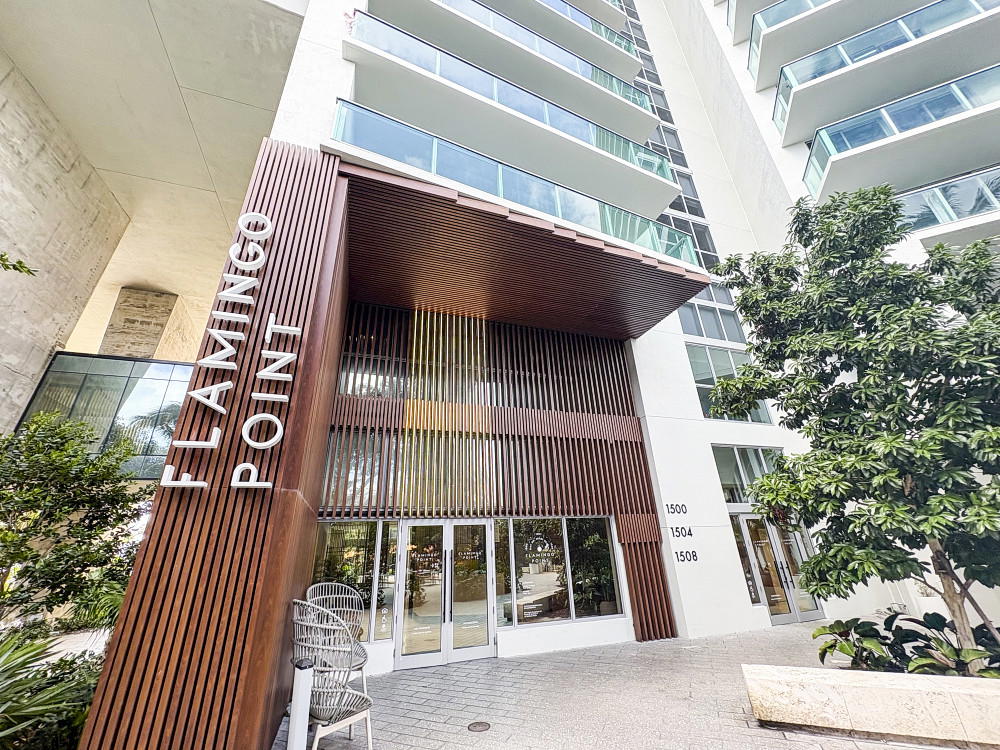
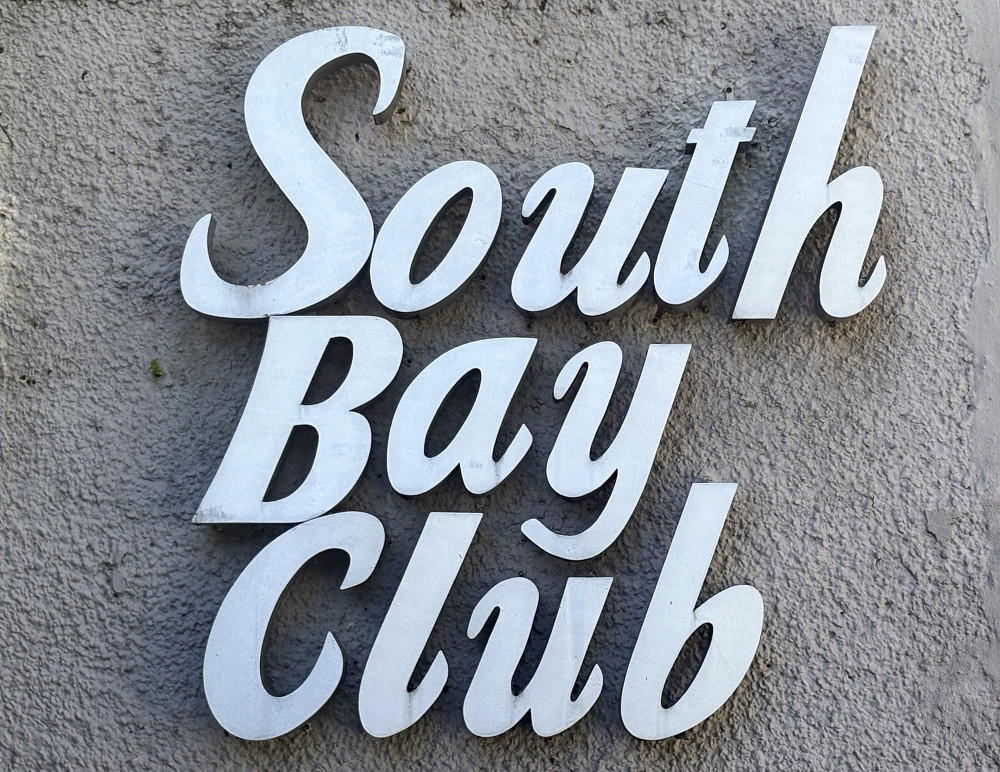
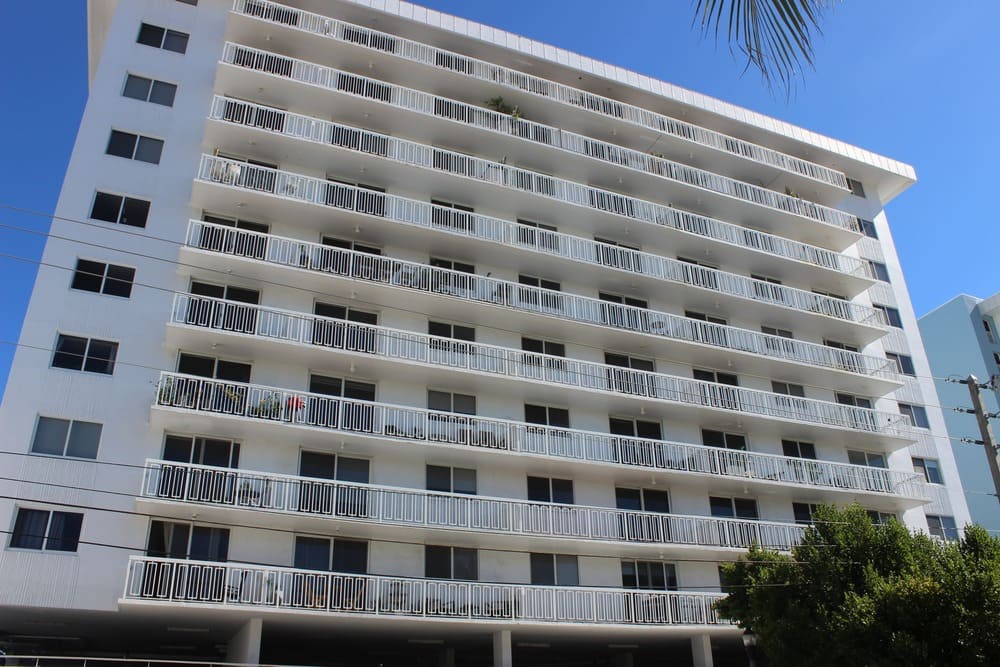
Buildings in South Beach
Recently Listed
For Sale in South Beach

 25
25 38
38 45
45 10
10 7
7Recently Listed
For Rent in South Beach

 21
21 11
11 23
23 38
38 52
52Lifestyle & Highlights
The best of South Beach
Where to Eat
Joe's Stone Crab
Open since 1913 and still a Miami institution. Stone crab claws in season (October–May), key lime pie year-round, no reservations.
11 Washington Ave, Miami BeachCarbone
The Major Food Group's Italian-American throwback — spicy rigatoni vodka, veal parm, tableside Caesar. Reservations book out weeks ahead.
49 Collins Ave, Miami BeachStubborn Seed
Top Chef winner Jeremy Ford's tasting-menu restaurant in South of Fifth. Smaller, calmer, and one of the few James Beard-recognised kitchens in the neighbourhood.
101 Washington Ave, Miami BeachMacchialina
Neighbourhood Italian on Alton Road — handmade pastas, daily specials, the kind of place residents return to weekly.
820 Alton Rd, Miami BeachYardbird
Southern comfort food on Lincoln Road: fried chicken, deviled eggs, watermelon-and-tomato salad, and one of the largest bourbon lists in the city.
1600 Lenox Ave, Miami BeachLucali
The South Beach outpost of the cult Brooklyn pizzeria — wood-fired pies, BYOB, no reservations, expect a wait.
1930 Bay Rd, Miami BeachNights Out
LIV
The 18,000-square-foot superclub at the Fontainebleau, hosting top-tier resident DJs and headliners almost every weekend.
4441 Collins Ave, Miami BeachStory
Sister venue to LIV, known for its kinetic LED ceiling and a steady rotation of major touring DJs in a smaller, more theatrical room.
136 Collins Ave, Miami BeachMango's Tropical Cafe
Ocean Drive landmark since 1991 — live salsa, samba, and conga lines until 5 a.m. Touristy by design, fun in spite of it.
900 Ocean Dr, Miami BeachSweet Liberty
Award-winning craft cocktail bar tucked behind Lincoln Road. James Beard semifinalist for outstanding bar program.
237 20th St, Miami BeachBeach & Outdoors
Lummus Park
The beachfront strip running from Fifth to 14th Place — palm-shaded paths, public volleyball courts, the original Muscle Beach outdoor gym, and the most photographed stretch of Ocean Drive.
1130 Ocean Dr, Miami BeachSouth Pointe Park
A 17-acre waterfront park at the southern tip with skyline views, splash pad, picnic lawns, and the southern terminus of the Beach Walk. Open sunrise to 10 p.m.
1 Washington Ave, Miami BeachMiami Beach Boardwalk
A continuous 2.5-mile pedestrian boardwalk running from South Pointe Park up to 46th Street. Popular with runners, cyclists, and dog walkers in early morning.
Atlantic Ocean side, 1st–46th StMaurice Gibb Memorial Park
Quiet bayside park on West Avenue with a small playground, dog area, and waterfront views of the Sunset Islands — favoured by residents over tourists.
1820 West Ave, Miami BeachMuseums & Culture
The Wolfsonian-FIU
Design and propaganda museum housed in a 1927 Mediterranean Revival building. Roughly 180,000 objects from the 1885–1945 period, with rotating thematic exhibitions.
1001 Washington Ave, Miami BeachBass Museum of Art
Miami Beach's contemporary art museum at the edge of Collins Park, with a sculpture garden and a strong programme of large-scale installation work.
2100 Collins Ave, Miami BeachHolocaust Memorial of the Greater Miami Jewish Federation
Kenneth Treister's monumental sculpture and memorial garden, completed in 1990. Free admission, open daily.
1933-1945 Meridian Ave, Miami BeachJewish Museum of Florida-FIU
Two restored Art Deco synagogues telling the story of Jewish life in Florida since 1763.
301 Washington Ave, Miami BeachMiami Design Preservation League
Headquartered on Ocean Drive, MDPL runs daily walking tours of the Art Deco District and is the reason the buildings are still standing.
1001 Ocean Dr, Miami BeachShopping
Lincoln Road Mall
Pedestrianised since the 1960s — eight blocks of national chains, local boutiques, sidewalk cafes, and a Sunday farmers market. Designed by Morris Lapidus.
Lincoln Rd between Alton & Washington, Miami BeachCollins Avenue (Fashion Stretch)
Roughly Fifth to Eighth Street, lined with flagship stores from Apple to Sephora to Anthropologie inside restored Deco buildings.
Collins Ave between 5th & 8th St, Miami BeachEspañola Way
Two-block Mediterranean Revival promenade from the 1920s, now a pedestrian street of independent boutiques, restaurants, and tapas bars.
Española Way between Washington & Drexel, Miami BeachBal Harbour Shops
A 15-minute drive north — open-air luxury mall with the highest sales-per-square-foot of any retail centre in the U.S. Worth the trip if you're looking for Hermès or Chanel.
9700 Collins Ave, Bal HarbourGetting Around
Miami Beach Free Trolley
Free citywide trolley running every 20 minutes from 8 a.m. to 11 p.m., seven days a week. Three loops cover South Beach, Mid Beach, and North Beach with a connector to Downtown Miami.
Citi Bike Miami
Bike-share with stations every few blocks across South Beach. Annual membership is the cheapest way to live car-light in the neighbourhood.
Beach Walk
2.5-mile car-free promenade from South Pointe Park to 46th Street. The fastest way to move between South Beach and Mid Beach on foot or bike.
MacArthur Causeway
The main connector to Downtown Miami and PortMiami — 10 minutes to Brickell off-peak, longer in rush hour or on cruise turnaround days.
Frequently Asked Questions
Common questions about South Beach
Thinking about a move to South Beach?
Get matched with a Pink agent who lives and works in South Beach. We'll help you understand pricing, HOA realities, and which buildings actually fit how you want to live.
Keep Exploring
More Guides
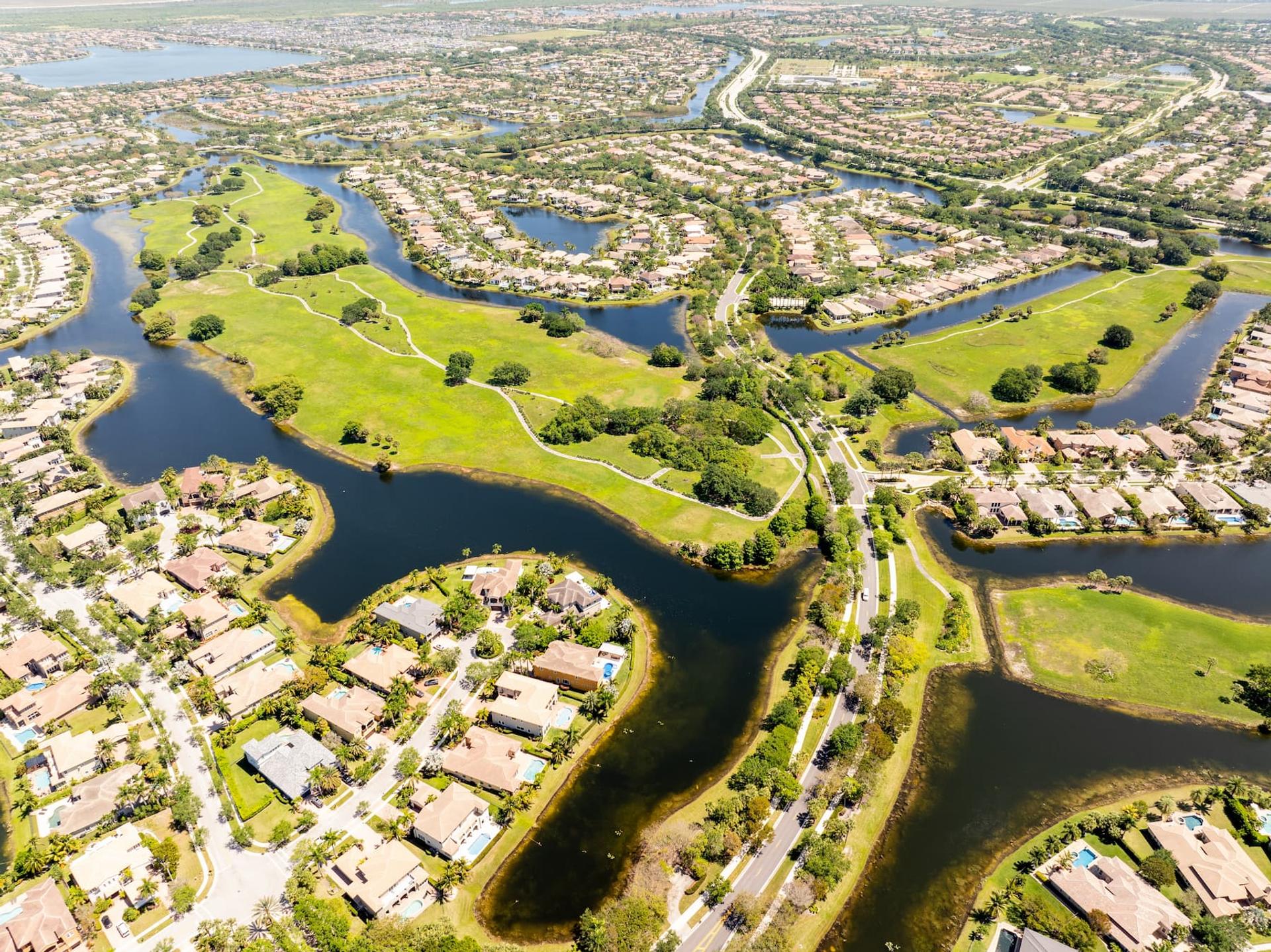
Coral Springs
A 1963 master plan, 49 parks, and a downtown finally taking shape.
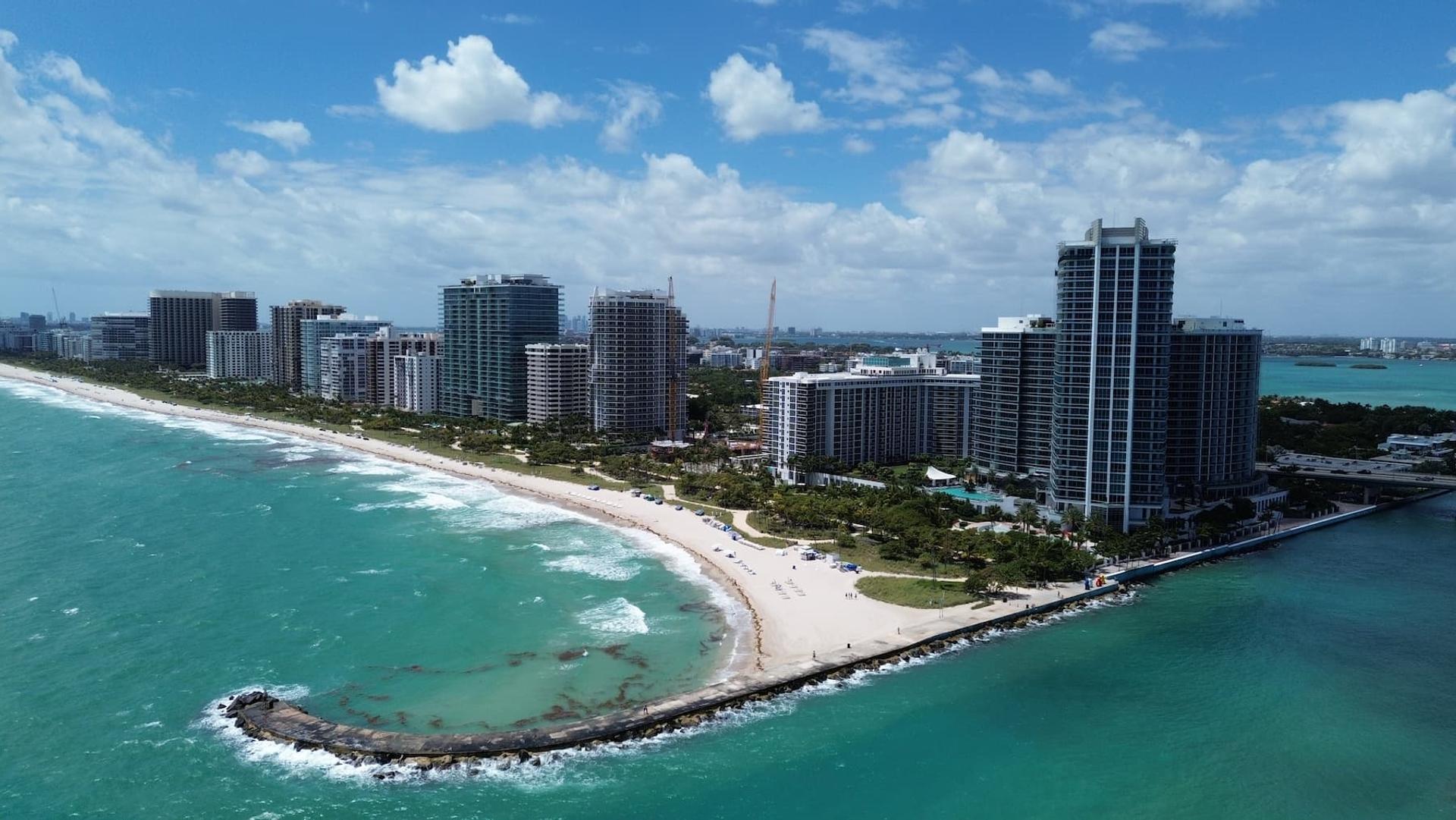
Bal Harbour
One mile of beach, one mall, 3,000 residents at Haulover Inlet.
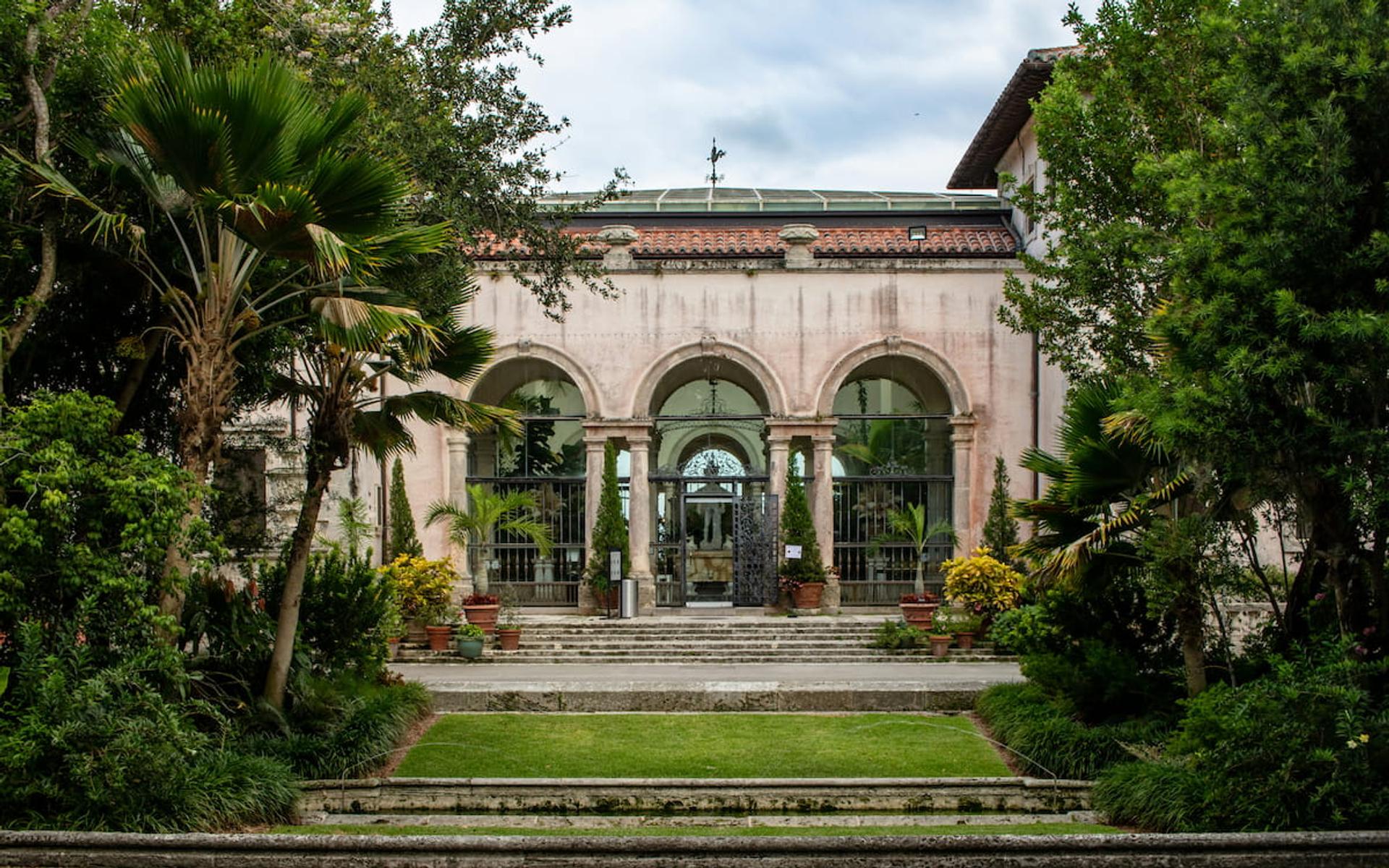
Coconut Grove
Miami's oldest village, high on the ridge between the banyans and Biscayne Bay
Aventura
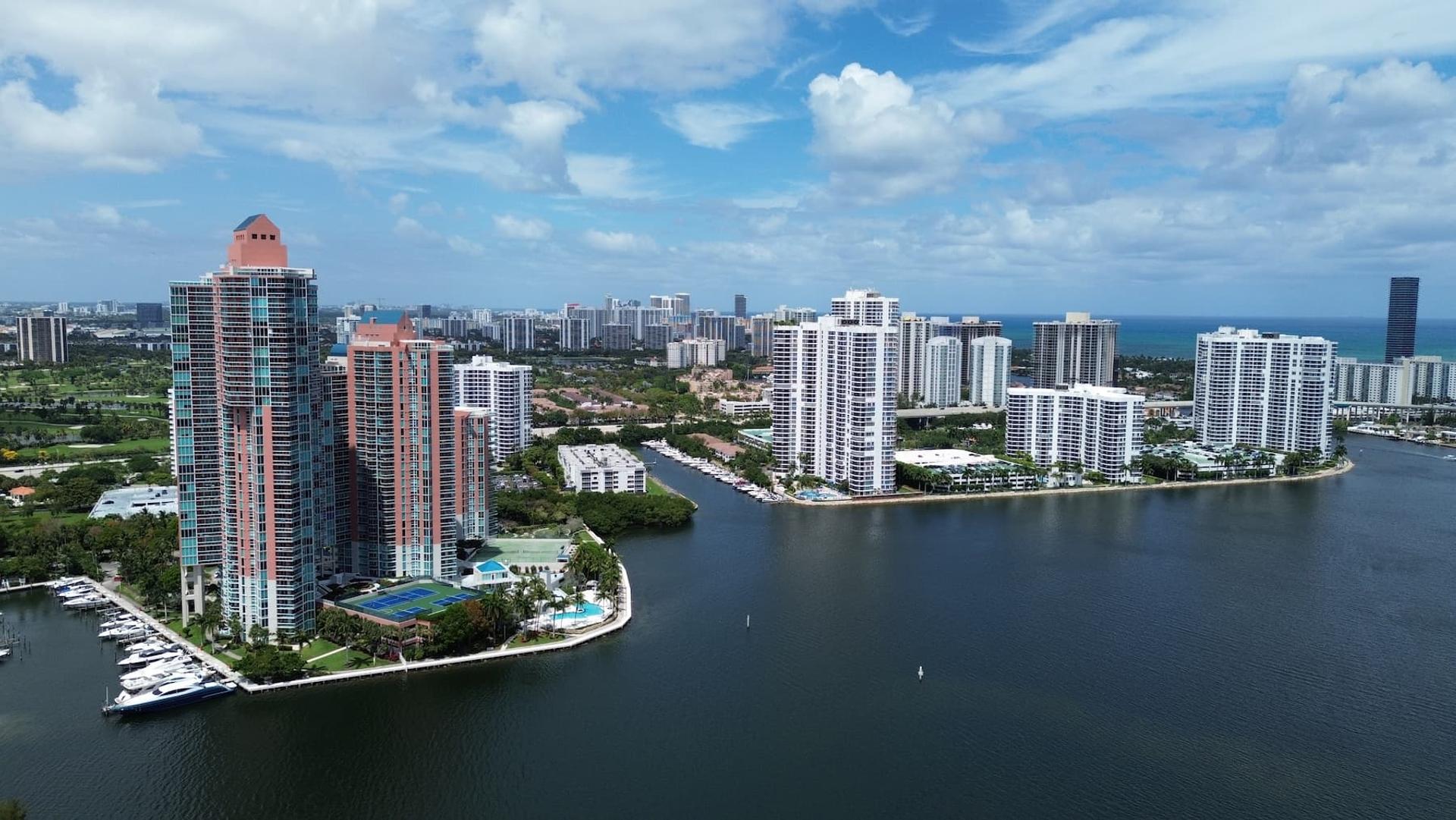
Intracoastal towers, Florida's largest mall, and a Brightline stop to Orlando.