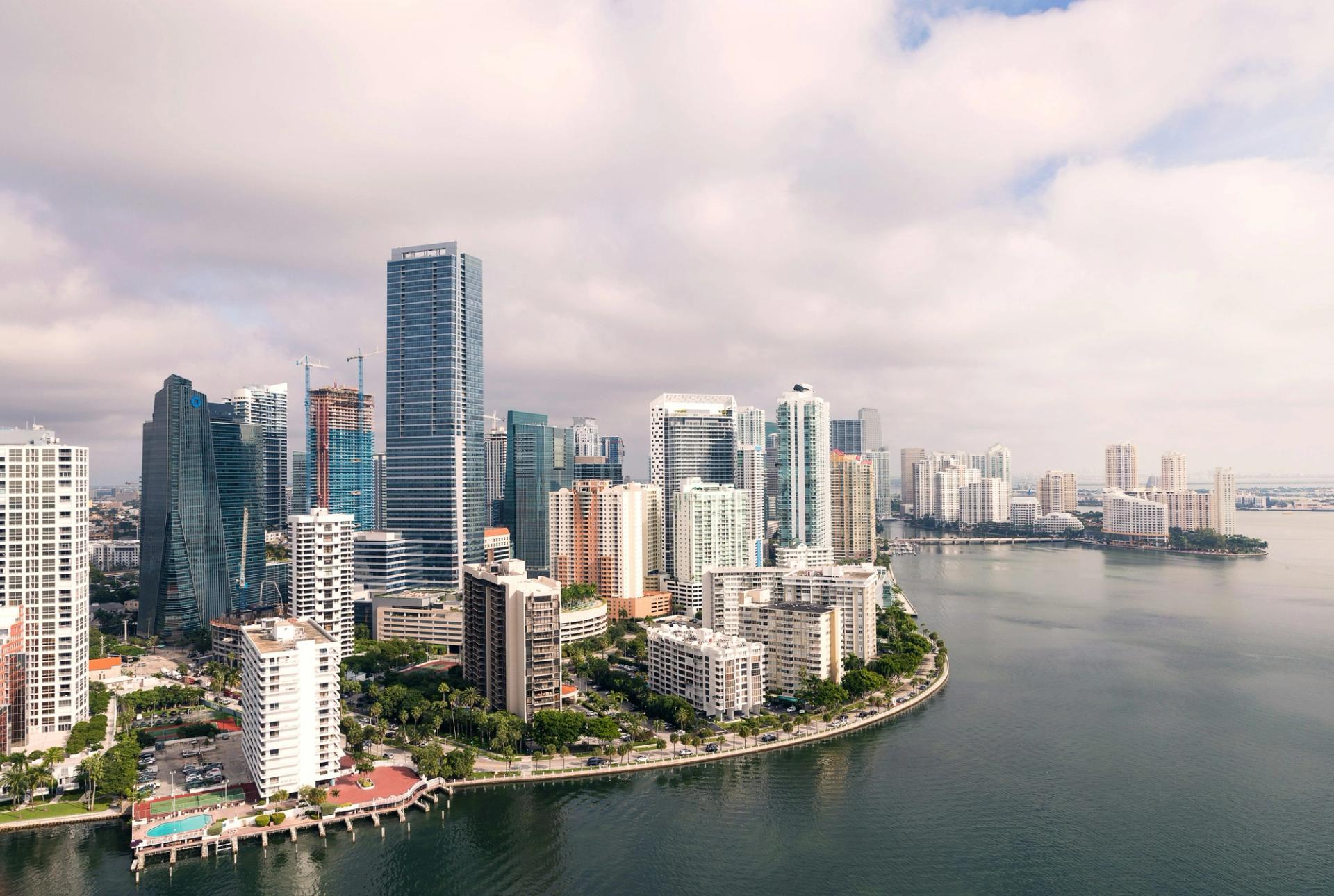
Brickell vs Miami Beach: Where to Buy a Condo
Brickell condos offer urban density with median rents of $4,750 per month and cap rates of 4-5%, while Miami Beach delivers beachfront lifestyle with 2-bedroom units renting for $4,000-$9,000 monthly and cap rates of 4-5.5%. The choice depends on whether you prioritize financial district convenience and investment returns (Brickell) or beach access and tourism appeal (Miami Beach).
Both neighborhoods dominate Miami's condo market, but they serve completely different buyers. Brickell attracts professionals, investors, and year-round residents who want walkable urban amenities. Miami Beach draws snowbirds, vacation rental investors, and buyers who value ocean access above all else. Your decision hinges on lifestyle preferences, rental strategy, and long-term value expectations.
Price Comparison: Purchase Costs and Value
Brickell's condo market spans from efficient studios in older buildings at $300,000 to luxury penthouses exceeding $5 million. The typical 2-bedroom condo in a modern high-rise costs $500,000-$1.5 million, with price per square foot ranging from $600-$900 for standard units and $1,000+ for luxury properties.
Miami Beach presents wider price variation due to geographic spread. South Beach commands premium pricing at $500,000-$2 million for 2-bedroom units, with ultra-luxury properties reaching $10 million and beyond. Mid-Beach and North Beach offer more accessible entry points at $400,000-$800,000 for similar-sized units. Beachfront buildings always carry a 30-50% premium over comparable properties one or two blocks inland.
The following table shows typical pricing by unit type:
HOA fees present another cost consideration. Brickell high-rises typically charge $700-$1,500 monthly for standard units, reflecting building amenities like rooftop pools, fitness centers, and concierge services. Miami Beach HOA fees run slightly higher at $800-$2,000 monthly, with beachfront buildings commanding $1,200-$3,000+ due to coastal insurance requirements and beach access maintenance.
Property taxes follow Miami-Dade County's effective rate of approximately 2% of assessed value. A $700,000 condo generates roughly $14,000 in annual property taxes before homestead exemption. Insurance costs diverge significantly between neighborhoods. Brickell condos average $1,500-$2,200 annually for HO-6 coverage, while Miami Beach properties face $2,000-$3,500 yearly premiums due to coastal flood zone designation and hurricane exposure.
Lifestyle and Daily Living Experience
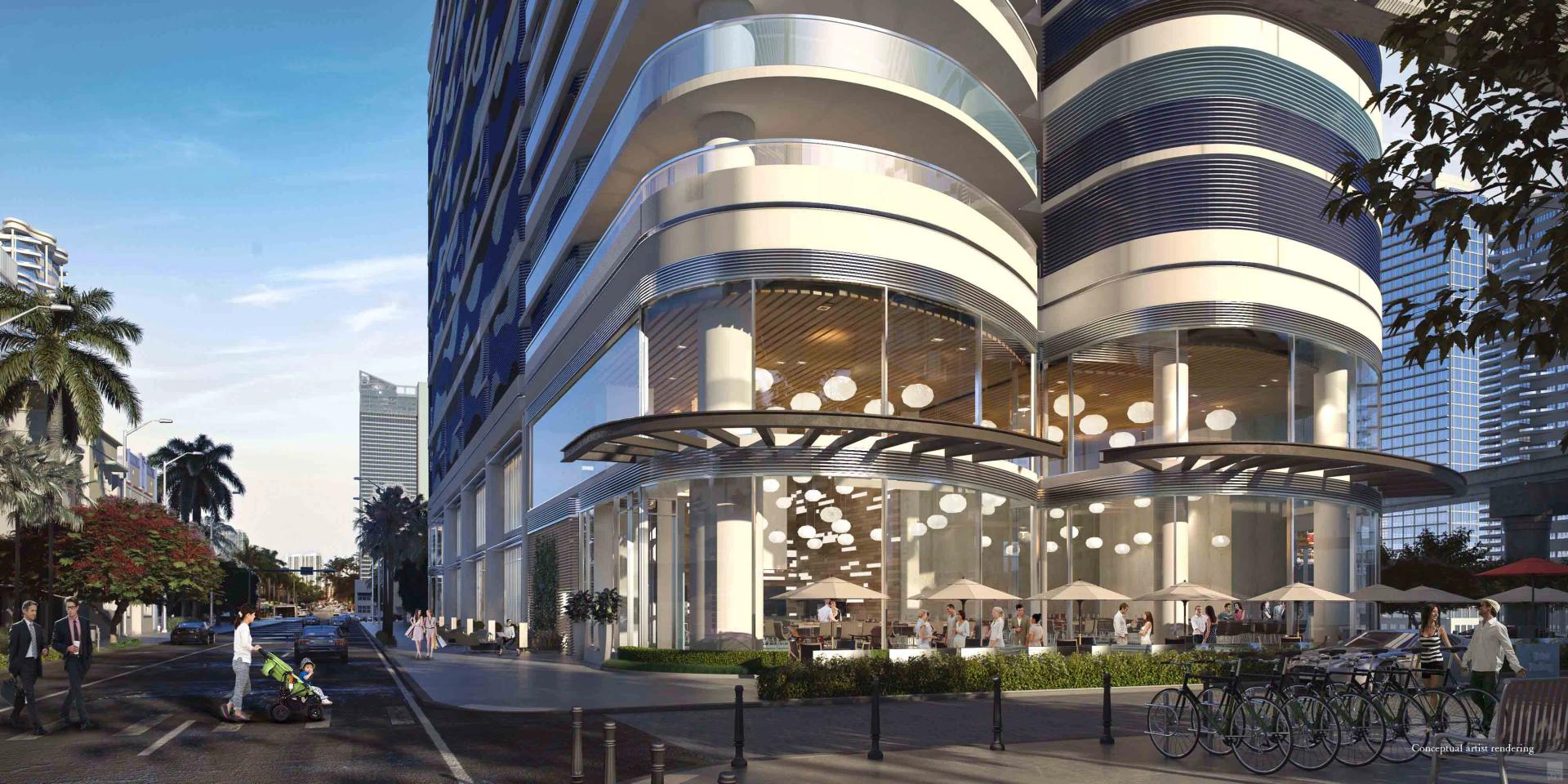
Brickell operates as Miami's financial district, resembling Manhattan's density and energy. The neighborhood features over 100 restaurants within walking distance, from casual Latin eateries to Michelin-caliber dining. Brickell City Centre provides 500,000 square feet of shopping, including Saks Fifth Avenue and dozens of specialty retailers. Most residents walk or use rideshare apps rather than driving, as traffic congestion makes car ownership optional.
The demographic skews younger and more diverse. Professionals in finance, tech, and consulting occupy weekday happy hours at rooftop bars. Latin American transplants create a bilingual environment where Spanish flows as freely as English. Nightlife thrives Thursday through Saturday, with clubs and lounges operating until 5 AM.
Miami Beach delivers the beach lifestyle that defines South Florida's appeal. Ocean access sits steps from your building, enabling morning swims and sunset walks as daily routines. The neighborhood attracts a more varied age range, including retirees, families, and seasonal residents who value outdoor recreation over urban intensity.
Lincoln Road and Ocean Drive provide tourist-heavy dining and entertainment, while residential areas on West Avenue and neighborhoods north of 23rd Street offer quieter residential character. Car ownership becomes more necessary, as beach parking challenges make walking preferable for local errands but driving essential for broader Miami access.
The snowbird population concentrates heavily in Miami Beach, particularly in buildings catering to Canadian and northeastern buyers. This creates seasonal community dynamics where winter brings full occupancy and summer sees reduced activity. If you're considering seasonal rental income, the Miami Snowbird Rentals Guide explains how to capitalize on this pattern.
Rental Income and Investment Potential
Brickell delivers consistent rental demand from young professionals and corporate relocations. Annual leases dominate the market, with 2-bedroom units commanding $4,500-$8,000 monthly depending on building quality, floor level, and bay views. Vacancy rates hover around 3-4%, among the lowest in Miami-Dade County.
Cap rates in Brickell range from 4-5%, reflecting strong fundamentals but competitive pricing. A $700,000 condo generating $5,500 monthly rent ($66,000 annually) produces approximately 4.7% gross returns before expenses. After HOA fees, property taxes, and insurance, net returns typically land at 2-3%, which aligns with stable urban core performance.
Short-term rentals face restrictions in most Brickell buildings. Many HOAs prohibit rentals under 6-12 months, limiting Airbnb potential. This protects long-term resident quality of life but reduces investor flexibility. Before purchasing for rental income, verify specific building policies. The Miami Condos with No Rental Restrictions article identifies investor-friendly properties across Miami.
Miami Beach offers higher rental income potential but with greater seasonality. Annual leases generate $3,800-$6,500 monthly for 2-bedroom units, slightly below Brickell rates. However, short-term vacation rentals can produce $200-$400 nightly during peak winter season, translating to $6,000-$12,000 monthly from December through March.
The vacation rental strategy requires more management intensity and faces regulatory complexity. Miami Beach enforces strict short-term rental ordinances, and many condo associations prohibit rentals under 6 months. Buildings that do allow short-term rentals often see higher HOA fees due to increased common area wear and administrative costs.
Cap rates in Miami Beach range from 4-5.5%, with the higher end reflecting buildings that permit flexible rental terms. Appreciation potential historically favors beachfront properties, as ocean access carries permanent scarcity value. However, climate change concerns and insurance cost escalation create long-term uncertainty that didn't exist a decade ago.
The following table compares investment metrics:
For comprehensive investment strategy covering both neighborhoods, review the Miami Real Estate Investment Guide, which addresses cash flow analysis, tax benefits, and market timing considerations.
Location and Accessibility
Brickell sits 15 minutes from Miami International Airport, making it the most convenient neighborhood for frequent travelers. The Metrorail and Metromover provide public transit connections, though most residents rely on rideshare services. Downtown Miami sits immediately north, Coconut Grove lies south, and Coral Gables borders to the west. This central position enables 20-30 minute drives to most Miami destinations.
Beach access requires a 15-20 minute drive across the MacArthur or Venetian Causeways, which experience significant traffic during peak hours and weekends. Water views in Brickell showcase Biscayne Bay rather than ocean, offering beautiful sunrises and city skyline perspectives but lacking the Atlantic's wave action and horizon.
Miami Beach connects to mainland Miami via five causeways, creating natural traffic bottlenecks during rush hours. The drive to Miami International Airport takes 25 minutes without traffic but can extend to 45-60 minutes during peak periods. Fort Lauderdale airport sits 35 minutes north, providing an alternative for international travelers.
The barrier island geography creates both appeal and limitation. Ocean access is immediate and constant, but every mainland destination requires causeway crossing. Grocery shopping, medical appointments, and business meetings all involve bridge traffic that mainland residents avoid. Some buyers embrace this separation as desirable isolation, while others find it constraining.
Building Types and Amenities
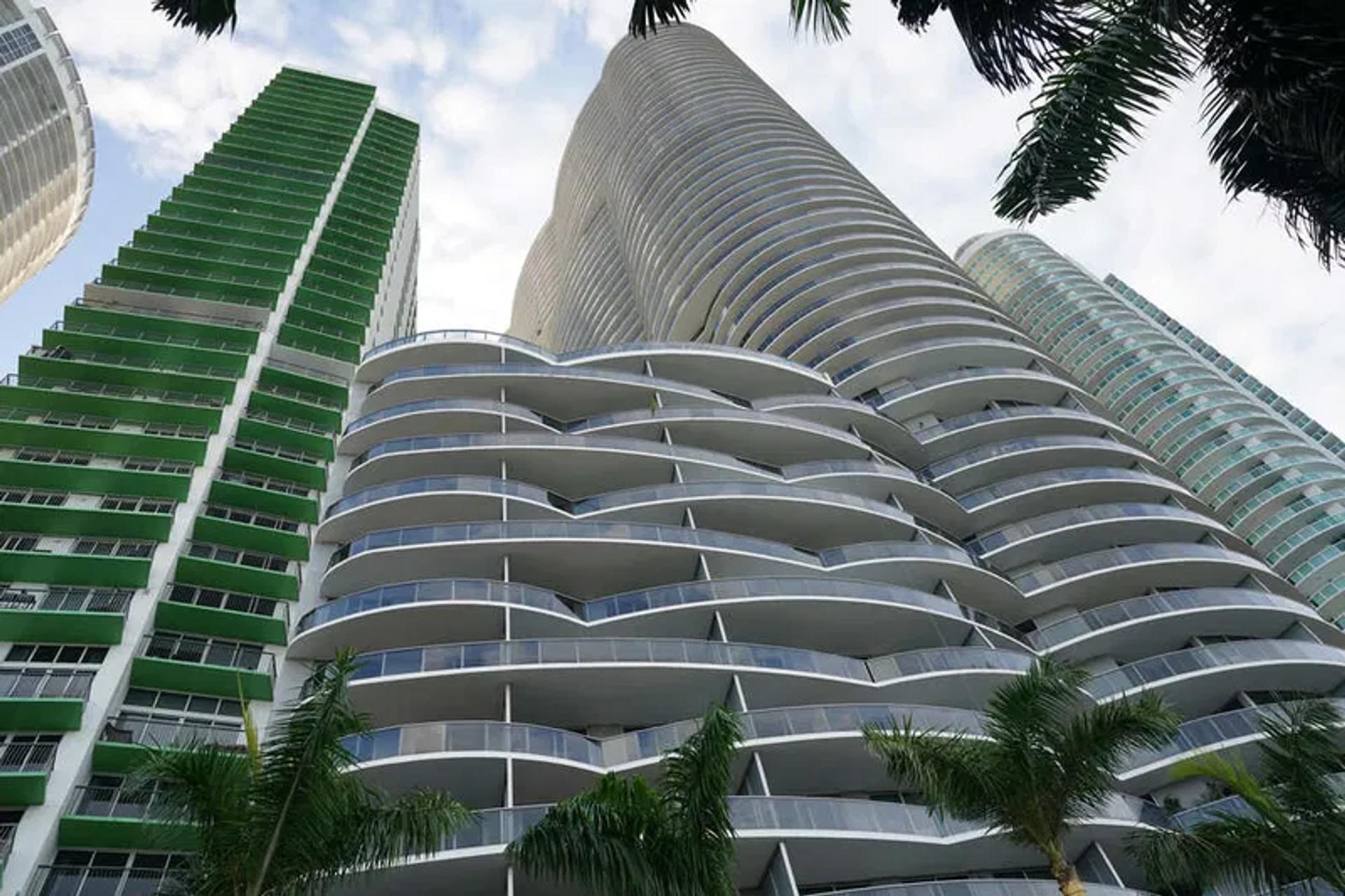
Brickell's condo inventory consists almost entirely of high-rise towers constructed from 2000-2025. Buildings typically rise 40-60 stories, with units featuring floor-to-ceiling windows, modern finishes, and efficient layouts maximizing space. Amenity packages compete aggressively, offering resort-style pools, state-of-the-art fitness centers, coworking spaces, dog parks, and restaurant-quality grills.
Notable Brickell buildings include Icon Brickell, Brickell Heights, SLS Lux, and Edge on Brickell. Most developments include retail and dining on ground floors, creating mixed-use environments where residents shop and dine without leaving the building. This vertical density appeals to buyers who value convenience and don't require significant square footage.
Miami Beach presents more architectural variety. Art Deco buildings from the 1930s-1940s offer unique character and lower HOA fees but lack modern amenities and require tolerance for older mechanical systems. Mid-century buildings from the 1950s-1970s blend affordability with ocean proximity. Modern glass towers constructed since 2000 match Brickell's amenity levels while adding beach access.
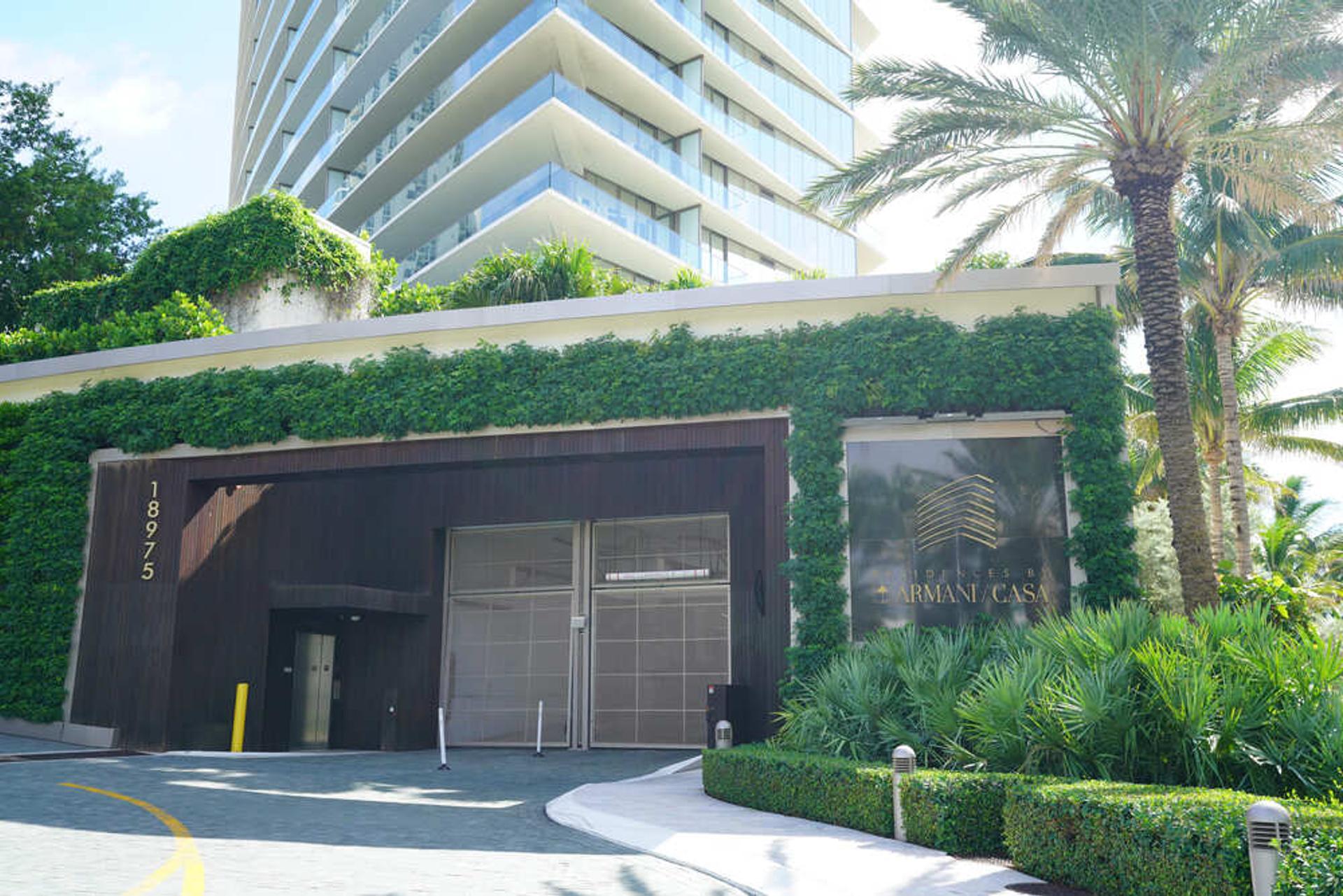
Beachfront buildings in Miami Beach command significant premiums but deliver unmatched lifestyle value. Direct beach access, ocean-view balconies, and sunrise visibility create experiences that urban high-rises cannot replicate. However, these properties face higher insurance costs, stricter building codes, and greater exposure to hurricane damage.
The Miami Condo HOA Fees Guide breaks down cost differences between building types and explains what amenities justify higher monthly fees.
Who Should Choose Brickell
Brickell suits buyers who prioritize urban convenience, professional networking, and year-round residency. Young professionals working in Miami's financial district save commute time and enjoy walkable access to colleagues and career opportunities. Investors seeking stable rental income from long-term tenants find reliable demand and predictable cash flow.
International buyers, particularly from Latin America, gravitate toward Brickell's cosmopolitan environment and Spanish-language comfort. The neighborhood feels familiar to residents from Bogotá, Buenos Aires, or São Paulo, easing cultural transition. Banking services, legal professionals, and business infrastructure cater explicitly to cross-border transactions and international clients.
Canadians who plan to work remotely part-time appreciate Brickell's business-friendly environment and reliable internet infrastructure. The neighborhood provides coworking spaces, conference rooms, and professional services that support digital nomad lifestyles. If you're relocating permanently from Canada rather than maintaining seasonal residence, the Canadian Guide to Buying Miami Real Estate covers visa considerations, tax implications, and financing options.
Who Should Choose Miami Beach
Miami Beach attracts buyers who value ocean access as non-negotiable. Retirees and snowbirds who prioritize beach walks, swimming, and outdoor recreation choose Miami Beach without hesitation. The neighborhood delivers the Florida lifestyle that drives relocation decisions, offering daily beach experiences that justify higher costs and location trade-offs.
Vacation rental investors with strong management capabilities or local partners can generate exceptional returns in buildings that permit short-term rentals. The tourism demand remains consistent, particularly during winter months when northern visitors seek warm weather escapes. However, this strategy requires understanding local regulations and building restrictions.
Families with school-age children find Miami Beach's residential neighborhoods north of Lincoln Road offer better options than Brickell's density. Parks, recreation facilities, and community programming create family-friendly environments. Beach access provides free entertainment and outdoor activity that benefits children and teenagers.
Buyers who treat their Miami condo as a second home rather than primary residence often prefer Miami Beach's vacation atmosphere over Brickell's business environment. The beach setting creates psychological separation from work and daily routine, enhancing the property's role as a relaxation retreat.
Making Your Decision
The Brickell versus Miami Beach choice ultimately reflects your Miami purpose. If you're buying for investment returns, full-time residence, or professional convenience, Brickell delivers superior fundamentals. If you're seeking beach lifestyle, seasonal use, or vacation rental income, Miami Beach justifies its premium pricing.
Visit both neighborhoods at different times and days before deciding. Walk the streets during weekday mornings, weekend afternoons, and evening hours. Eat at local restaurants, browse shops, and observe the residents to assess cultural fit. Brickell's energy peaks during business hours, while Miami Beach shows best on sunny weekend days.
Consider the five-year outlook for your purchase. Brickell's development pipeline continues adding inventory, which may pressure pricing but improves amenities and retail options. Miami Beach faces limited new construction due to land constraints, supporting price stability but offering fewer new building choices.
Pink Miami specializes in both Brickell and Miami Beach properties, providing buyer representation that helps you access off-market listings and negotiate favorable terms. Our team understands the distinct advantages each neighborhood offers and matches clients with properties that align with their goals. Explore current inventory at pinkmiami.com to compare available condos in both neighborhoods.