
FL
Bal HarbourCity Guide
One mile of beach, one mall, 3,000 residents at Haulover Inlet.
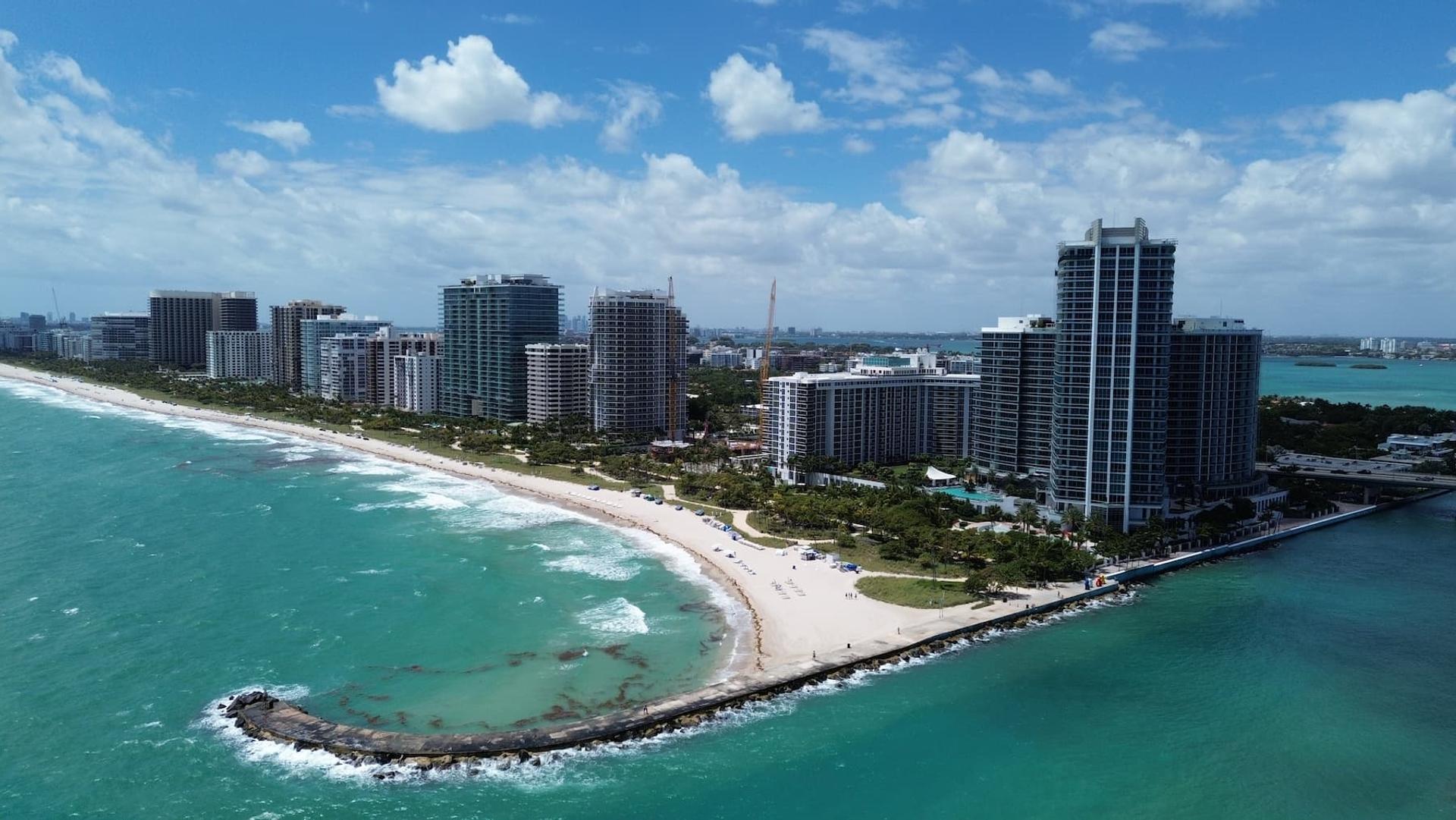
Bal Harbour is a 0.64-square-mile village at the northern tip of the Miami Beach barrier island, bounded by Haulover Inlet to the north, Surfside at 96th Street to the south and Biscayne Bay to the west. A Detroit syndicate led by Robert C. Graham bought the land in 1929, leased it to the Army Air Corps for a dollar a year during the Second World War, and incorporated the village on August 14, 1946; the name splices “bay” and “Atlantic” because the plan ran from one shore to the other. The Census Bureau’s 2025 estimate puts the population at 3,036, and the 2024 American Community Survey counts 43% of the village’s 3,741 homes as seasonal, which is why Collins Avenue feels emptier in August than the towers suggest.
Is Bal Harbour a good place to live?
For a buyer who wants a quiet, staffed oceanfront base with a luxury mall as the town square, yes, and the trade-offs are unusually clear. Almost everything for sale is a condo on Collins Avenue; the only houses sit in a guard-gated grid west of Collins (Bal Bay, Bal Cross, Camden and Park Drives) entered through Harbour Way, where owners also pay a $6,500-a-year security and landscape assessment. There is no school, no supermarket and no standalone bar inside the village: the nearest Publix is at 9400 Harding Avenue in Surfside, children are zoned to Ruth K. Broad Bay Harbor K-8 across the Broad Causeway, and evenings mean the St. Regis Bar or a drive. The median age is 53.8, about four in ten residents were born abroad, and the village budget describes a police force of 28 sworn officers that logged two violent crimes in 2024. Browse homes for sale in Bal Harbour to see what the inventory actually looks like.
Bal Harbour condos: the buildings to know
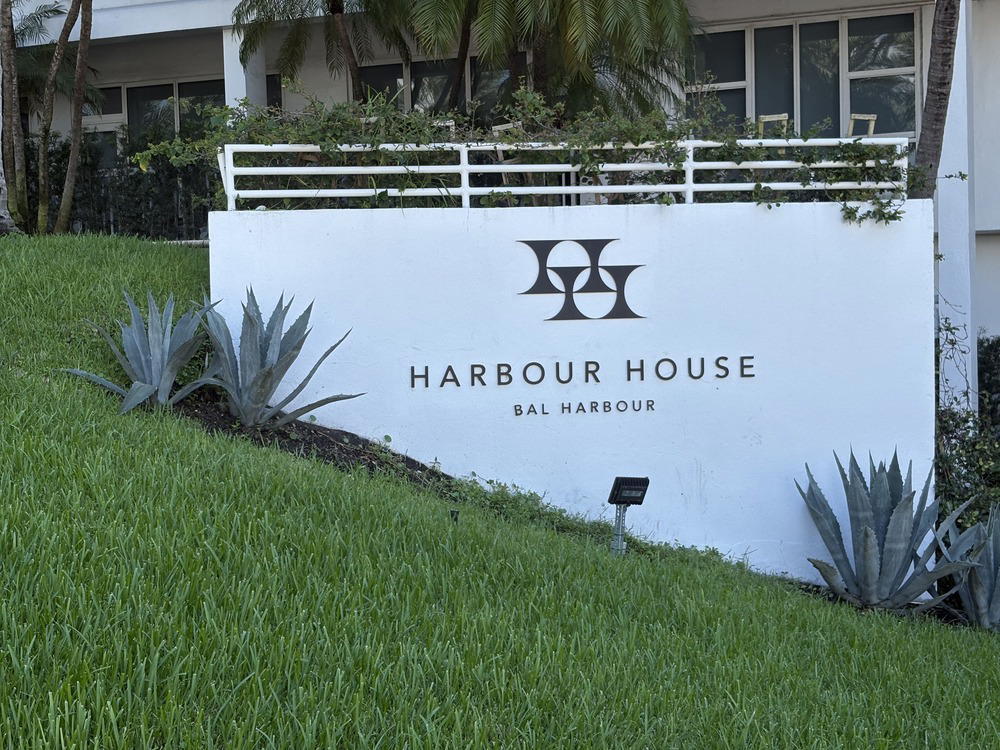
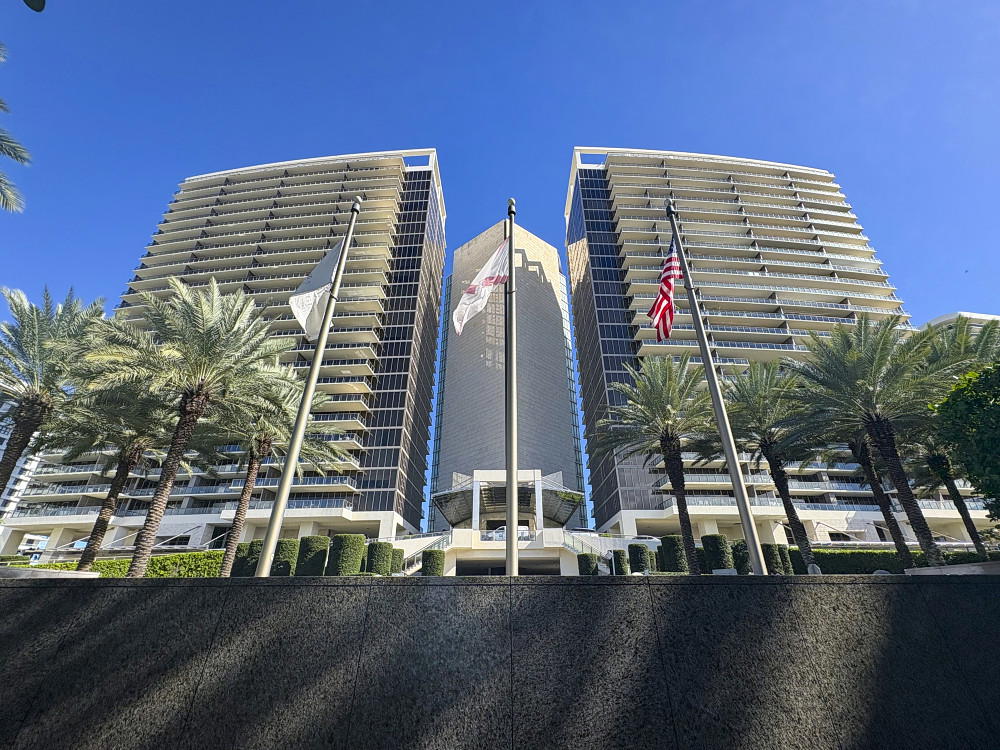
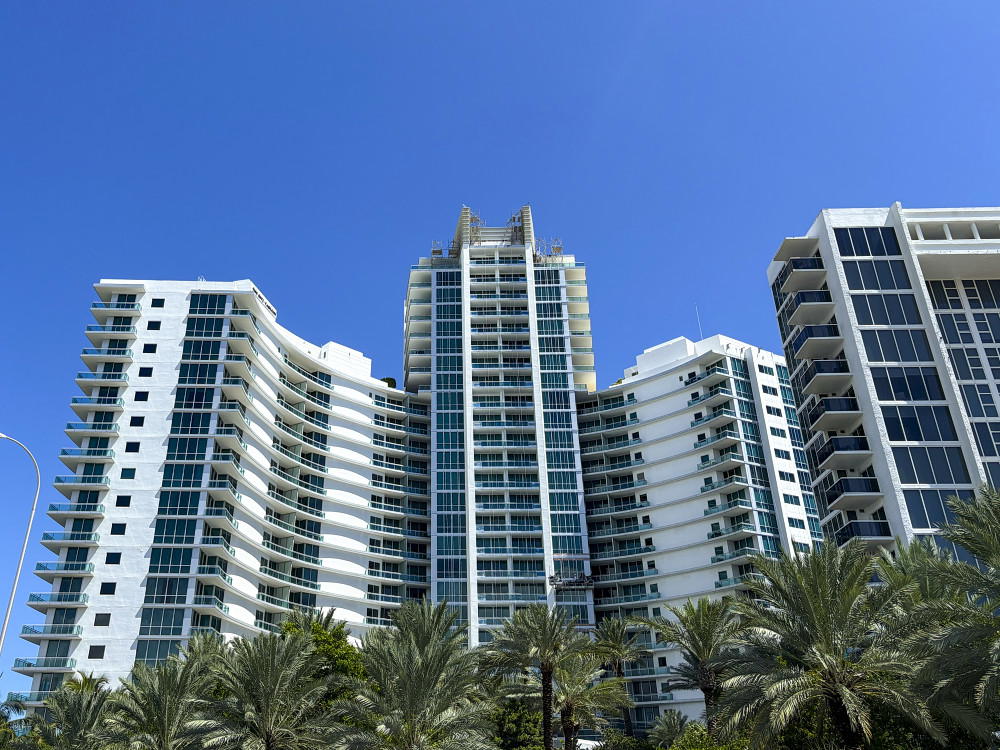
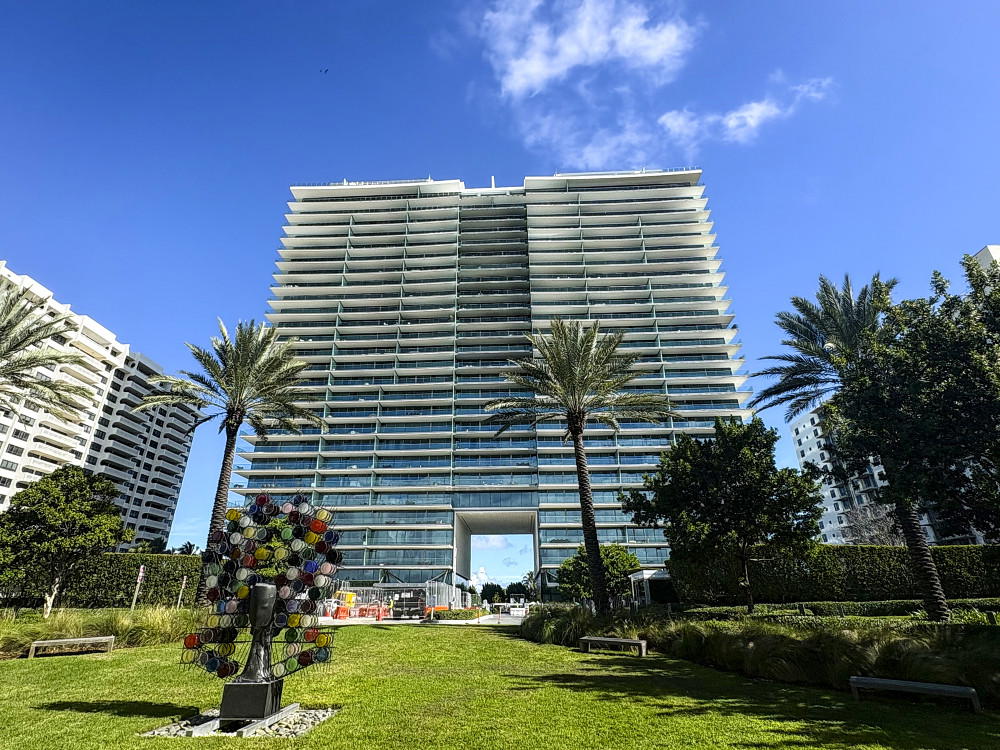
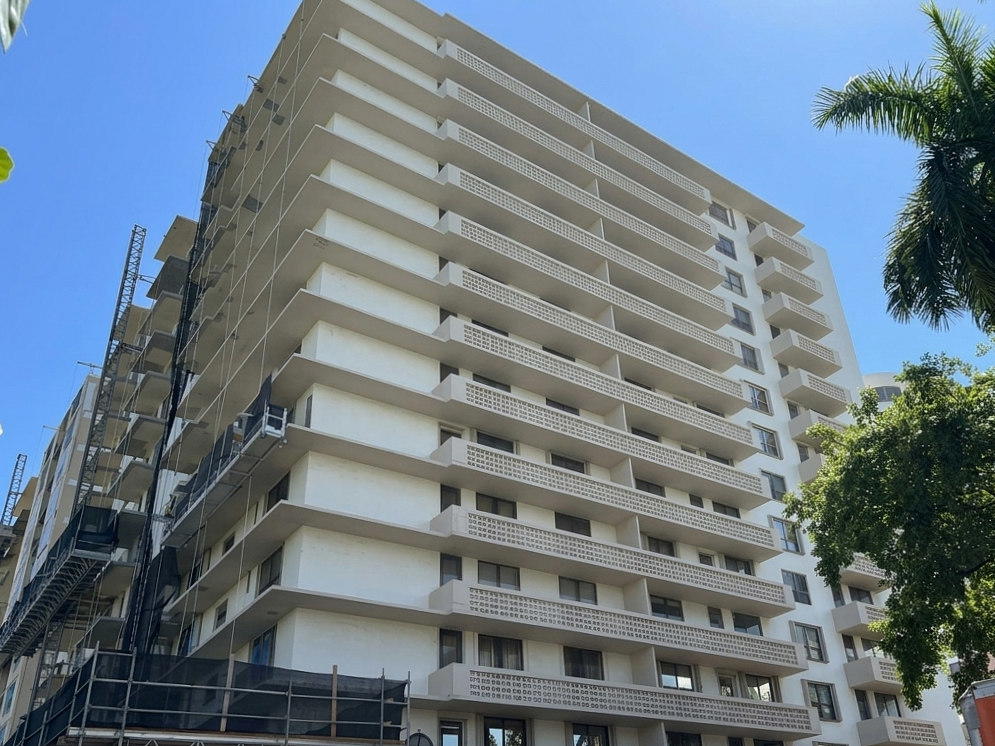
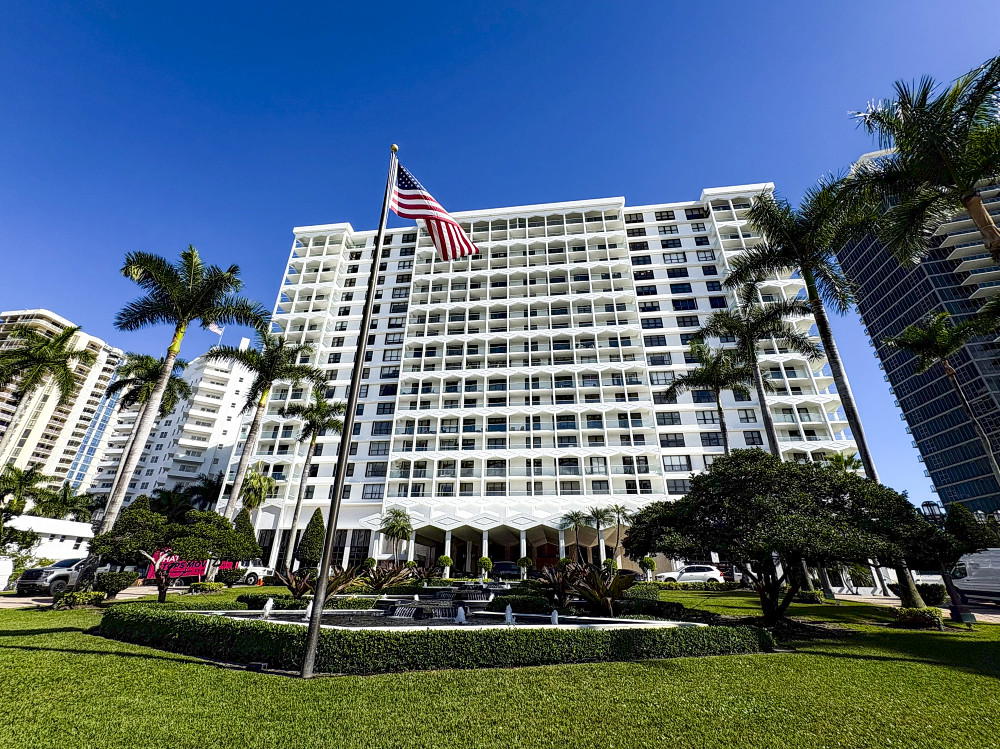
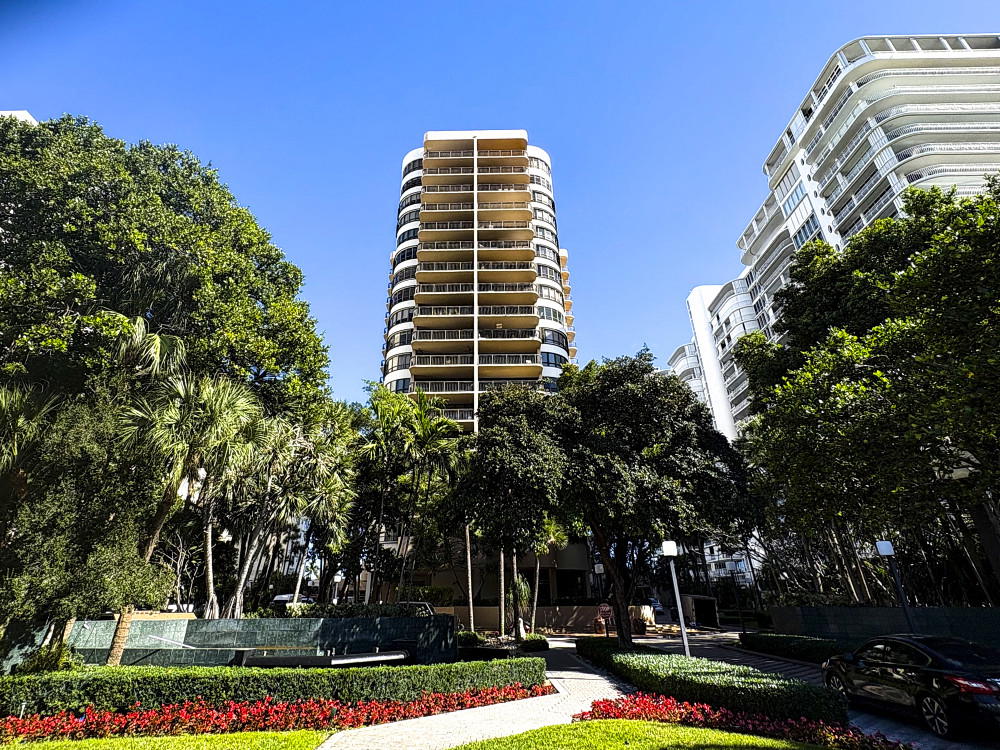
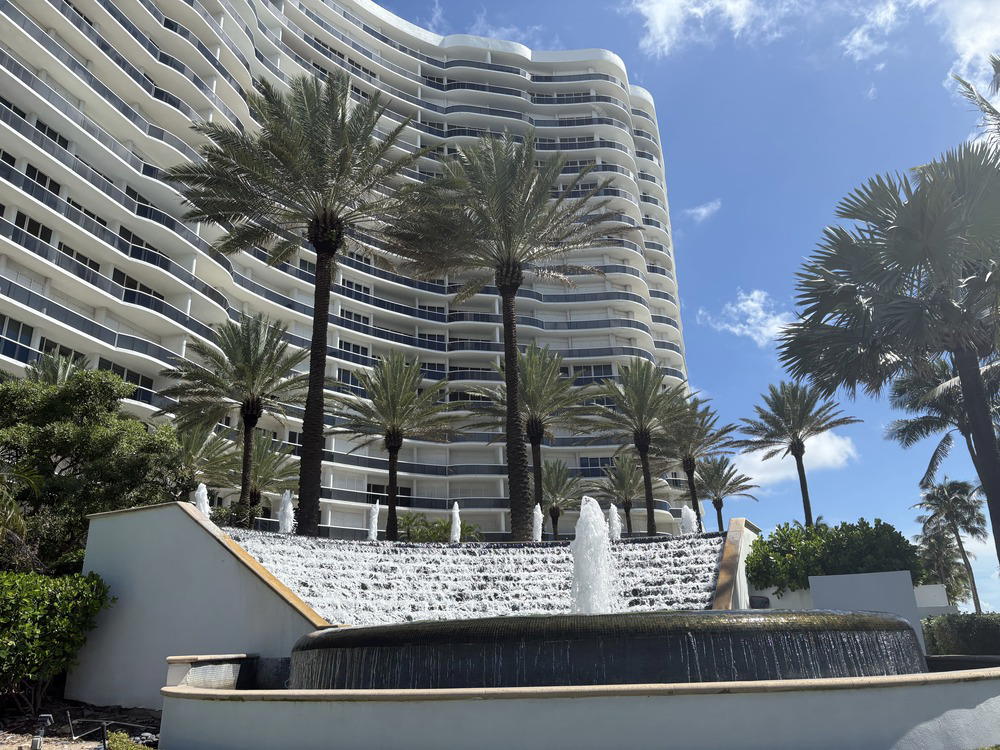
The market runs in tiers, and the building matters more than the street. St. Regis Bal Harbour (2010, resort and residences) and Oceana Bal Harbour (2017) set the top: over the 12 months to September 2026 three-bedroom condos across the village had a median sale price of $4,987,500 and four-bedrooms $4,725,000. Below them sit One Bal Harbour (2007, the residences above the Ritz-Carlton, whose hotel half is closed for renovation until January 2027) and Harbour House, then the 1960s to 1980s towers such as the Plaza (1963), Balmoral and Bal Harbour 101 (both 1977) and the Tiffany of Bal Harbour (1982), where one-bedrooms had a median of $592,500 and two-bedrooms $1,550,000 over the same period. Rivage Bal Harbour, a 56-unit, 25-storey Related Group and Two Roads tower at 10245 Collins Avenue designed by SOM, is under construction on what its developers call the last beachfront site in the village; no completion date had been published as of July 2026.
How does Bal Harbour compare to Surfside, Bay Harbor Islands and Sunny Isles Beach?
Bal Harbour is the most expensive municipality on this stretch of coast by a wide margin. As of August 2026 its median sale price was $1,825,000 at $1,095 per square foot, against $1,350,000 and $754 per foot in Surfside, $660,000 and $451 in Bay Harbor Islands, $660,000 and $464 in Sunny Isles Beach and $640,000 and $575 across Miami Beach. Surfside, directly south, is the closest cousin: a low-rise town with a walkable Harding Avenue strip, its own Publix and a broader mix of buildings. Bay Harbor Islands, across the Broad Causeway, trades the ocean for bay-front houses with docks and the K-8 school. Sunny Isles Beach, north of Haulover, is the high-rise, staff-heavy version of the same oceanfront at less than half the price per foot. Aventura, inland across the Lehman Causeway, is the suburban alternative at a third of the price per foot, with a car for everything.
Condo buyers: many Bal Harbour towers date from the 1960s to 1980s, so ask for the milestone inspection report and the Structural Integrity Reserve Study before you offer, and compare the reserve line in the budget with the study’s recommendation. August 2026 closings went for a median 87% of list price and 166 of the 425 active listings had already cut their price, so a well-run older building is negotiable.
Bal Harbour is a resort strip that chose to be run as a village: one mall, one mile of beach, and a council that raises its own tax rate to keep the skyline where it is.
Key Details
What makes Bal Harbour special
What to Expect
A village of 3,036 people (Census 2025 estimate) on 0.38 square miles of land, where the median age is 53.8, about 41% of residents were born abroad and 43% of homes are seasonal, so the towers are fullest between December and April. Daytime life revolves around Bal Harbour Shops and the beach path; after dark the only options inside the village are hotel bars. It is quiet by design, and residents like it that way.
The Market
As of August 2026 the median sale price was $1,825,000 at $1,095 per square foot, up 37% year-over-year on price and 44% on price per foot, though that rests on eight closings with a median 107 days on market. Over the 12 months to September 2026 the village-wide median was $1,700,000 at $950 per foot: $435,000 for studios, $592,500 for one-bedrooms, $1,550,000 for two, $4,987,500 for three and $4,725,000 for four. Buyers hold the leverage: 425 active listings against eight August sales is roughly 44 months of inventory, 166 of those listings had cut their price, and August closings went for a median 87% of list.
Cost of Ownership
The August 2026 median HOA fee on sold condos was $2,272 a month, about $1.40 per square foot, in line with Surfside ($1.42) and above Bay Harbor Islands ($1.08), Sunny Isles Beach ($1.18) and Miami Beach ($1.29); over the past year two-bedrooms carried a median $2,393 and three-bedrooms $5,692, and gross rental yield stood at 6.5%. The village’s FY2025-26 millage of 2.1439 mills is among the lowest in Miami-Dade, but the council is weighing 2.5132 mills for FY2026-27, mostly to fund a $4 million legal defense against the towers proposed at Bal Harbour Shops. The 2025 homestead exemption is $50,722, and most of the village sits in a FEMA AE flood zone where NFIP policies carry a 10% community discount.
Two Bal Harbours
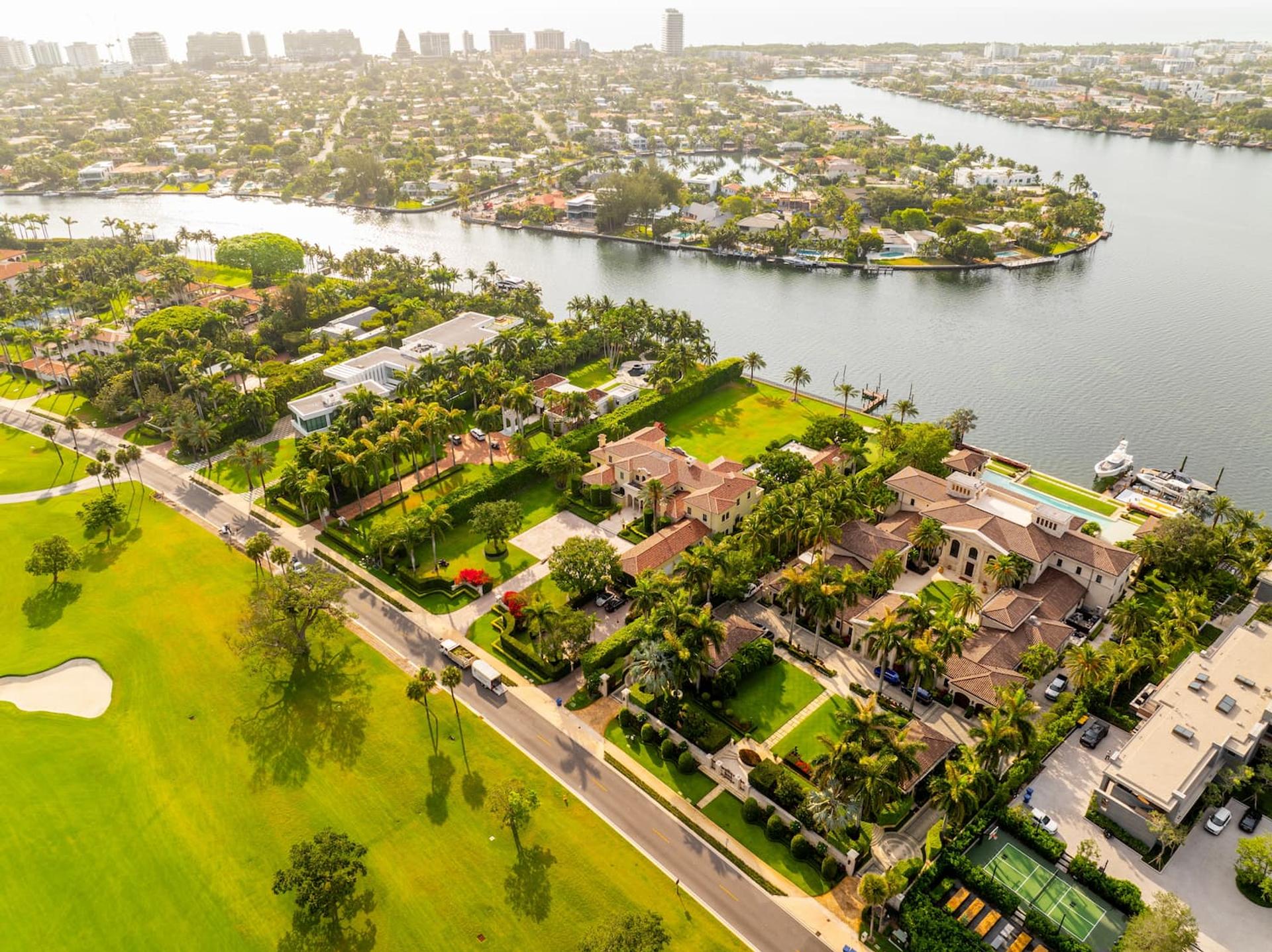
East of Collins Avenue is the condo and resort strip: about a mile of oceanfront towers from the St. Regis at 97th Street to the Ritz-Carlton at the inlet, with Bal Harbour Shops as the village’s only commercial zone. West of Collins, behind a 24-hour guard gate on Harbour Way, is a small grid of single-family streets (Bal Bay, Bal Cross, Camden and Park Drives) with bay and canal frontage, deep-water dockage on some lots, the private Bal Harbour Yacht Club and a $6,500-a-year security and landscape assessment per home. Houses are a small fraction of the housing stock, so most searches start with a building, not a street.
Who It’s For
Second-home and relocating buyers who want hotel-grade service, a doorman and a beach path, and who are content to drive for groceries, schools and nightlife; the 2026 buyer mix described by local brokers is international, New York and California relocations, family offices and retirees, mostly paying cash. Families can make it work with Ruth K. Broad K-8 and Waterfront Park, but they are choosing against a car-free life. It suits neither budget buyers (studios are the only tier under $500,000) nor investors counting on short-term rentals, which many buildings restrict.
Getting Around
Walk Score rates 9700 Collins Avenue 80 (Very Walkable) and 70 for biking, and the village runs a free, app-based Freebee service seven days a week to Bal Harbour Shops, the Surfside Publix, Bay Harbor’s Kane Concourse and Haulover. Metrobus Route 100 runs Collins Avenue between Downtown Miami and Aventura Mall, Route 125 crosses to North Miami, and there is a Citi Bike dock at the 96th Street beach entrance. Everything else is a car trip: MIA is 17 miles and FLL 20 miles, Collins Avenue (A1A) is the only through road, and the Shops’ main entrance at 9700 Collins has been closed for expansion construction since February 27, 2026, so use the 96th Street garage or the 9800 Collins entrance.
Schools
There are no schools inside Bal Harbour. Public students are zoned to Ruth K. Broad Bay Harbor K-8 Center in Bay Harbor Islands (GreatSchools 10/10, about 1,250 students, gifted programme) and Miami Beach Senior High (GreatSchools 5/10, with International Baccalaureate and AP). The private options families use are Scheck Hillel Community School in North Miami Beach (early childhood to grade 12) and Miami Country Day School (PK to 12), both a drive across the causeways.
Safety & Storm Risk
Bal Harbour funds a police department of 28 sworn officers for about 3,000 residents, reported two violent crimes in 2024, and patrols the beach, the Shops and the gated section by bike, golf cart, ATV and boat; reported Part 1 crimes, a count that includes shoplifting, rose from 95 in 2016 to 189 in 2025 as retail traffic grew. The bigger exposure is water: the village is in Miami-Dade storm surge planning zone B (evacuation for Category 2 and above) and most of it sits in FEMA’s Special Flood Hazard Area. The response is visible: 191,750 cubic yards of sand rebuilt the beach in 2025, a $31.7 million jetty and seawall project at the inlet is due to start construction in late 2026, and a new stormwater pump station is scheduled for early 2027.
Notable Addresses
Buildings in Bal Harbour
Recently Listed
For Sale in Bal Harbour


 21
21 60
60 26
26Recently Listed
For Rent in Bal Harbour


 14
14 8
8Lifestyle & Highlights
The best of Bal Harbour
Where to Eat
Bal Harbour’s restaurants live inside Bal Harbour Shops and the St. Regis; there is no restaurant row. The 2026 lineup changed more than it had in a decade: Le Zoo, Aba and La Goulue are gone, Stephen Starr’s Slim’s and a relocated China Grill took their places, and the St. Regis added a steakhouse. Miami Spice runs in the village from September 1 to 30, 2026.
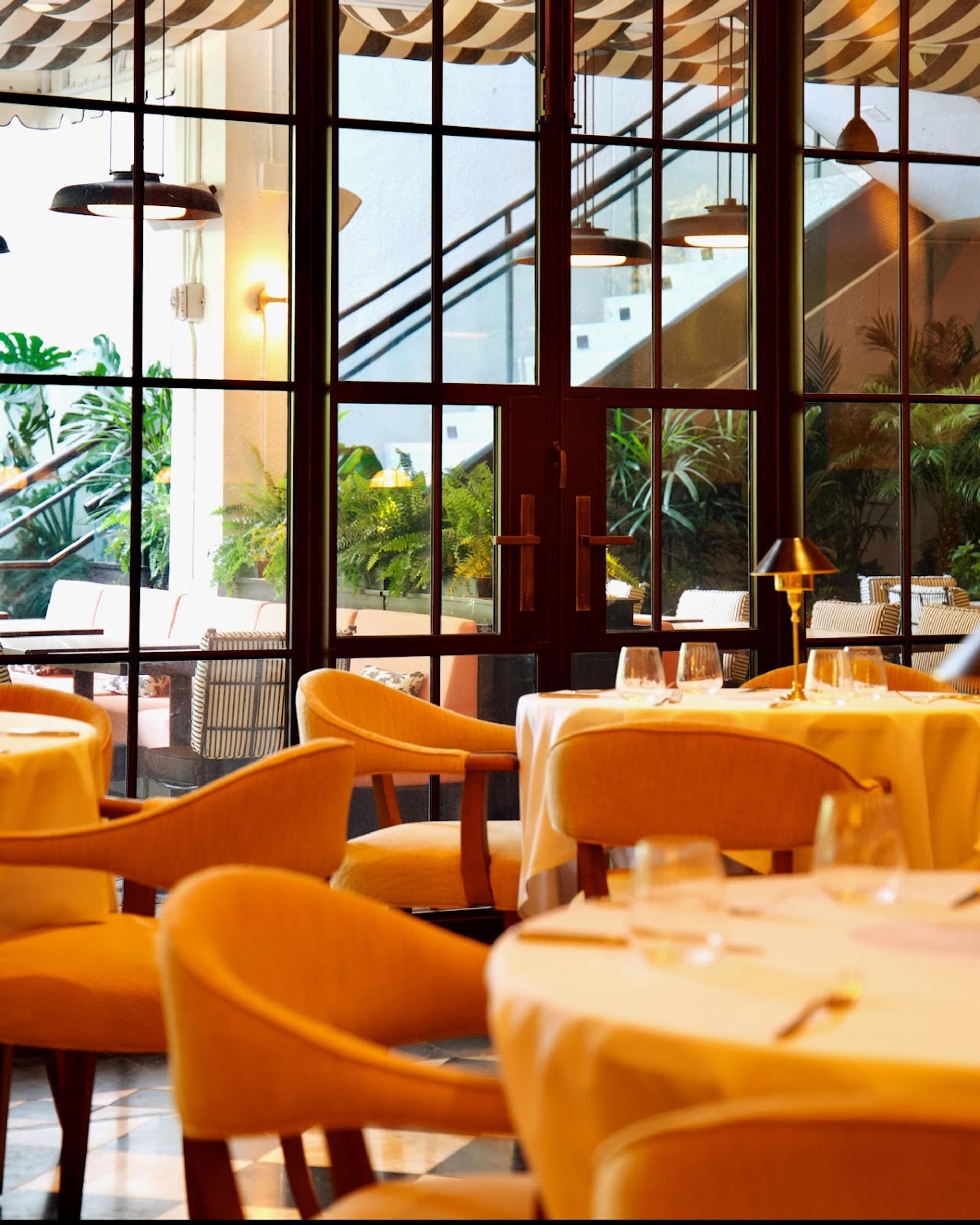
Slim’s
Stephen Starr’s Hollywood-golden-age steakhouse opened in March 2026 in the original Makoto space: prime cuts, a raw bar and caviar service under vintage murals. Lunch on weekdays, dinner nightly.
9700 Collins Ave, Bal Harbour, Level 3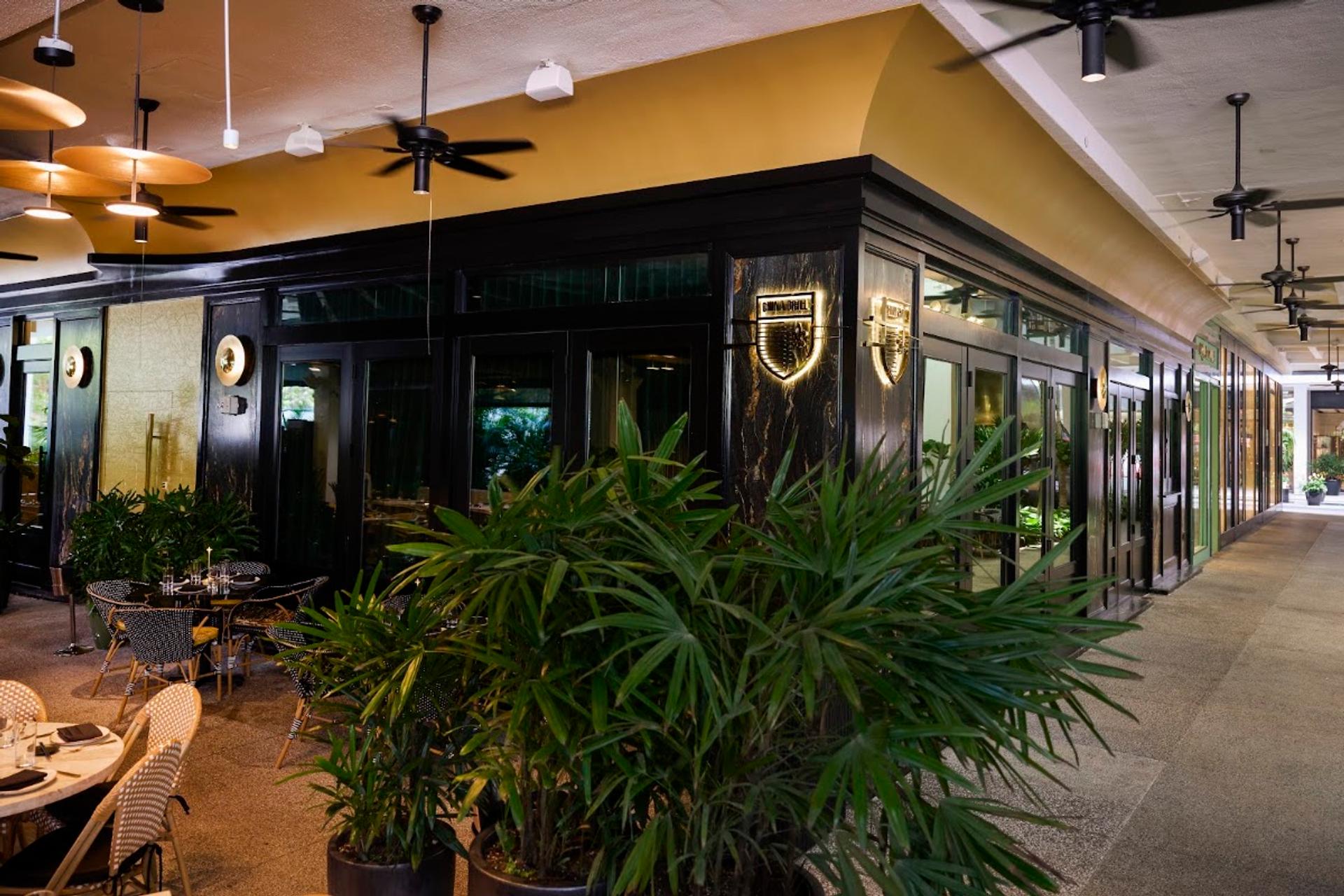
China Grill
Jeffrey Chodorow’s South Beach institution moved north into the former Le Zoo space at the Shops’ entrance. Open until midnight on Fridays and Saturdays, which counts as late in Bal Harbour.
9700 Collins Ave, Bal Harbour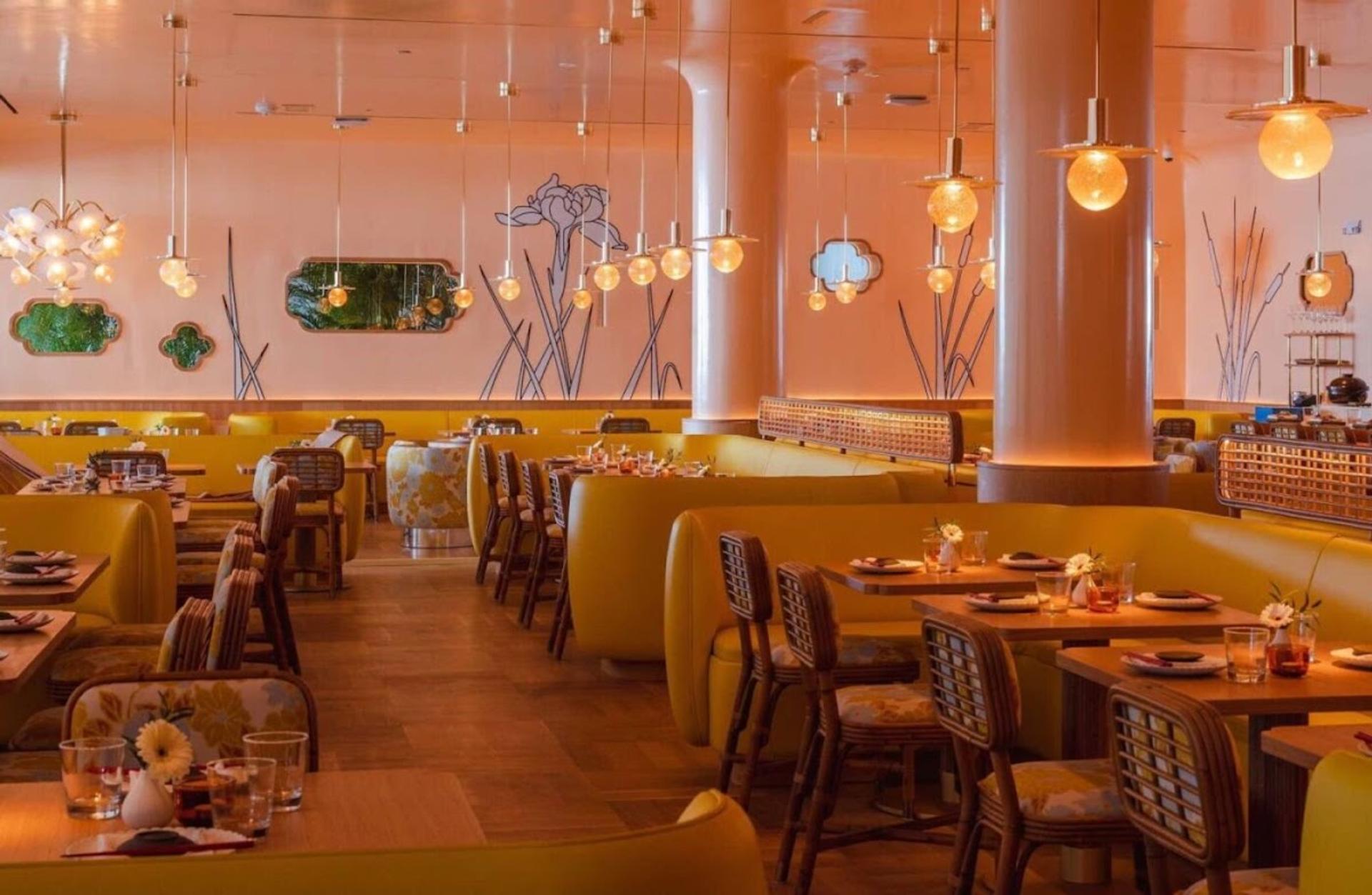
Makoto
Chef Makoto Okuwa’s Edomae sushi and robata grill, now on Level 3 after giving up its original room to Slim’s. The terrace is the best lunch seat in the Shops.
9700 Collins Ave, Bal Harbour, Level 3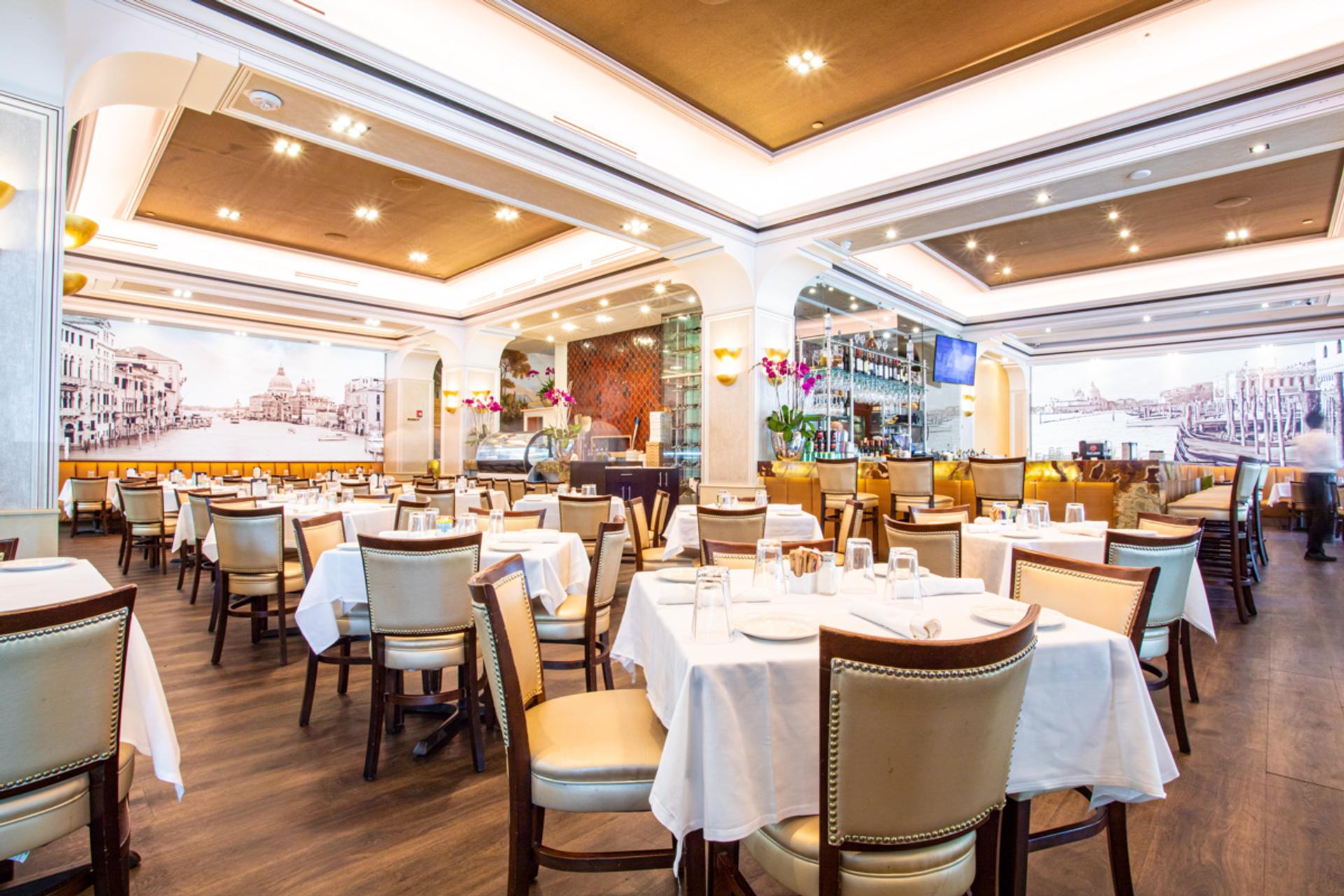
Carpaccio
Twenty-eight years at the Shops and still the village’s power lunch: crisp pizza Margherita, the Riviera salad and beef and fish carpaccios on a people-watching terrace.
9700 Collins Ave, Bal HarbourAtlantikós
The St. Regis’s blue-and-white Greek room now serves breakfast and lunch only, until 4:30pm, with shared plates and the Atlantic behind the glass. A Miami Spice lunch participant in September 2026.
9703 Collins Ave, Bal Harbour (St. Regis)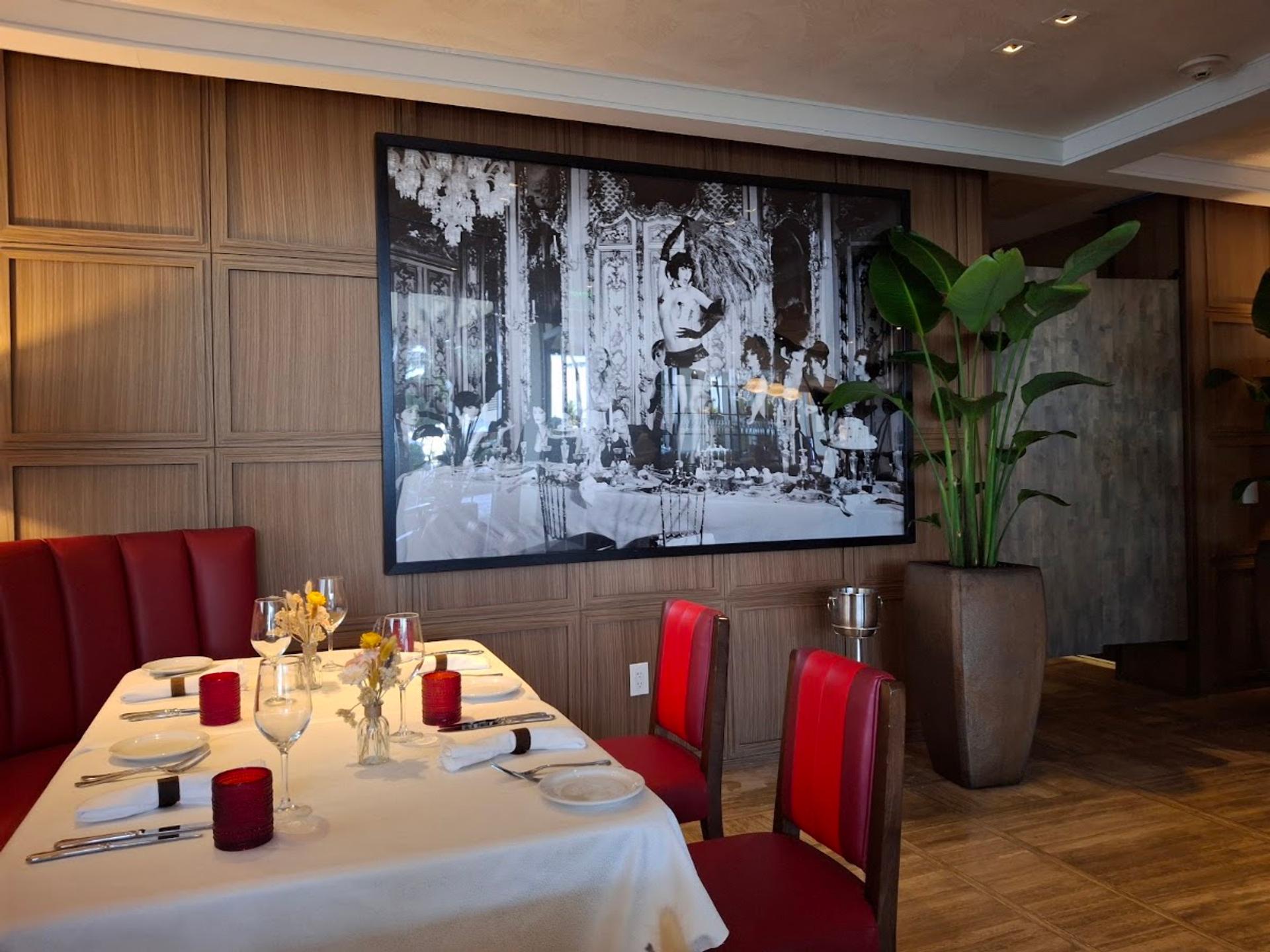
BH Prime
The St. Regis’s new dinner-only steakhouse, open 6pm to 11pm, which took over evening service from Atlantikós.
9703 Collins Ave, Bal Harbour (St. Regis)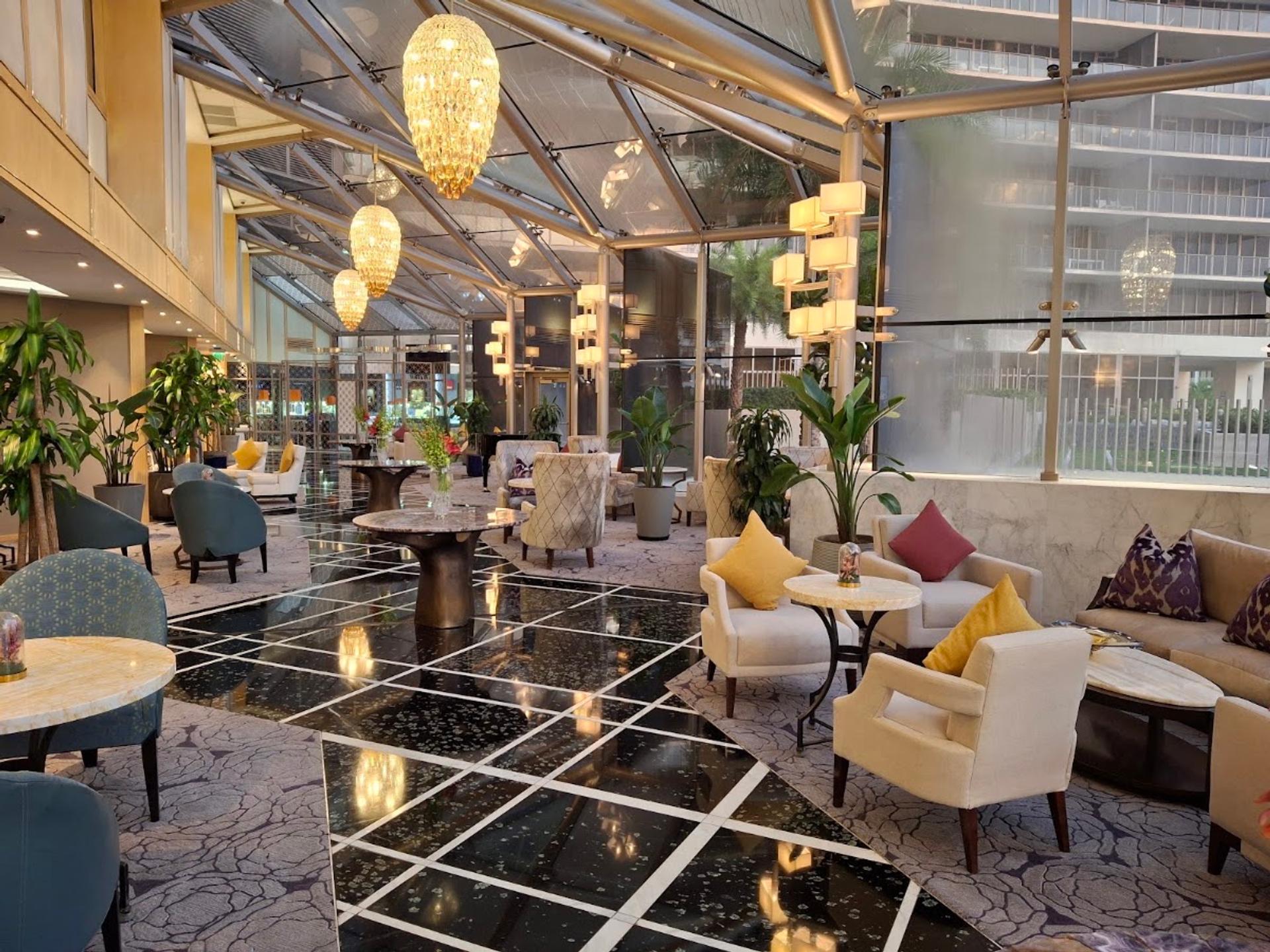
La Gourmandise
Ocean-view all-day dining and the St. Regis afternoon tea, with more than 30 teas on the list; book a day ahead.
9703 Collins Ave, Bal Harbour (St. Regis)Coffee & Casual
Coffee inside the village means the Shops or a hotel counter. For a proper café strip, walk ten minutes south to Harding Avenue in Surfside.
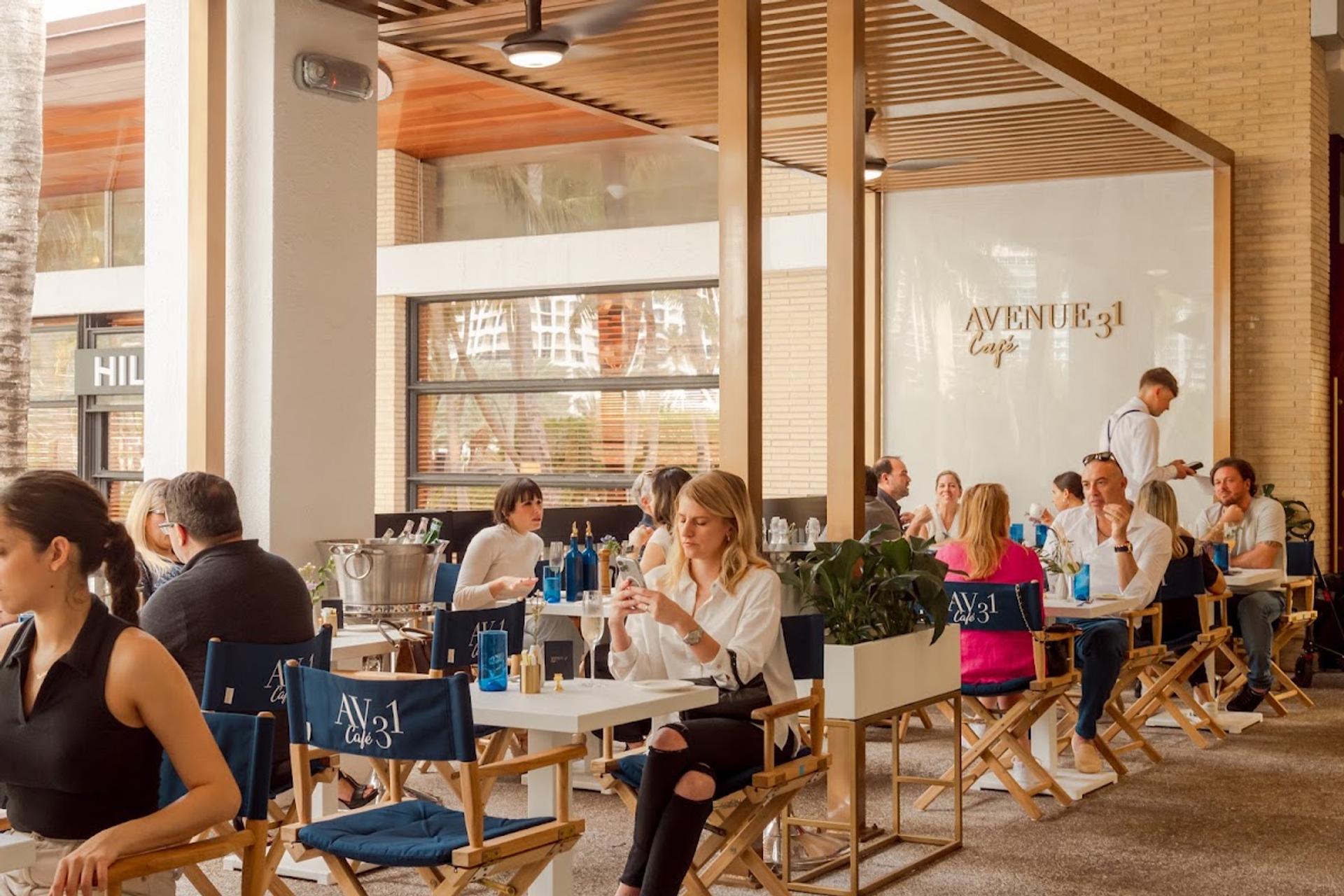
Avenue 31 Café
European all-day café with a full coffee bar, croissants and pastries and an outdoor terrace, open 9am to 10pm.
9700 Collins Ave, Bal Harbour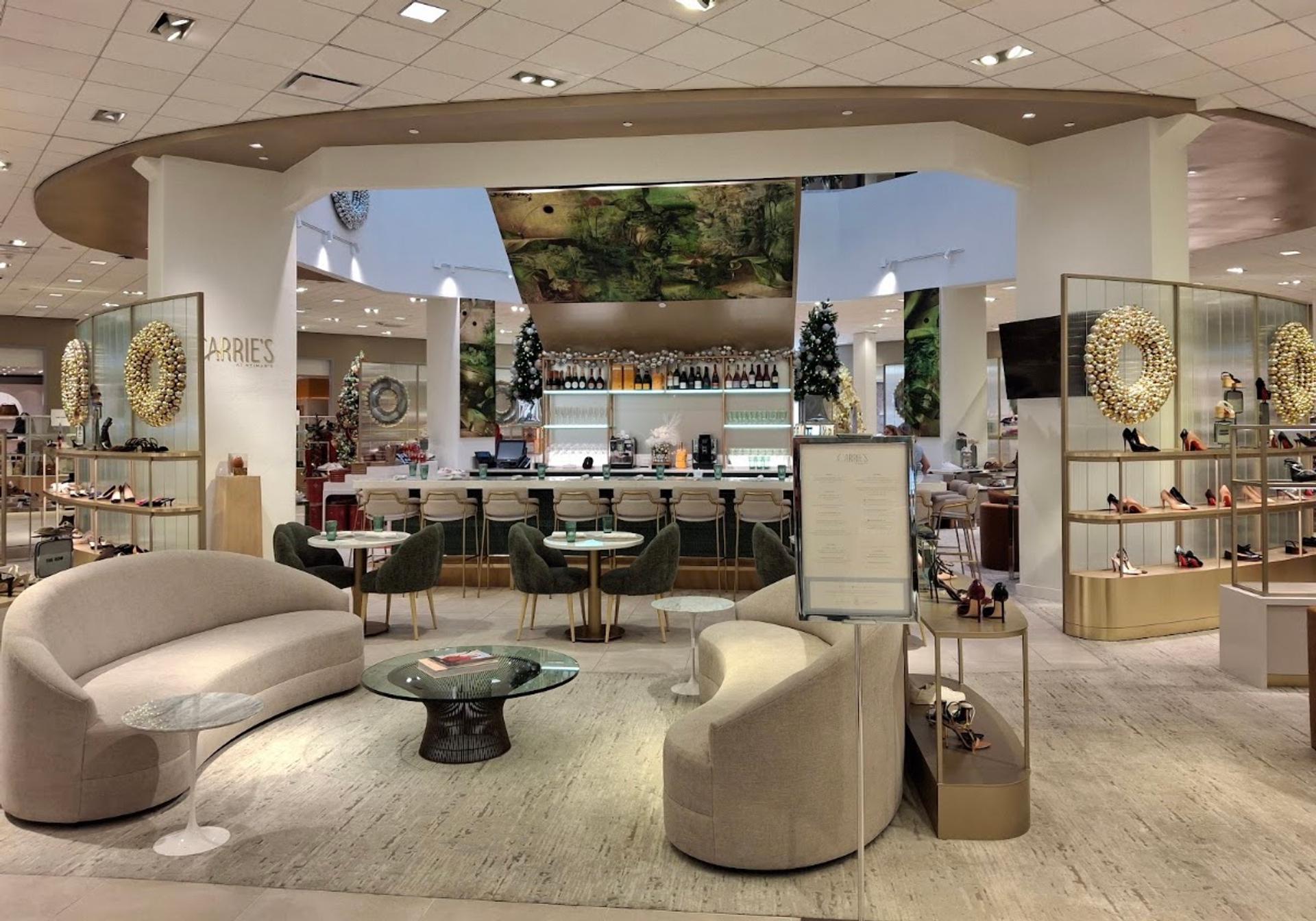
Carrie’s at Neiman’s
Neiman Marcus’s lunch room, successor to the old Zodiac: popovers with strawberry butter and the mandarin-orange soufflé, Monday to Saturday from noon.
9700 Collins Ave, Bal Harbour (Neiman Marcus)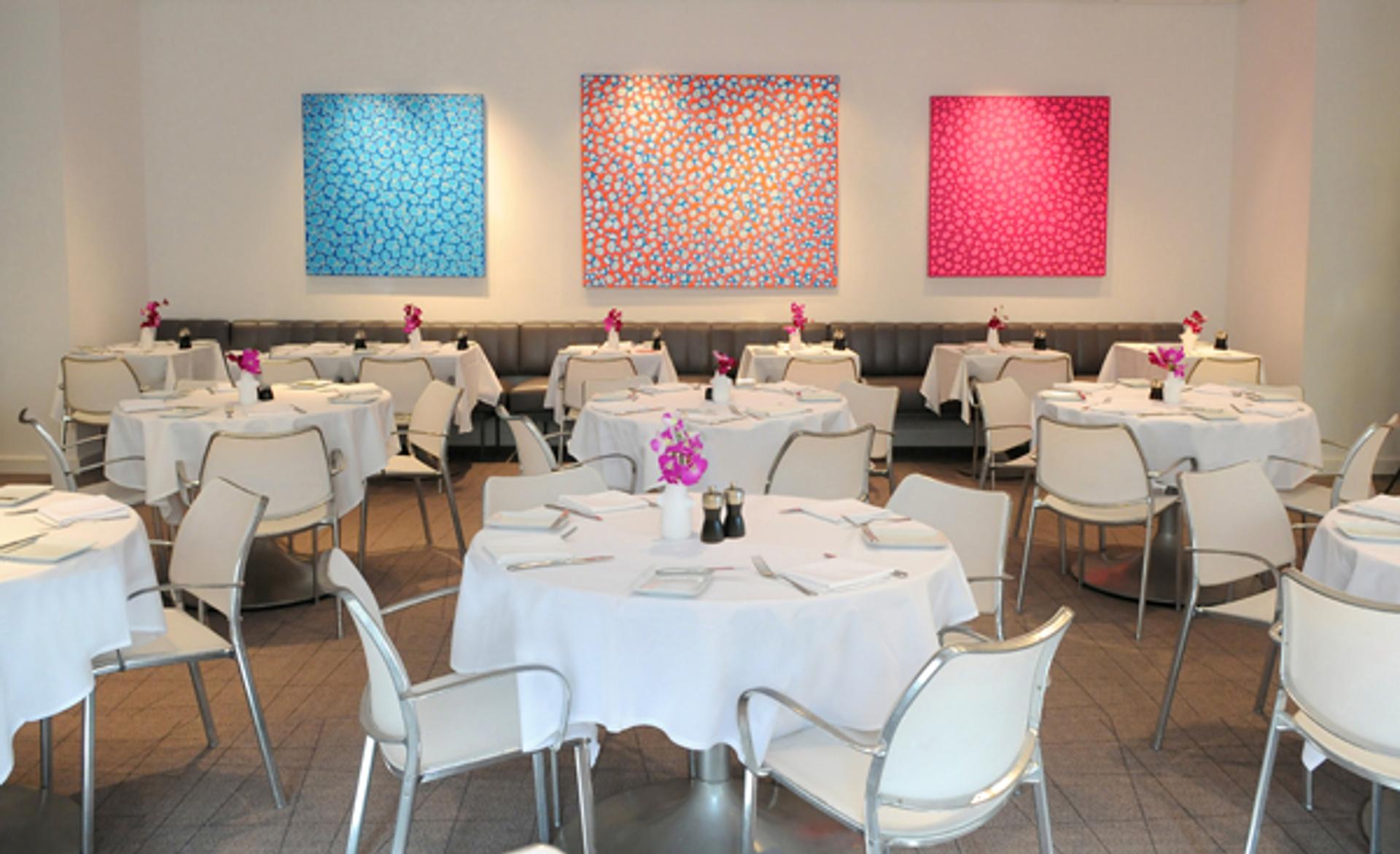
Café en 3
Neiman’s third-floor mix-and-match café for a quick organic lunch between fittings.
9700 Collins Ave, Bal Harbour (Neiman Marcus, Level 3)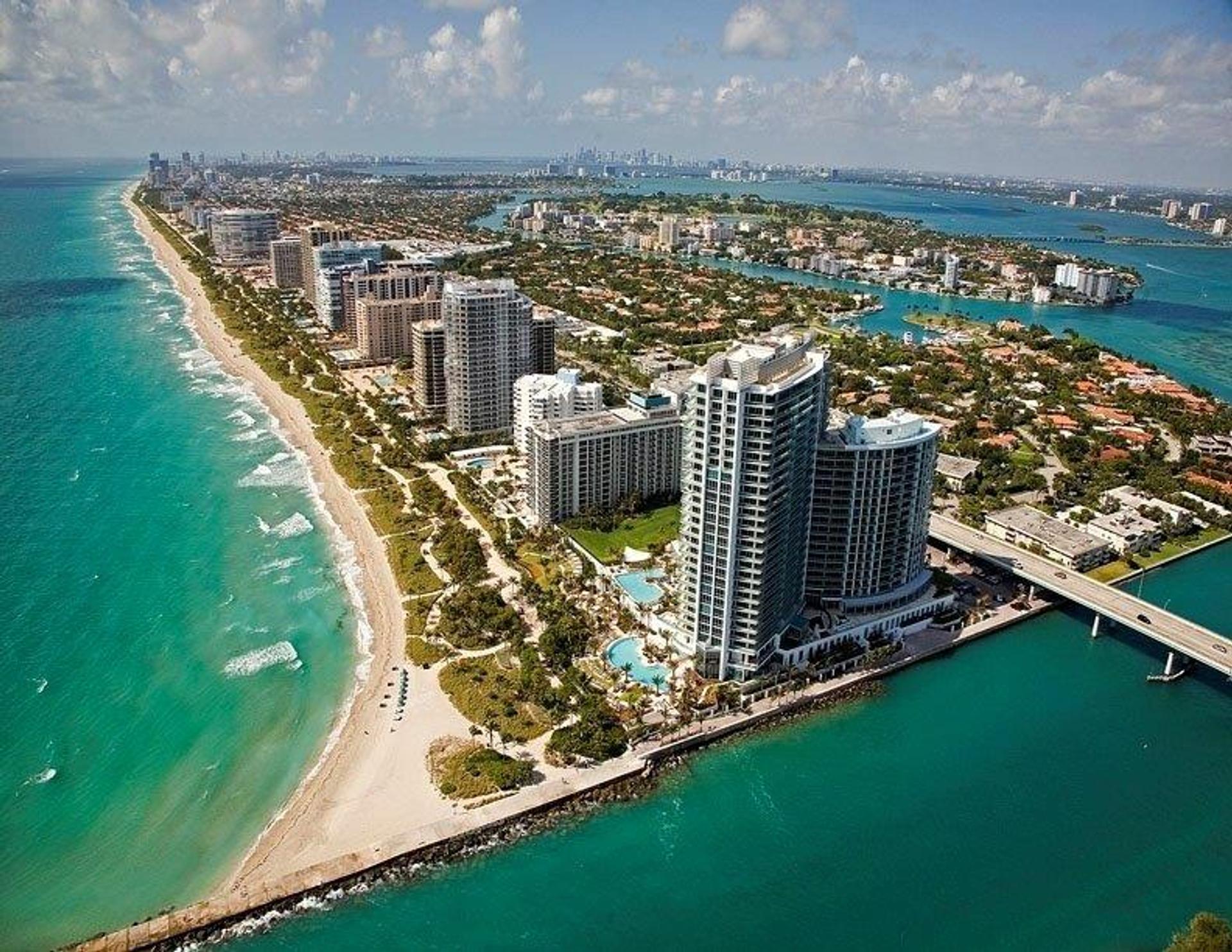
Sea View Coffee Shop
The 1940s hotel’s casual counter for breakfast, lunch and milkshakes, the closest thing Bal Harbour has to a neighbourhood diner.
9909 Collins Ave, Bal Harbour (Sea View Hotel)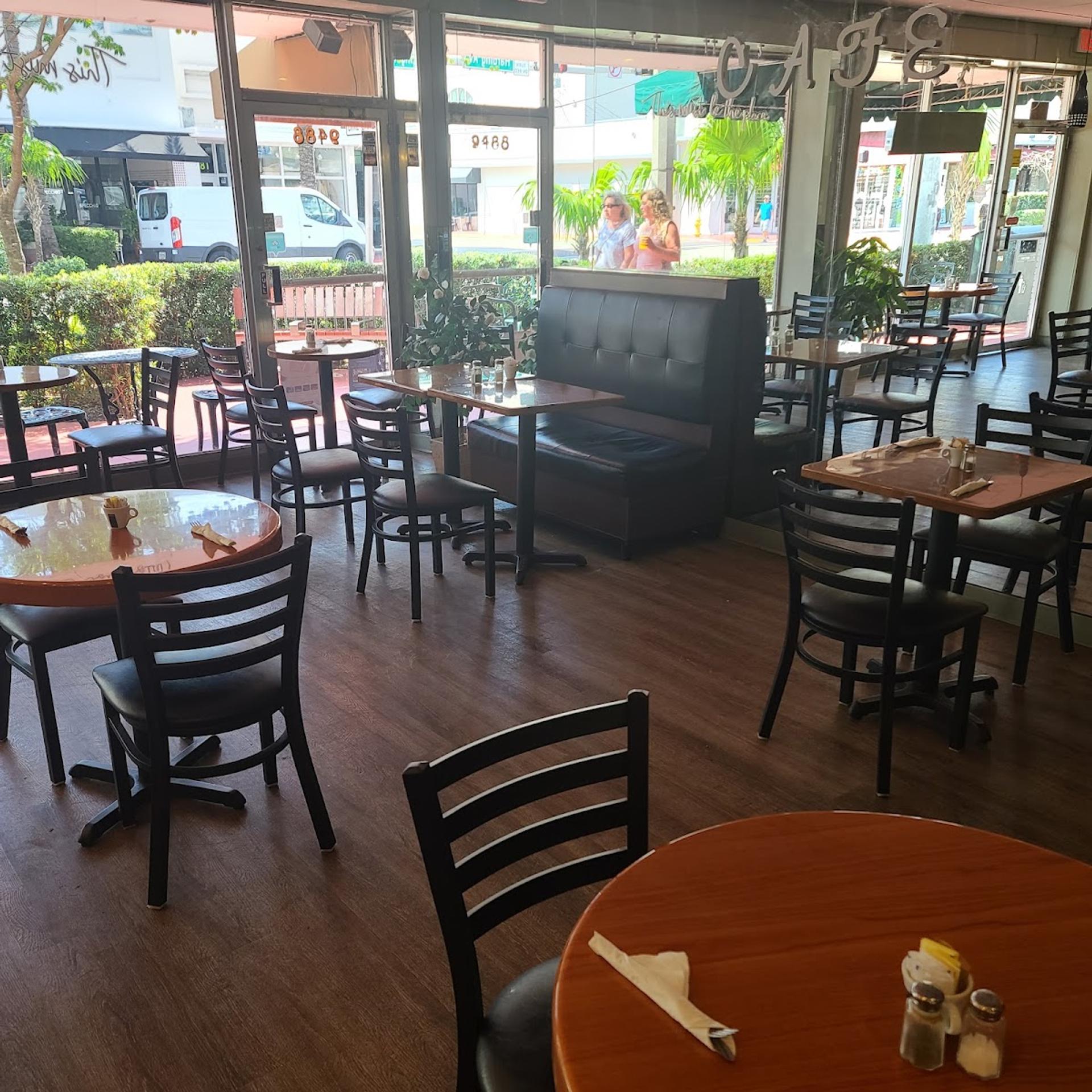
Café Vert
A kosher French café on Surfside’s Harding Avenue for crêpes, sandwiches and breakfast, about a ten-minute walk from the 96th Street beach entrance.
9490 Harding Ave, SurfsideWhere to Shop
Bal Harbour Shops is the village’s business district, literally: the village’s own financial report lists it as the only commercial zone. In 2026 it is mid-expansion, adding roughly 250,000 square feet and more than 30 stores and restaurants, and both anchors survived the January 2026 Saks Global bankruptcy that closed stores elsewhere. A separate proposal for hotel and residential towers on the Shops’ land under Florida’s Live Local Act is in court; the council rejected a settlement on April 27, 2026.
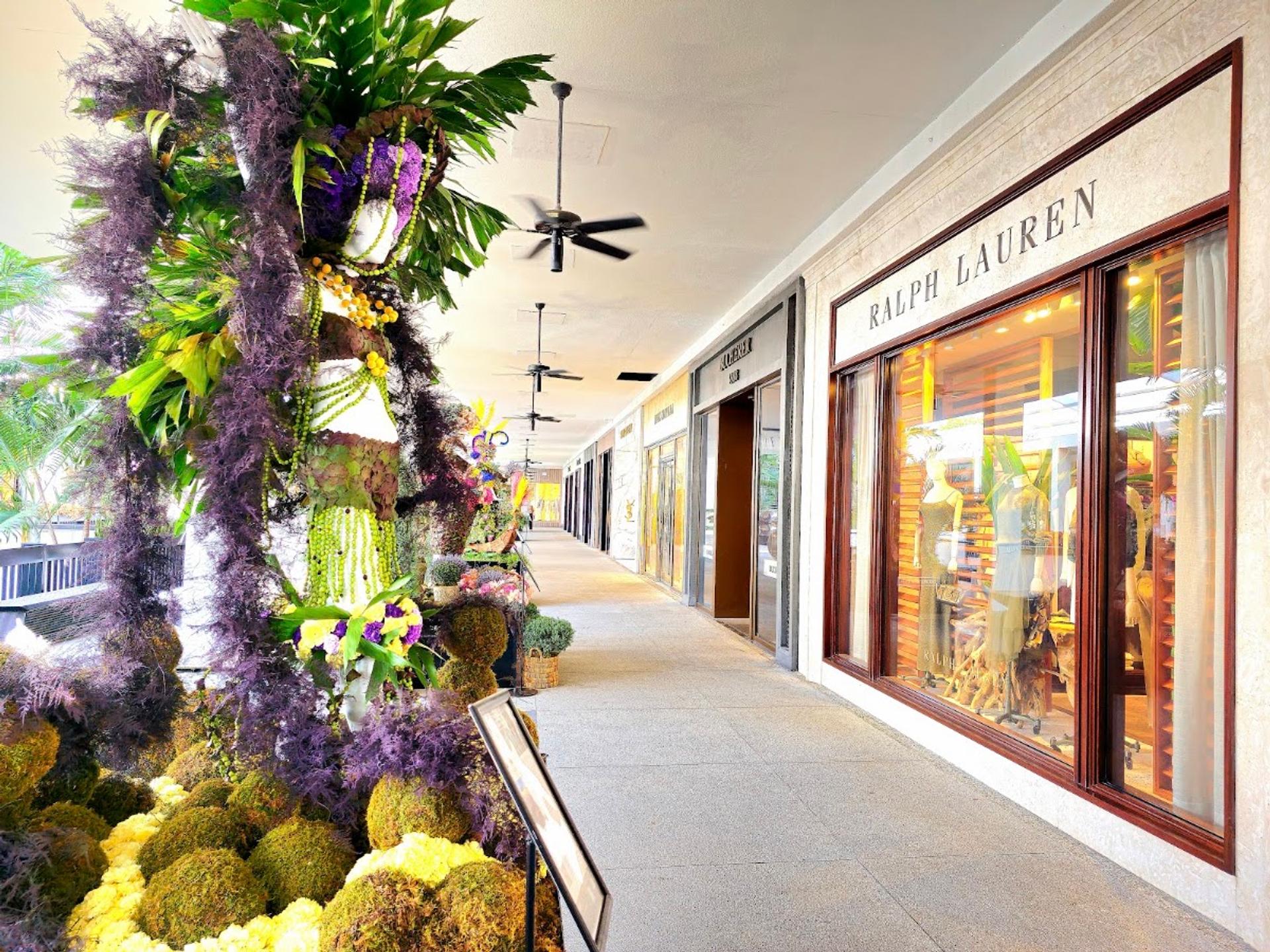
Bal Harbour Shops
Stanley Whitman’s open-air luxury center opened in 1965 with 30 tenants and now holds about 100 stores on three levels; the village says it has led the country in sales per square foot for decades. The main vehicle entrance has been closed since February 27, 2026 for the expansion; park at the 96th Street garage or 9800 Collins.
9700 Collins Ave, Bal Harbour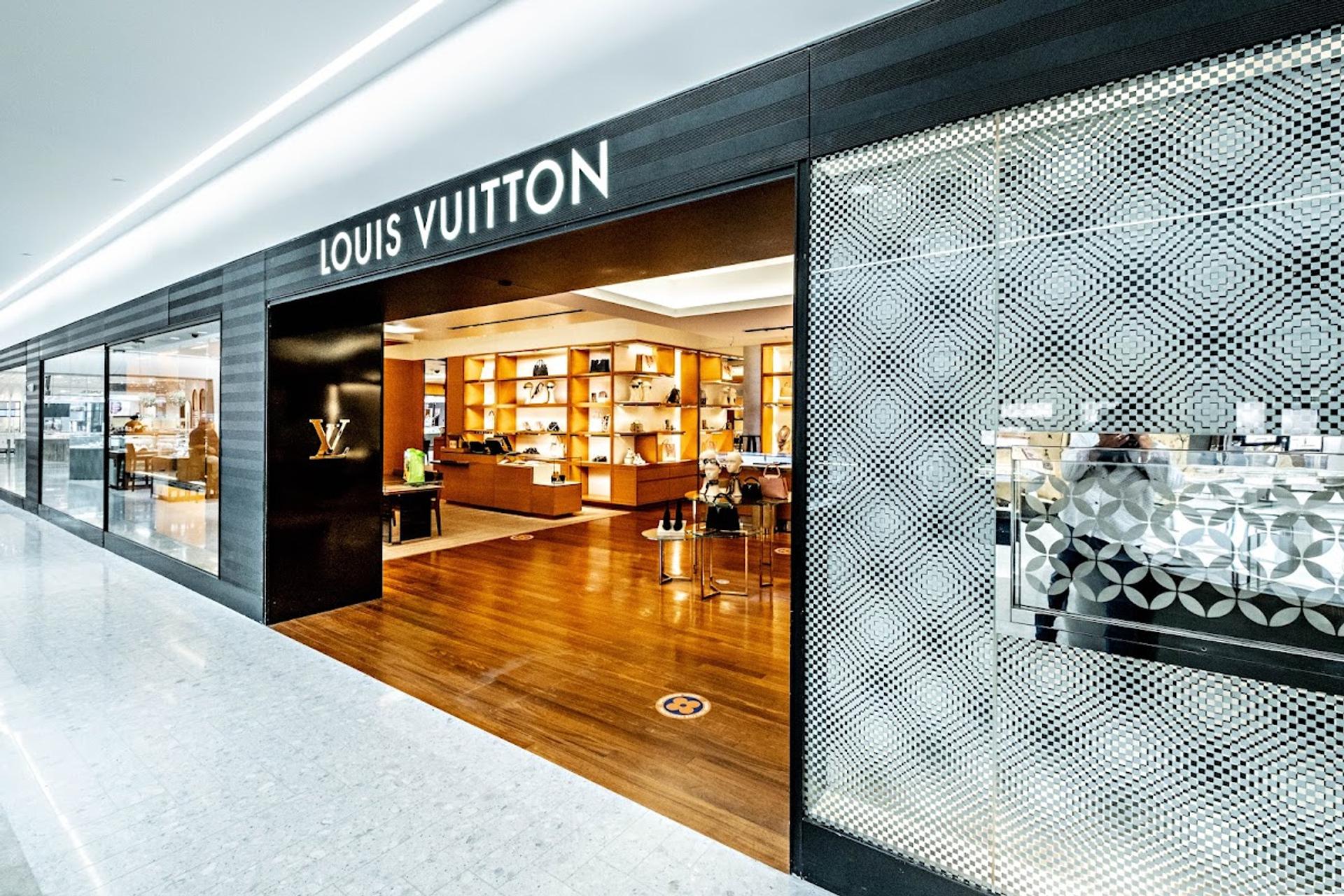
Saks Fifth Avenue Bal Harbour
Anchor since 1976 and one of about 13 Saks stores kept open after the chain’s 2026 Chapter 11 restructuring, alongside Brickell and Dadeland.
9700 Collins Ave, Bal Harbour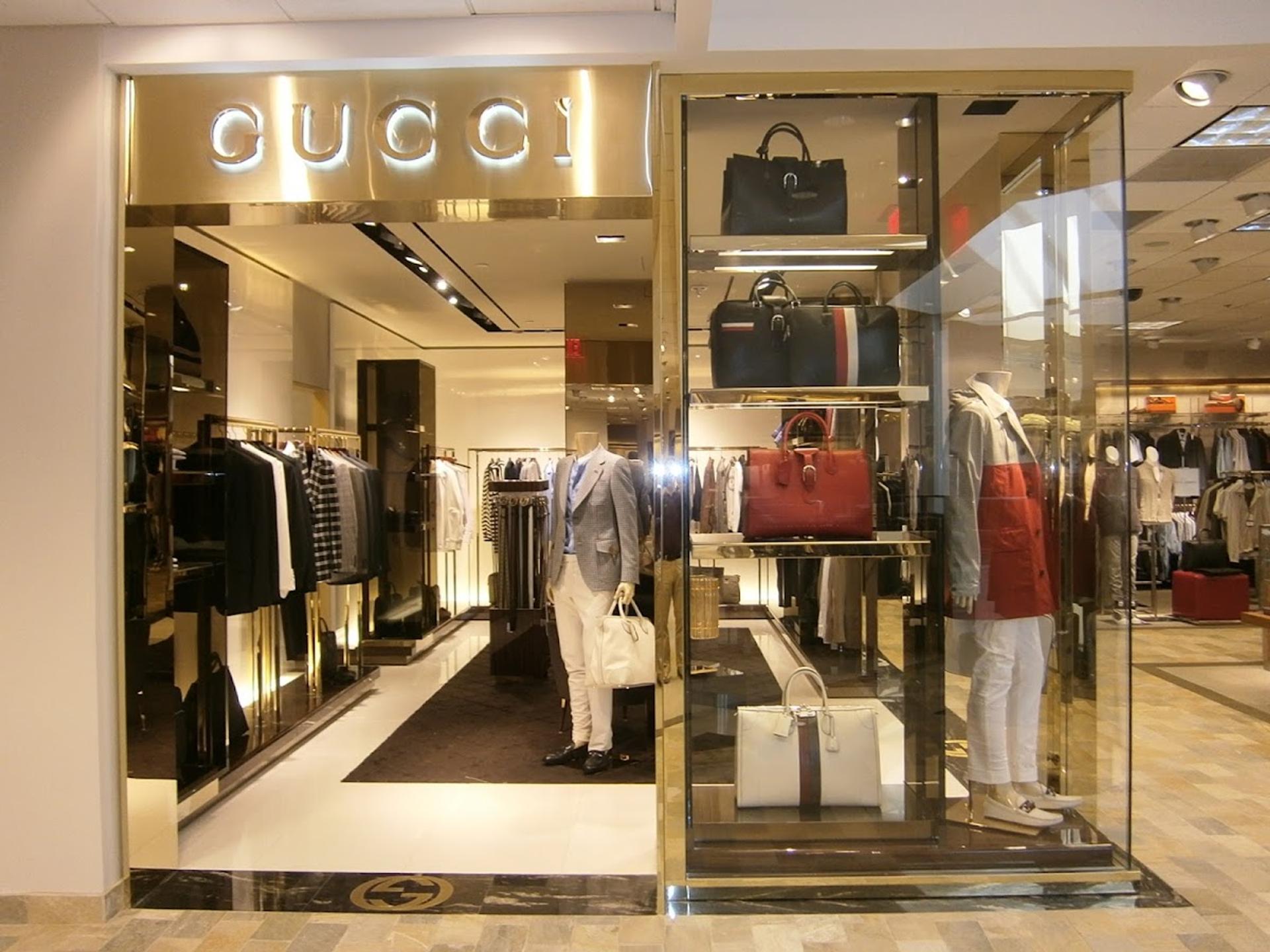
Neiman Marcus Bal Harbour
Neiman’s first store outside Texas, opened in 1971, and on none of the 2026 closure lists; its 9800 Collins entrance is the working front door of the Shops during construction.
9800 Collins Ave, Bal Harbour
Publix at Surfside
The nearest supermarket, two blocks south of the village line, open 7am to 10pm with a pharmacy; Freebee will take you there for free.
9400 Harding Ave, SurfsideBeach & Outdoors
Everything outdoors happens on two edges: the Atlantic beach with its shaded path, and the bay side at Waterfront Park. A third is coming. The $31.7 million Harbourfront Park, Jetty and Cutwalk will rebuild the inlet seawall above projected sea-level rise with over-water platforms and a living shoreline; permits were in their final stage in June 2026, with construction due to start late in the year and finish around 2028.
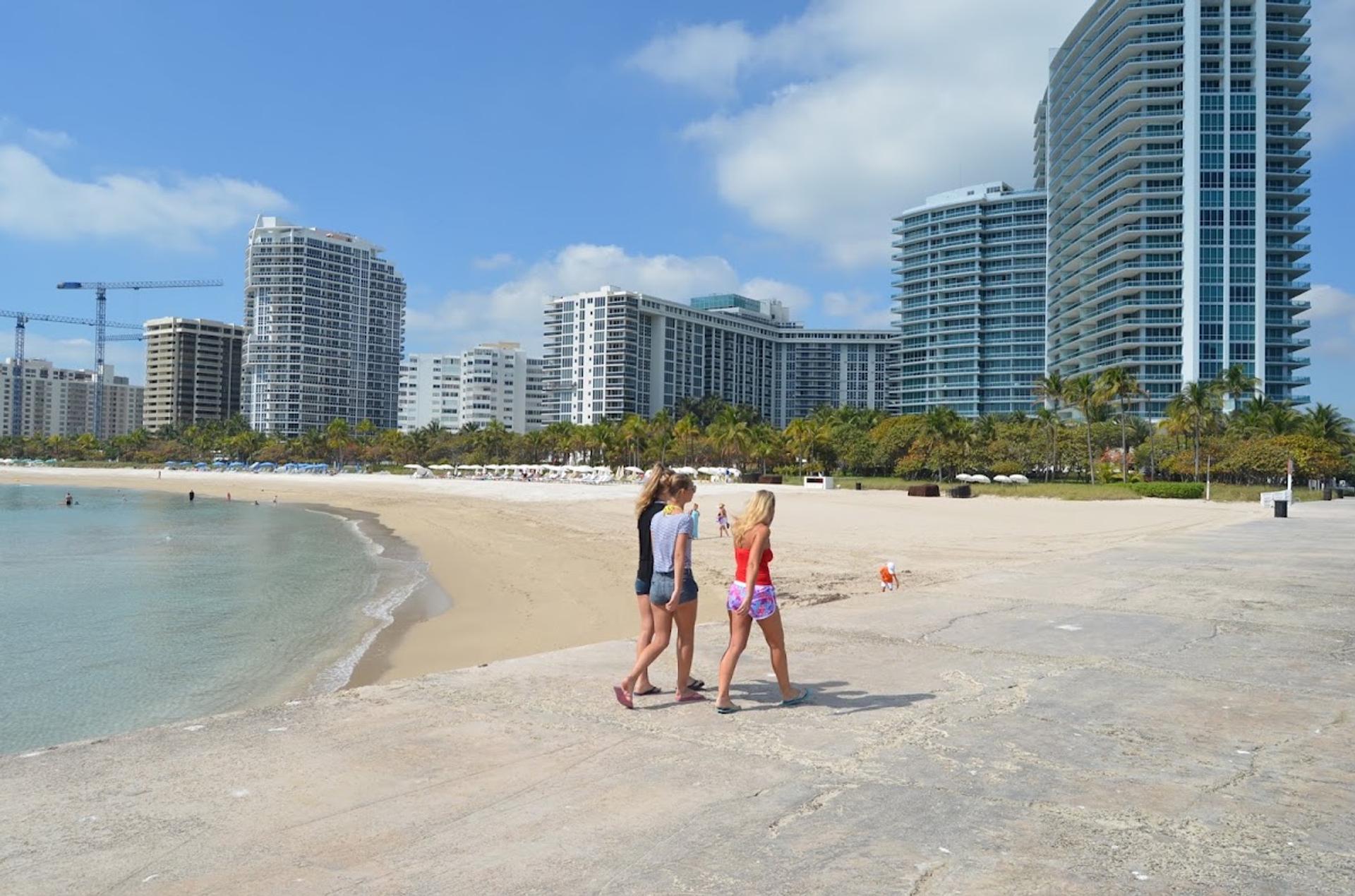
Bal Harbour Beach
Roughly a mile of sand rebuilt in 2025 with 191,750 cubic yards trucked in by the Army Corps project. Public entry is at 96th Street on the Surfside line; the 102nd Street path with its ipe benches and showers is gated for residents’ All Access Cards. The village pays for extra daily sargassum raking near the jetty.
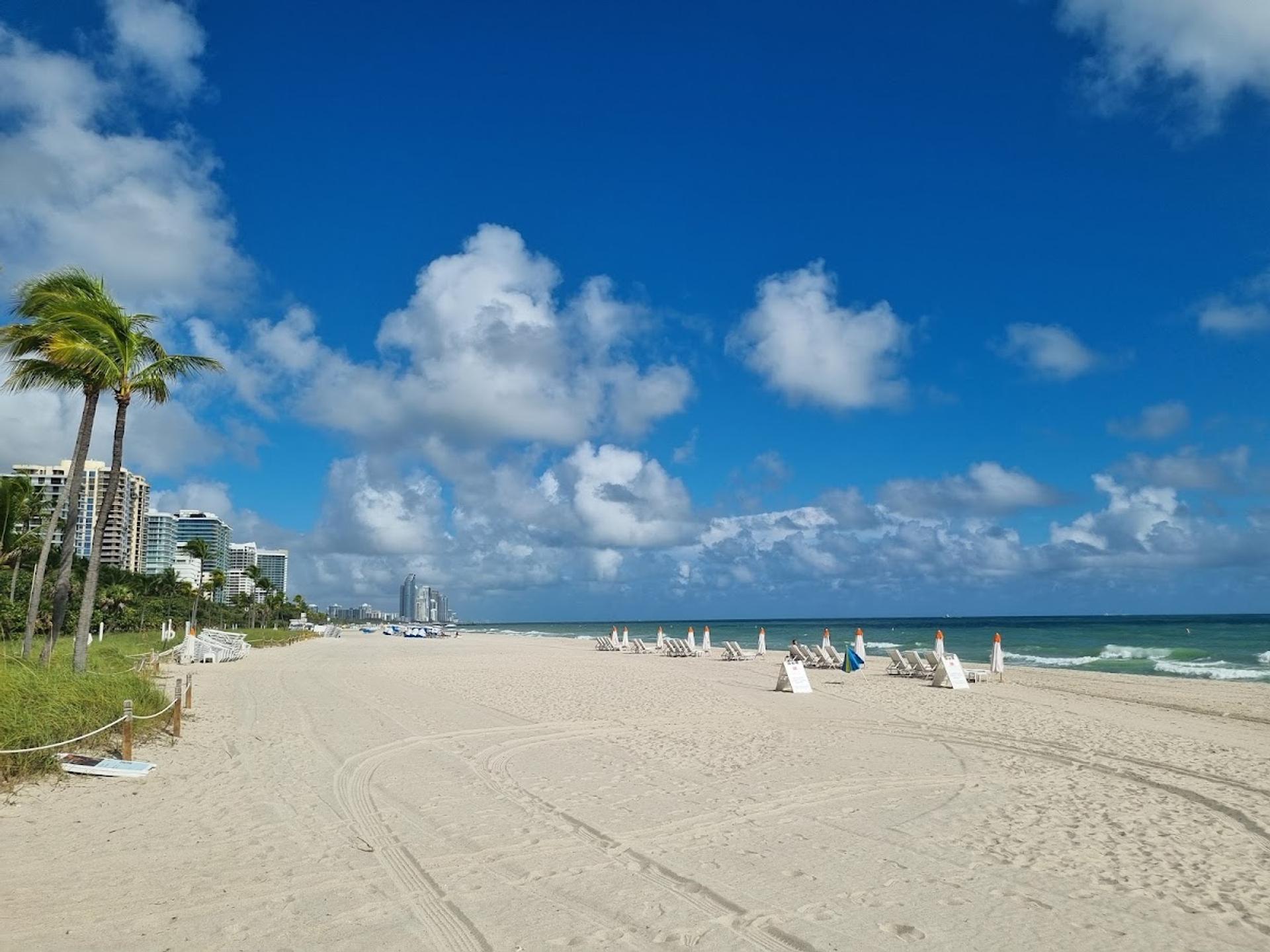
Bal Harbour Beach Path
A mile of hard-packed path under sea grapes from 96th Street to the Haulover jetty, with separate bicycle and pedestrian lanes. E-bikes and e-scooters have been banned on it since 2026, with a $50 fine.
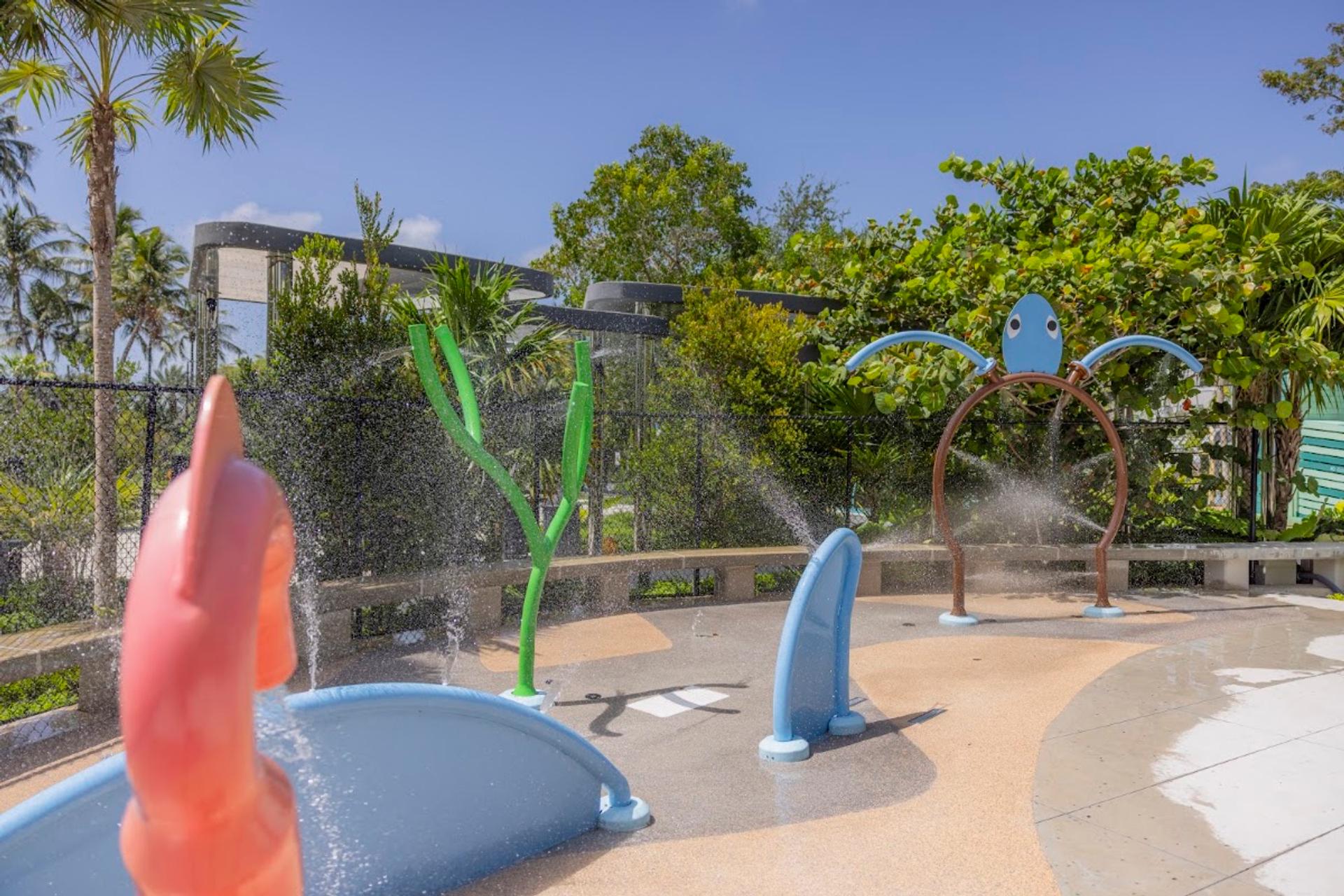
Bal Harbour Waterfront Park
A 1.5-acre bay-front park opened in January 2024 with pickleball and basketball courts, two Monstrum-designed playgrounds, a splash pad, fitness zones, a public dock with kayak launch and a three-storey community center, landscaped by Raymond Jungles. Entry is by the village All Access Card.
18 Bal Bay Dr, Bal Harbour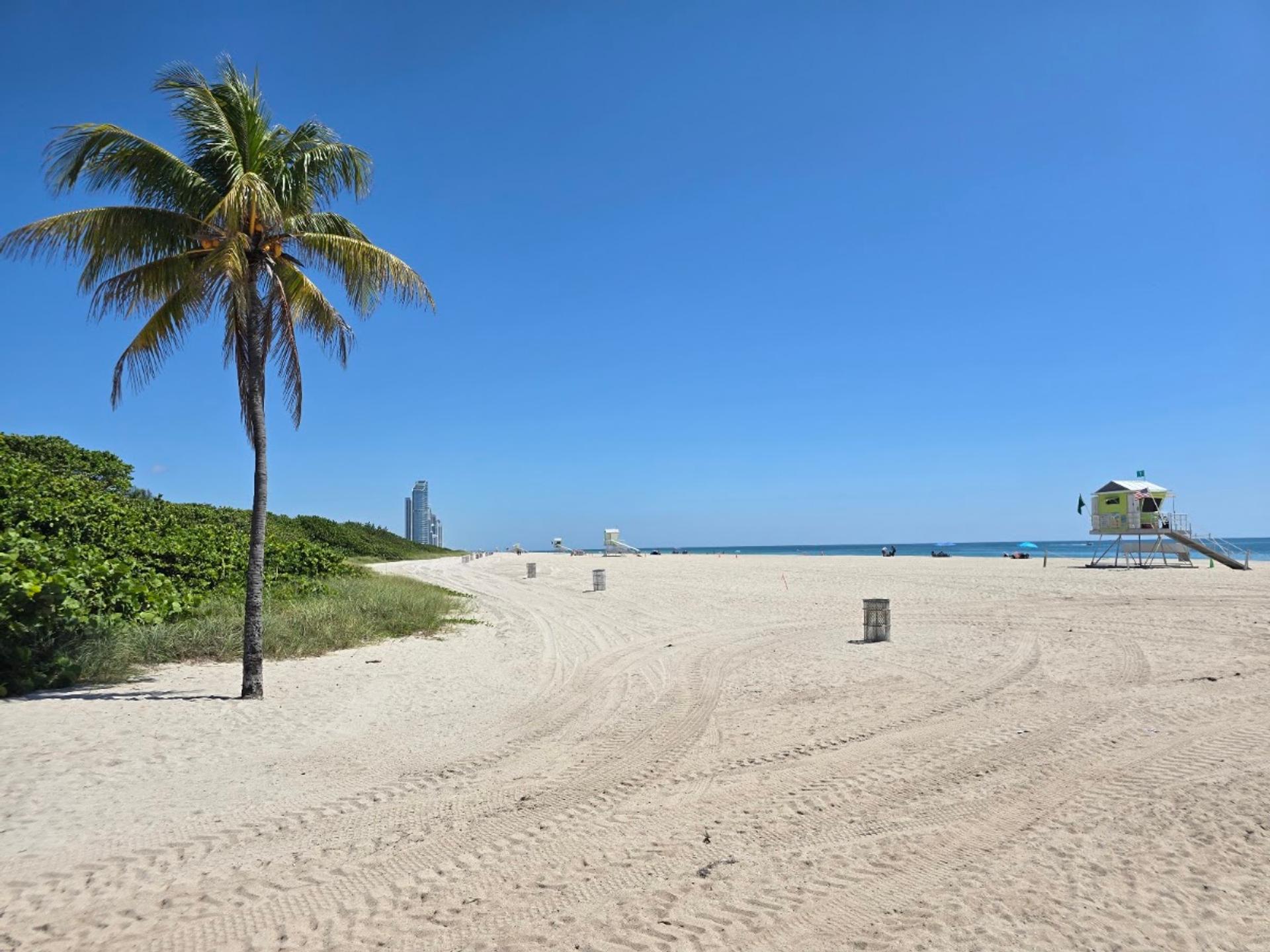
Haulover Park
177 acres and 1.4 miles of county beach just over the inlet bridge, with year-round lifeguards, a dog park and dog beach, a kite field, a skate park and the clothing-optional stretch at the north end. Bill Bird Marina reopened in January 2026 after a $13.8 million rebuild with floating docks; parking is $7 on weekdays and $10 on weekends.
10800 Collins Ave, Miami BeachArts & Village Life
For 3,000 people the village runs a full calendar, most of it free to residents and hotel guests and much of it tied to Miami’s museums rather than to the Shops.
Unscripted Bal Harbour
The village’s public-art program stages Miami Art Week installations each December; in 2025 Ana Bonamico’s The Hidden Pearl stood at the 102nd Street path and Tania EA’s augmented-reality sculptures at Waterfront Park, with the 21st Breakfast in the Park led by curator Carolyn Christov-Bakargiev.
Unscripted Art Tours
Monthly $5 bus tours for residents and hotel guests to PAMM, ICA, the Bass, the Wolfsonian and others; the June 12, 2026 trip went to PAMM.
Depart from Waterfront Park, 18 Bal Bay DrSounds by the Sea
The village concert series, free for residents and hotel guests; the May 31, 2026 edition marked Bal Harbour’s 80th anniversary with the South Florida Symphony.
Waterfront Park and Bal Harbour Beach NorthHoliday Lighting Celebration
Held November 20, 2025 with the South Florida Symphony, youth ensembles and a champagne sabering by the St. Regis.
Founders Circle, Bal Harbour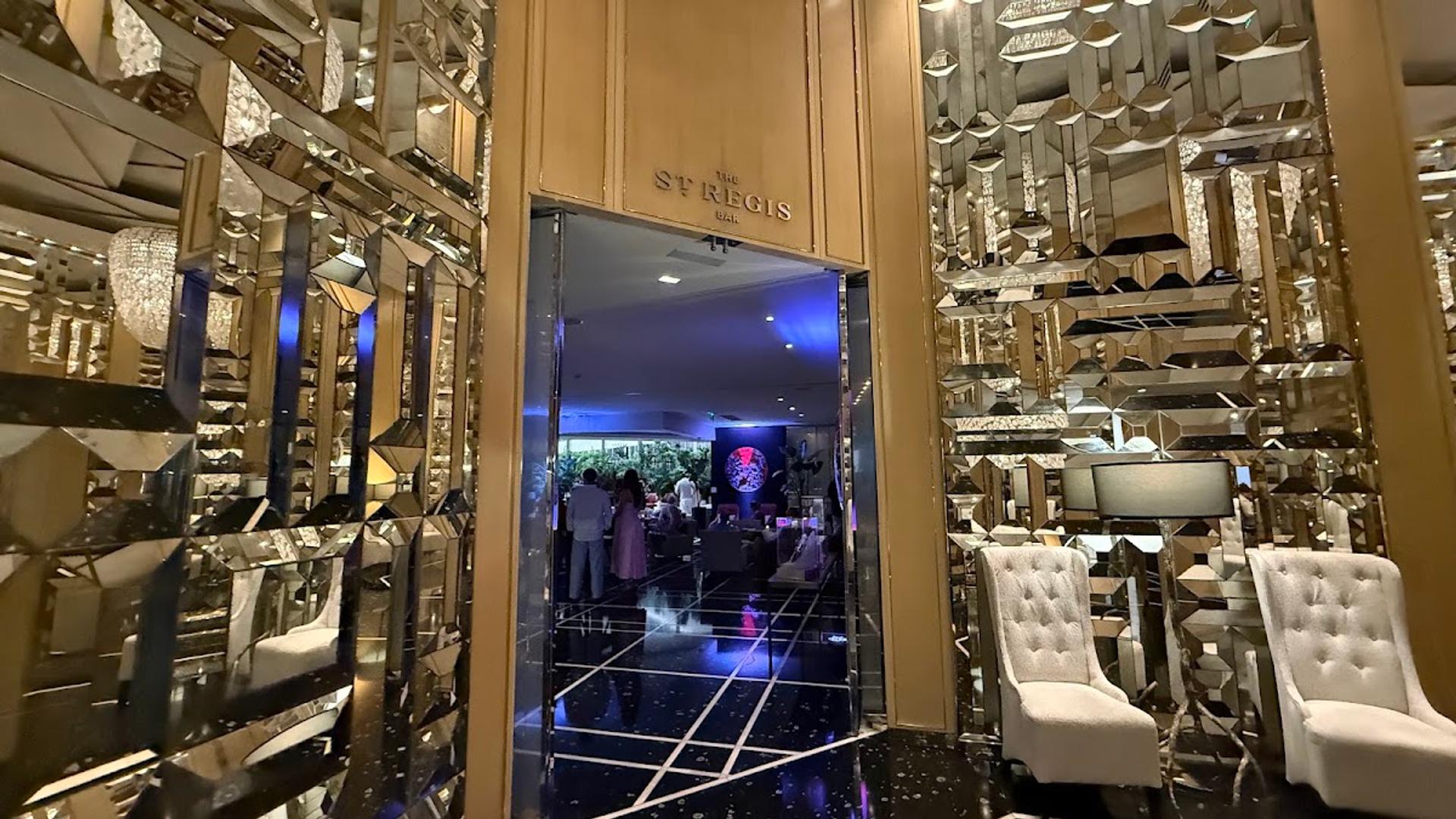
The St. Regis Bar
Champagne sabering nightly at 6pm, the 1934 Bloody Mary and, by the village visitor site’s own count, the only live music venue in Bal Harbour. Open 5pm to midnight.
9703 Collins Ave, Bal Harbour (St. Regis)Frequently Asked Questions
Common questions about Bal Harbour
Buying or selling in Bal Harbour?
Bal Harbour is a building-by-building market: line, floor, reserve study and rental rules move the price more than the address. Talk to an agent who works the village every week.
Keep Exploring
More Guides
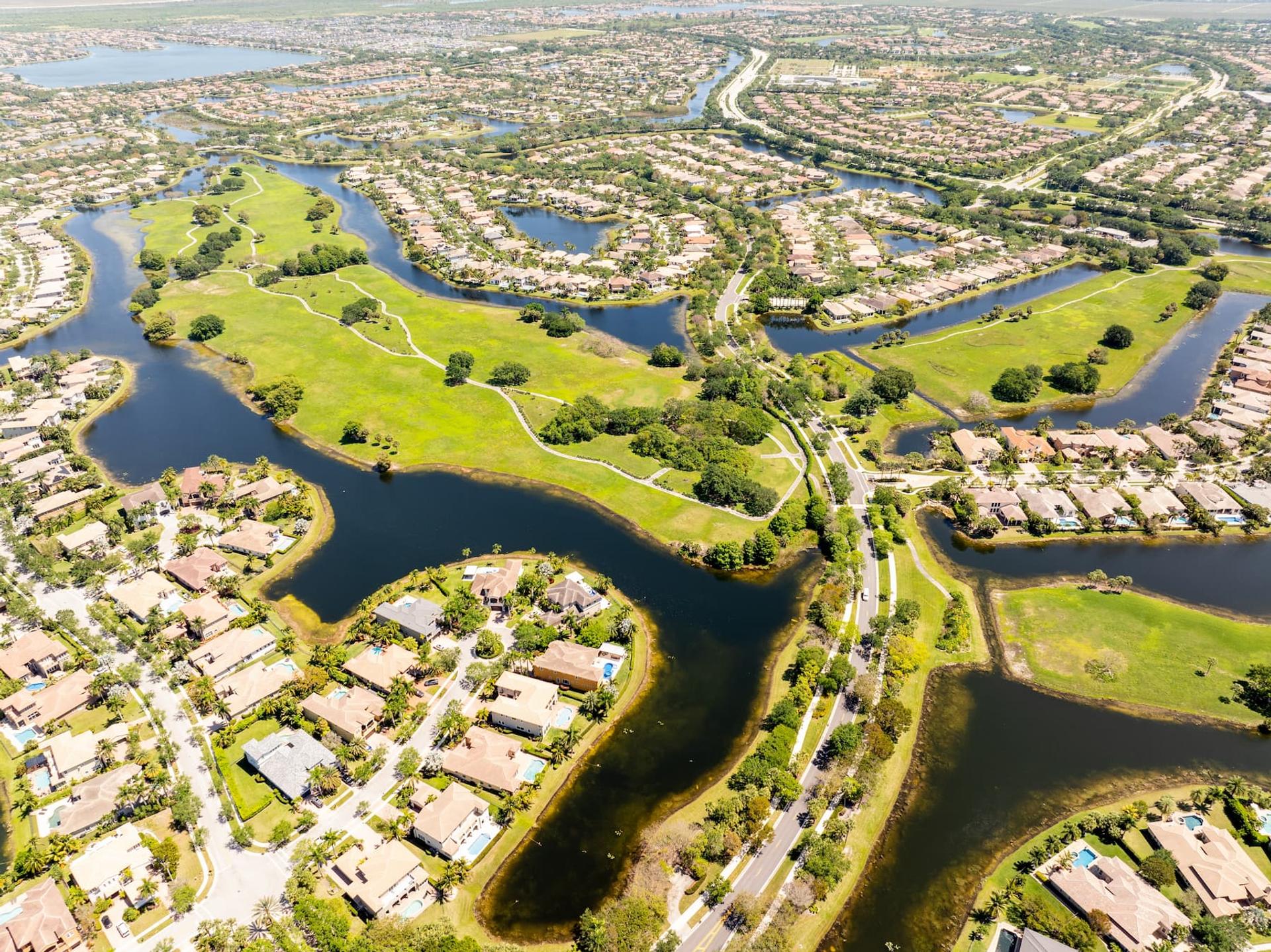
Coral Springs
A 1963 master plan, 49 parks, and a downtown finally taking shape.
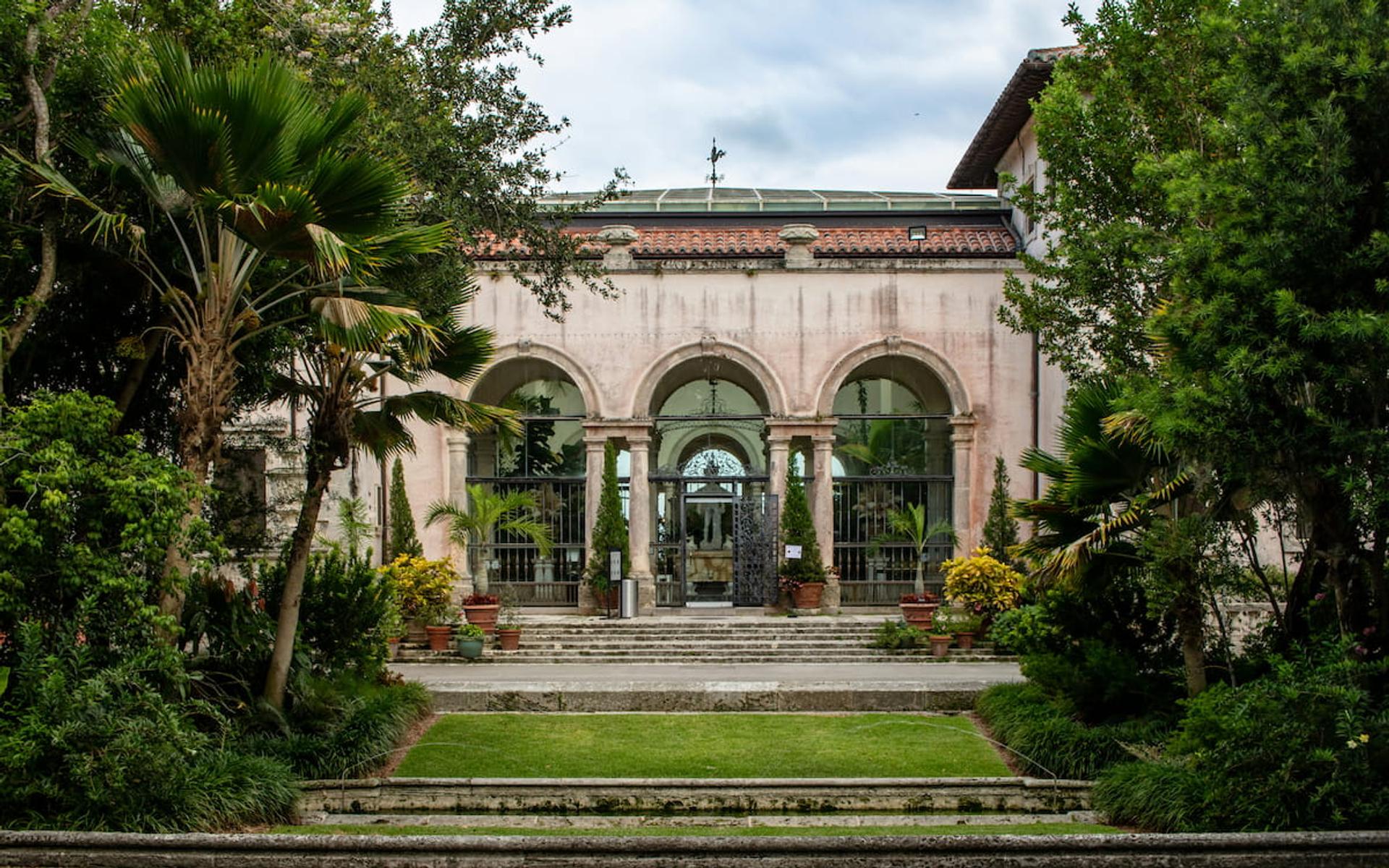
Coconut Grove
Miami's oldest village, high on the ridge between the banyans and Biscayne Bay
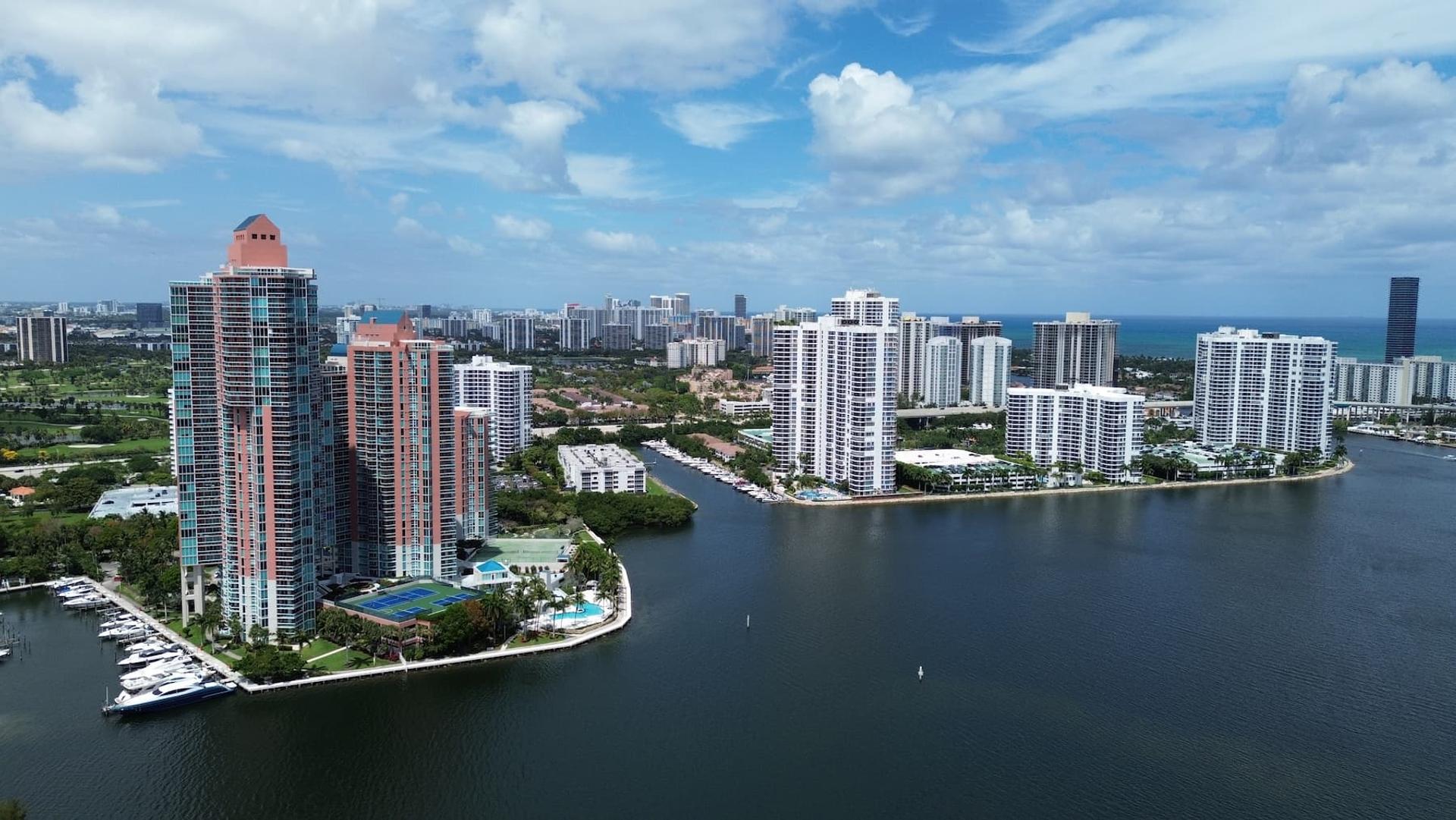
Aventura
Intracoastal towers, Florida's largest mall, and a Brightline stop to Orlando.
Indian Creek
Fourteen small neighbourhoods wrapped around a par-70 course at Jupiter's I-95 gateway.