
FL
Coral GablesCity Guide
Merrick's Mediterranean grid, the Biltmore tower, banyan tunnels and a Michelin star.
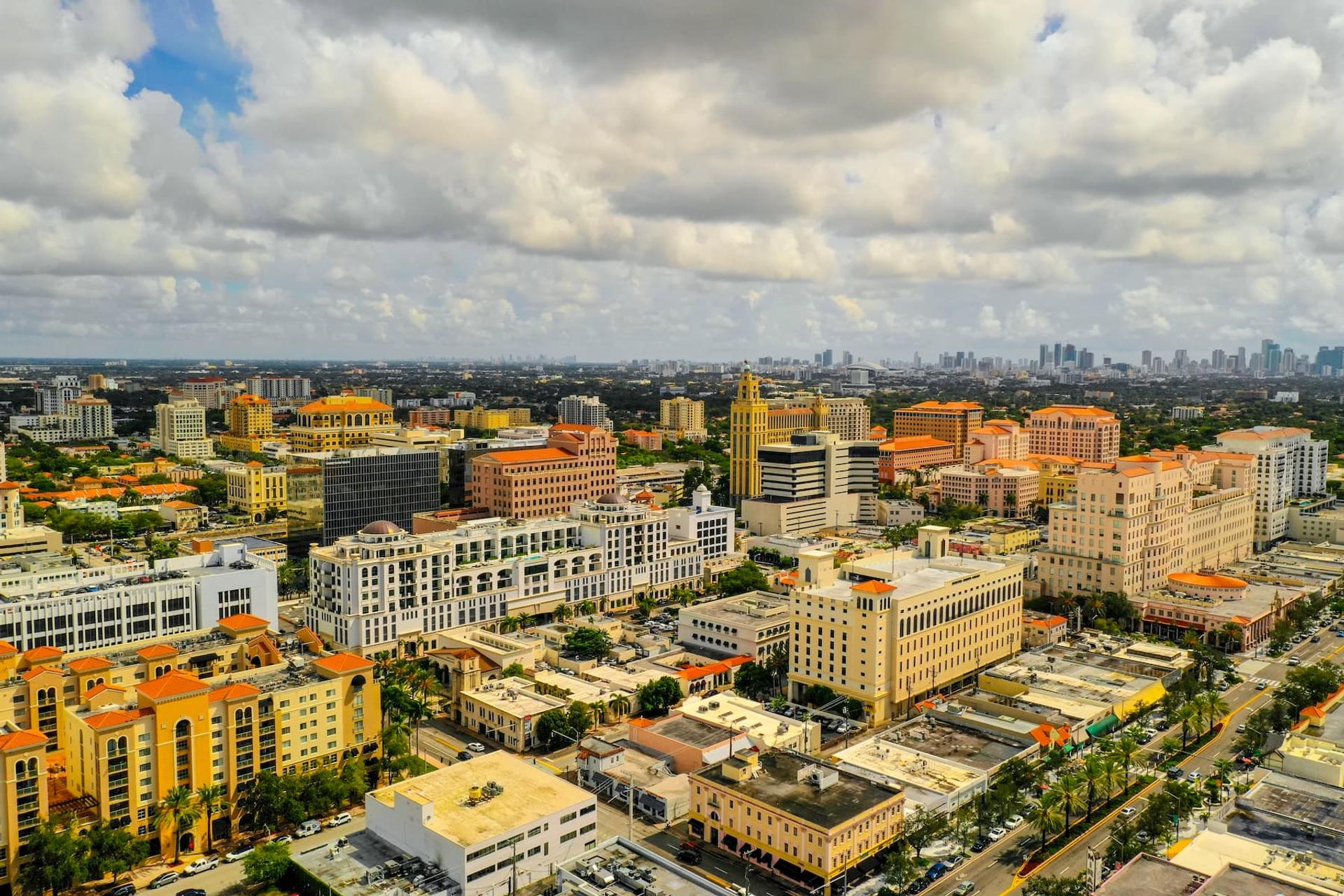
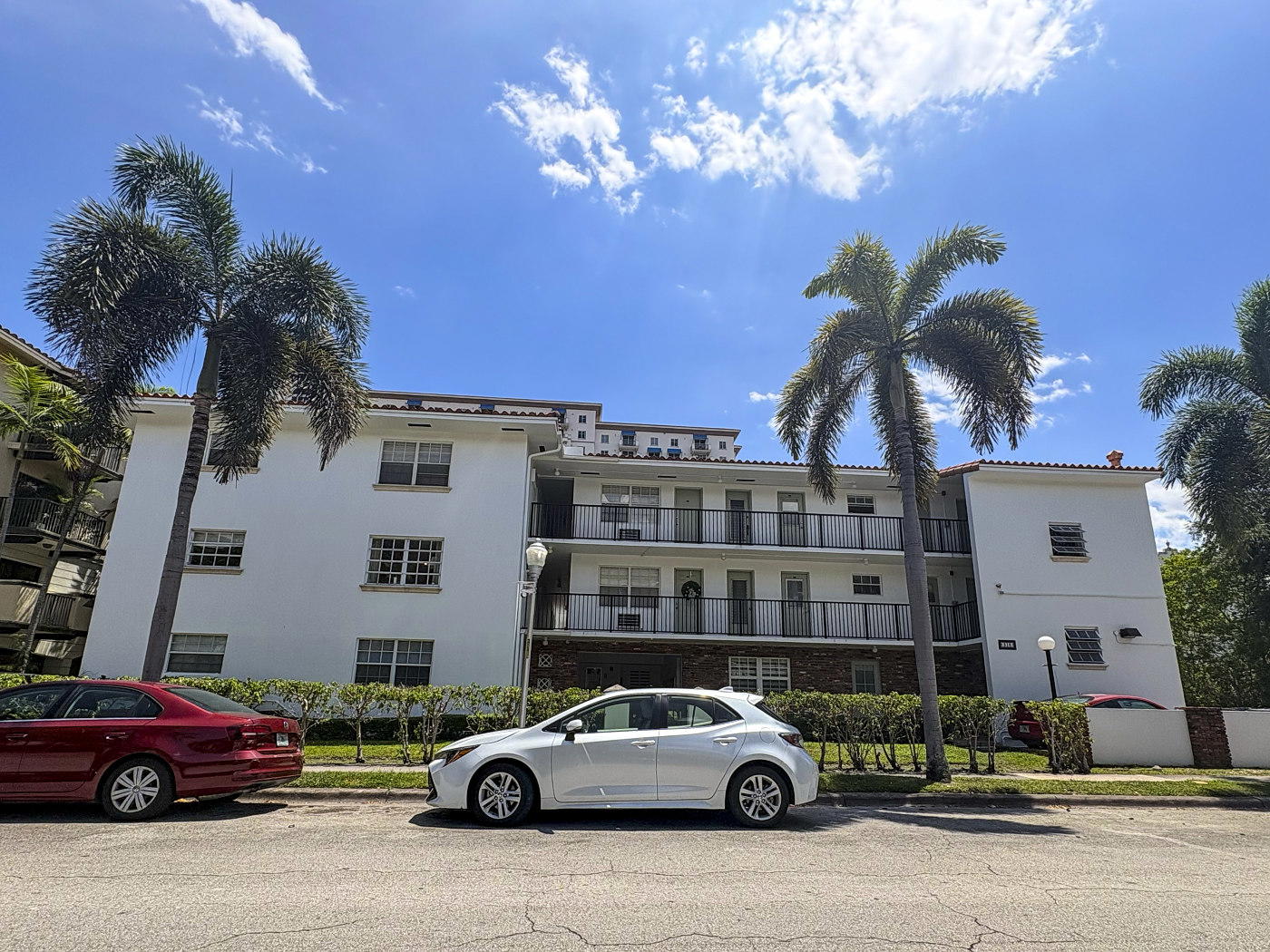
Coral Gables is a 12.9-square-mile city south-west of downtown Miami, incorporated on April 29, 1925 by developer George Merrick as one of the first fully planned cities in the United States. Merrick wrote the City Beautiful movement into the zoning code: Mediterranean Revival was mandated for nearly every building, streets got Spanish names on white coral-rock markers instead of signs, and entrances were marked with stone gates. A century on, the Census estimates 49,578 residents (July 2025), a Board of Architects still reviews exterior changes, and the city reports a 58% tree canopy with about 39,000 public trees, among the highest of any Florida city by its own count. Browse homes for sale in Coral Gables to see what that code produces: cream stucco, barrel-tile roofs and lots shaded by banyans planted in the 1920s.
Is Coral Gables a good place to live?
For families, University of Miami faculty and professionals who want a house with a yard inside the urban core, yes, with a clear price of entry. The ACS 2020-2024 puts median household income at $134,216, owner-occupancy at 64.5%, median age at 39.1, and the population at 56.6% Hispanic and 37.7% foreign-born. The city runs its own police (191 sworn officers) and fire departments, has held its millage flat at 5.559 for twelve straight years, and reported more than 150 new businesses in 2026 alongside City National Bank moving roughly 800 head-office staff downtown. The trade-offs are real: the citywide Walk Score is 56, so outside the Miracle Mile core you drive; exterior paint colours, windows and fences need city approval; and even a modest two-bedroom condo costs more than a house in most of Miami-Dade.
Coral Gables vs Coconut Grove, Pinecrest and South Miami
As of August 2026 the Coral Gables median sale price was $1,455,000, against $2,525,000 in Coconut Grove next door, $2,425,000 in Pinecrest to the south, $840,000 in South Miami, $1,550,000 in Key Biscayne and $585,000 across the City of Miami. The Grove sells bayfront and village bohemia at a higher price per foot; Pinecrest sells acre lots and no downtown; South Miami is the value play with a smaller commercial strip. Coral Gables is the one that pairs a real, trolley-served downtown with historic single-family streets, and it is home to Shingo, one of a handful of Michelin-starred restaurants in Miami-Dade.
What's changing in Coral Gables in 2026
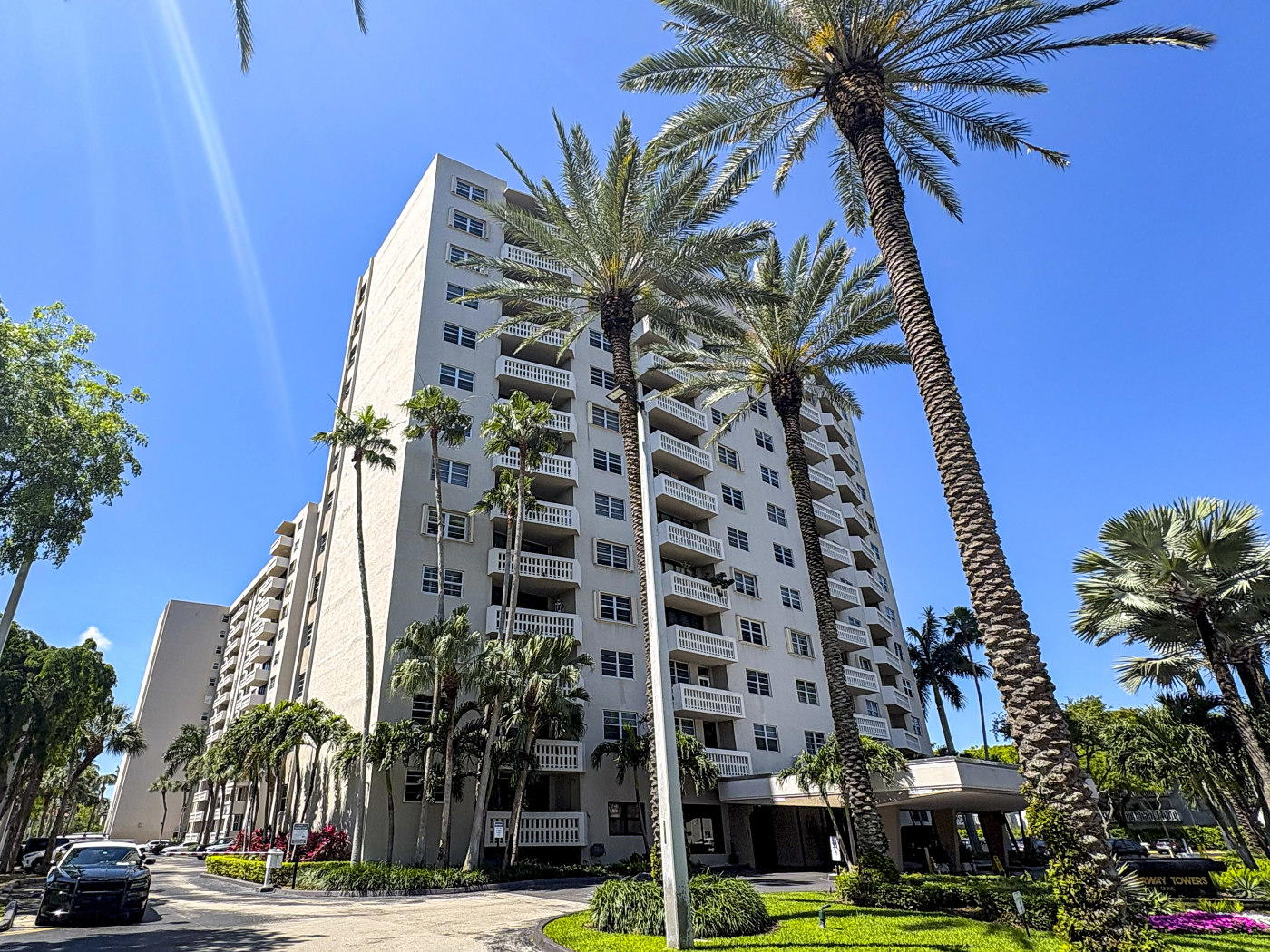
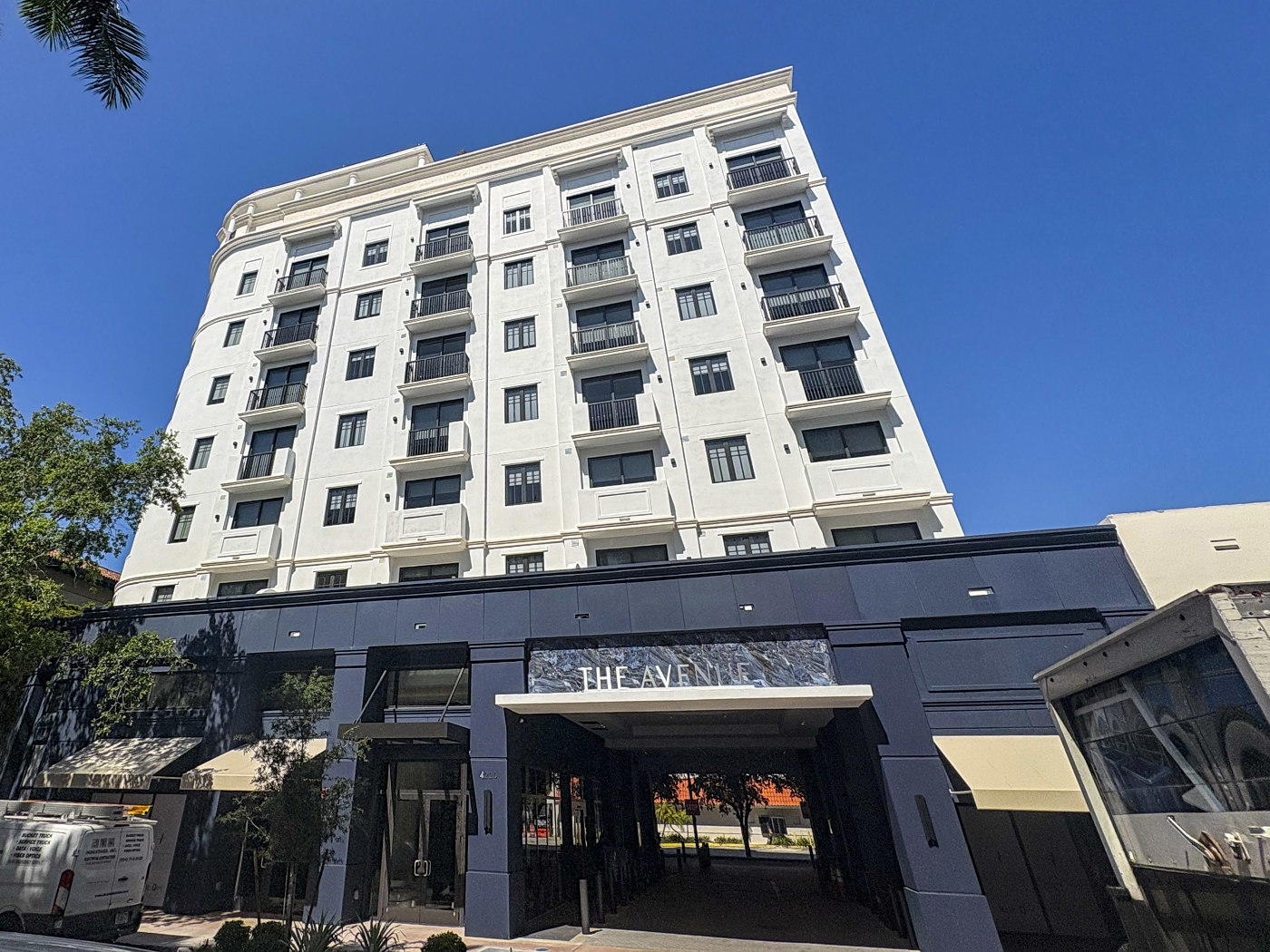
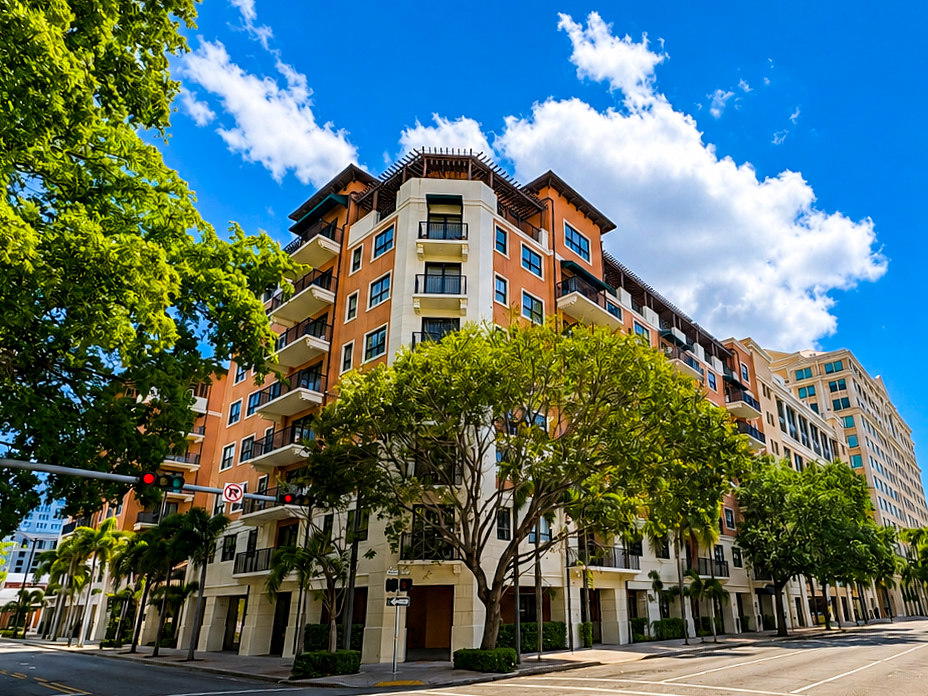
The Venetian Pool reopened on December 9, 2025 after a $6 million restoration. The Underline's three-mile Coral Gables section, from Douglas Road station to Stanford Drive, is opening in phases through late 2026. The fourth and final Link at Douglas tower broke ground in June 2026 beside the Metrorail station, taking that transit-oriented cluster to 1,557 apartments. Downtown, construction of the $70 million Mobility Hub at 245 Andalusia Avenue is scheduled to start in October 2026, and the city is planning a 5.5-acre Centennial Park on the former Lee Lincoln site as its largest park. New condo stock is thin and recent: The Avenue Coral Gables completed in 2025 and Merrick Manor in 2019, while most of the waterfront towers on Edgewater Drive, such as Gables Waterway Towers, date from 1968 to 1970.
Condo buyers: the August 2026 median monthly fee on sold Coral Gables condos was $1,331, about $1.17 per square foot and up 44% year-over-year as older towers fund reserve studies and repairs required by Florida's post-Surfside condo laws. Ask for the structural integrity reserve study and the last two years of special assessments before you offer. House buyers: check your exact address on the city's Forerunner flood-zone tool; the bayfront and canal streets off Old Cutler Road carry flood insurance requirements the inland historic core mostly does not.
Coral Gables is the part of Miami that was designed before it was built: a 1925 plan still enforced block by block, with a Michelin star, a free trolley and 39,000 city-owned trees to show for it.
“The goal is not growth for growth's sake.”
— Mayor Vince Lago, State of the City address, September 2026
Key Details
What makes Coral Gables special
What to Expect
A 12.9-square-mile planned city of about 49,600 people where a 1925 Mediterranean Revival code still governs what gets built, and a Board of Architects reviews exterior changes down to paint colour. The core is a real downtown along Miracle Mile, Giralda Plaza and Ponce de Leon Boulevard; everything else is low-density residential under a 58% tree canopy, stretching south along Old Cutler Road to gated bayfront enclaves. Median age is 39.1, 56.6% of residents are Hispanic, 64.5% own their homes, and Spanish is heard as often as English on the Mile.
The Market
As of August 2026 the median sale price was $1,455,000 at $756 per square foot, up 6.8% year-over-year on price while price per foot slipped 7.7%; the median sale took 104 days (up 18.9%) and sellers accepted a median 94.3% of asking. Over the 12 months to September 2026, medians ran $386,450 for one-bedrooms, $610,000 for two, $1,545,000 for three, $2,770,000 for four and $4,100,000 for five, with six-bedroom estates at $7.6 million. Buyers hold the leverage: 1,233 active listings against 32 August sales, 488 of them already price-cut by a median 6.25%.
Cost of Ownership
The August 2026 median condo fee on sold units was $1,331 a month, about $1.17 per square foot, up 44% year-over-year; gross rental yield was 2.9% on a $3,550 median monthly rent, among the lowest in Miami-Dade because prices run so far ahead of rents. The city millage is 5.559 for the twelfth straight year in the $323.3 million FY2026-27 budget, and the city ranks tenth-lowest for total millage among Miami-Dade municipalities, roughly $5,629 in city tax on the average homesteaded value of $1.01 million (versus about $7,454 in Miami). Bayfront and canal homes need flood insurance under Risk Rating 2.0; check the address on the city's Forerunner tool.
Districts
Central Business District: Miracle Mile, Giralda Plaza and the Ponce corridor, the walkable core, with the Mobility Hub under construction from October 2026. North Gables: 1920s cottages and small apartment blocks near Douglas Road station and the Link at Douglas towers (Walk Score 87). Country Club section: Merrick-era homes around the Granada Golf Course, the 1922 Country Club and the DeSoto Fountain. Merrick Park and the Crafts Section: bungalows beside the Shops at Merrick Park, the city's highest Walk Score at 93. Riviera: mid-century ranches and new builds around the University of Miami. Ponce-Davis and Snapper Creek Lakes: acre lots and a gated waterfront enclave with its own marina. Cocoplum and Gables Estates: gated bay and canal estates off Old Cutler, the most expensive addresses in the city. Old Cutler, Hammock Oaks, Gables by the Sea and Deering Bay: the canopy road past Matheson Hammock and Fairchild, ending in a gated golf-and-marina community at the southern tip.
Who It's For
Families who want top-rated public elementaries and a yard within 20 minutes of Brickell, University of Miami faculty and medical staff, Latin American buyers who want an established, Spanish-speaking, architecturally consistent city, and estate buyers who want bay access without living on the barrier island. It is a harder fit for anyone who wants nightlife past midnight (there is little beyond Giralda), for car-free living outside the Crafts, Douglas and downtown pockets, for buyers who want to remodel freely (the Board of Architects will have opinions), and for investors: a 2.9% gross yield does not cover a mortgage.
Getting Around
The free Coral Gables Trolley runs Monday to Saturday, 6:30am to 10pm, on the Ponce de Leon and Grand Avenue routes from Douglas Road Metrorail, carrying more than a million riders a year; a Southern Loop pilot to Red Road via the University of Miami launched in November 2025 with a continuation decision due around November 2026. Metrorail's Douglas Road and University stations put Brickell about 15 minutes away and Government Center about 20. Miami International Airport is roughly 5 miles and 20 minutes north on LeJeune Road. Walk Score is 56 citywide (Transit 38, Bike 56), rising to 93 in the Crafts Section and 87 around Douglas Road. The Underline's Coral Gables section, with a dog park at 4500 Ponce, pickleball courts and an amphitheatre at Stanford Drive, opens in phases through late 2026.
Schools
Miami-Dade County Public Schools earned an A district grade for the seventh straight year in July 2026. GreatSchools' 2026 ratings give Coral Gables Preparatory Academy (PK-8), George Washington Carver Elementary and Middle, the UM-affiliated Henry S. West Laboratory School (K-8) and Somerset Gables Academy charter a 10 out of 10 each; Ponce de Leon Middle rates 6 and Coral Gables Senior High, the zoned high school with an International Baccalaureate programme, rates 5. Private options inside the city include St. Theresa (Catholic, PK-8), St. Philip's Episcopal (PK-5) and Riviera Schools (PK-12), with Gulliver Prep in Pinecrest and Carrollton in Coconut Grove nearby. The University of Miami's 453-acre main campus enrolled 20,104 students in fall 2025 and its Lowe Art Museum is free to visit.
Storm Risk & Climate
The city sits between sea level and about 10 feet of elevation. The bayfront and canal neighbourhoods along Old Cutler Road (Cocoplum, Gables Estates, Gables by the Sea, Deering Bay) sit in FEMA's high-risk flood zones and need flood insurance; the inland historic core is mostly outside them, but the city asks every buyer to look up the exact address on its Forerunner tool. The FY2026-27 budget carries $5 million for sea-level-rise mitigation and $6.2 million for sewer projects on top of the Cocoplum pump station. Miami-area climate models (ClimateCheck, First Street data) give buildings roughly a 73% chance of a 1.7-foot flood over 30 years and project days above 92°F rising from about seven a year in 1990 to about 89 by 2050. As of September 21, 2026 the hurricane season had produced no watches or warnings for South Florida.
Notable Addresses
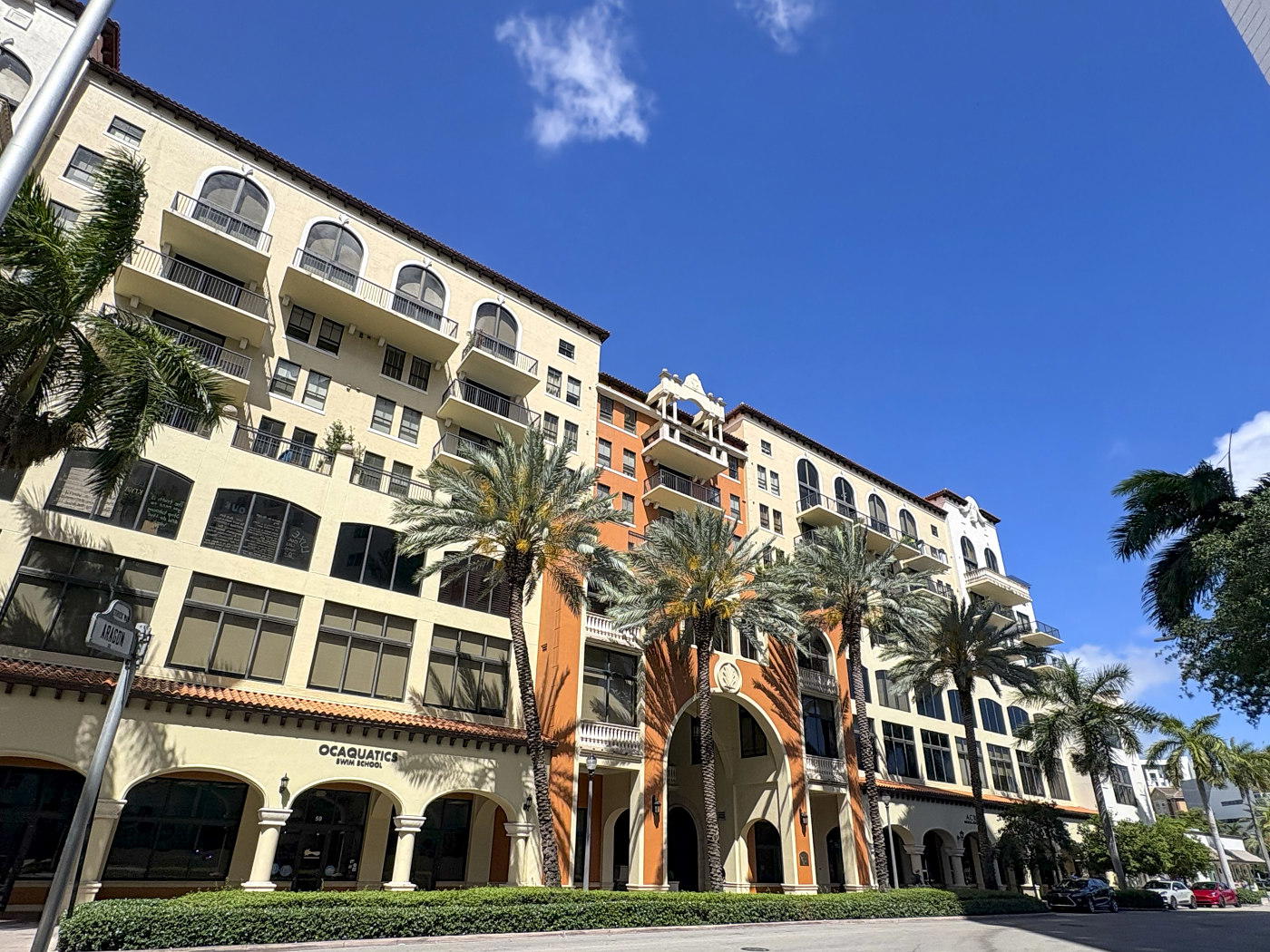
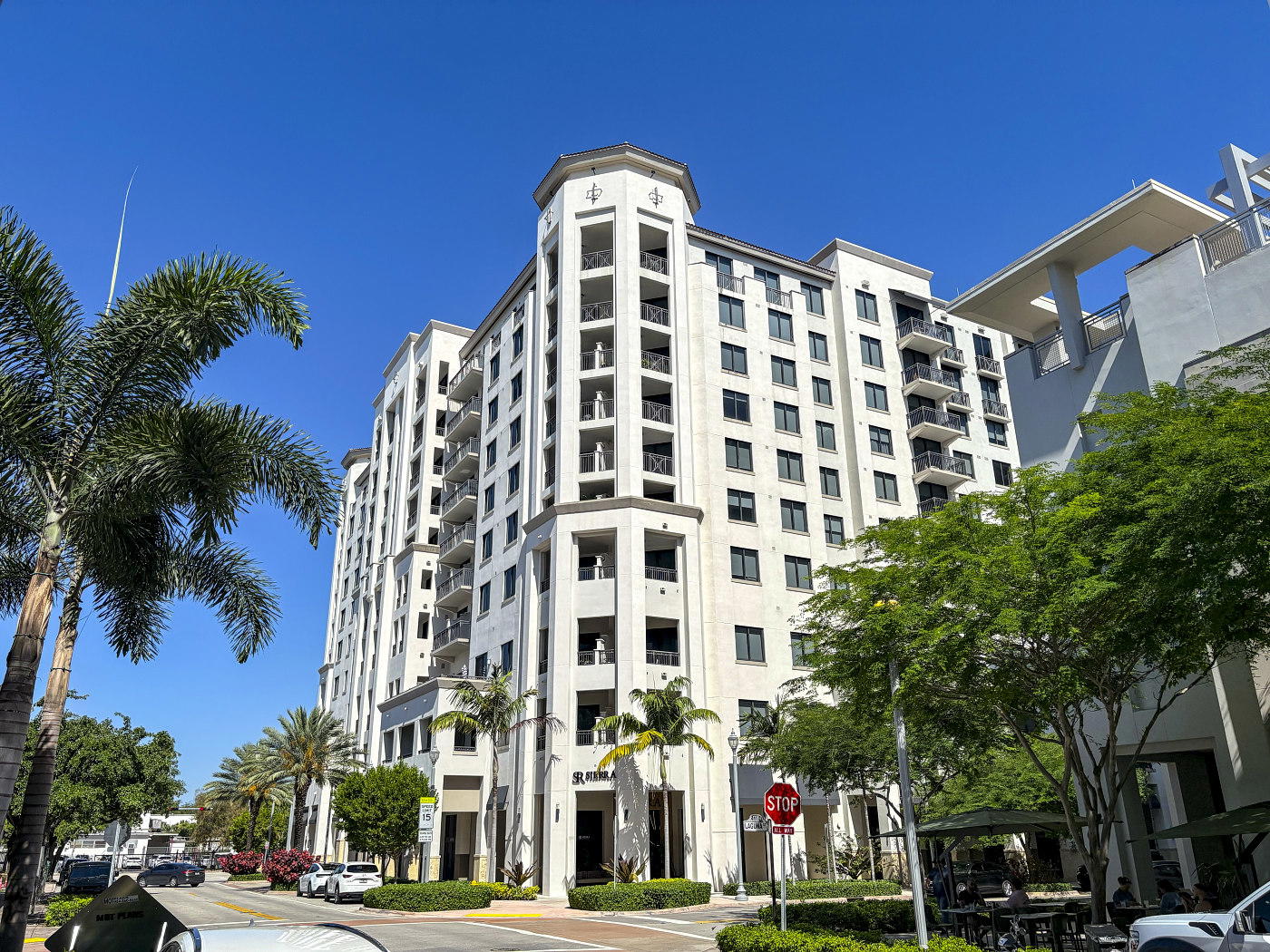
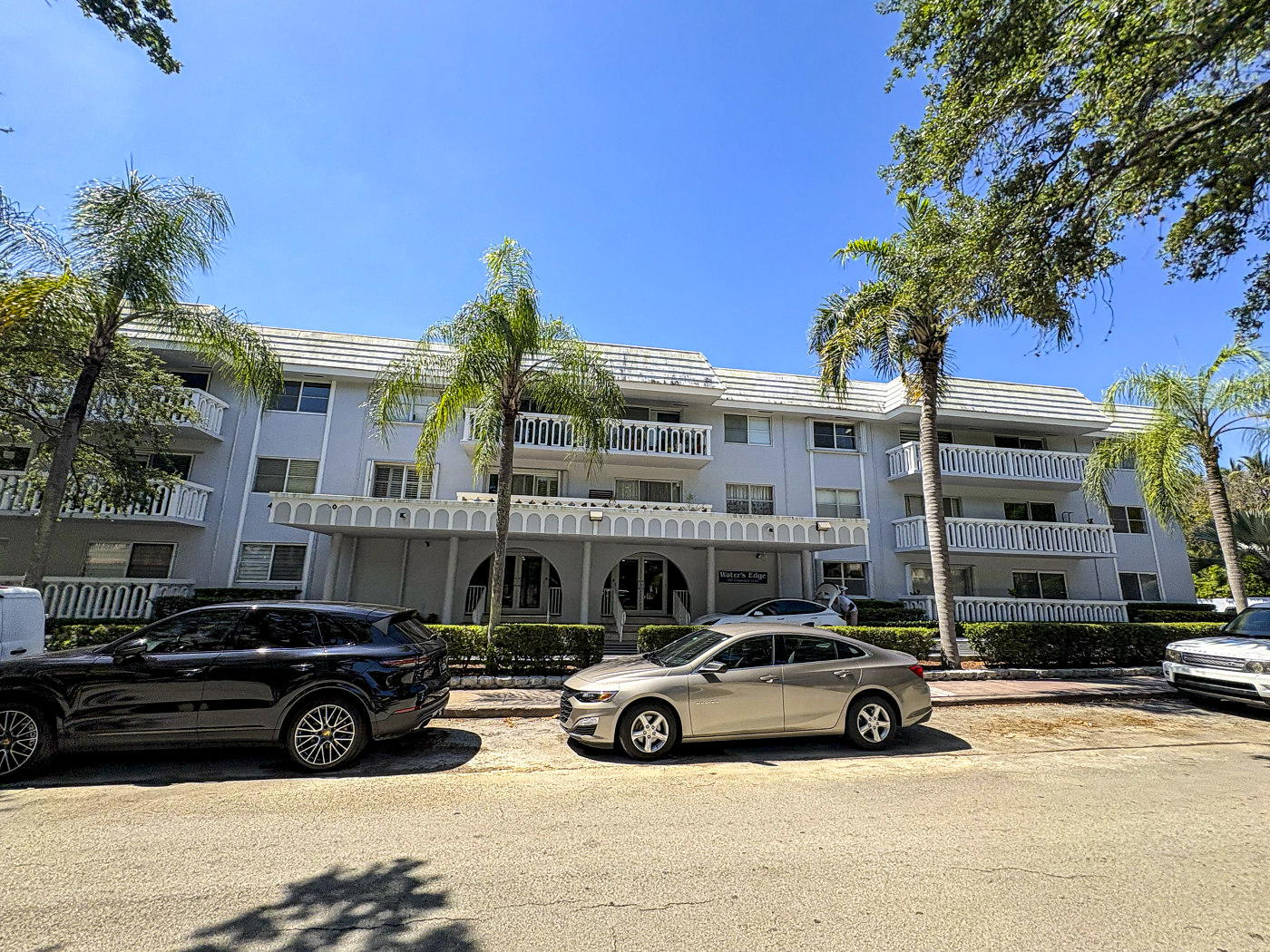
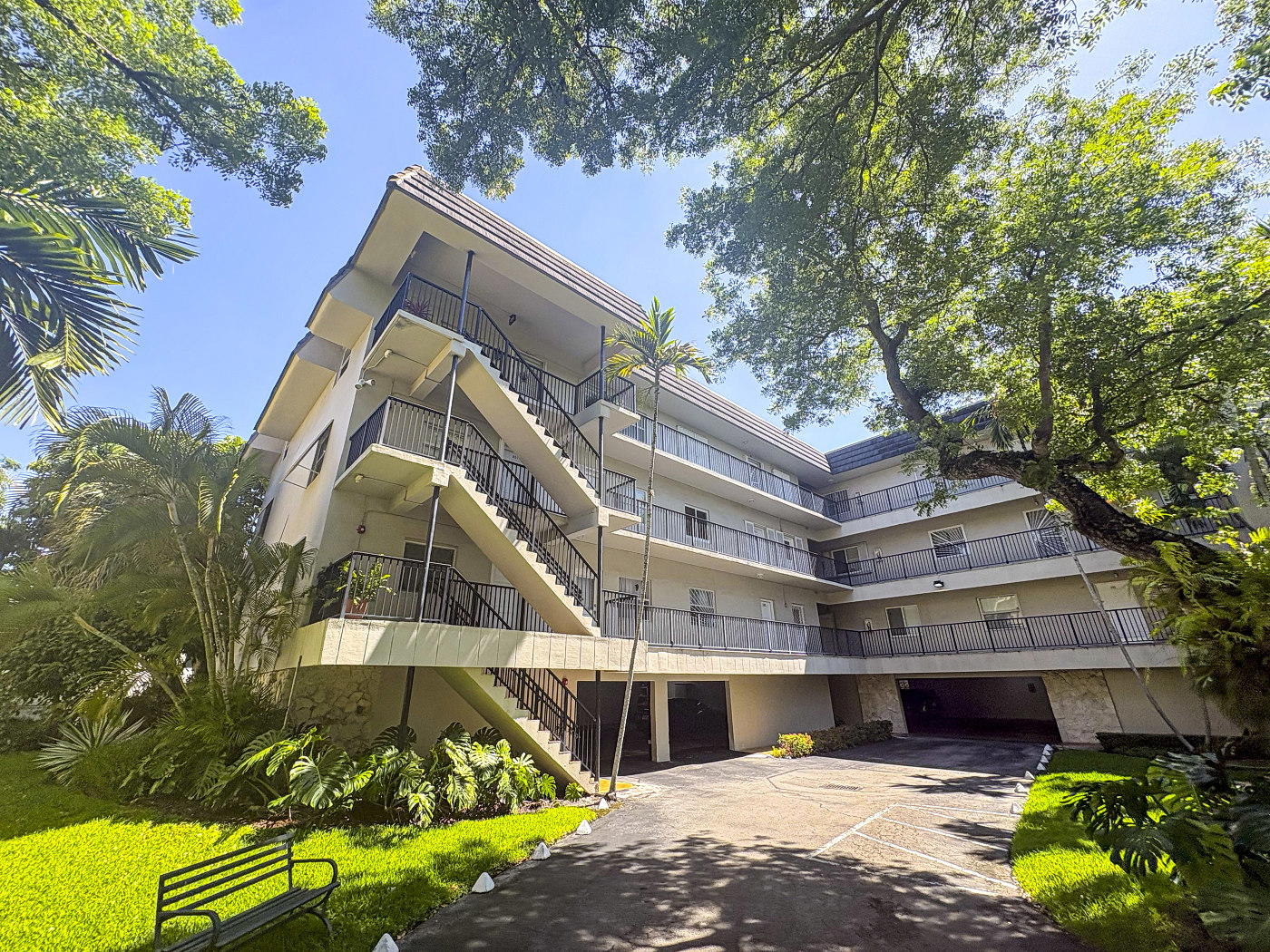
Buildings in Coral Gables
Recently Listed
For Sale in Coral Gables



Recently Listed
For Rent in Coral Gables


Lifestyle & Highlights
The best of Coral Gables
Where to Eat
Coral Gables holds a 2026 Michelin star, two Bib Gourmands and a half-dozen recommended rooms, most of them within four blocks of Giralda Plaza.
Shingo
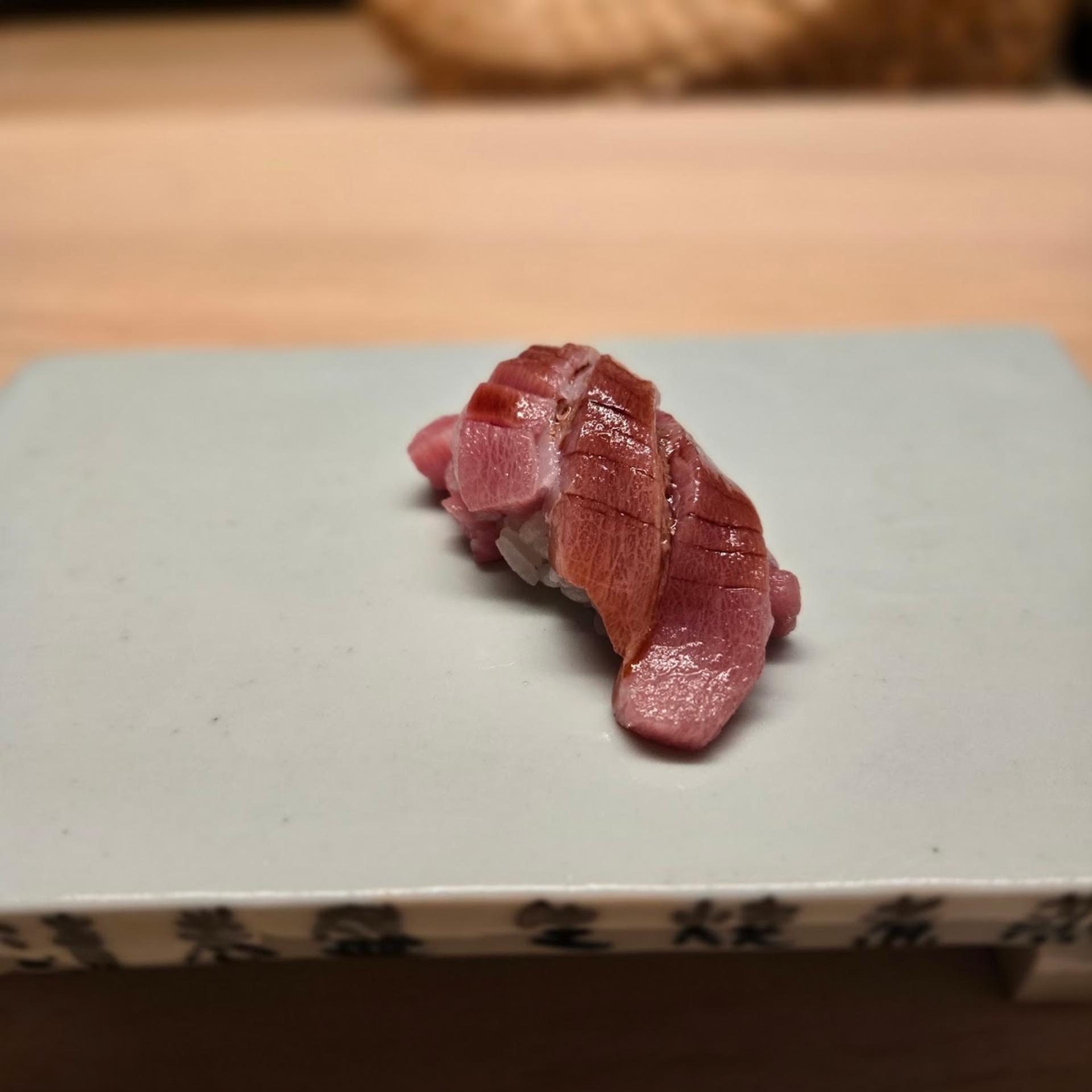
Coral Gables' only Michelin star, retained in the 2026 Florida guide: Osaka-trained Shingo Akikuni runs a 14-seat omakase counter in the 1924 La Palma building with fish flown almost entirely from Japan.
112 Alhambra Cir, Coral Gables, FL 33134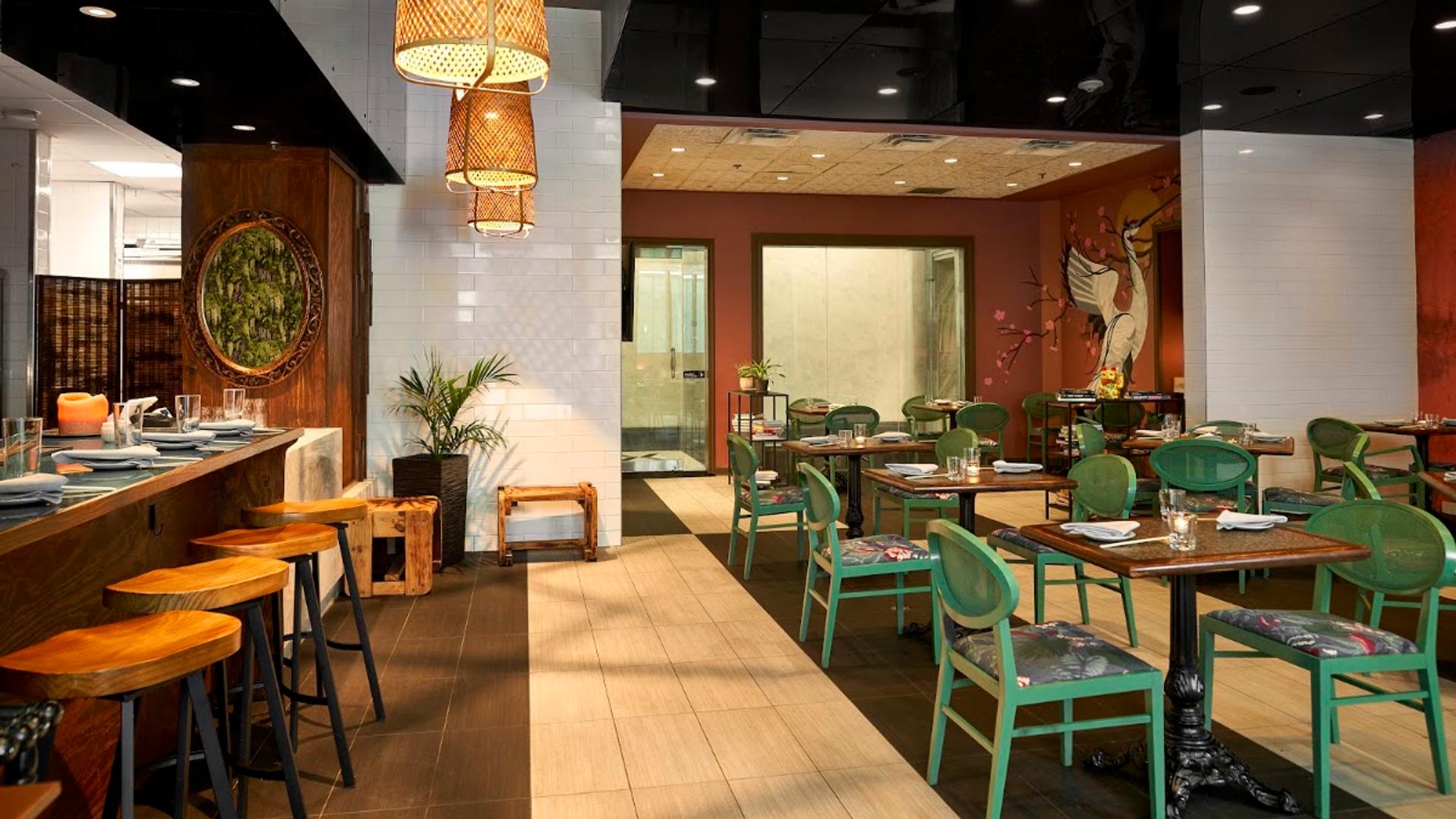
Zitz Sum
Pablo Zitzmann's borderless dumpling house, a 2026 Michelin Bib Gourmand: Niman Ranch short-rib dumplings and tamarind-black-garlic har gow, dinner Tuesday to Saturday.
396 Alhambra Cir Ste 155, Coral Gables, FL 33134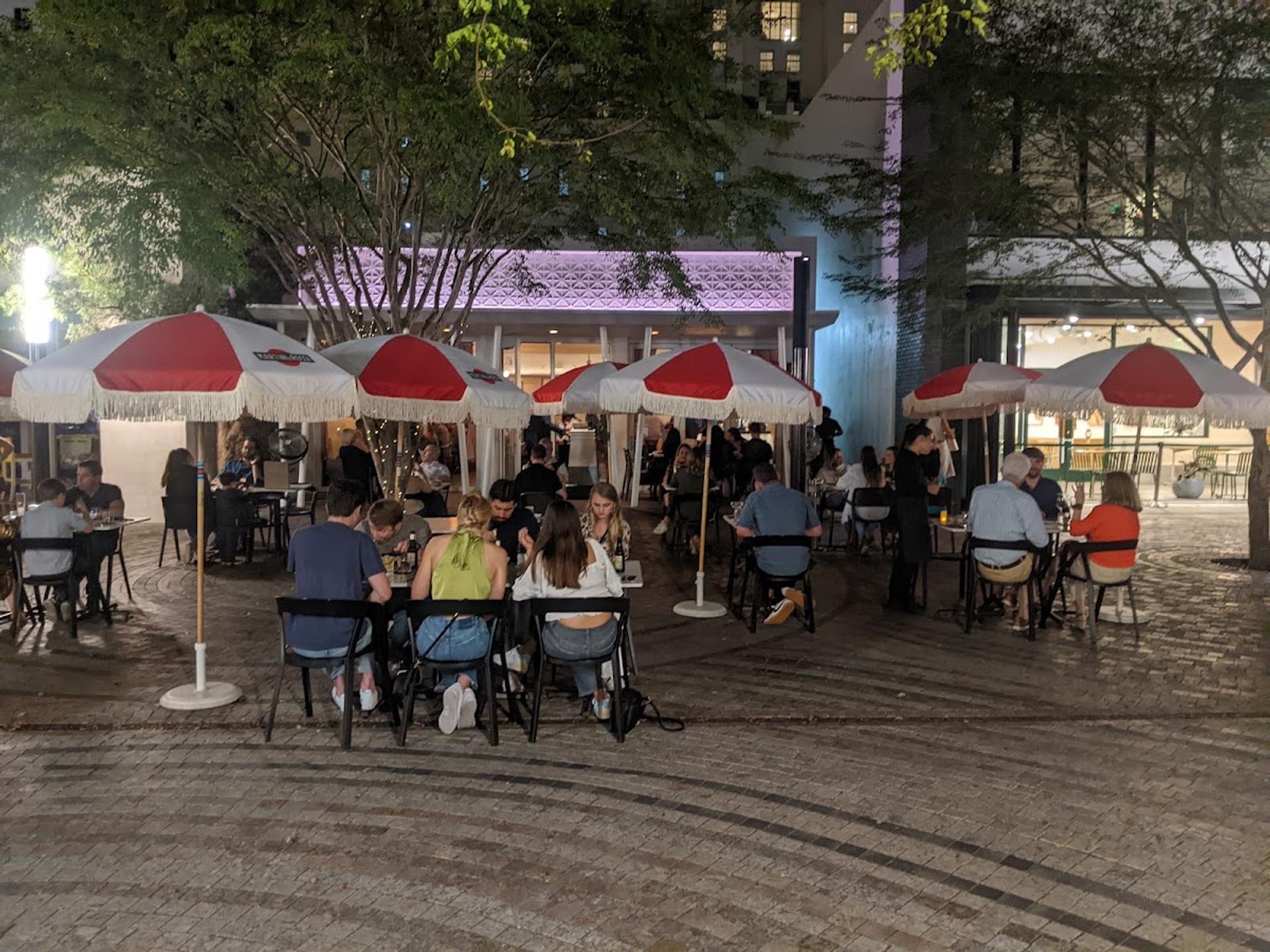
Luca Osteria
Giorgio Rapicavoli's Michelin-recommended osteria on the pedestrian plaza: handmade pastas, seasonal menus and the biggest patio on Giralda.
116 Giralda Ave, Coral Gables, FL 33134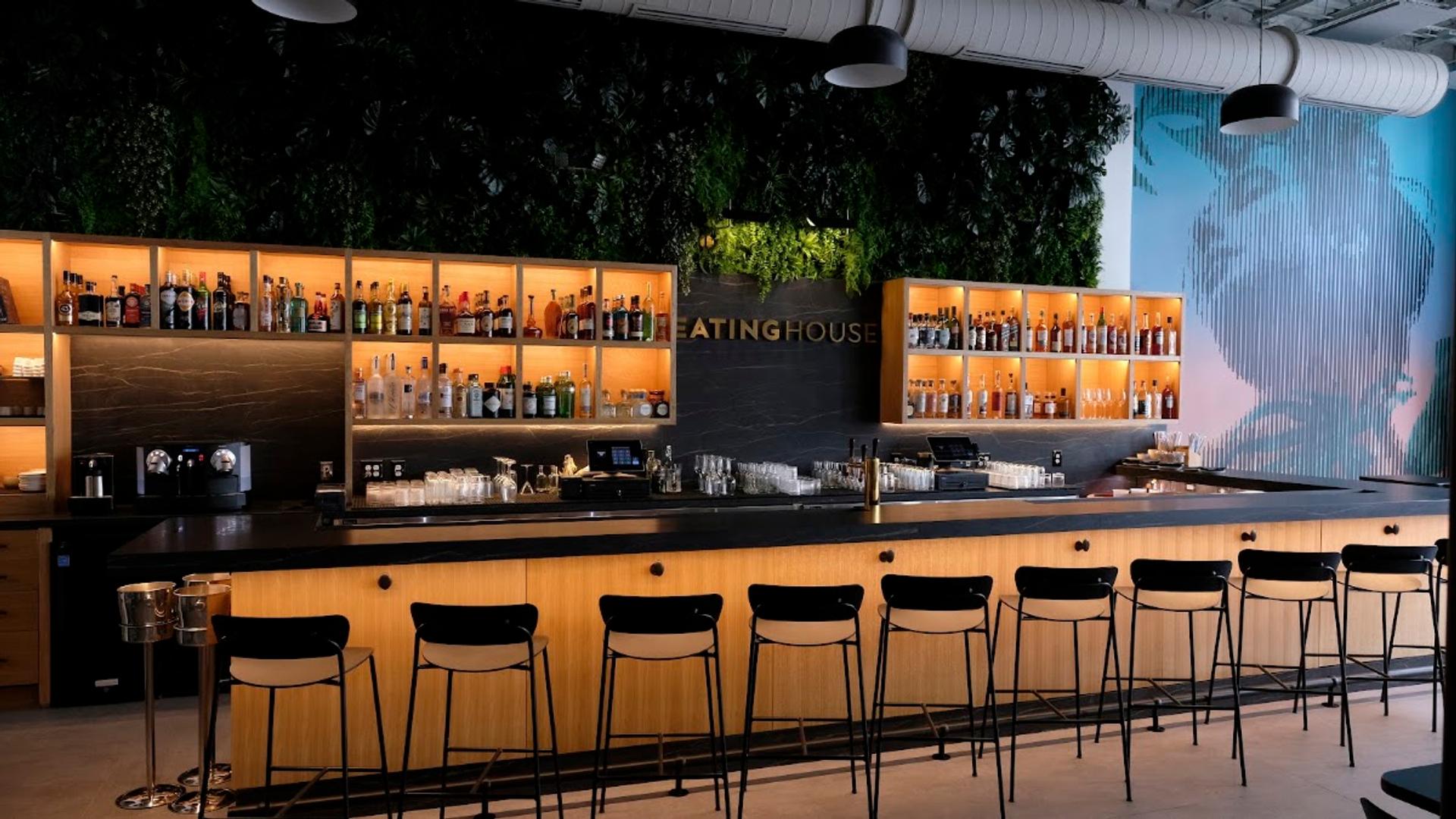
Eating House
Rapicavoli's original modern-American room, dinner Wednesday to Sunday with weekend brunch; still on the Miami Spice roster in 2026.
128 Giralda Ave, Coral Gables, FL 33134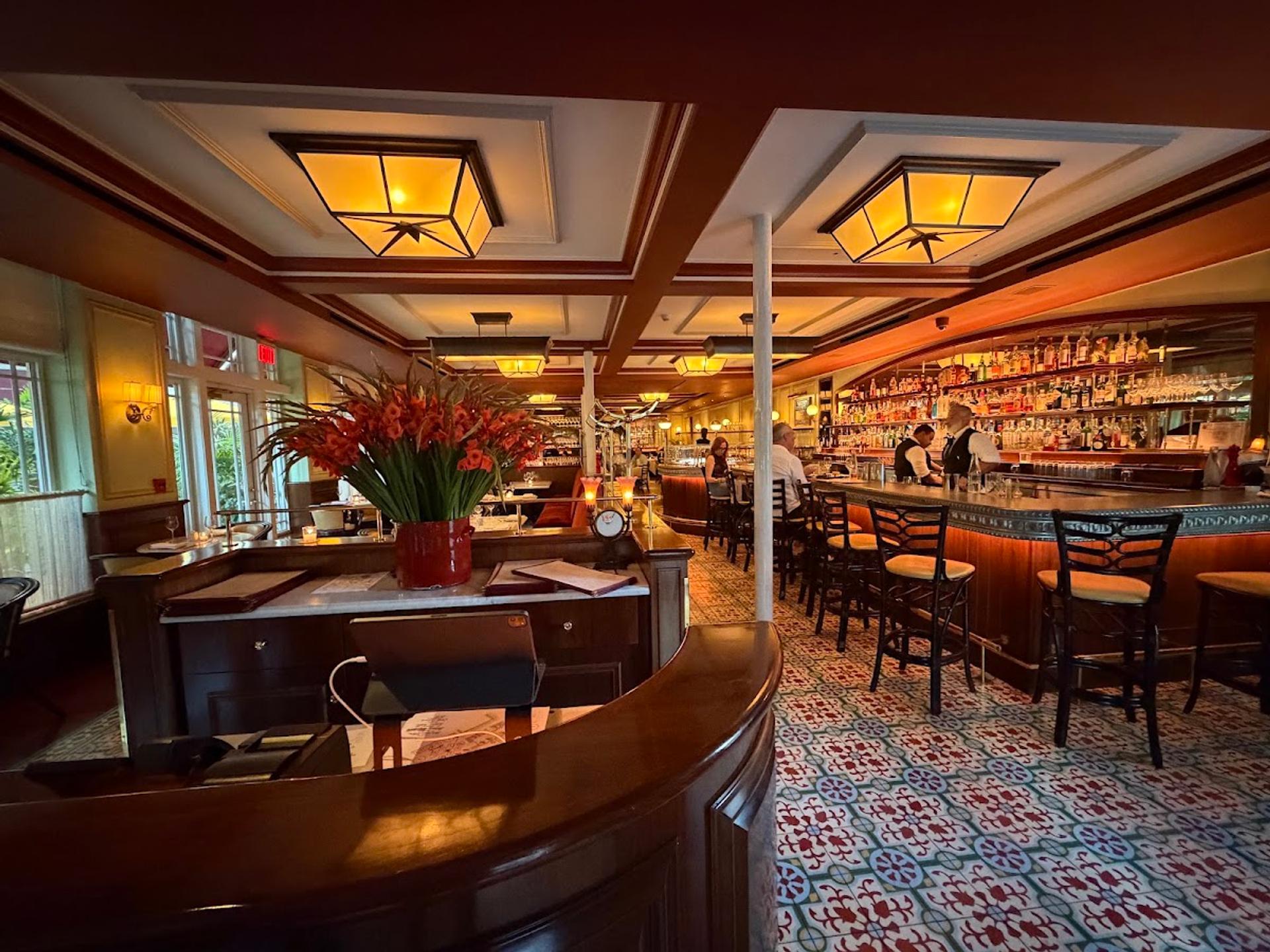
Bouchon Bistro
Thomas Keller's French bistro in the 1924 La Palma courtyard: bistro classics with caviar and truffle upgrades in a room that sits between formal and casual.
2101 Galiano St, Coral Gables, FL 33134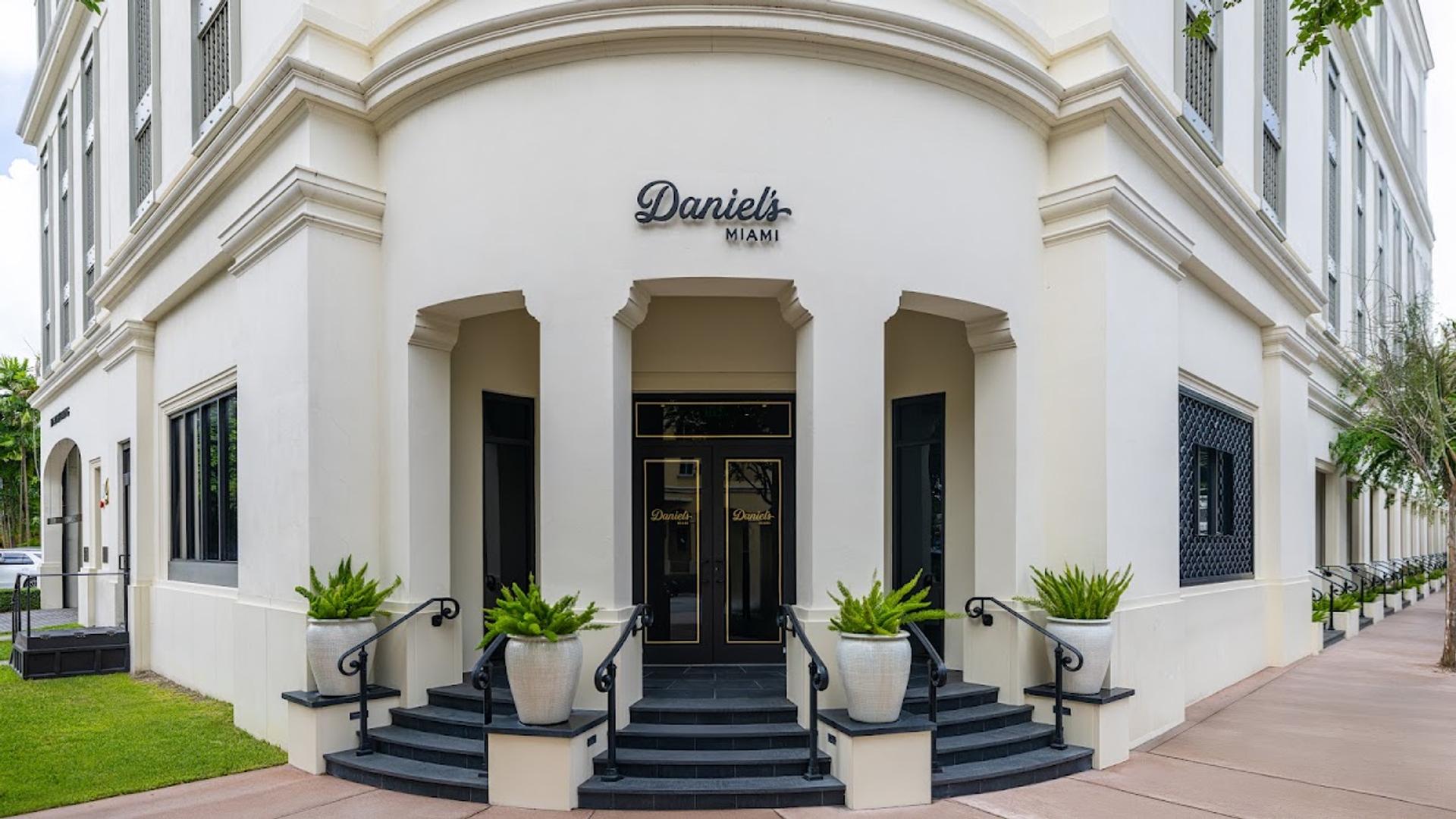
Daniel's Miami
The Fort Lauderdale steakhouse's second location, in the former Fiola space near the university, Michelin-recommended within six months of opening for Florida-ranch steaks.
1500 San Ignacio Ave, Coral Gables, FL 33146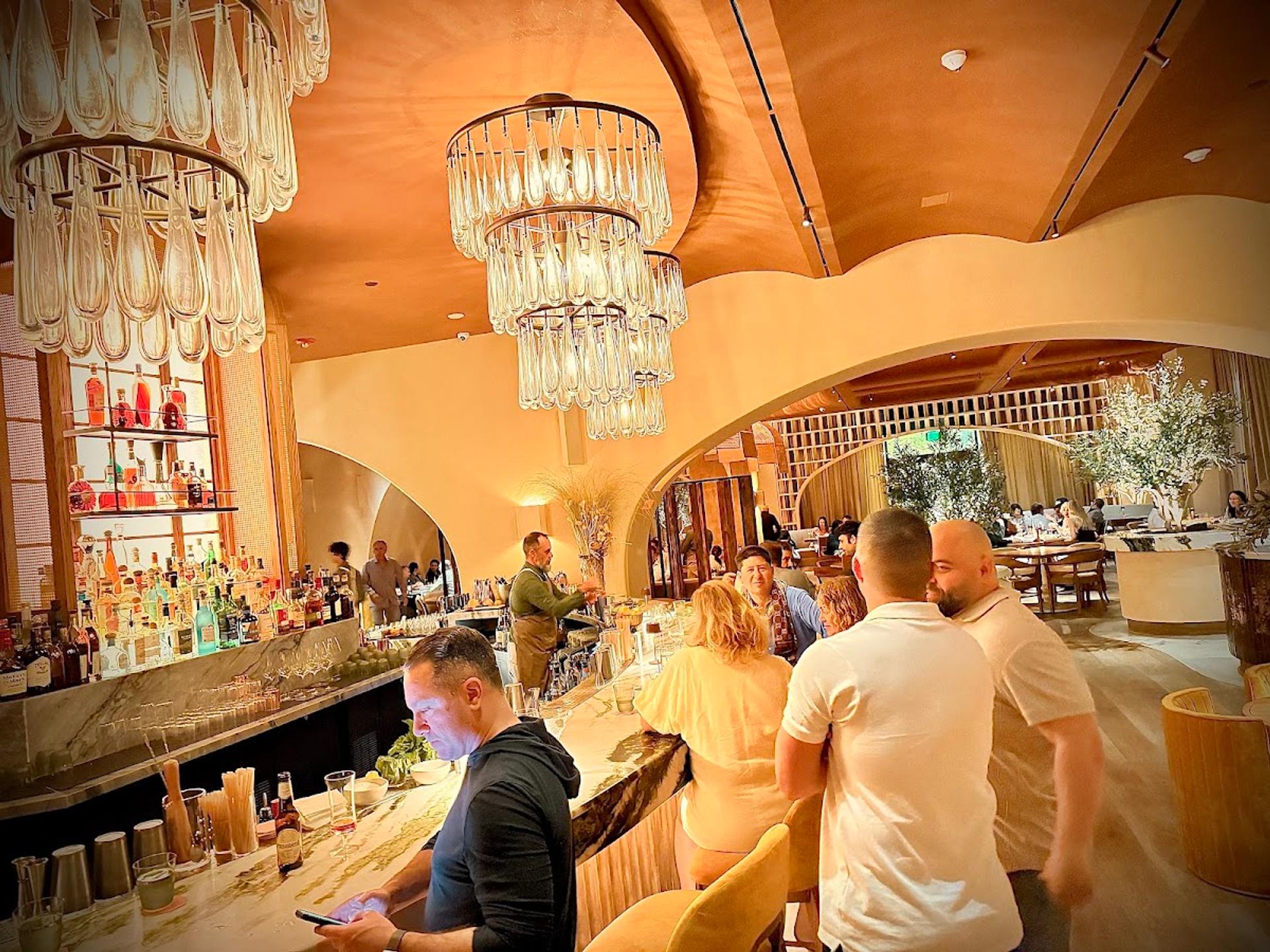
MIKA
Chef Michael White's first standalone Florida restaurant, at The Plaza Coral Gables: coastal-Riviera crudos, pasta and steak.
3007 Ponce de Leon Blvd, Coral Gables, FL 33134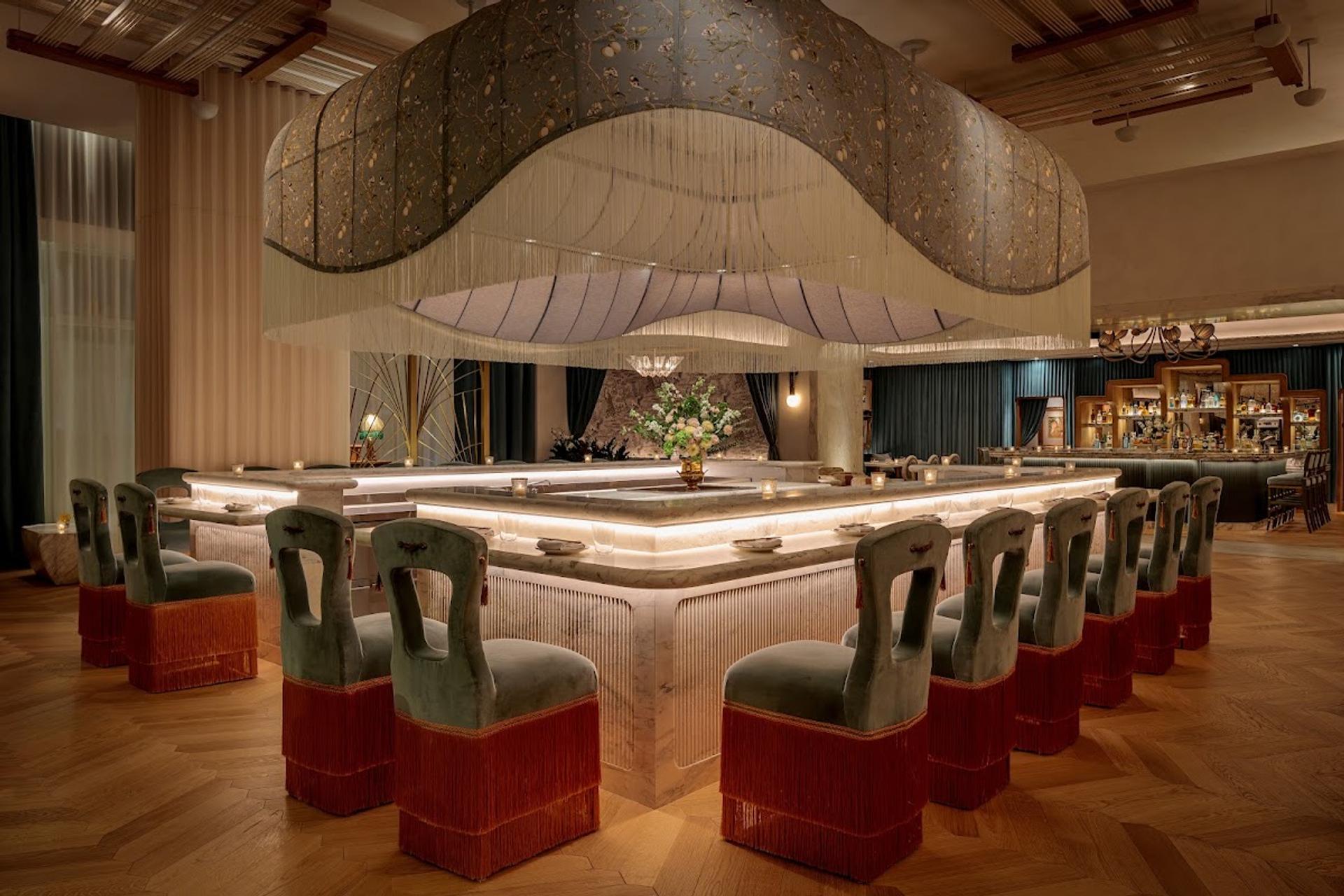
Mottai
Opened February 2026 at The Plaza: modern Japanese from Brazil's Attivo Group, with Brian Nasajon directing the kitchen and sushi chef Hiroshi Shintaku at the counter.
2881 Ponce de Leon Blvd, Coral Gables, FL 33134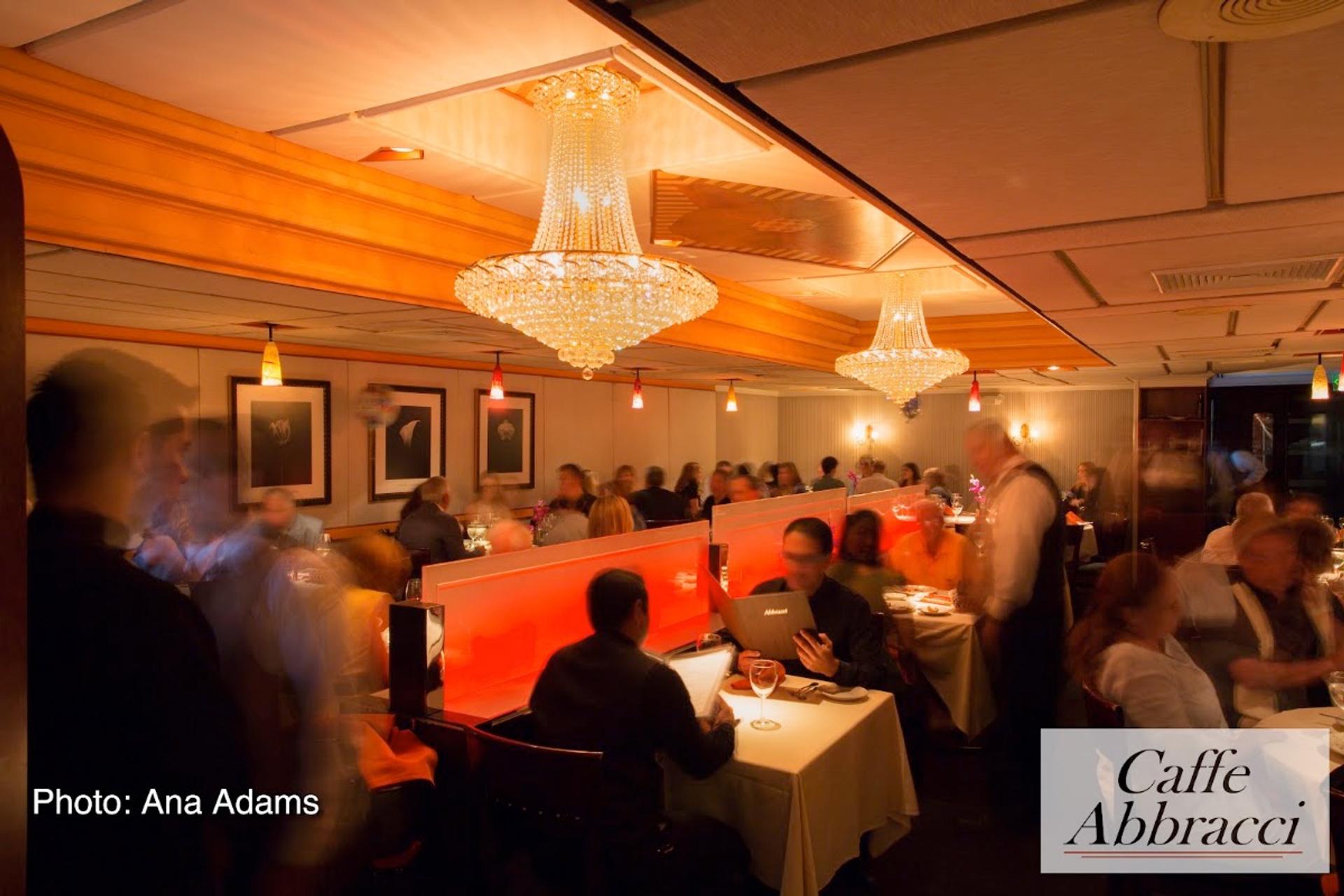
Caffe Abbracci
The 1989 white-tablecloth Italian still run on founder Nino Pernetti's brand of hospitality; the room locals book for anniversaries and closing dinners.
318 Aragon Ave, Coral Gables, FL 33134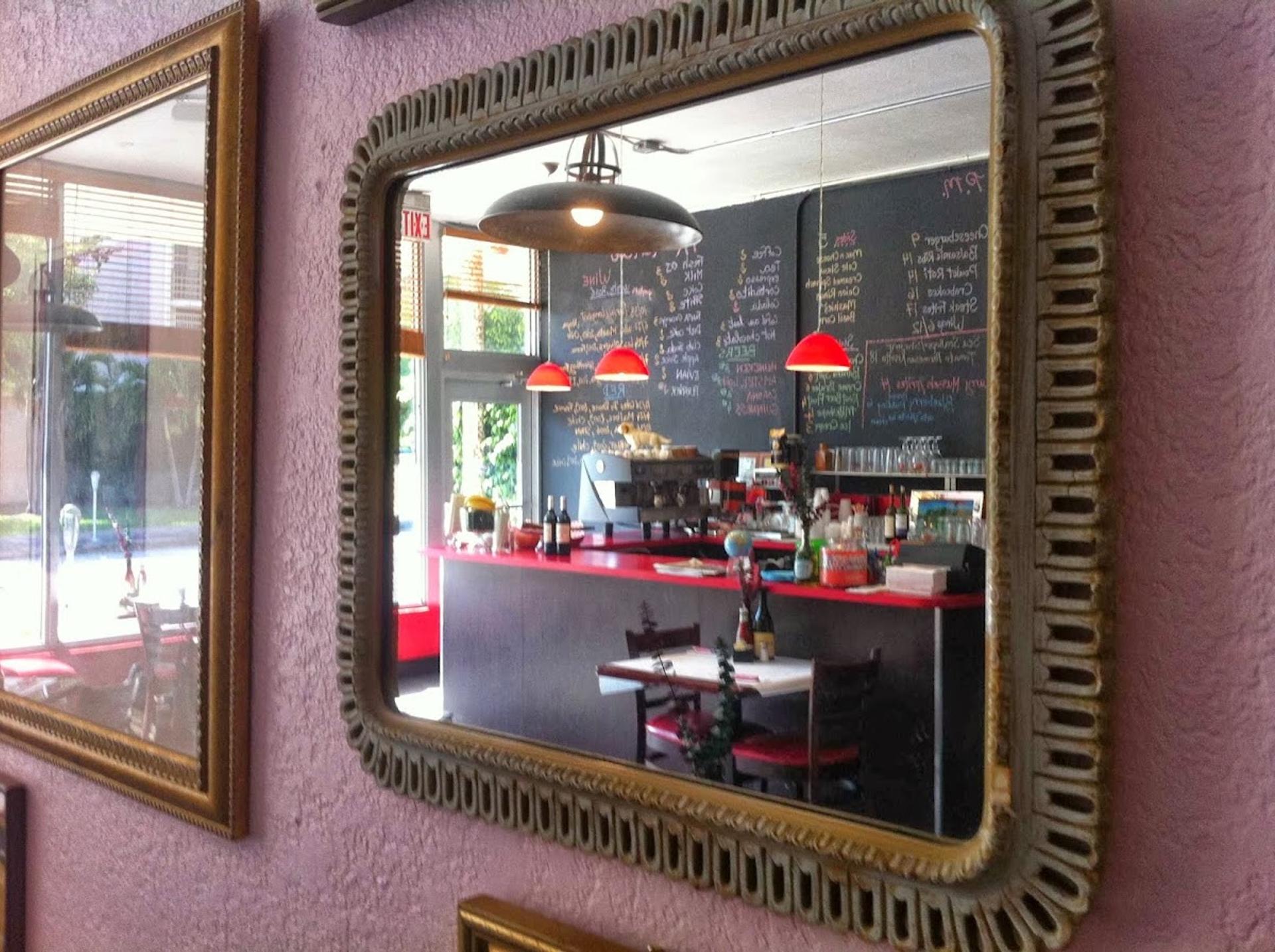
Frenchie's Diner
A chalkboard-menu French bistro in a tight side-street room: onion soup and duck confit done properly, at side-street prices.
2618 Galiano St, Coral Gables, FL 33134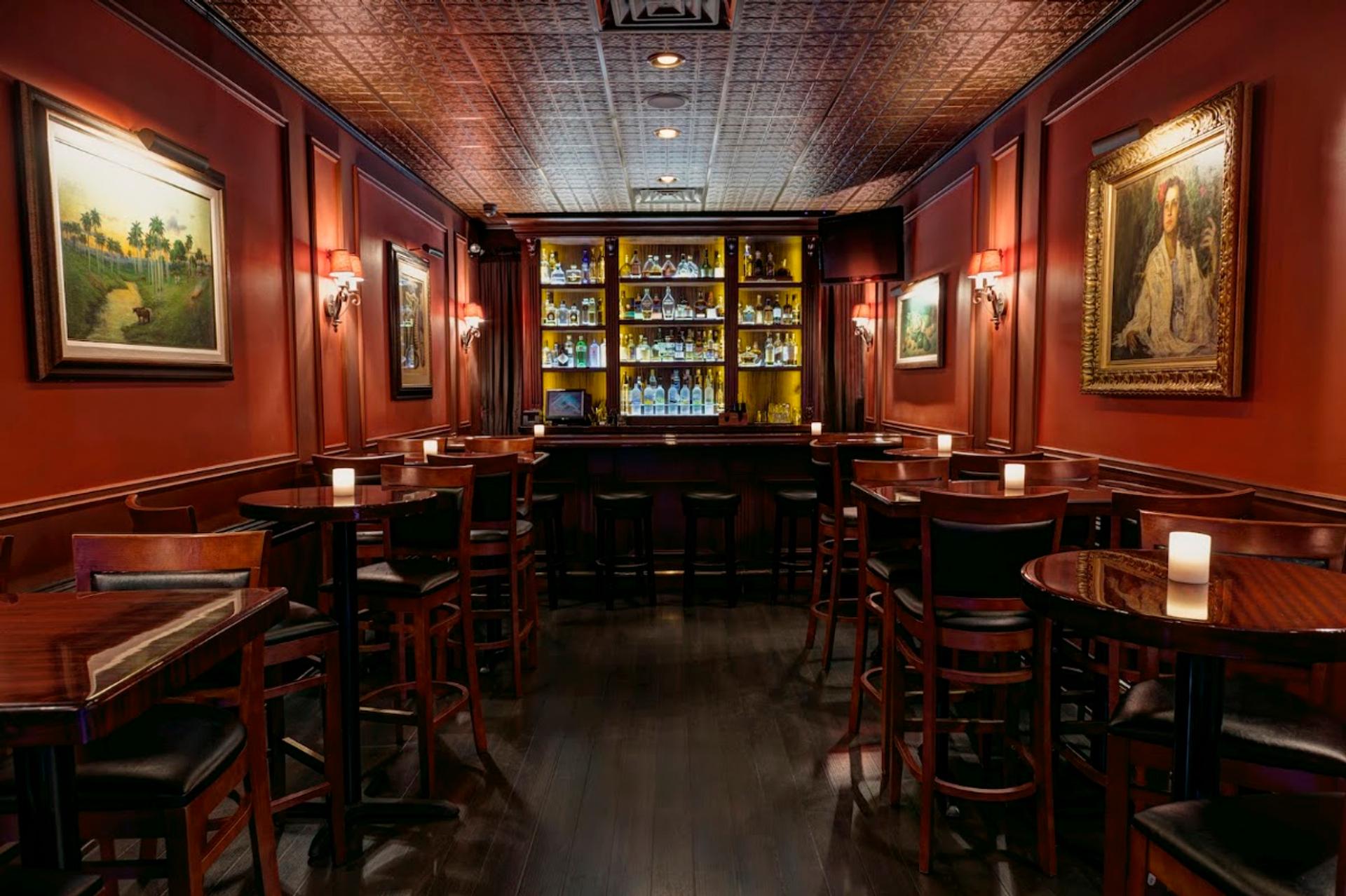
Christy's
Coral Gables' oldest steakhouse, open since 1978: prime rib and aged steaks in a dark, Mad Men-era room.
3101 Ponce de Leon Blvd, Coral Gables, FL 33134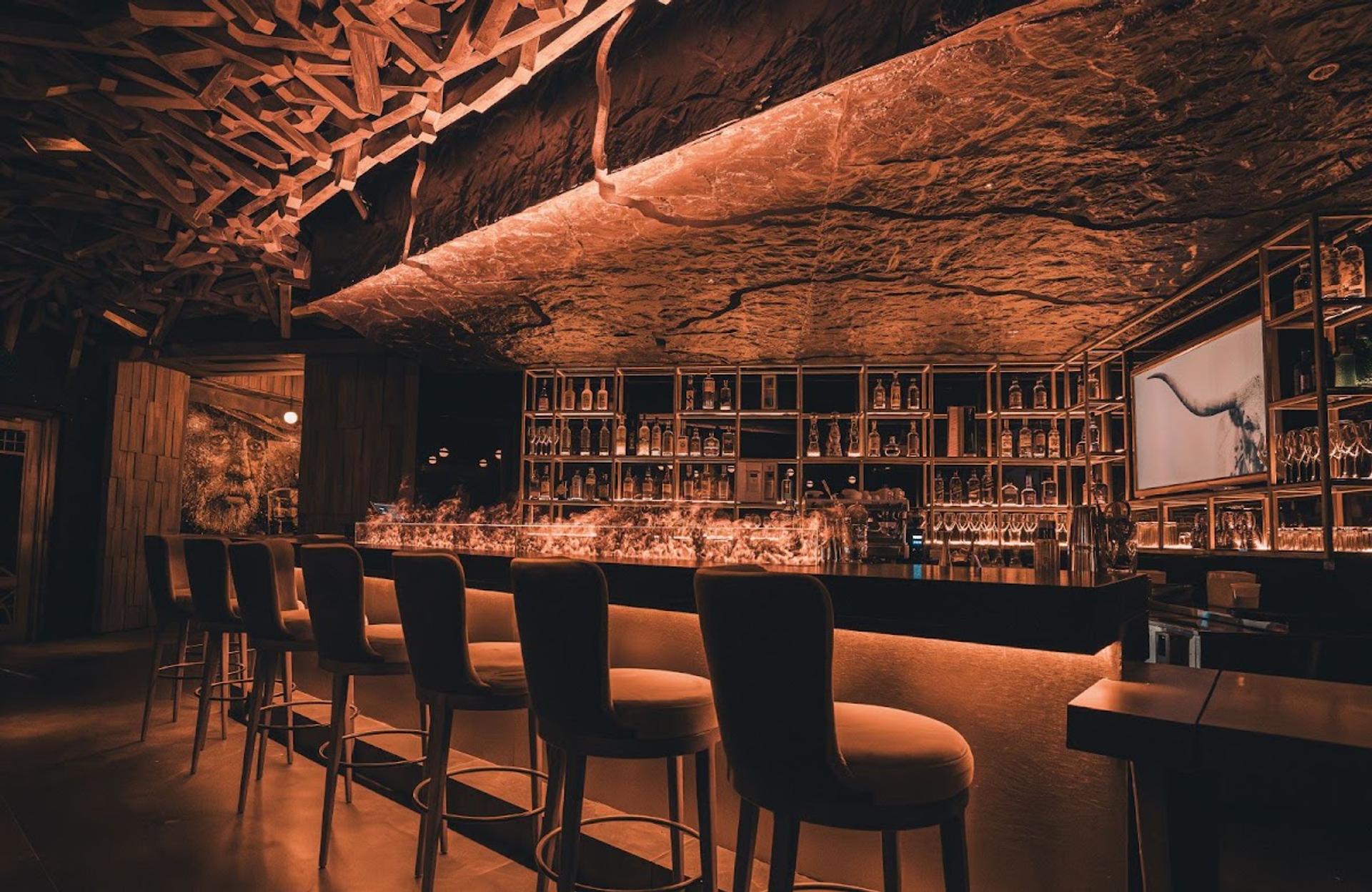
RÒ Steakhouse
Inventive steakhouse in a cave-like room at the base of Alhambra Towers: dry-aged cuts, a raw bar and a rib eye priced below its neighbours.
121 Alhambra Plaza, Coral Gables, FL 33134Coffee and Bakeries
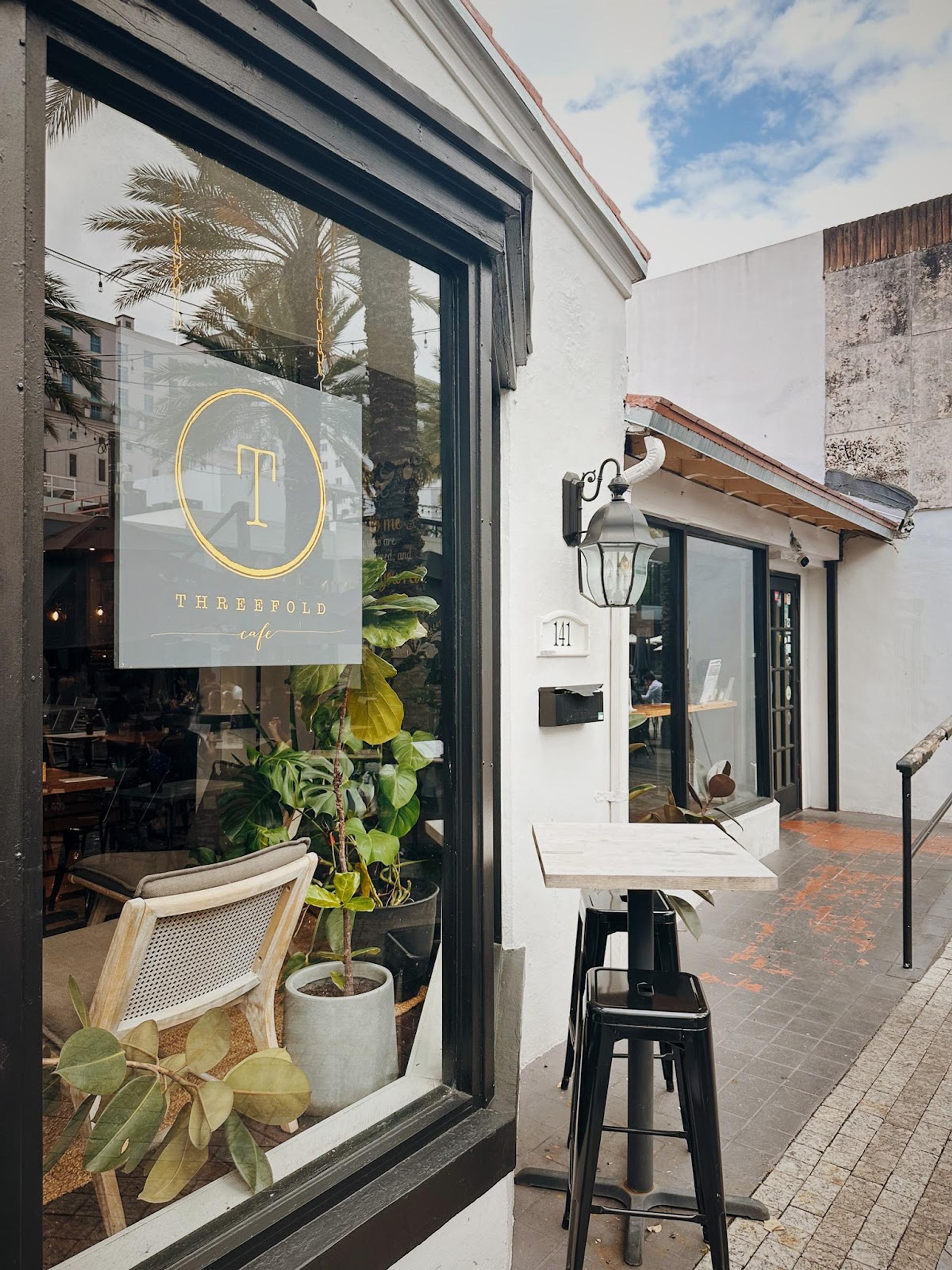
Threefold Cafe
The 2014 original that seeded Miami's Australian café scene: flat whites, all-day breakfast, shrimp tacos and smashed-avocado toast on the plaza.
141 Giralda Ave, Coral Gables, FL 33134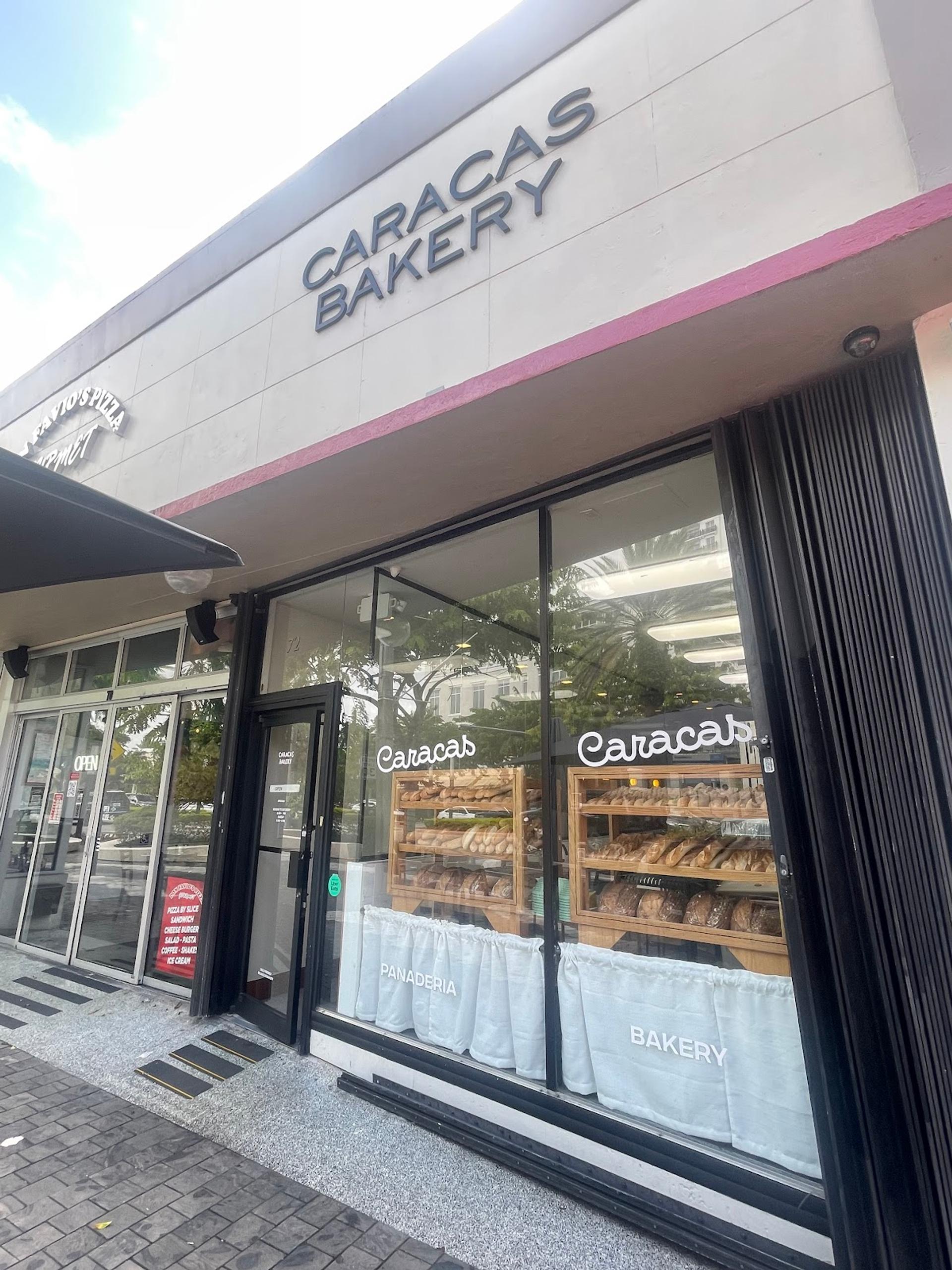
Caracas Bakery
Venezuelan bakery with some of the best pastries in Miami: cachitos, golfeados and café con leche, with a breakfast line and limited seating.
72 Miracle Mile, Coral Gables, FL 33134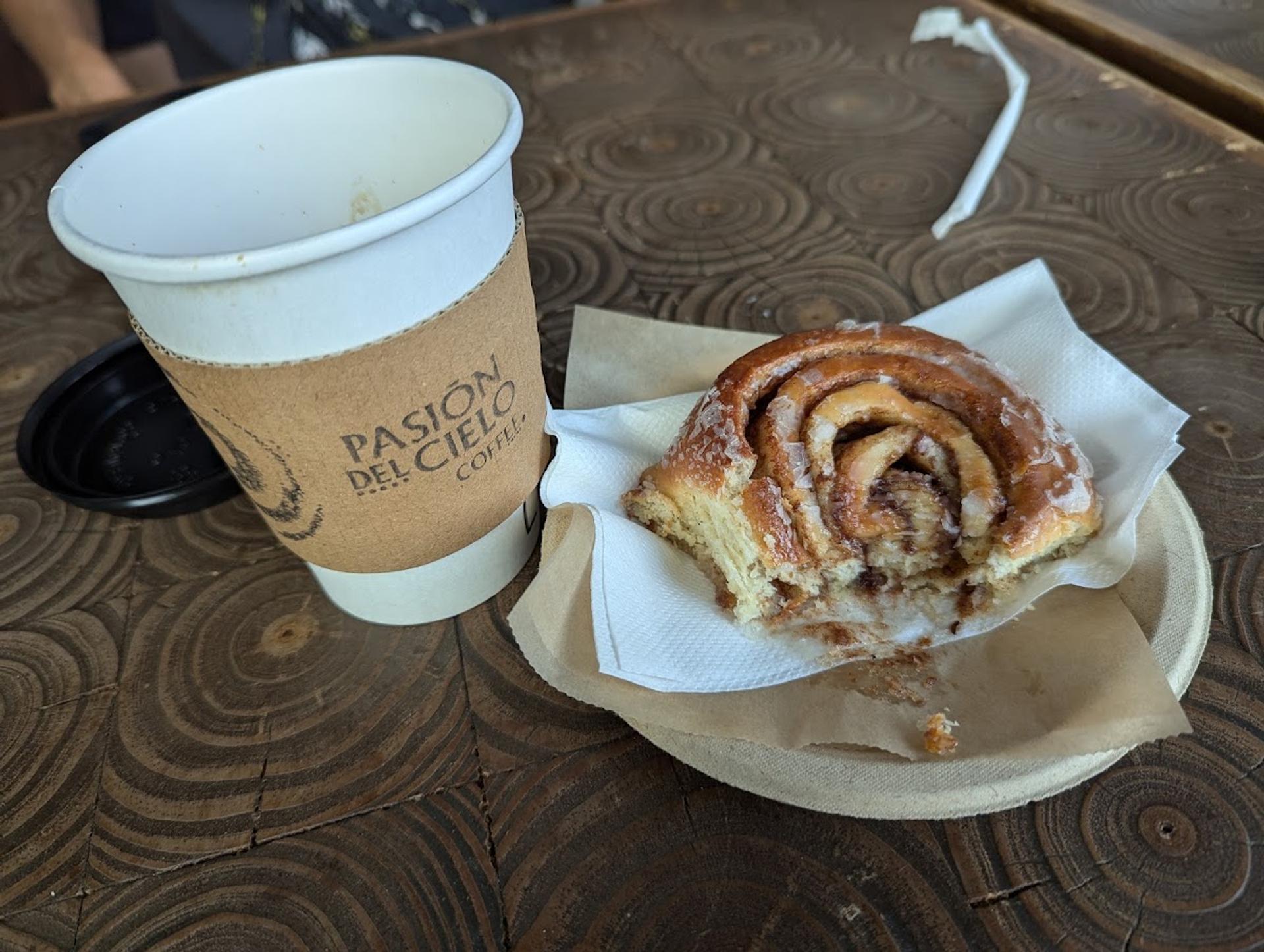
Pasión del Cielo
Pick your origin, then watch the pour-over: single-origin beans by country on a tiled patio, open until 8pm daily.
100 Giralda Ave, Coral Gables, FL 33134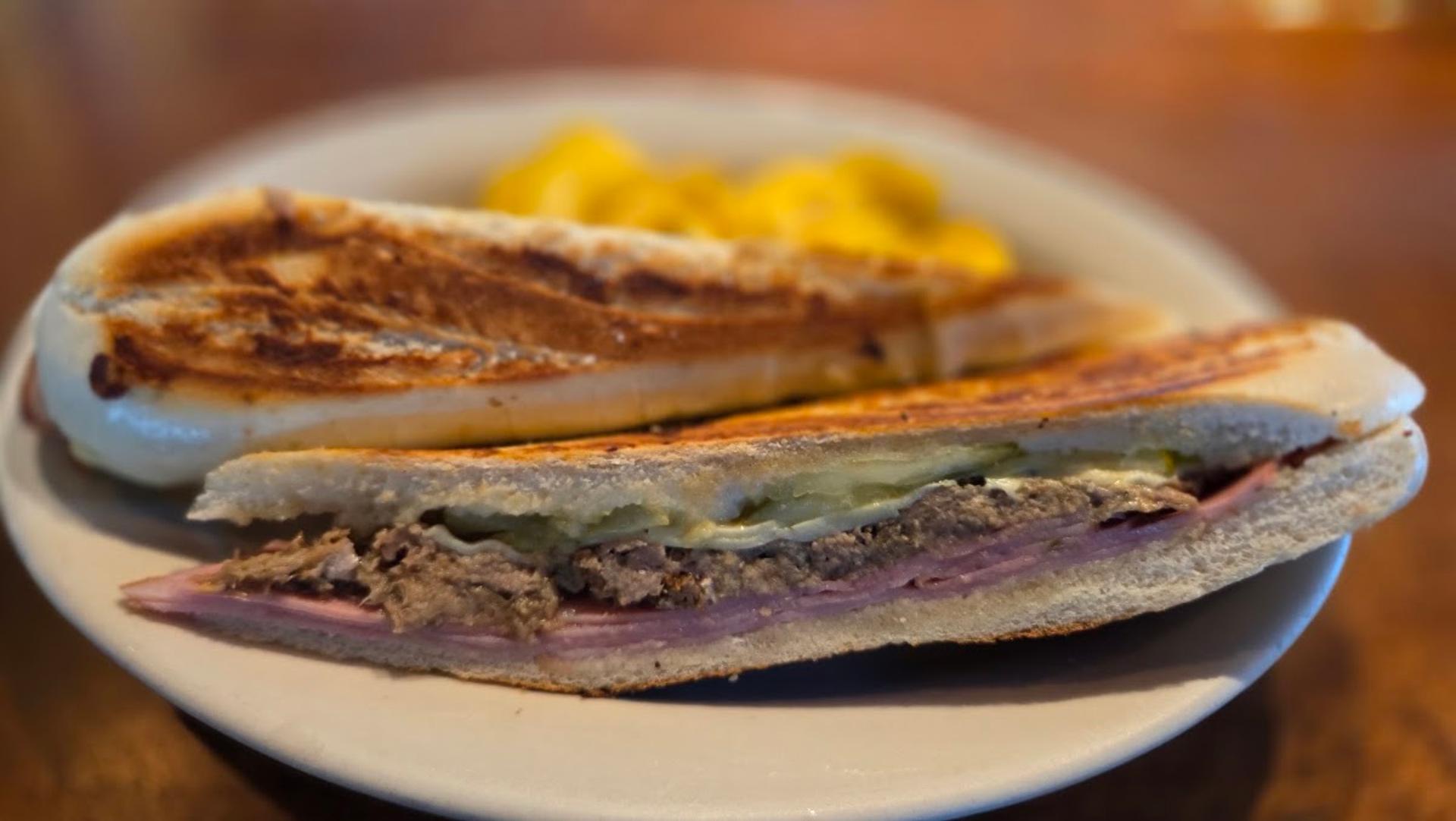
Tinta y Café
A 2026 Michelin Bib Gourmand for a Cuban coffee shop in a converted gas station: croquetas, the patria Cuban sandwich, mid-century furniture and a no-laptop rule.
1315 Ponce de Leon Blvd, Coral Gables, FL 33134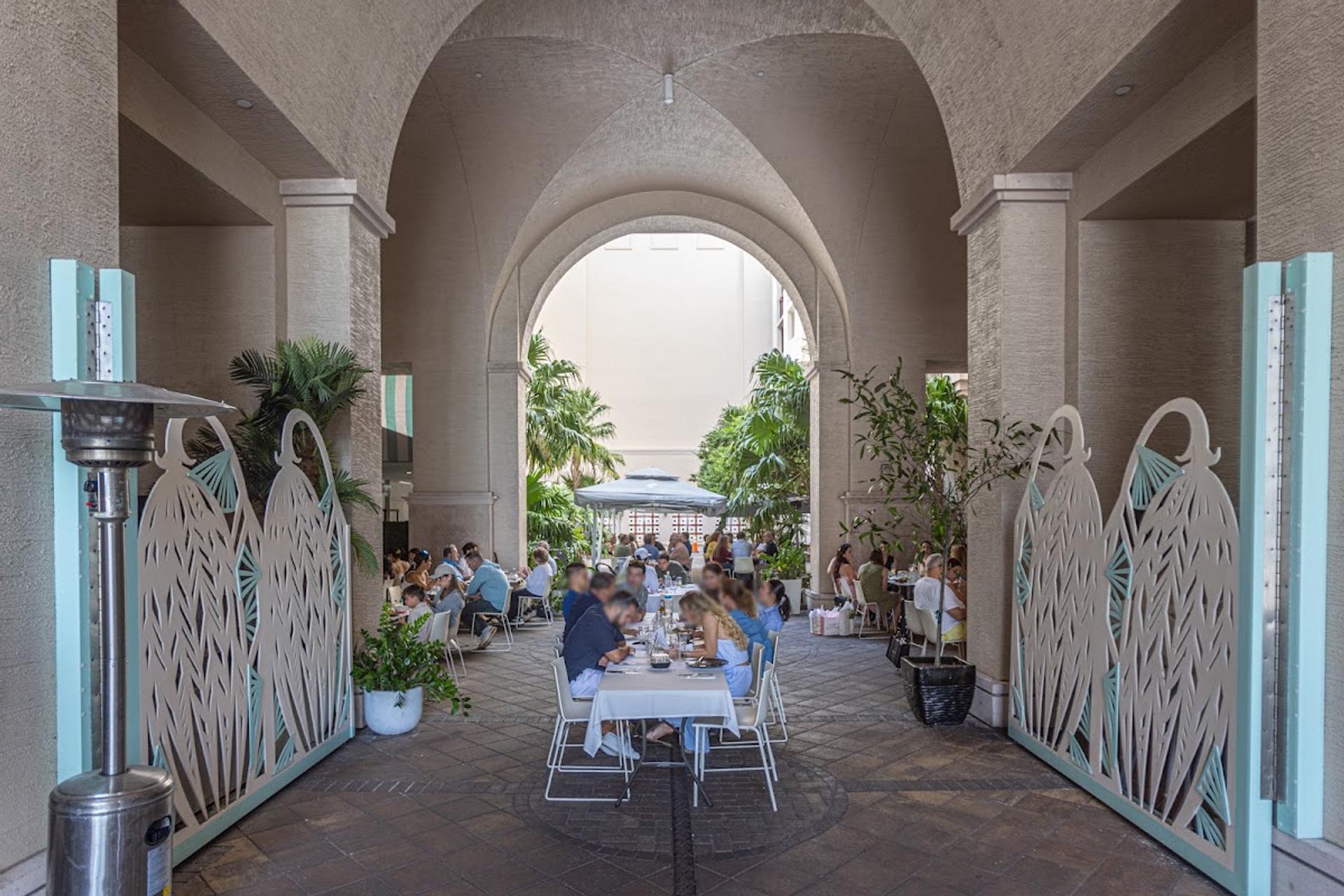
Bachour
Antonio Bachour's pastry shop and all-day restaurant, open 7am daily: laminated croissants, plated desserts and a brunch that books out.
2020 Salzedo St, Coral Gables, FL 33134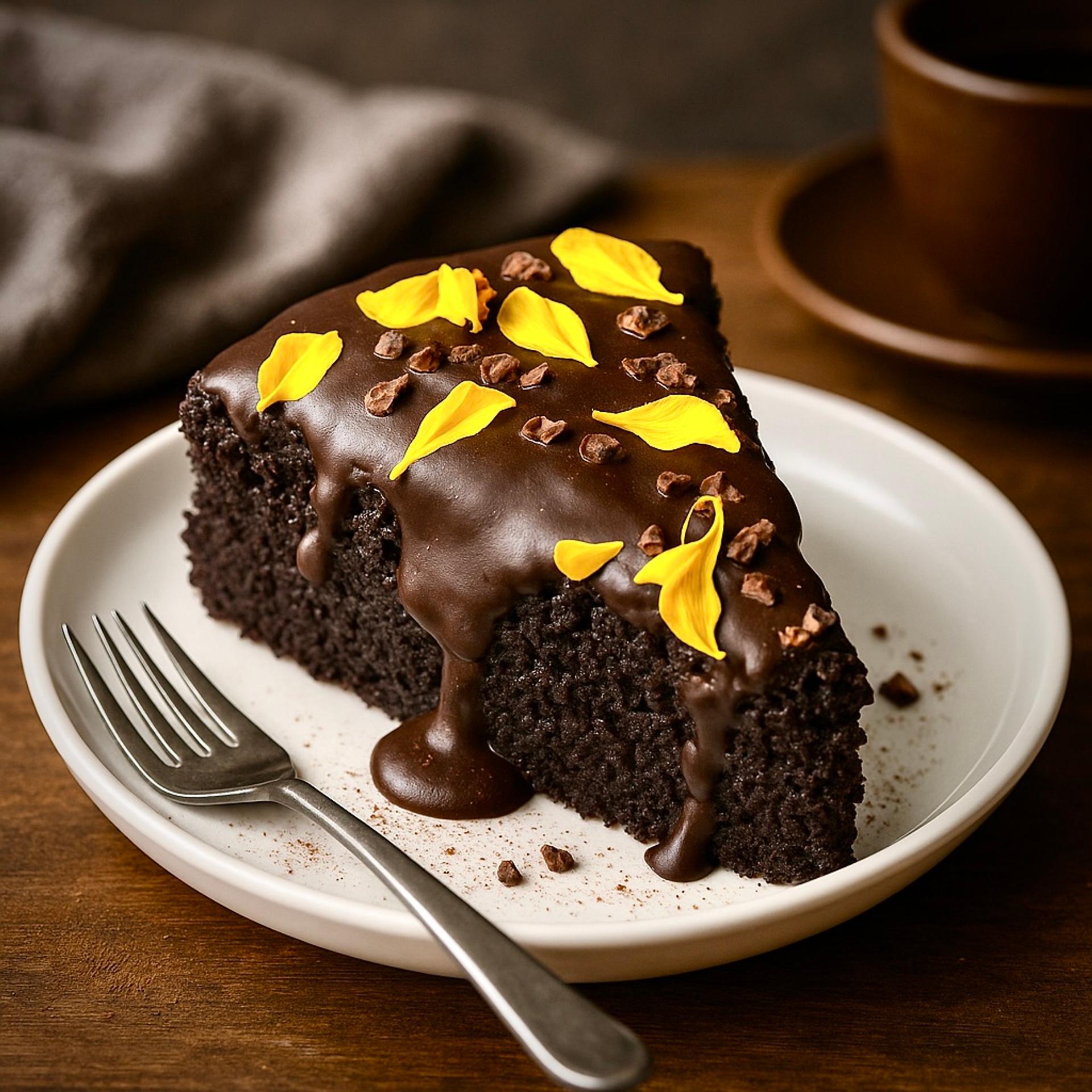
Façade Bakery
Minimalist French bakery that keeps laptops out: all-day breakfast, a spicy onion toast that shows up on every 2026 list, and serious croissants.
271 Giralda Ave, Coral Gables, FL 33134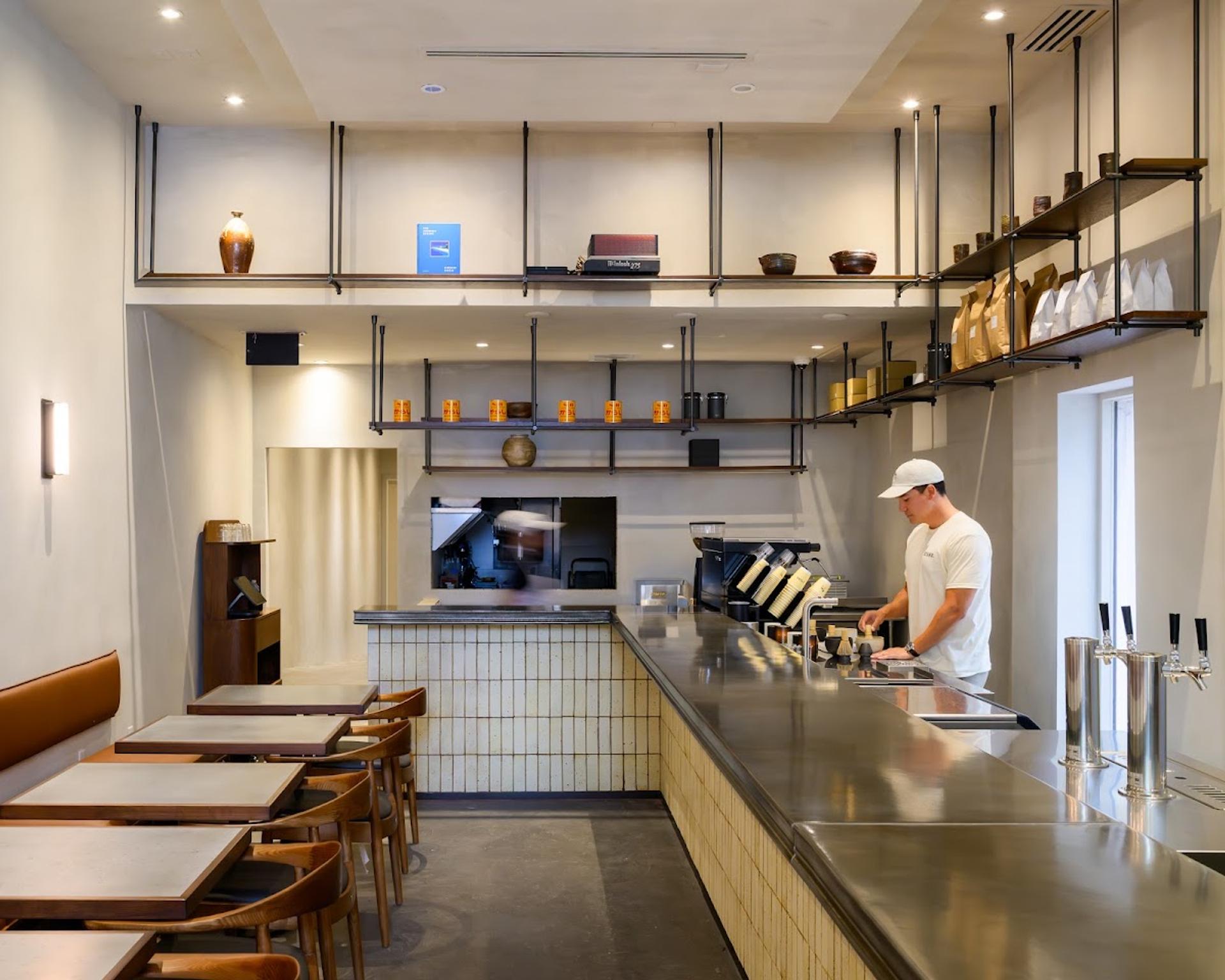
Stand
Japanese café on the Mile with breakfast toasts, sandos and carefully pulled espresso; one of the Infatuation's top three rooms in the Gables in 2026.
98 Miracle Mile, Coral Gables, FL 33134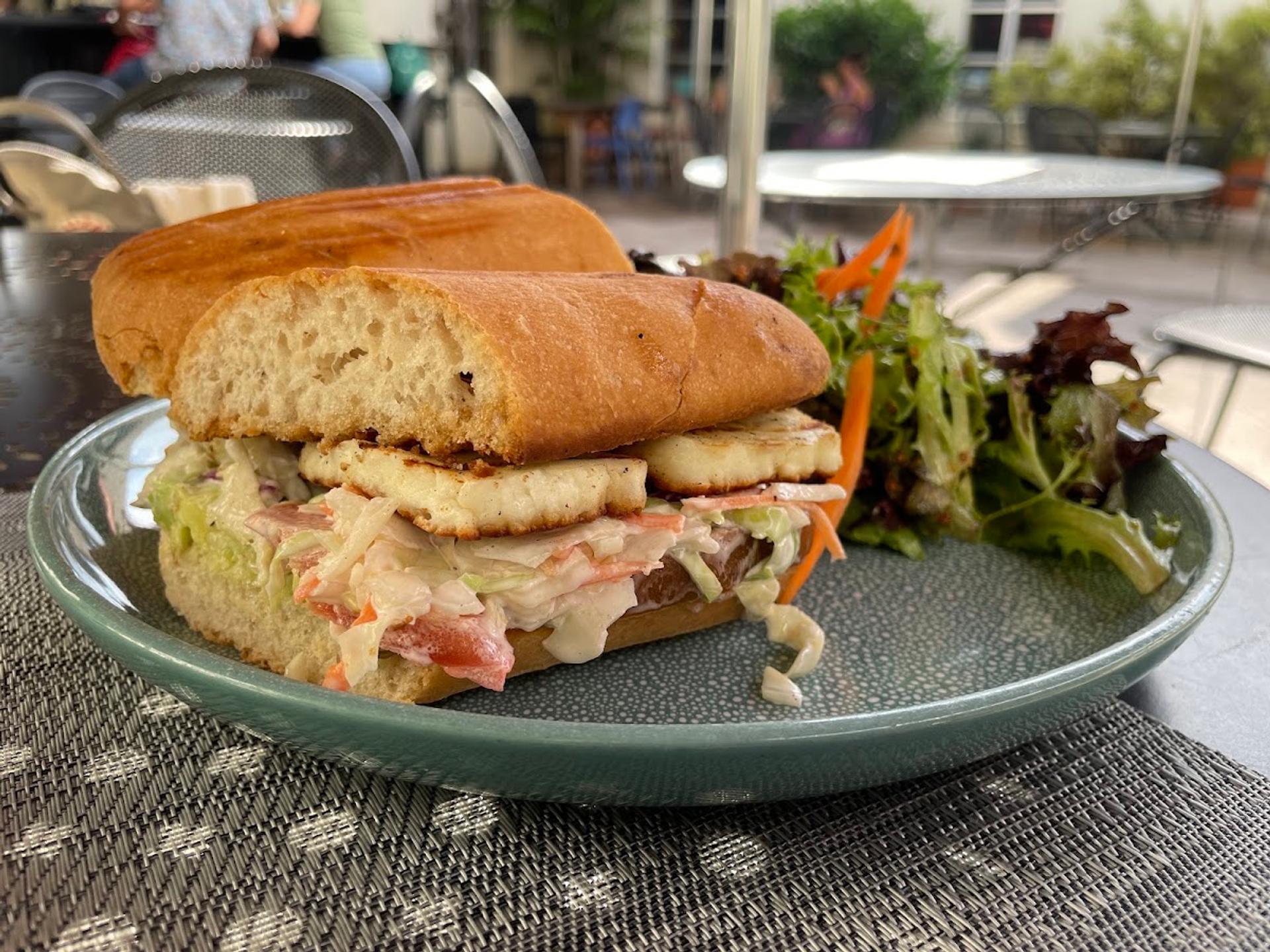
The Café at Books & Books
Courtyard café inside the flagship bookstore: soups, salads, sandwiches and live music on some evenings under the arcade.
265 Aragon Ave, Coral Gables, FL 33134After Dark
Coral Gables nightlife means Giralda Plaza and the Mile, and most of it closes by 1am; Copper 29 is the exception.
The Bar
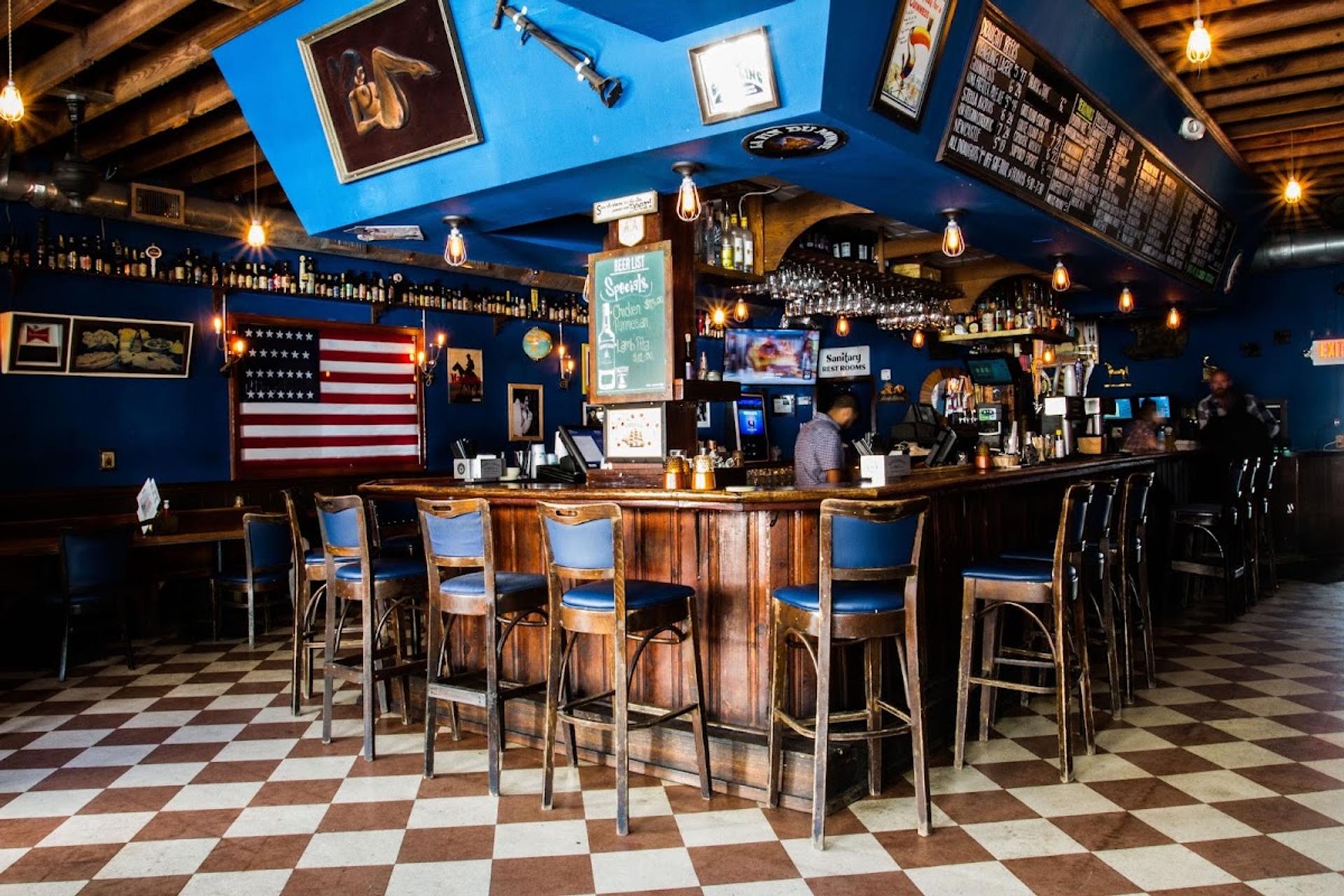
Open since 1946 as a beer hall and still the plaza's default: ten draughts, fifty-plus bottles, karaoke Tuesdays, weekend live music and two happy hours.
172 Giralda Ave, Coral Gables, FL 33134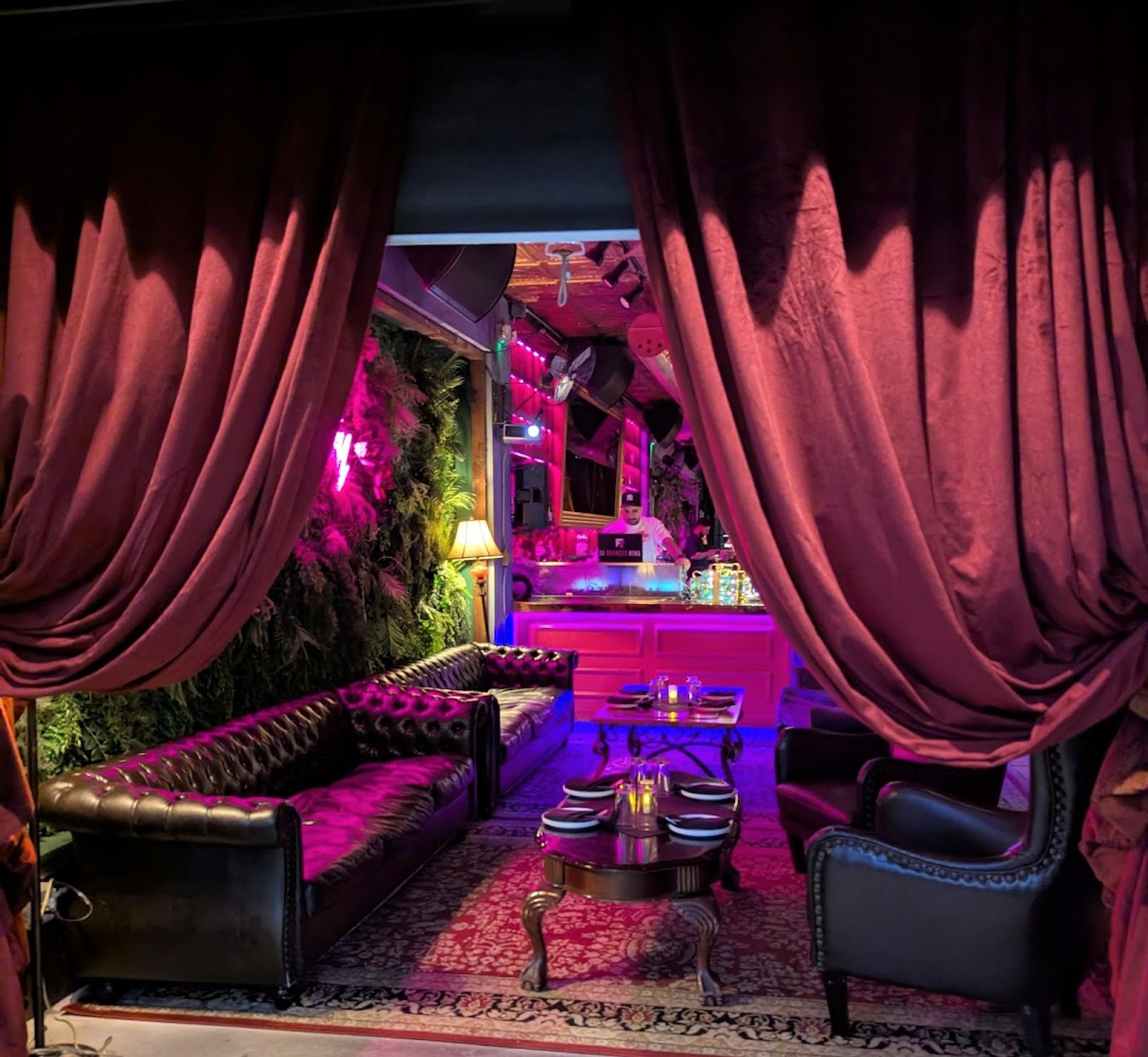
Copper 29 Bar
The Mile's late-night anchor: craft cocktails and doors open until 2am midweek and 3am Friday and Saturday.
206 Miracle Mile, Coral Gables, FL 33134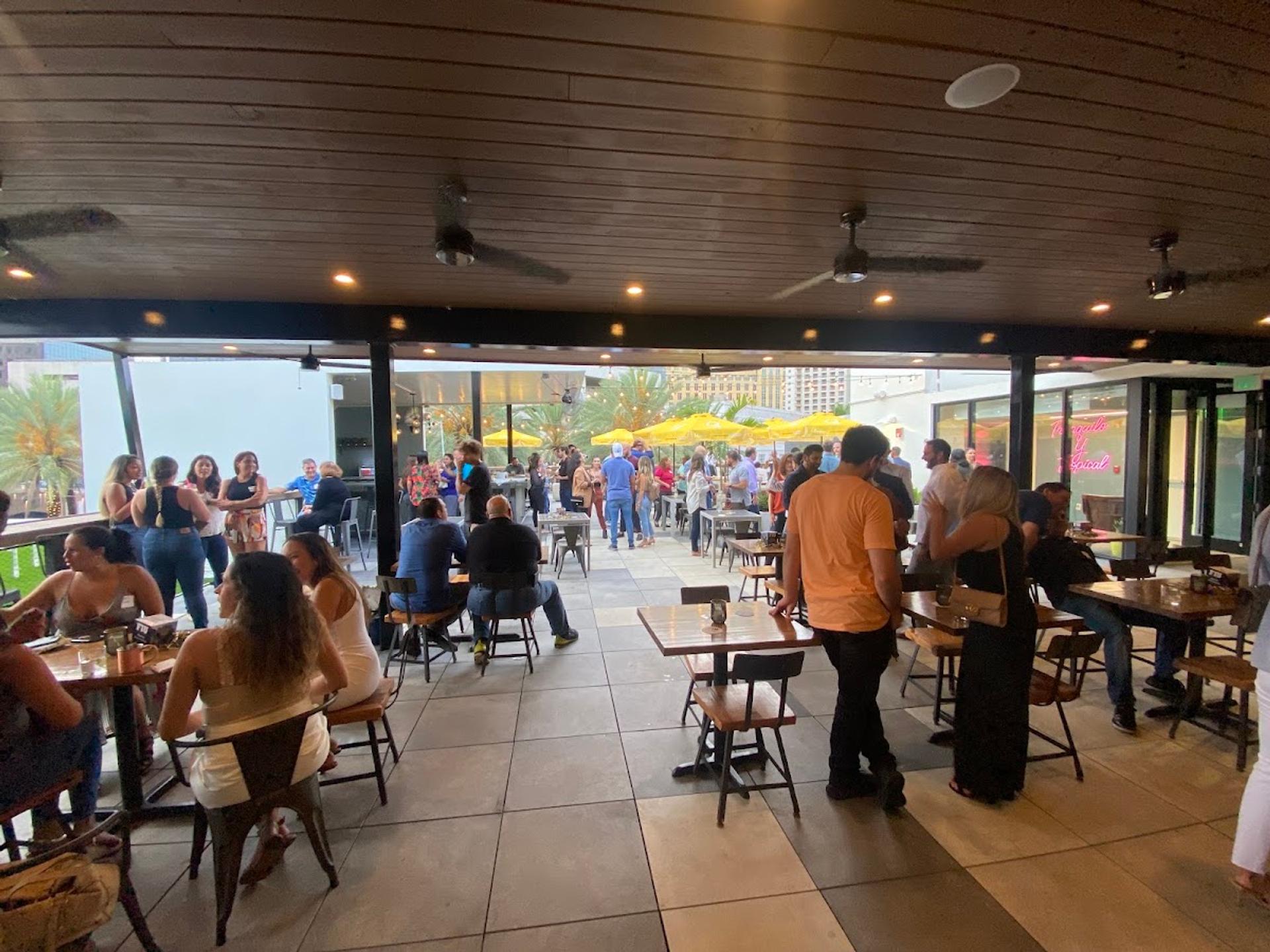
Cebada Rooftop
Chef Jorgie Ramos's rooftop bar and Spanish-Cuban kitchen above Giralda, with free paella happy hours through summer 2026 and the bar open until 1am on weekends.
124 Giralda Ave, Coral Gables, FL 33134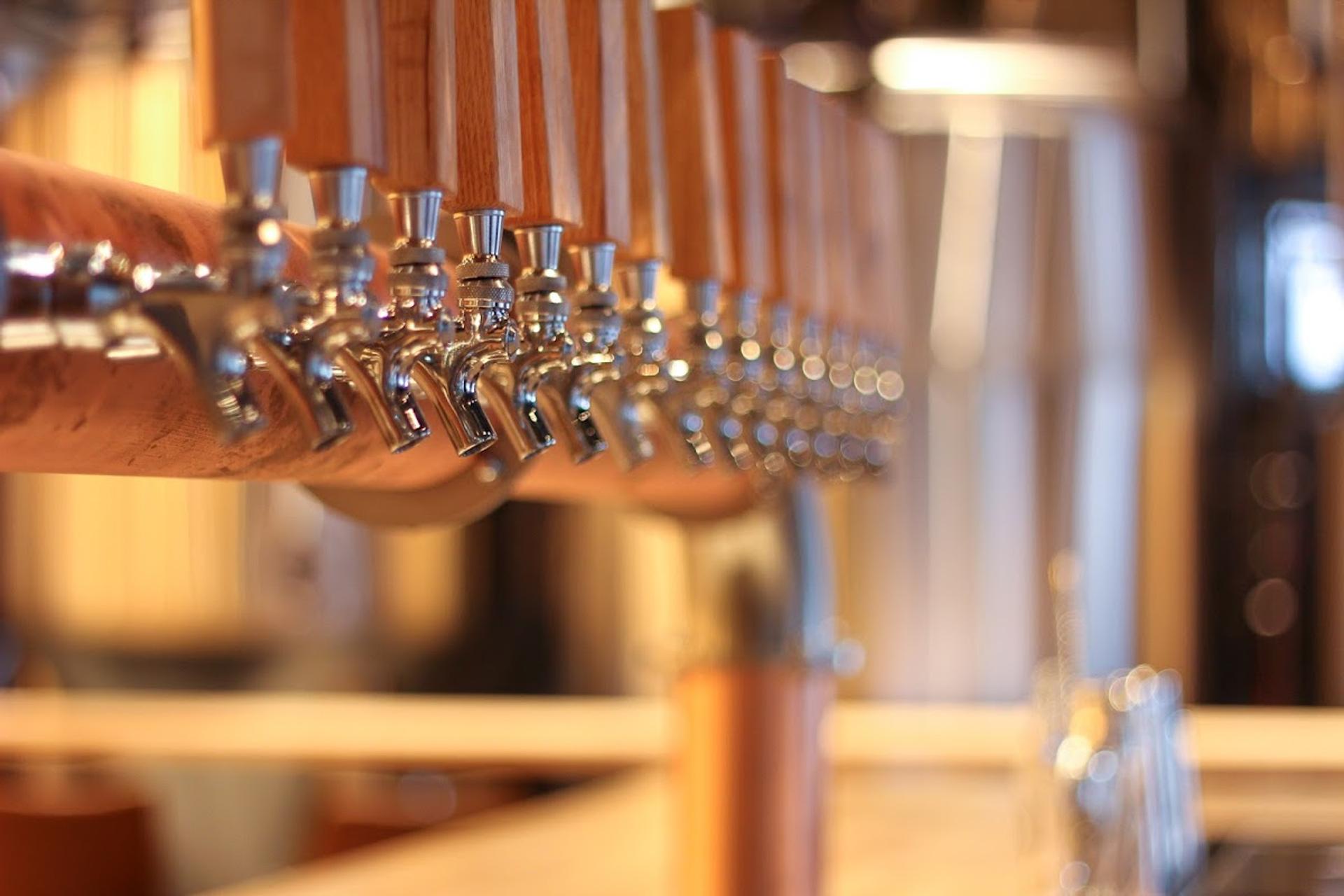
Bay 13 Brewery + Kitchen
Aussie-inspired brewpub brewing in-house on Alhambra Plaza, open to midnight Friday and Saturday.
65 Alhambra Plaza, Coral Gables, FL 33134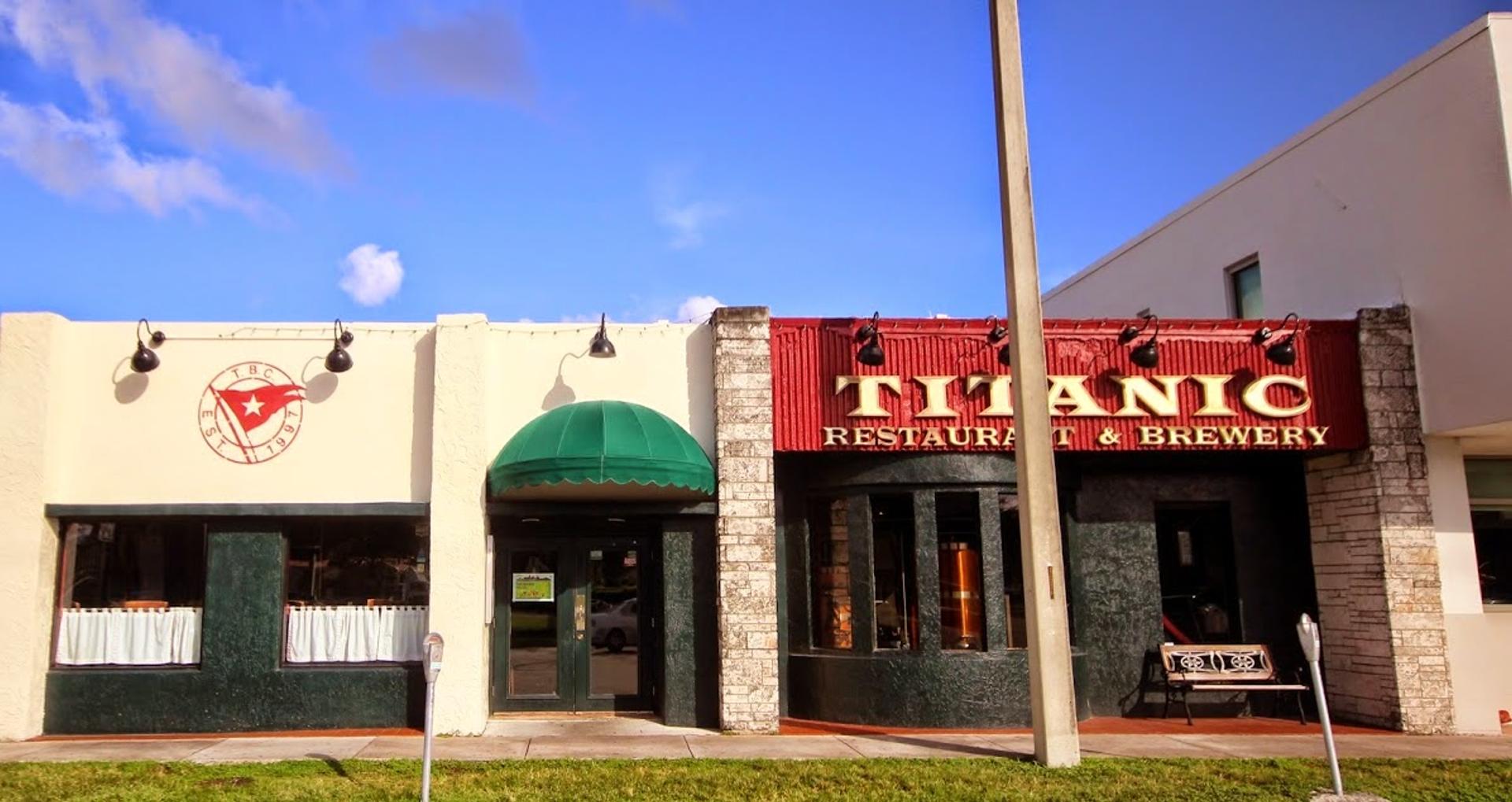
Titanic Brewery & Restaurant
The University of Miami's brewpub: beer garden, karaoke, live music and house ales across from campus.
5813 Ponce de Leon Blvd, Coral Gables, FL 33146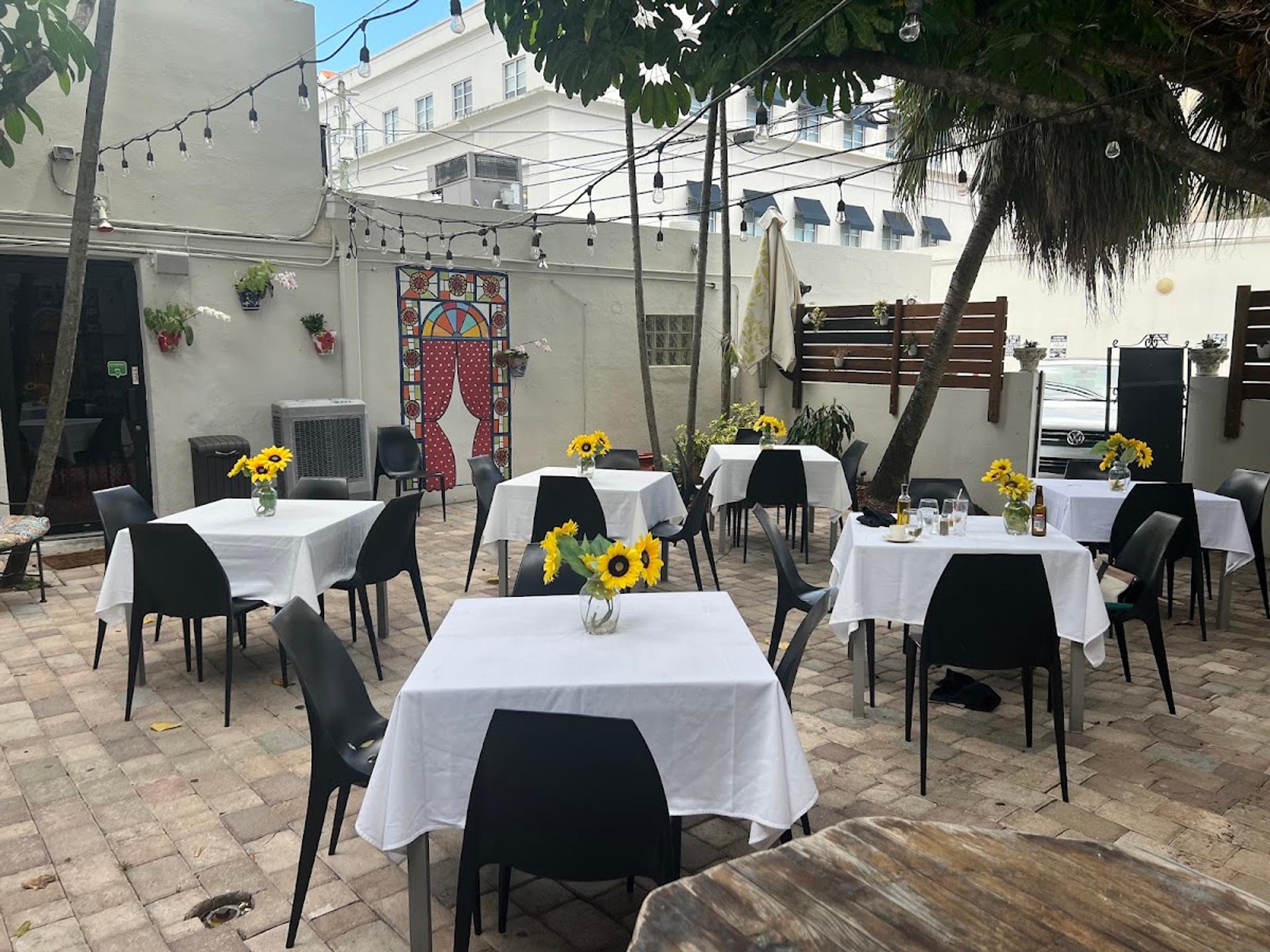
La Taberna Giralda
Spanish tapas bar routinely rated among the best in South Florida, with live flamenco every Saturday at 8:30pm.
254 Giralda Ave, Coral Gables, FL 33134Parks, Pools and the Bay
The city keeps two municipal golf courses, two tennis centres and the Venetian Pool; the bay is reached down Old Cutler Road at Matheson Hammock.
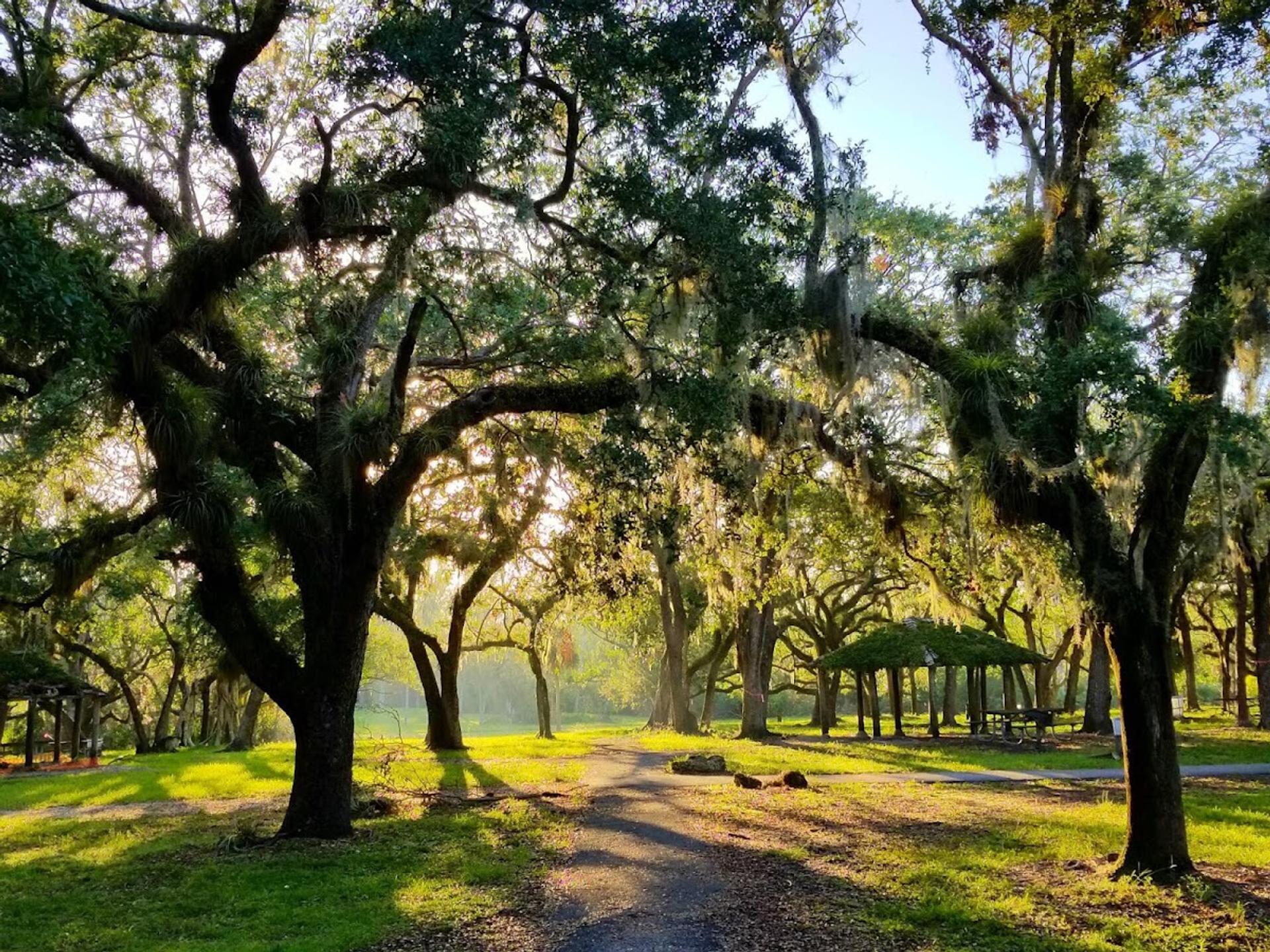
Matheson Hammock Park & Marina
630 acres on Biscayne Bay with a man-made atoll pool flushed by the tide, a 330-slip marina and Noma Beach at Red Fish on the water; the inland West Matheson side is closed for a $5 million habitat restoration due to finish in fall 2026.
9610 Old Cutler Rd, Coral Gables, FL 33156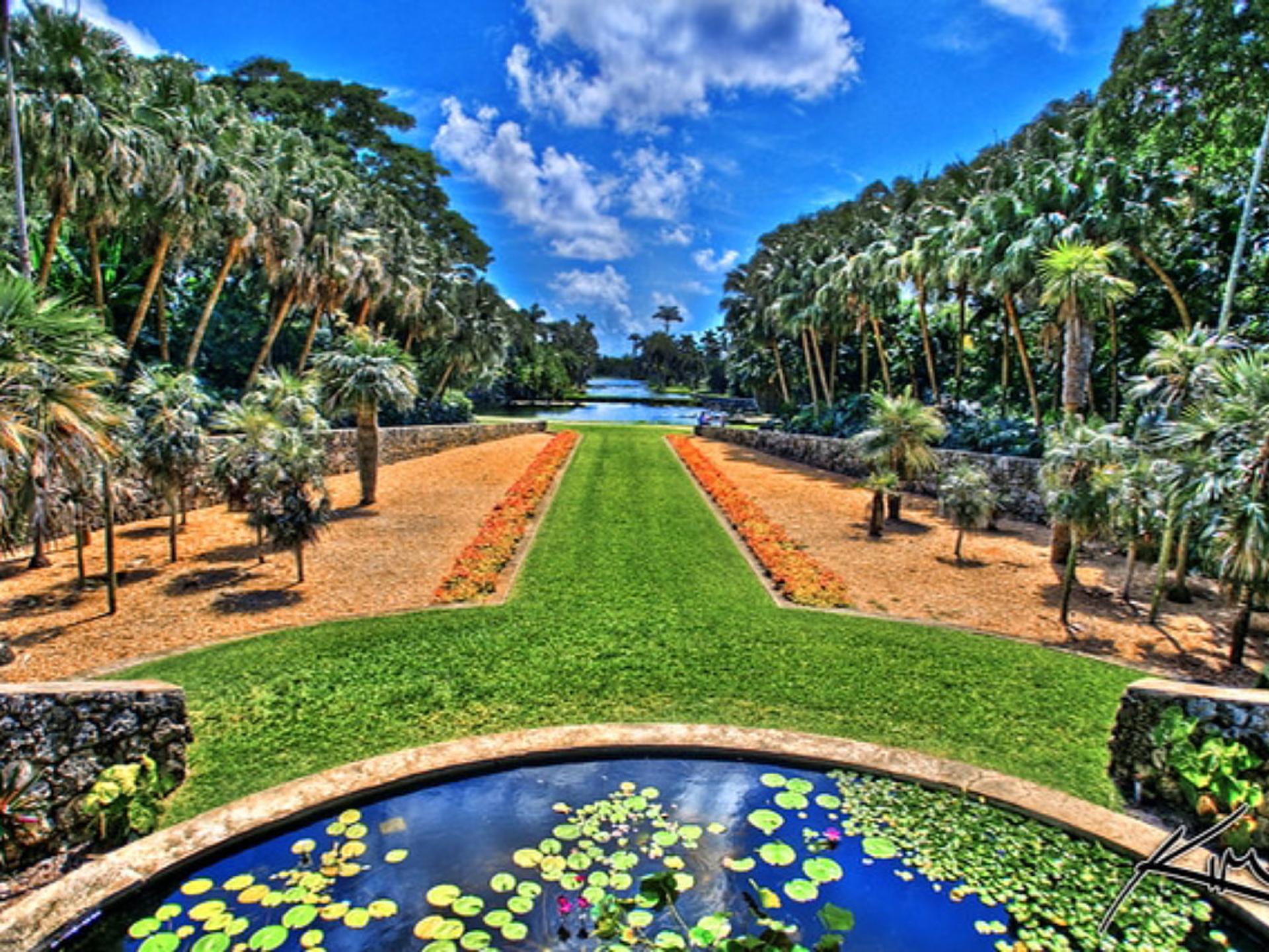
Fairchild Tropical Botanic Garden
83 acres of rare palms, cycads and flowering trees, open daily 10am to 5pm, with the Wings of the Tropics butterfly conservatory, Orchids in October (October 10 and 11, 2026) and the January Chocolate Festival.
10901 Old Cutler Rd, Coral Gables, FL 33156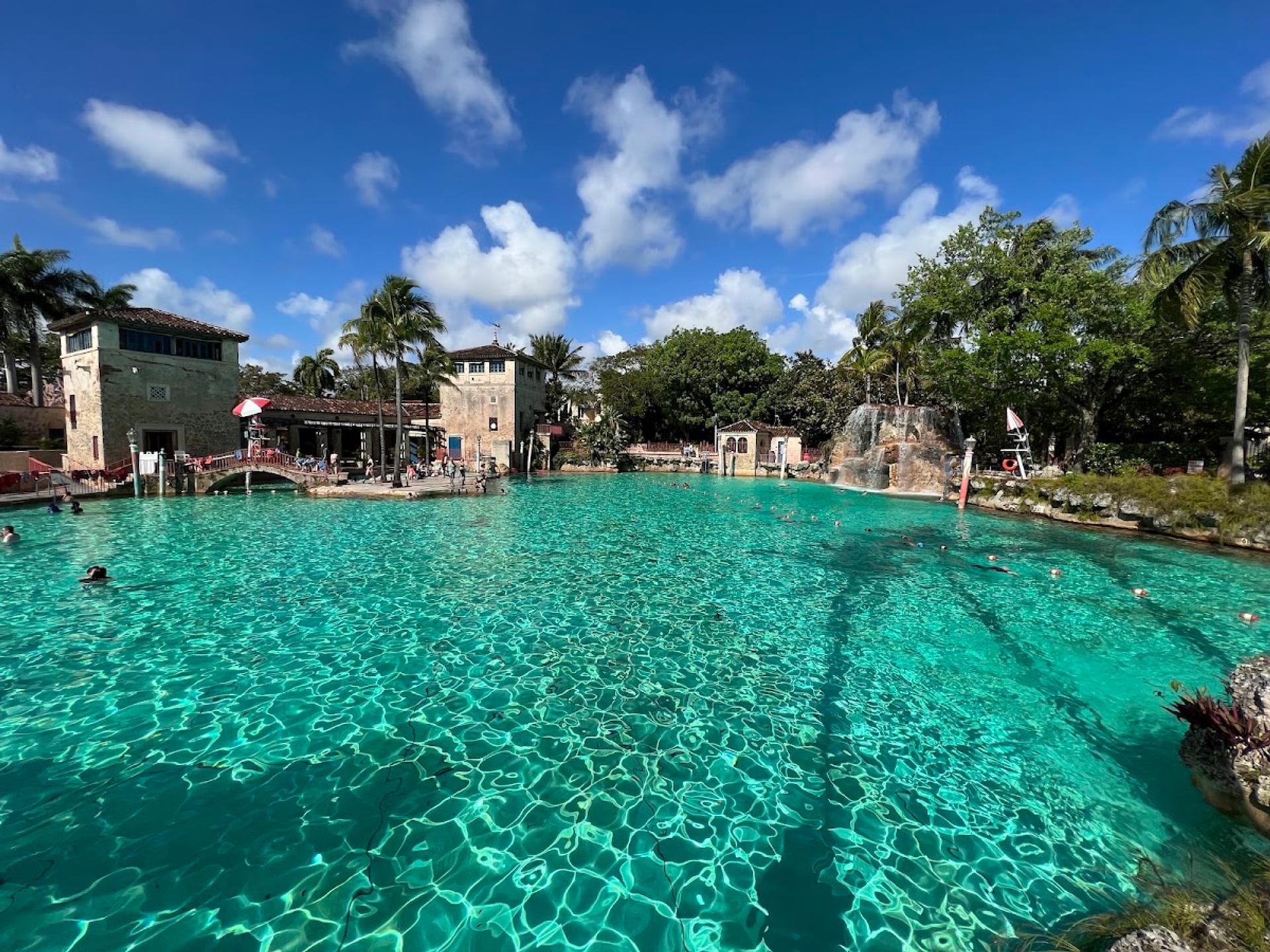
Venetian Pool
The 1923 spring-fed pool carved from a coral-rock quarry reopened December 9, 2025 after a $6 million restoration; open Tuesday to Sunday, $23 for non-resident adults and $7 for Coral Gables residents, children must be 3 and 38 inches tall.
2701 De Soto Blvd, Coral Gables, FL 33134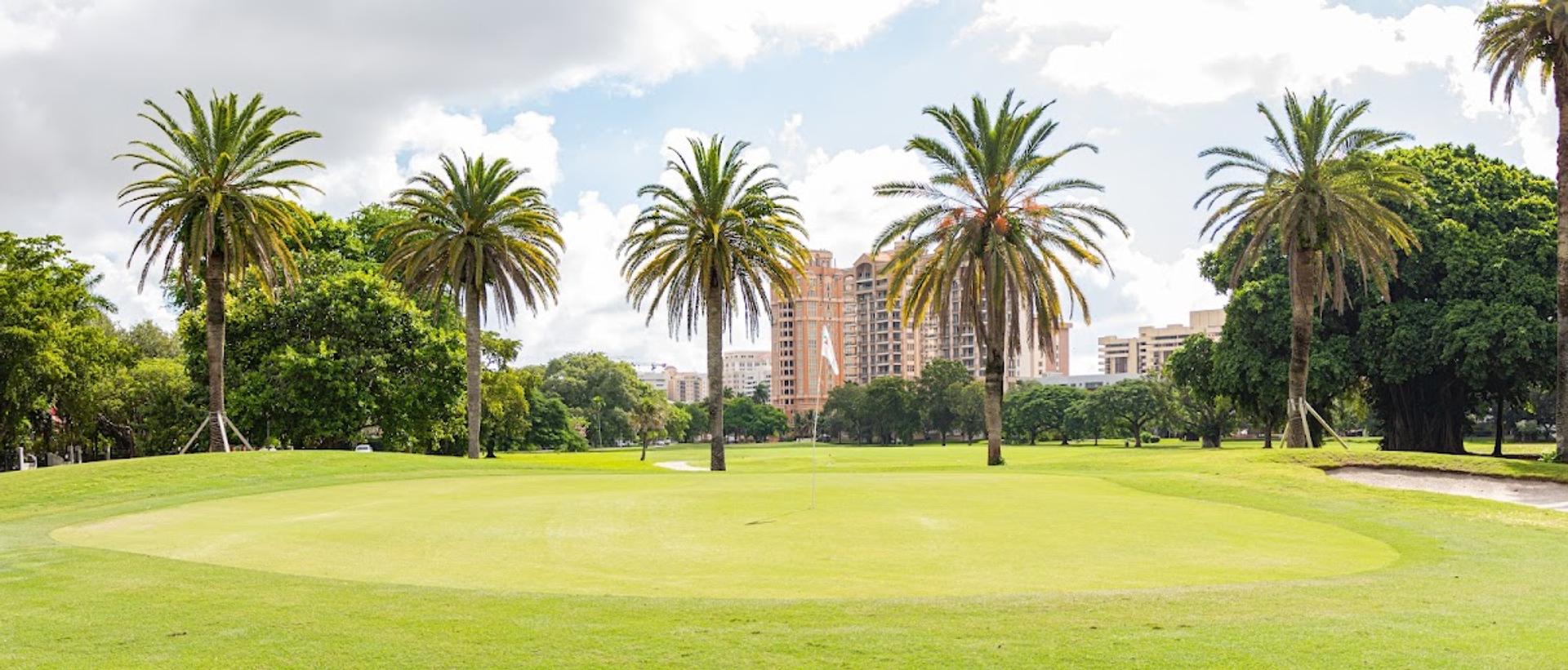
Granada Golf Course
Florida's oldest operating nine-hole course, opened 1923 and threaded through the residential grid; 2026 green fees run $30 for residents and $39 for non-residents, open daily 7am to 7pm.
2001 Granada Blvd, Coral Gables, FL 33134
Biltmore Golf Course
Donald Ross's 1925 par-71 beneath the hotel tower, home to the Jim McLean Golf School and UM women's golf, and the site of the city's Fourth of July fireworks.
1210 Anastasia Ave, Coral Gables, FL 33134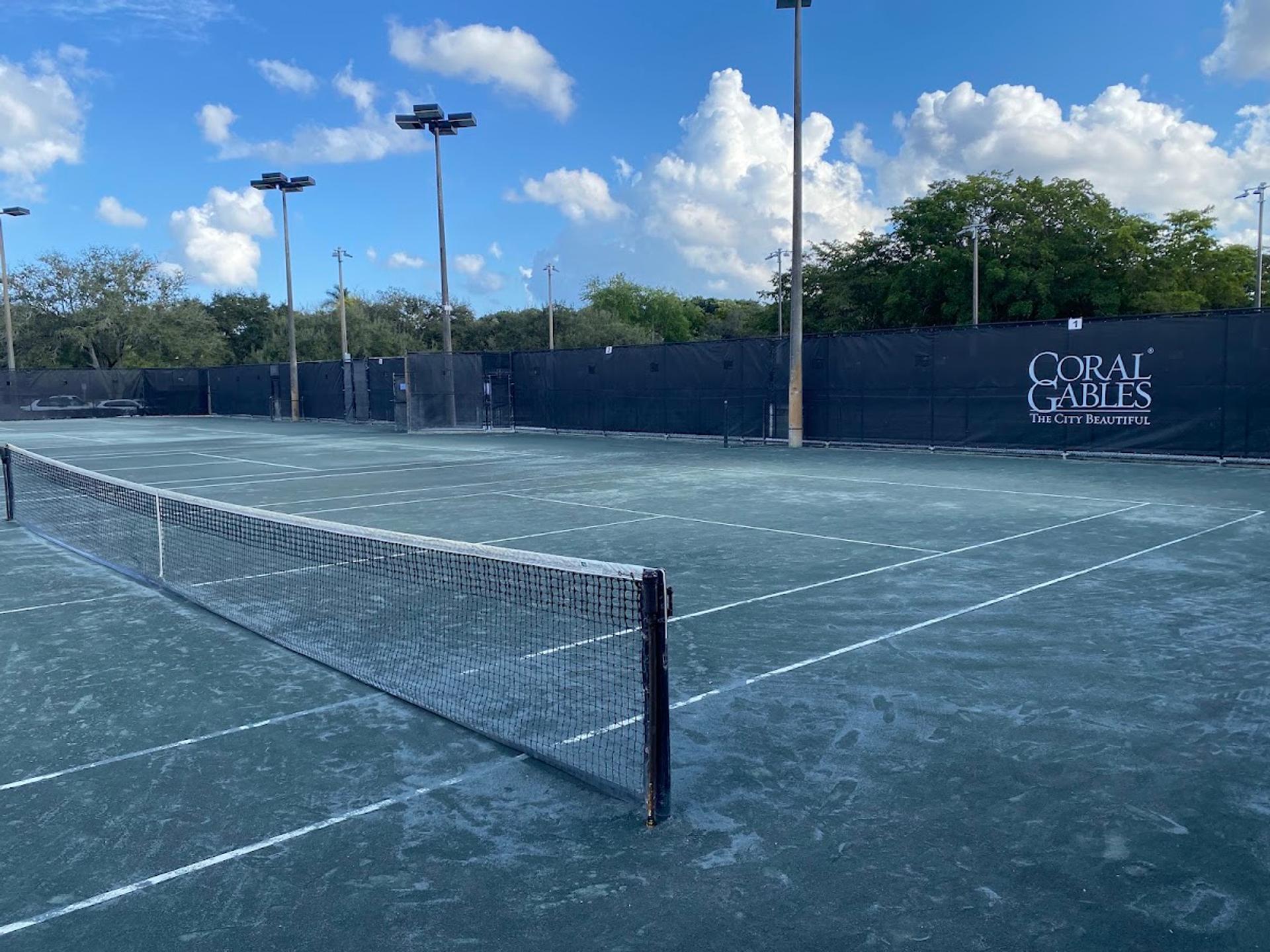
Salvadore Park Tennis Center
The city's tennis hub in the historic core, with youth and adult clinic sessions running through 2026 and a dog run added in 2023.
1120 Andalusia Ave, Coral Gables, FL 33134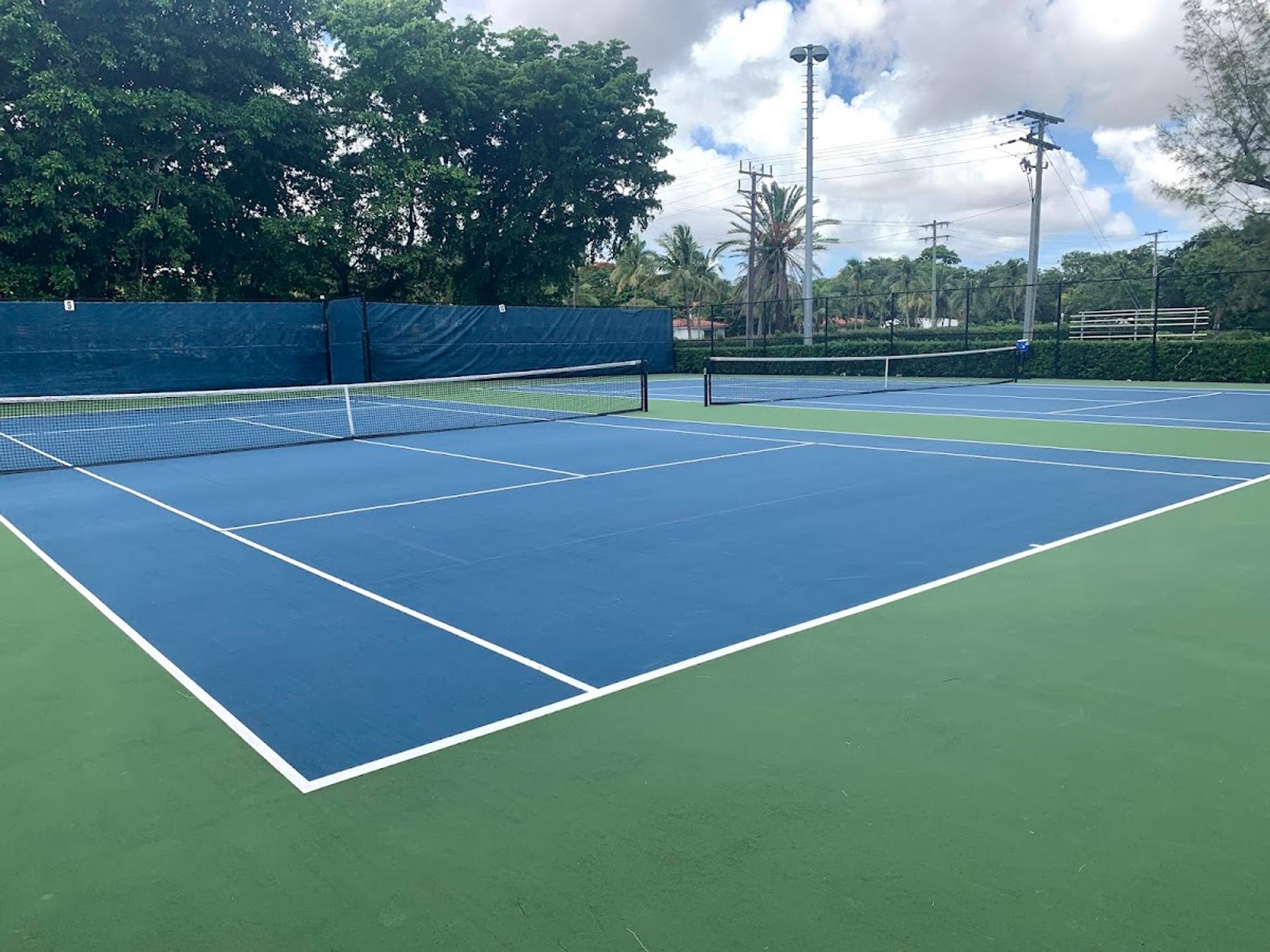
William H. Kerdyk Biltmore Tennis Center
Ten courts beside the Biltmore, open 7am to 9pm weekdays; residents pay $6 an hour off-peak and $10 in prime time, and annual passes are at capacity.
1150 Anastasia Ave, Coral Gables, FL 33134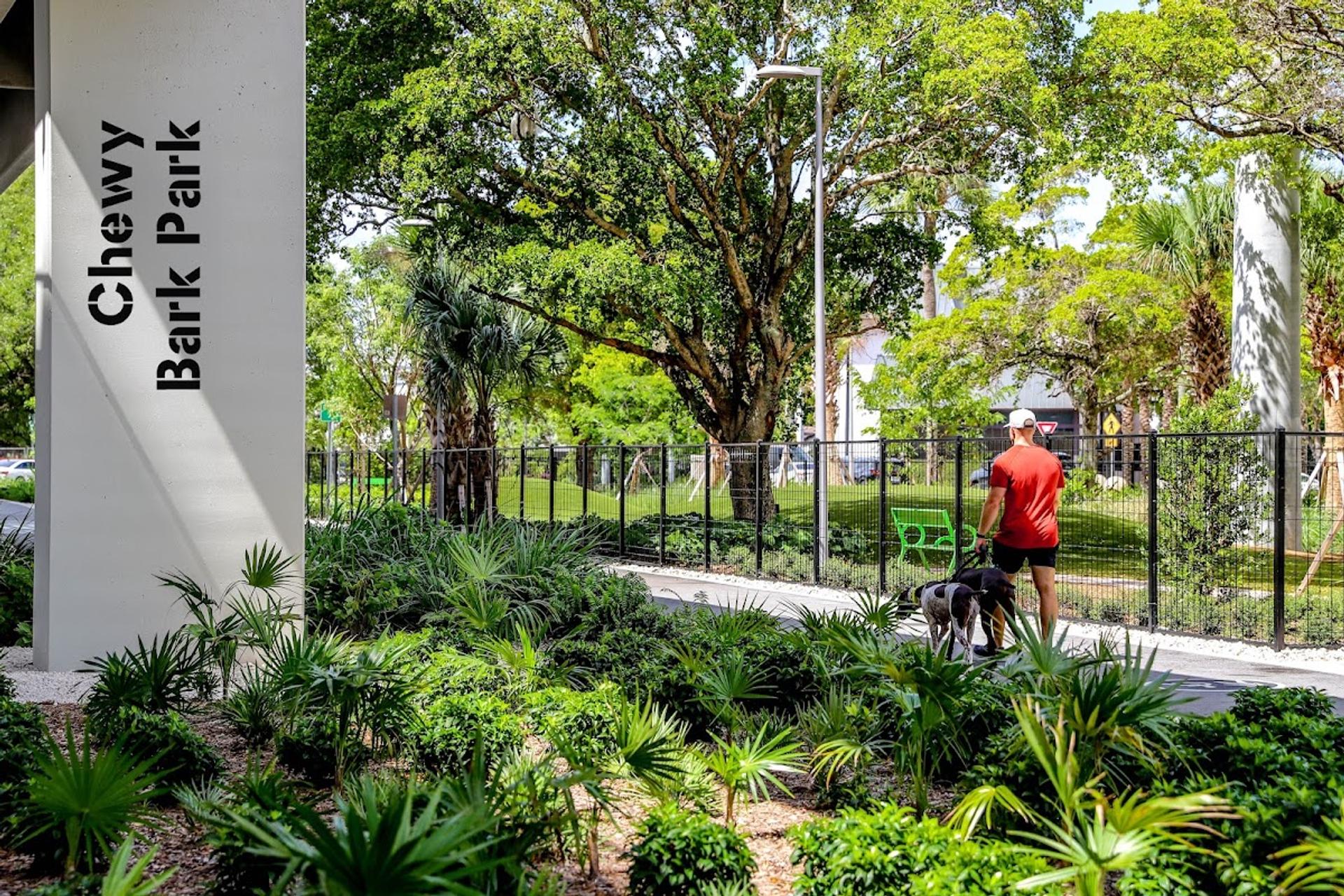
The Underline, Coral Gables section
Three miles of linear park under the Metrorail from Douglas Road station to Stanford Drive, opening in phases through late 2026: a dual dog run at 4500 Ponce, a wetland garden, an outdoor gym, pickleball courts and an amphitheatre.
4500 Ponce de Leon Blvd, Coral Gables, FL 33146Culture and Events
First-Friday Gallery Night has run for 38 years with free shuttles between nine galleries. On the calendar: Junior Orange Bowl Parade down the Mile on December 6, 2026; the Farmers Market on the City Hall lawn every Saturday from mid-January to late March; Beaux Arts Festival of Art at the Lowe in January; Carnaval on the Mile on March 6 and 7, 2027; and Taste the Gables prix-fixe menus through July.
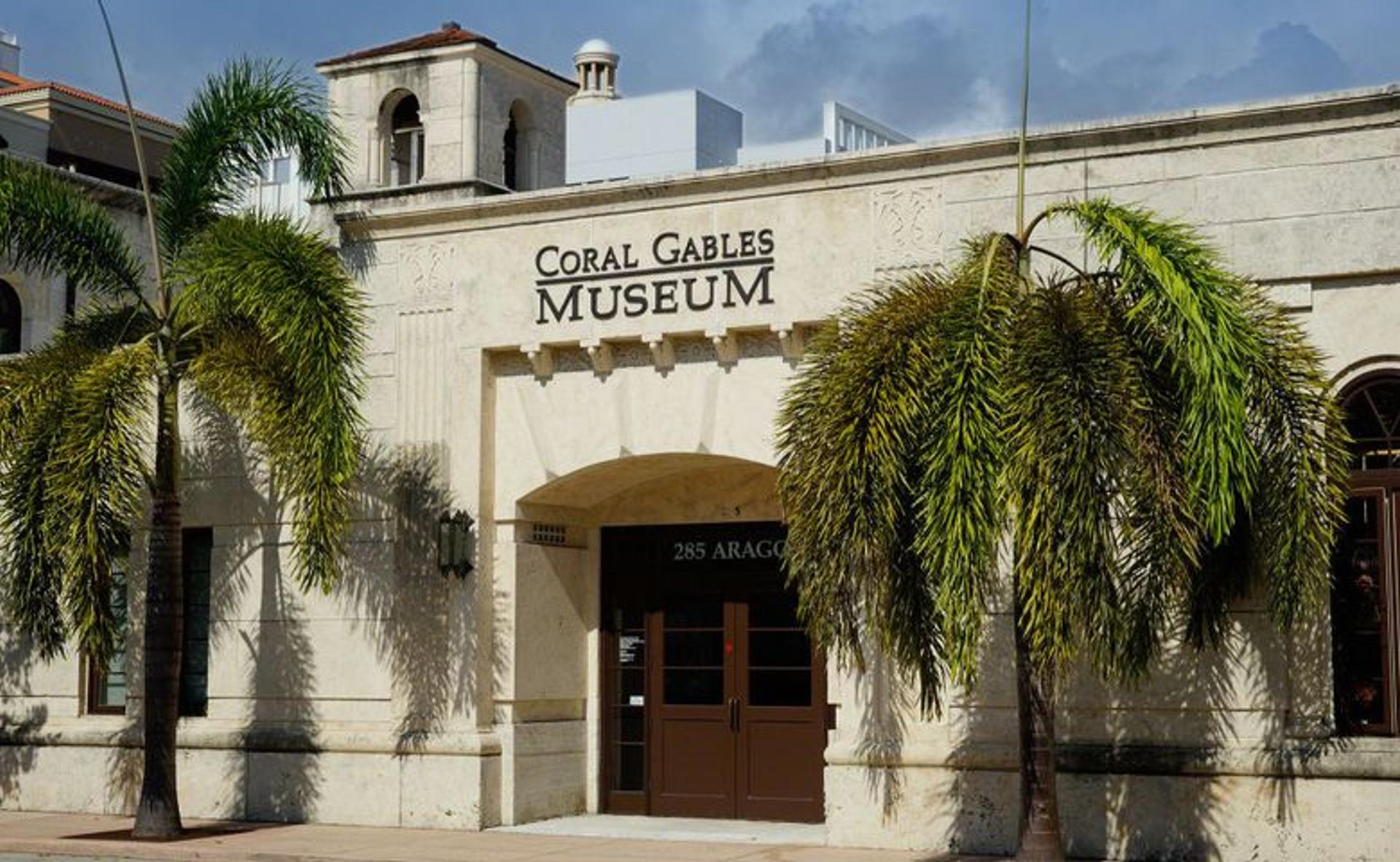
Coral Gables Museum
The 1939 coral-rock former police and fire station, now the city's history and design museum; $15 admission, free on first-Friday Gallery Night and with Family Day every third Saturday.
285 Aragon Ave, Coral Gables, FL 33134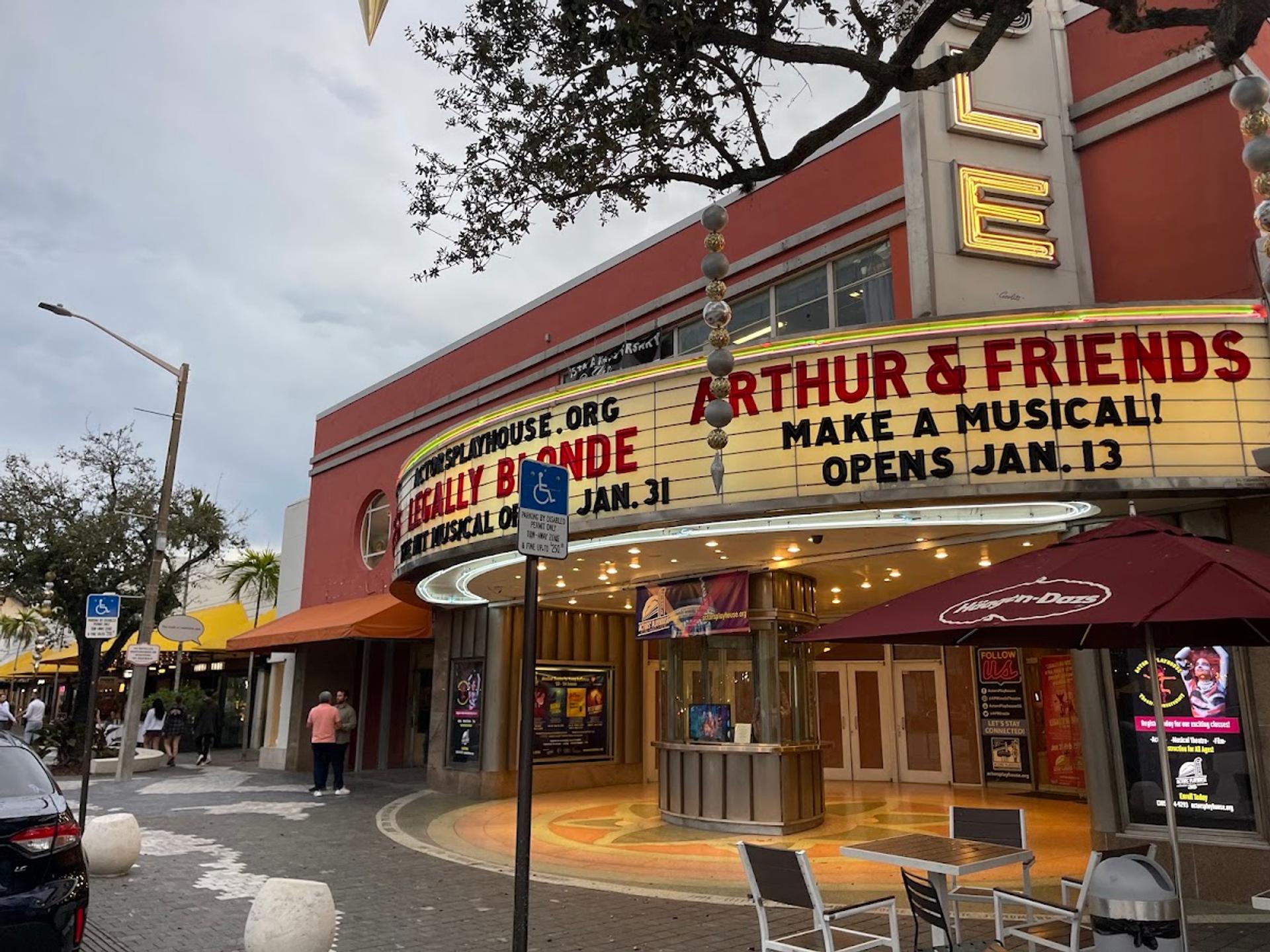
Actors' Playhouse at the Miracle Theatre
The restored Miracle Theatre movie palace on the Mile: the 2026-27 mainstage opens with Jekyll & Hyde in October 2026 and Come From Away in January 2027, with a children's theatre season alongside.
280 Miracle Mile, Coral Gables, FL 33134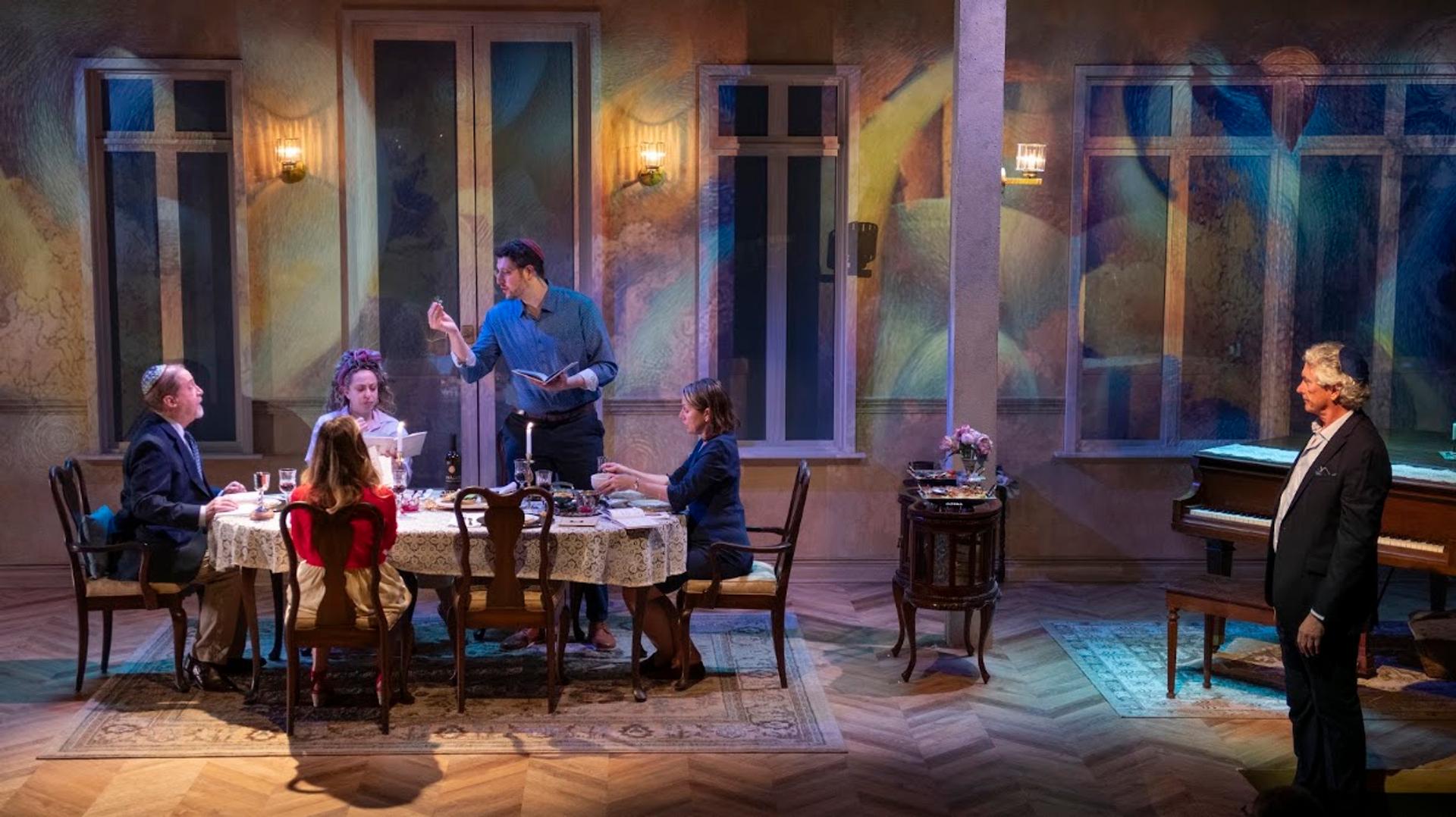
GableStage
The Biltmore's resident professional theatre, in its 28th season for 2026-27 with Weather Girl in September and the Tony-winning Liberation in March 2027.
1200 Anastasia Ave, Coral Gables, FL 33134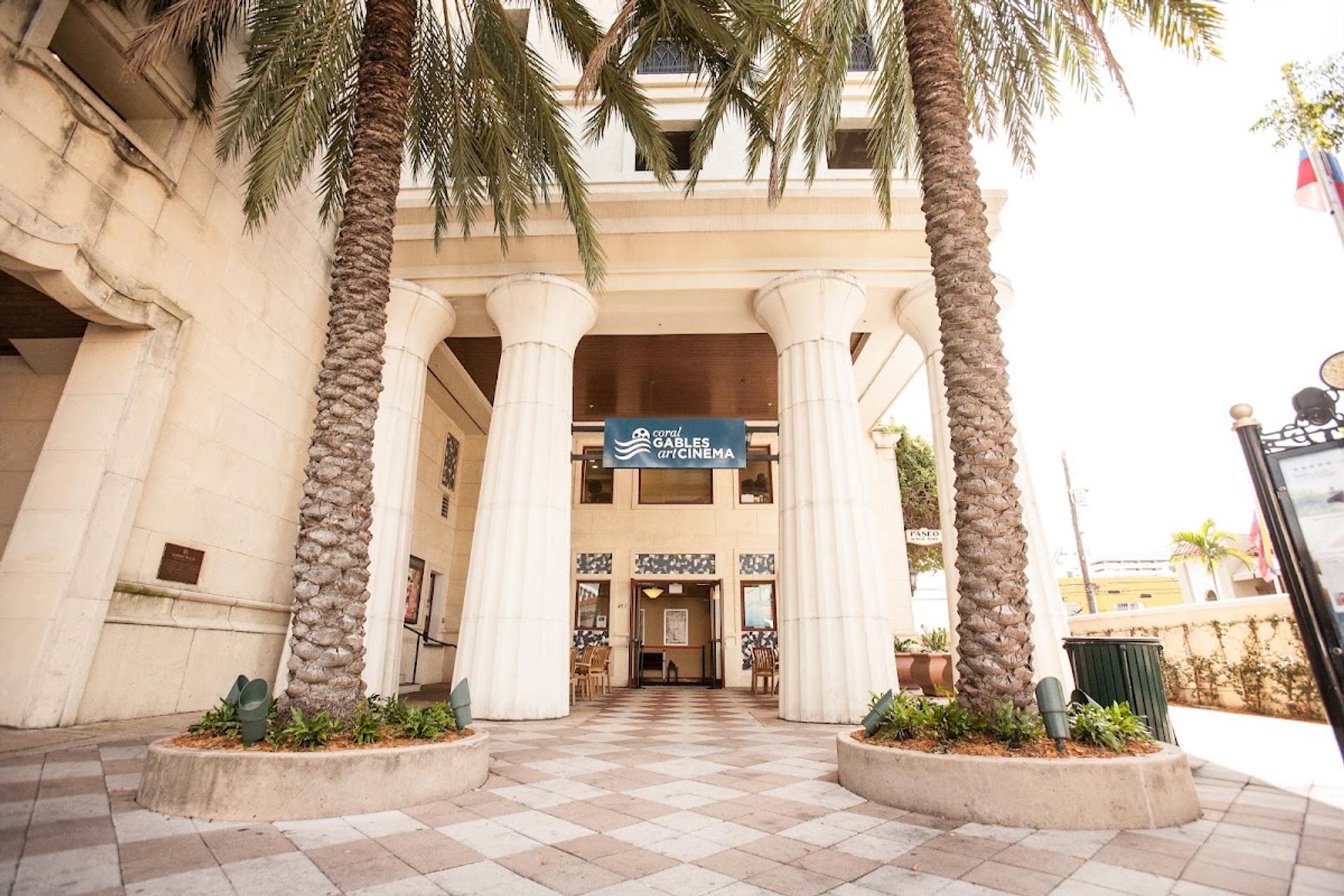
Coral Gables Art Cinema
Single-screen nonprofit art house on Aragon with first-run independents, National Theatre Live and a Family Day matinee series; a second 90-seat screen next door is funded for late 2027.
260 Aragon Ave, Coral Gables, FL 33134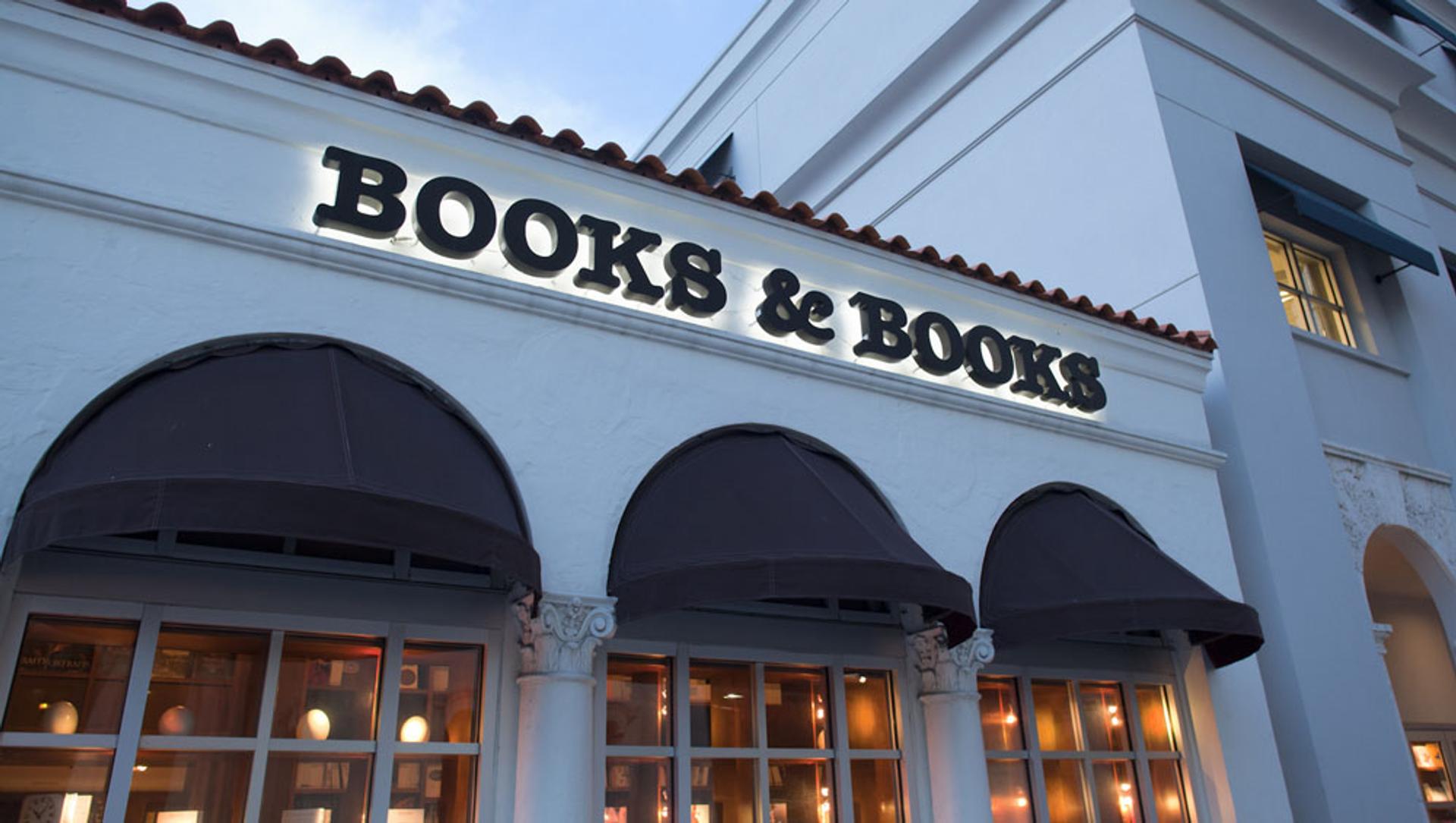
Books & Books
Mitchell Kaplan's flagship independent bookstore since 1982, with a courtyard café, author events most nights and a third-Monday poetry open mic.
265 Aragon Ave, Coral Gables, FL 33134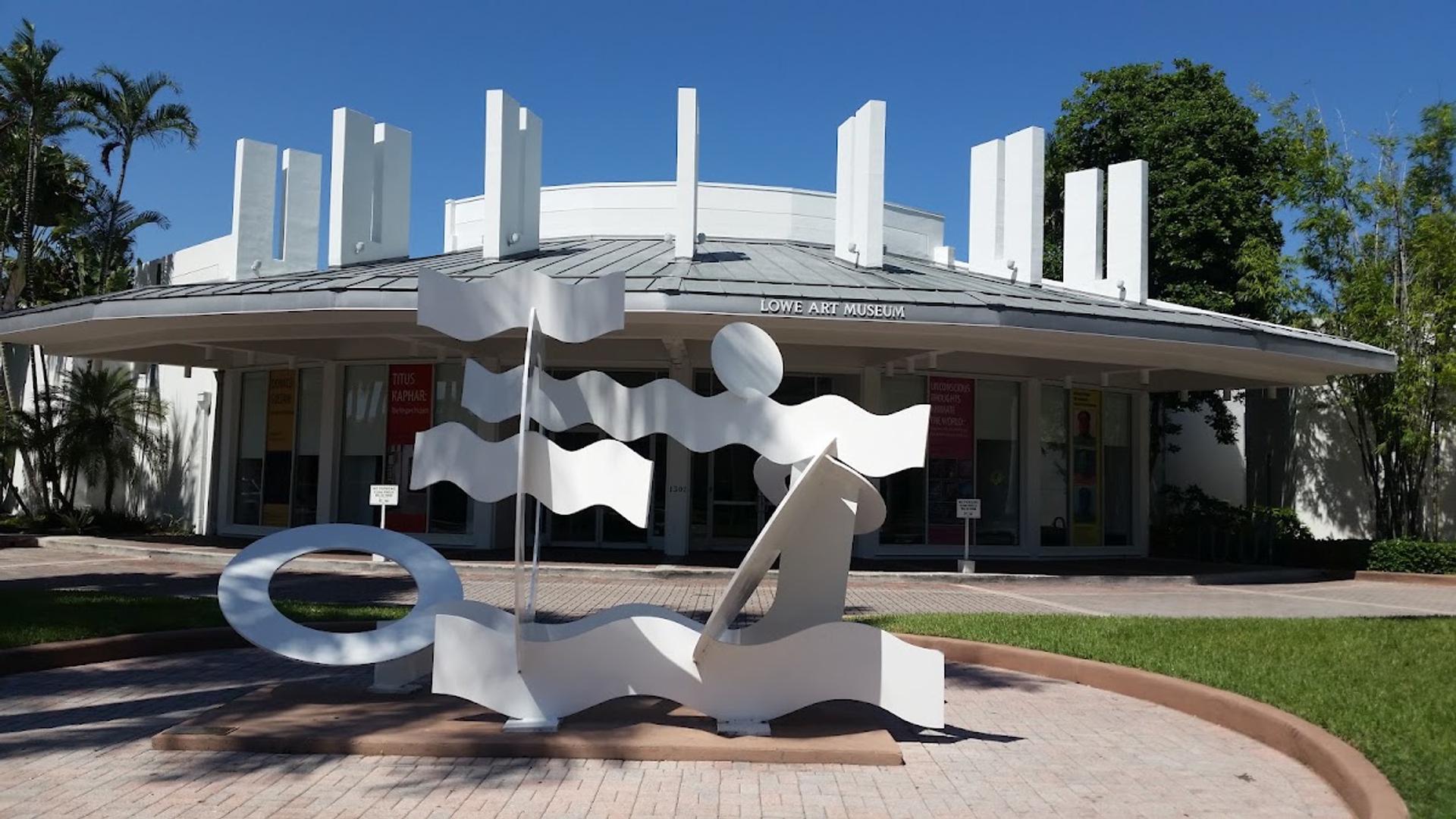
Lowe Art Museum
The University of Miami's art museum, free to visit Wednesday to Saturday; Dustin Yellin's Psychogeographies runs to January 2027 and Morel Doucet's The Things We Carry opened September 11, 2026.
1301 Stanford Dr, Coral Gables, FL 33146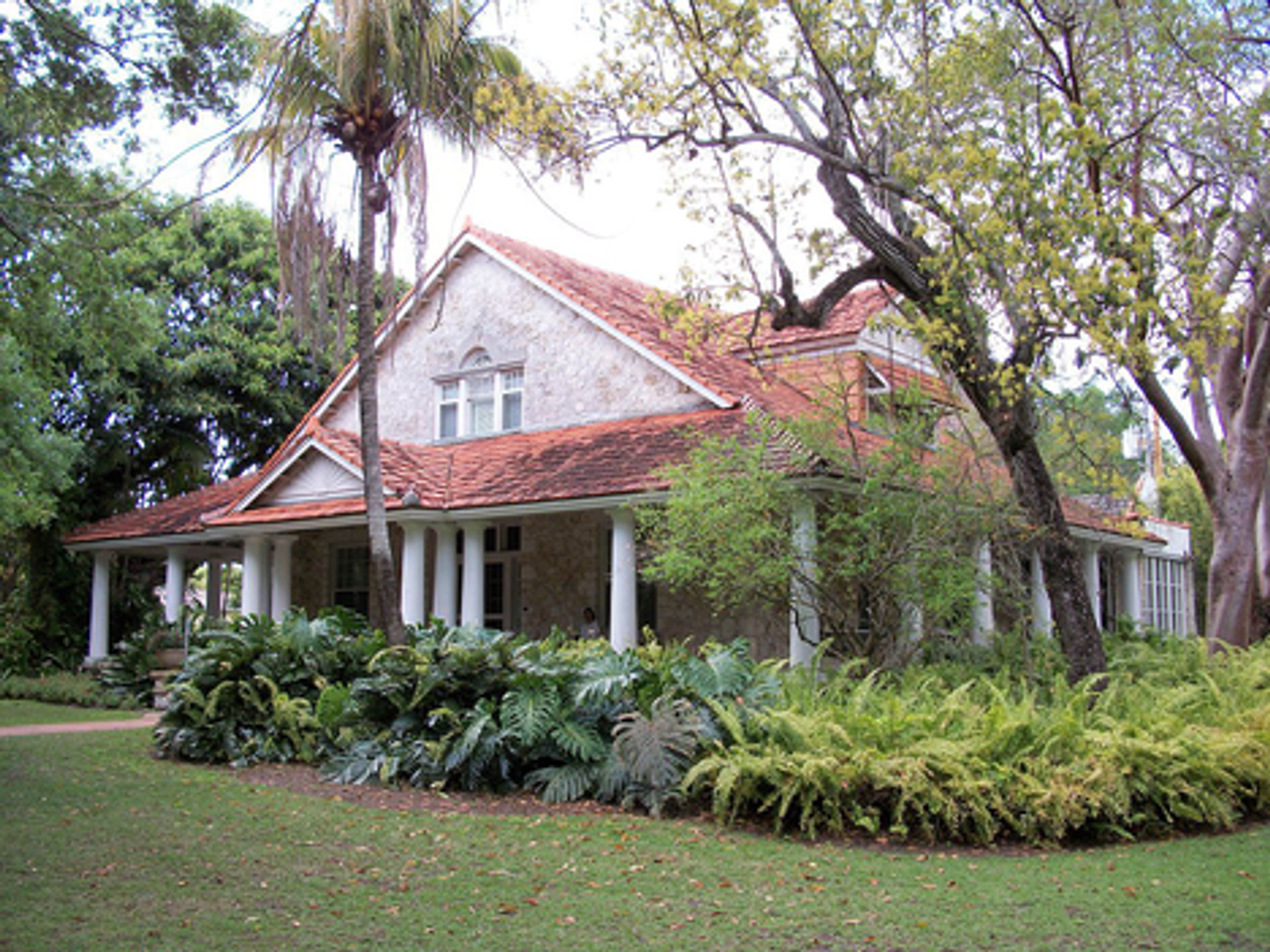
Merrick House
The founder's boyhood home on 1.3 acres with a grotto and heritage garden; docent tours of 14 rooms on Saturdays and Sundays at 1, 2 and 3pm for $5 cash.
907 Coral Way, Coral Gables, FL 33134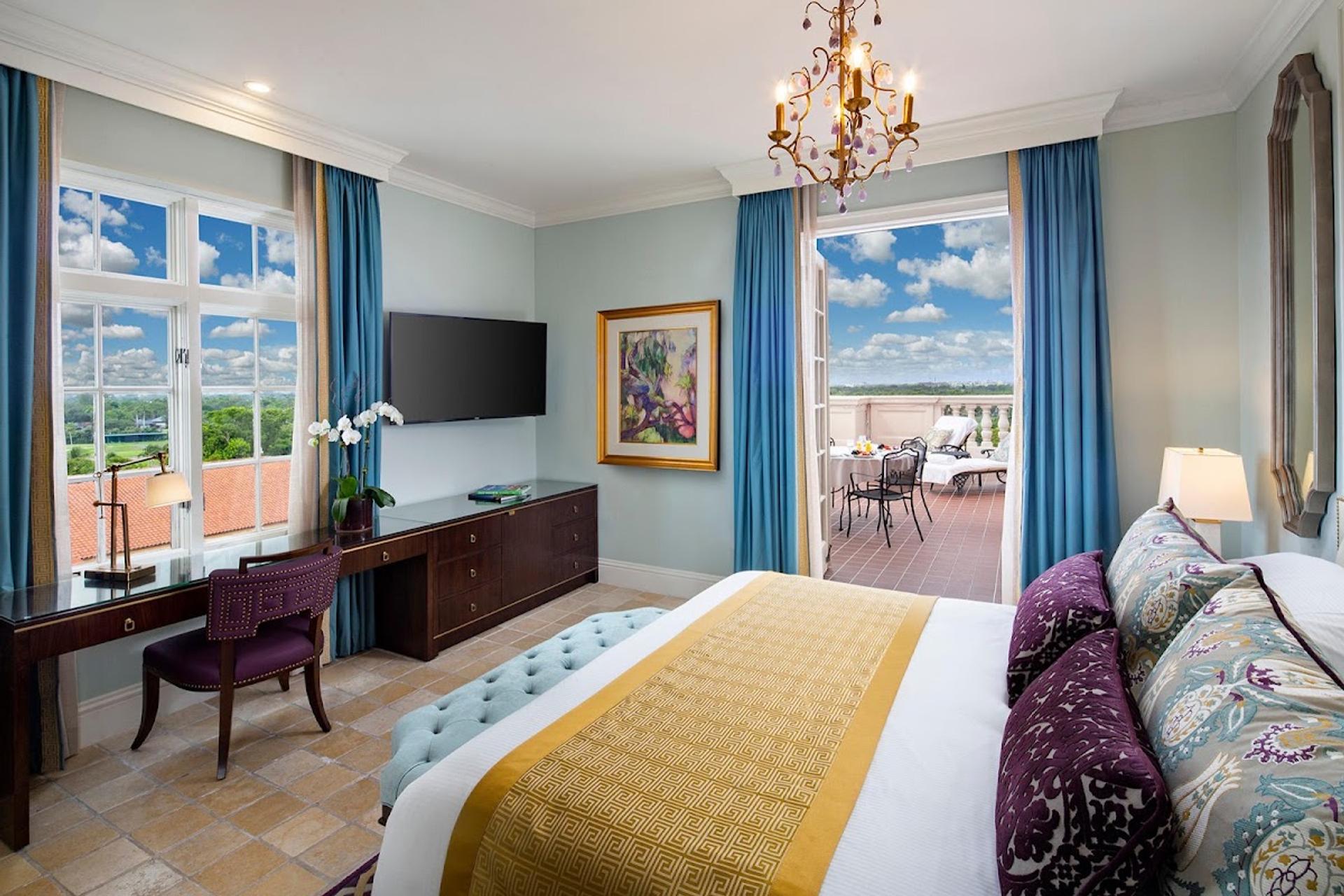
Biltmore Hotel
Opened January 1926 and turning 100 this year: the tower modelled on Seville's Giralda, the vast pool with Cascade poolside dining, Fontana in the courtyard and GableStage under the same roof.
1200 Anastasia Ave, Coral Gables, FL 33134Where to Shop
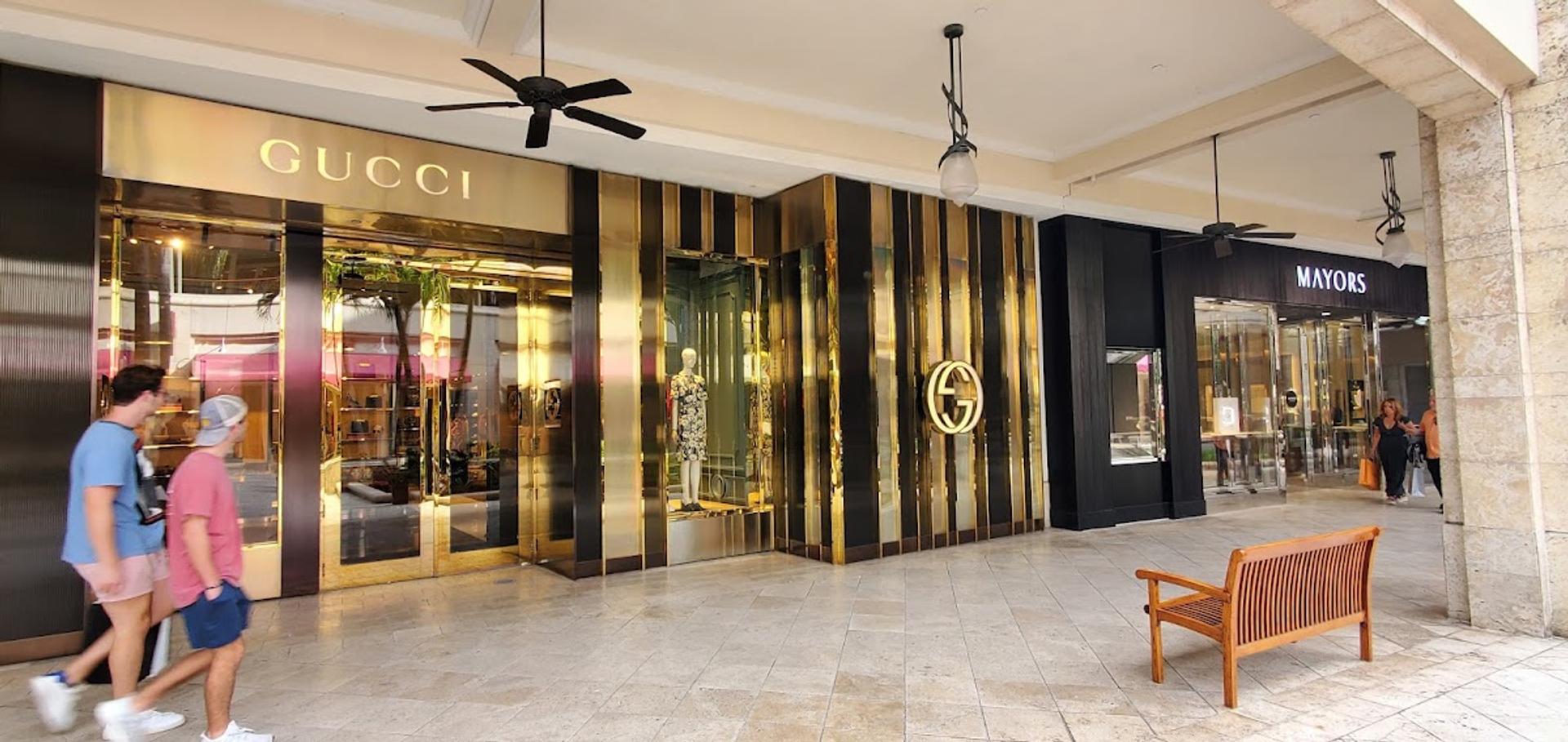
Shops at Merrick Park
Open-air luxury centre still anchored by Nordstrom and Neiman Marcus in 2026, with Equinox, Alo, Vuori, Tory Burch and Arhaus around a landscaped courtyard; garage parking is $4 an hour.
358 San Lorenzo Ave, Coral Gables, FL 33146Miracle Mile
The original four-block retail spine on Coral Way, re-landscaped for pedestrians in 2017; 2026 arrivals include Buccan and its sandwich shop, Alto Tostado café and the Sitka Semsch boutique, with Moxies signed for 2027.
100 Miracle Mile, Coral Gables, FL 33134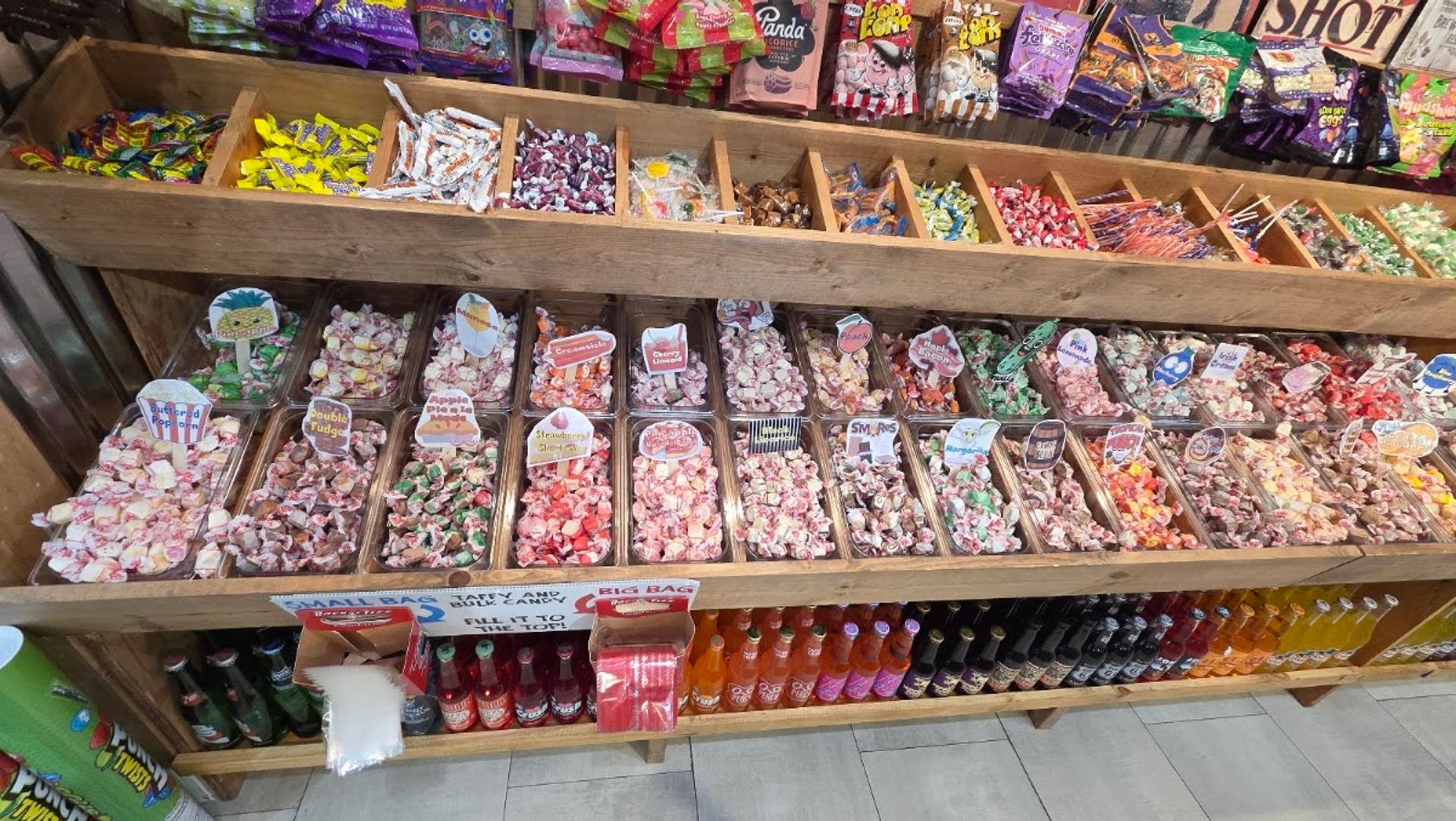
Giralda Plaza
The pedestrian-only block off the Mile lined with patio restaurants, with the Giralda in Bloom floral canopy overhead through October 2026 and an artisan market on the first and third Saturdays.
150 Giralda Ave, Coral Gables, FL 33134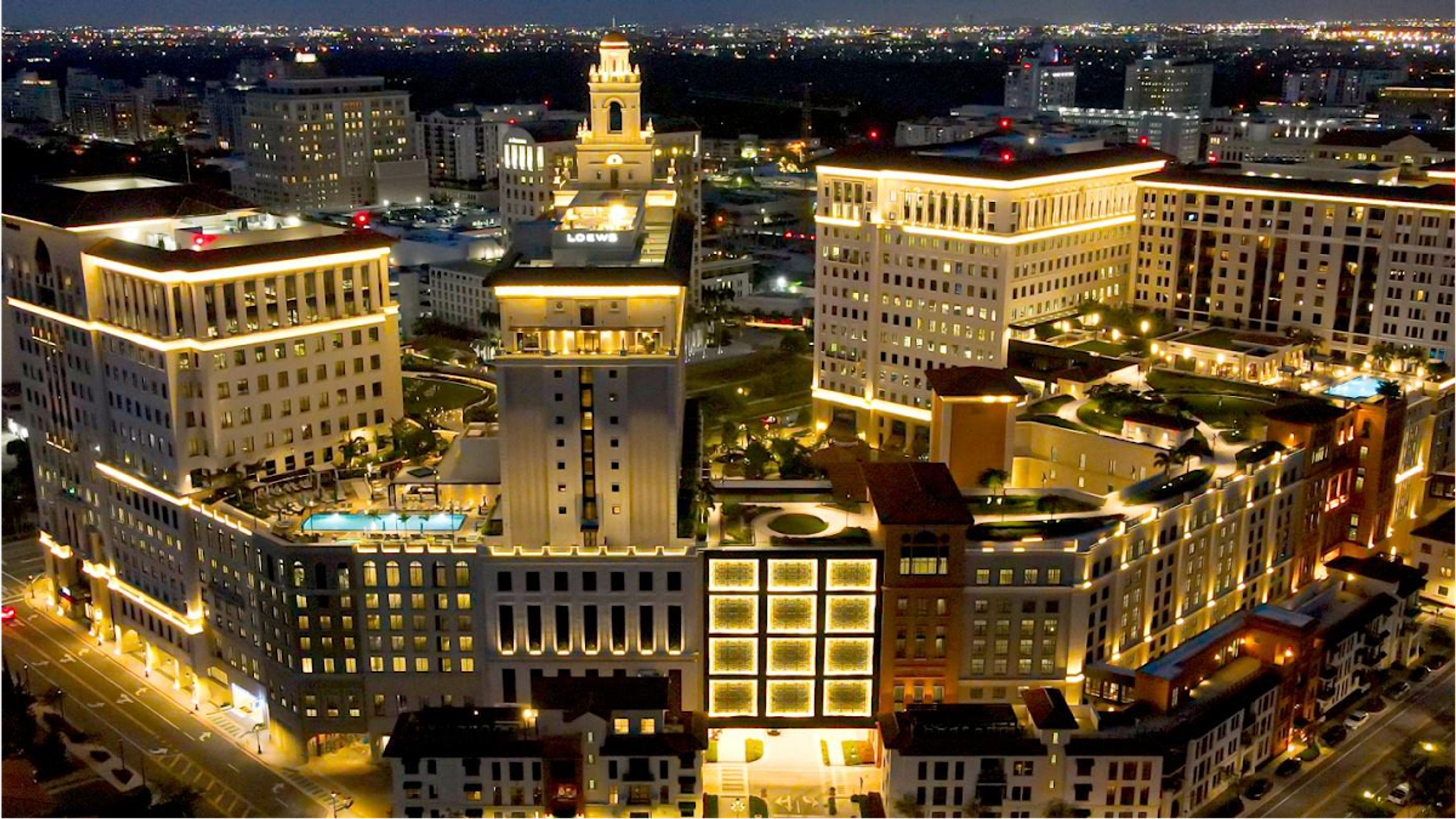
The Plaza Coral Gables
The 2.1-million-square-foot mixed-use block on Ponce with the 242-room Loews Coral Gables, MIKA and Mottai, and the Zuccaly Italian food hall slated for Palermo Avenue.
2901 Ponce de Leon Blvd, Coral Gables, FL 33134Groceries and Markets
Whole Foods Market Coral Gables
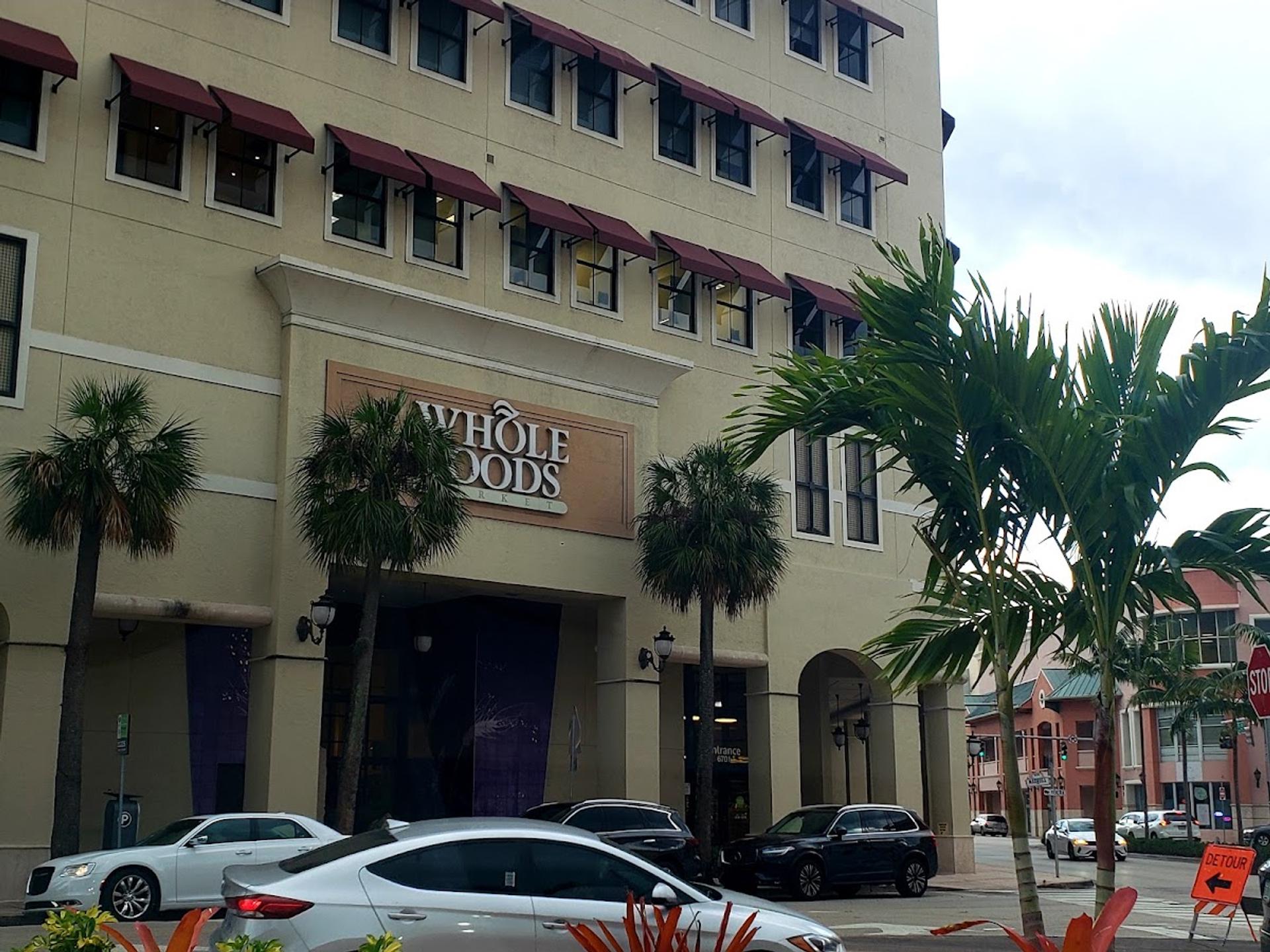
The city's Whole Foods sits at Red Road and US-1 by the South Miami line, open 8am to 10pm daily.
6701 Red Rd, Coral Gables, FL 33143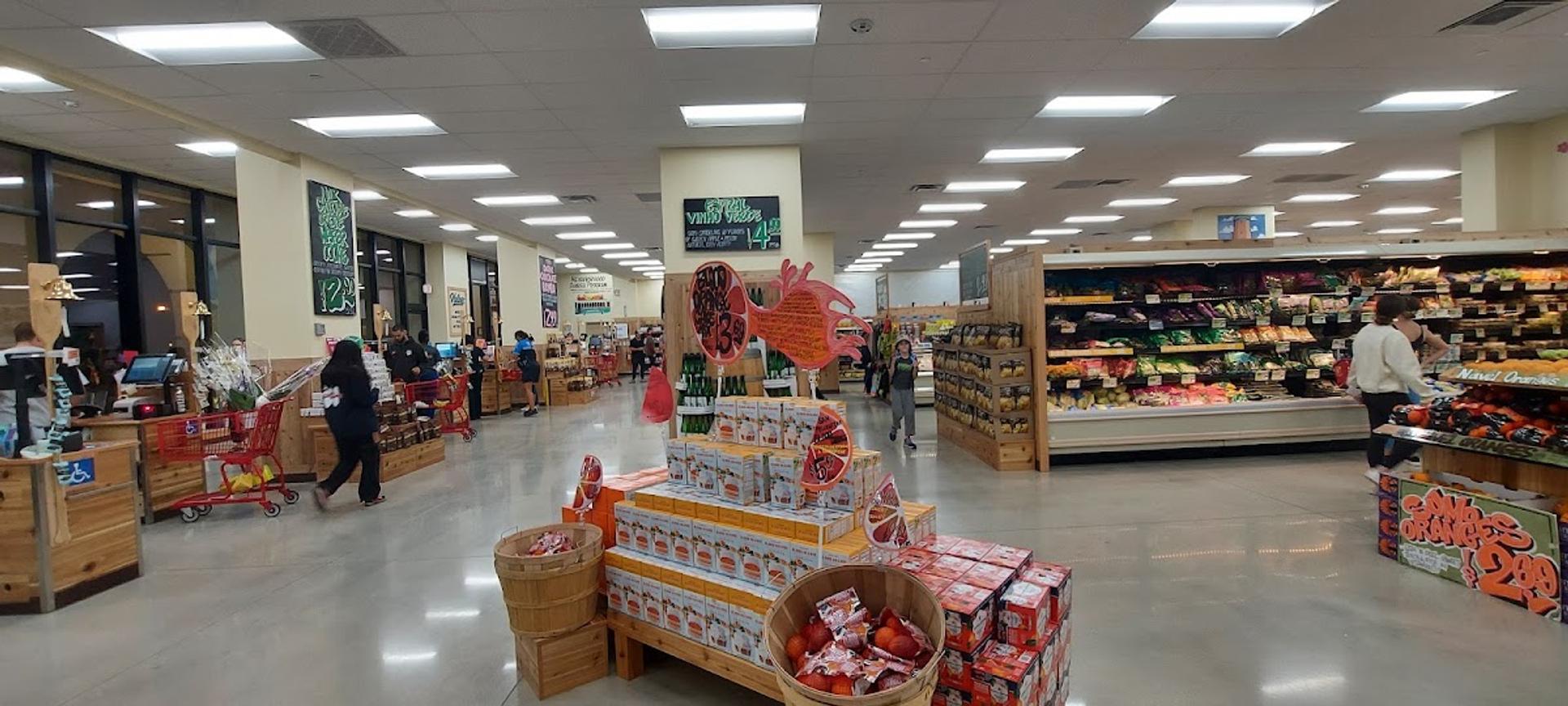
Trader Joe's Coral Gables
The Gables Trader Joe's is on US-1 at the Coconut Grove edge, the closest one to the historic core.
211 S Dixie Hwy, Coral Gables, FL 33133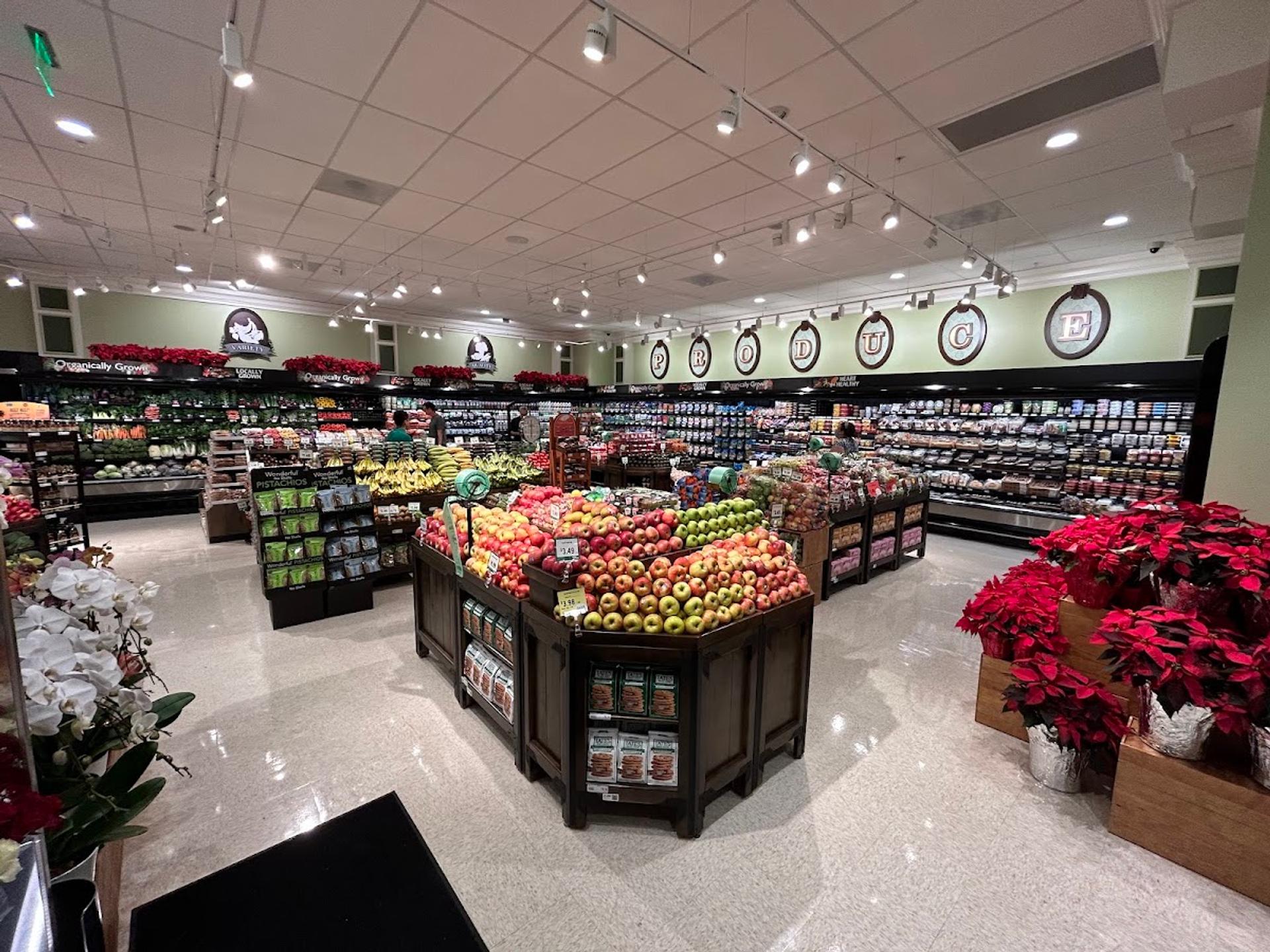
Milam's Market Coral Gables East
Family-run Miami grocer with a full butcher and prepared foods, open 7am to 11pm; a second Gables store sits at 5767 Bird Road.
3050 SW 37th Ave, Coral Gables, FL 33146Coral Gables Farmers Market
Saturdays 8am to 2pm on the City Hall lawn from mid-January to late March (January 17 to March 28 in 2026), with produce, chef demos and kids' crafts.
405 Biltmore Way, Coral Gables, FL 33134Frequently Asked Questions
Common questions about Coral Gables
Talk to a Coral Gables specialist
From Mediterranean Revival homes around the Granada golf course to bayfront estates in Cocoplum and condos on Ponce, our agents know which Coral Gables streets fit your budget and flood zone. Tell us what you're looking for.
Keep Exploring
More Guides
Coral Springs
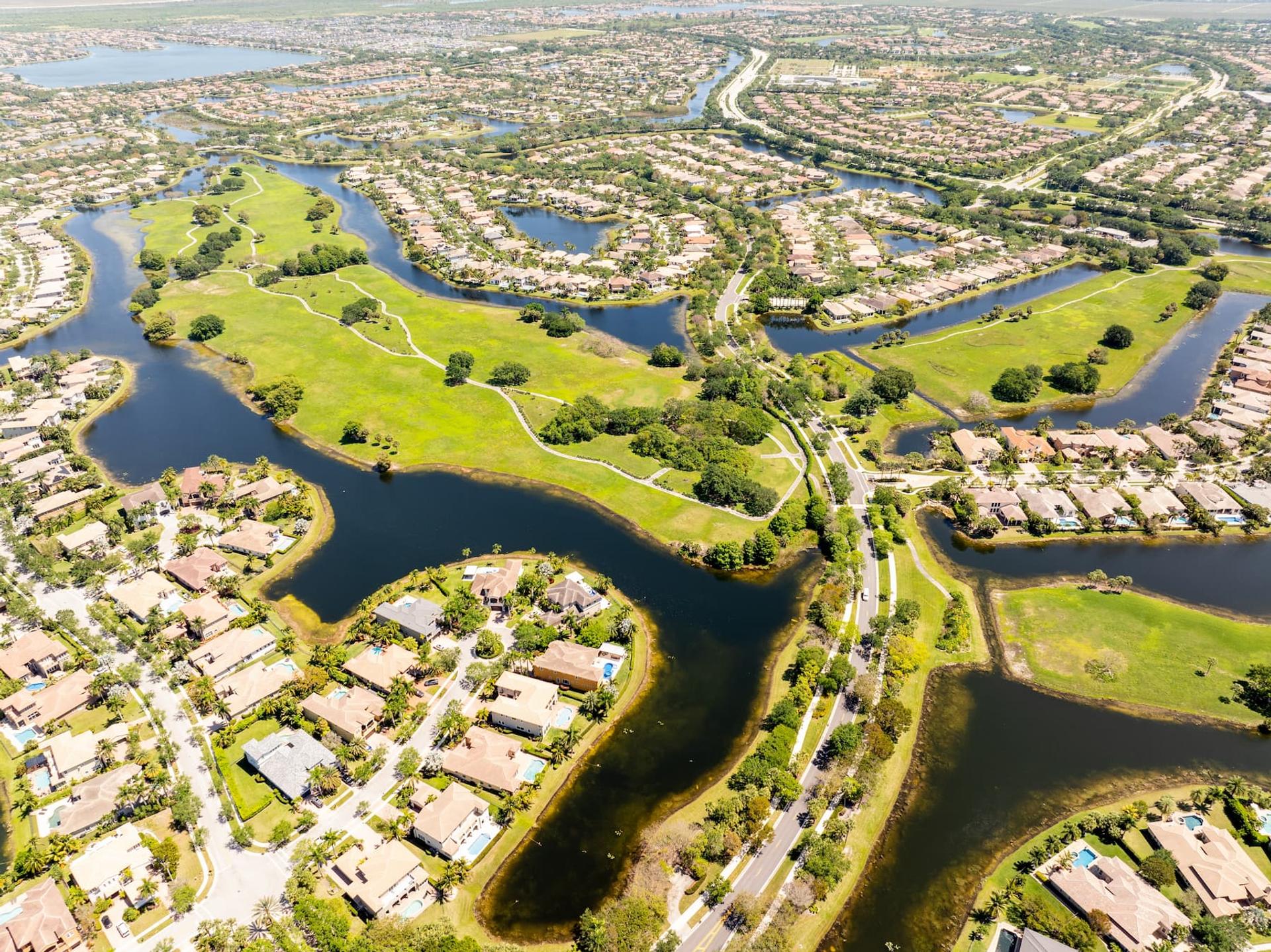
A 1963 master plan, 49 parks, and a downtown finally taking shape.
Bal Harbour
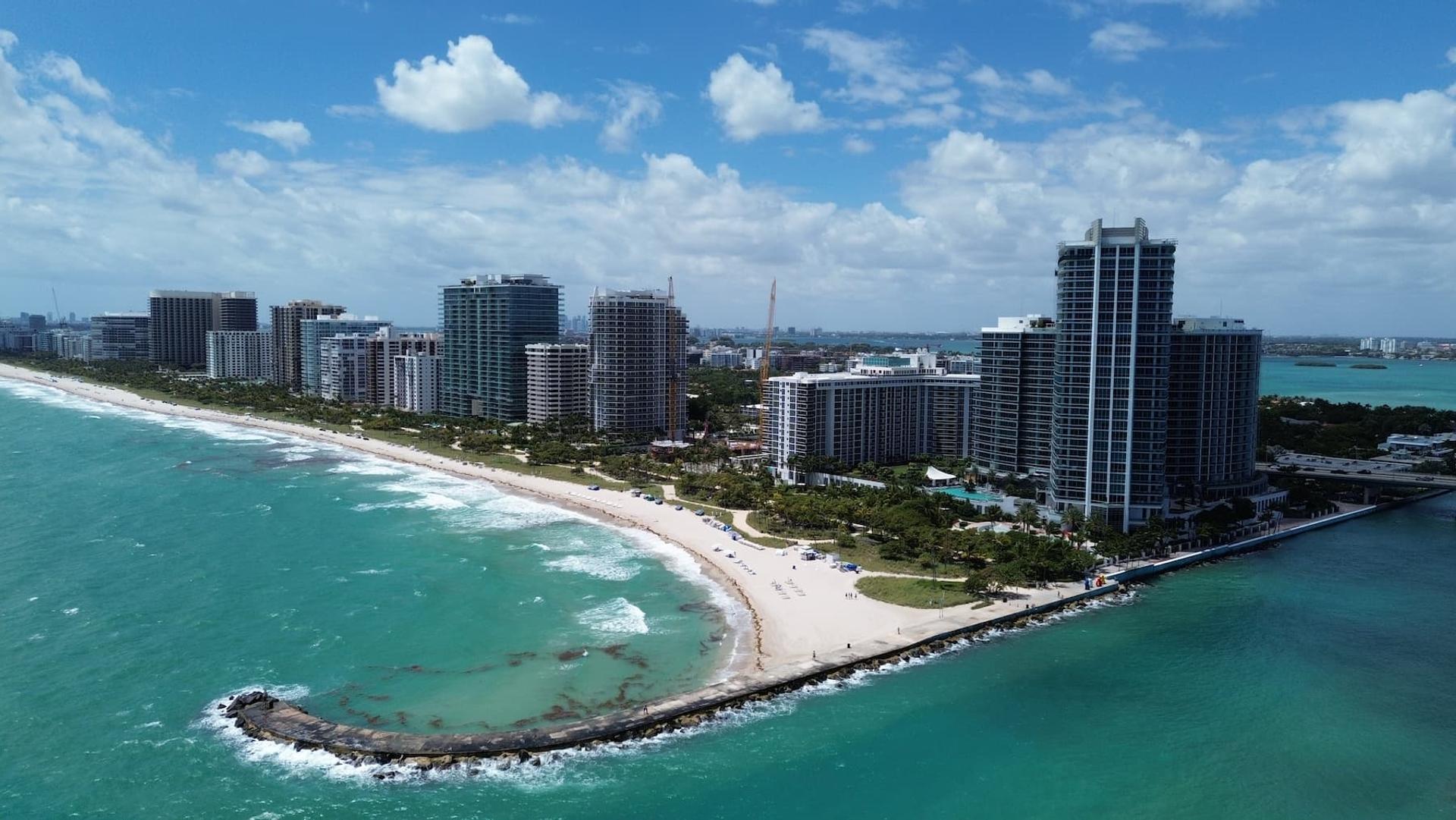
One mile of beach, one mall, 3,000 residents at Haulover Inlet.
Coconut Grove
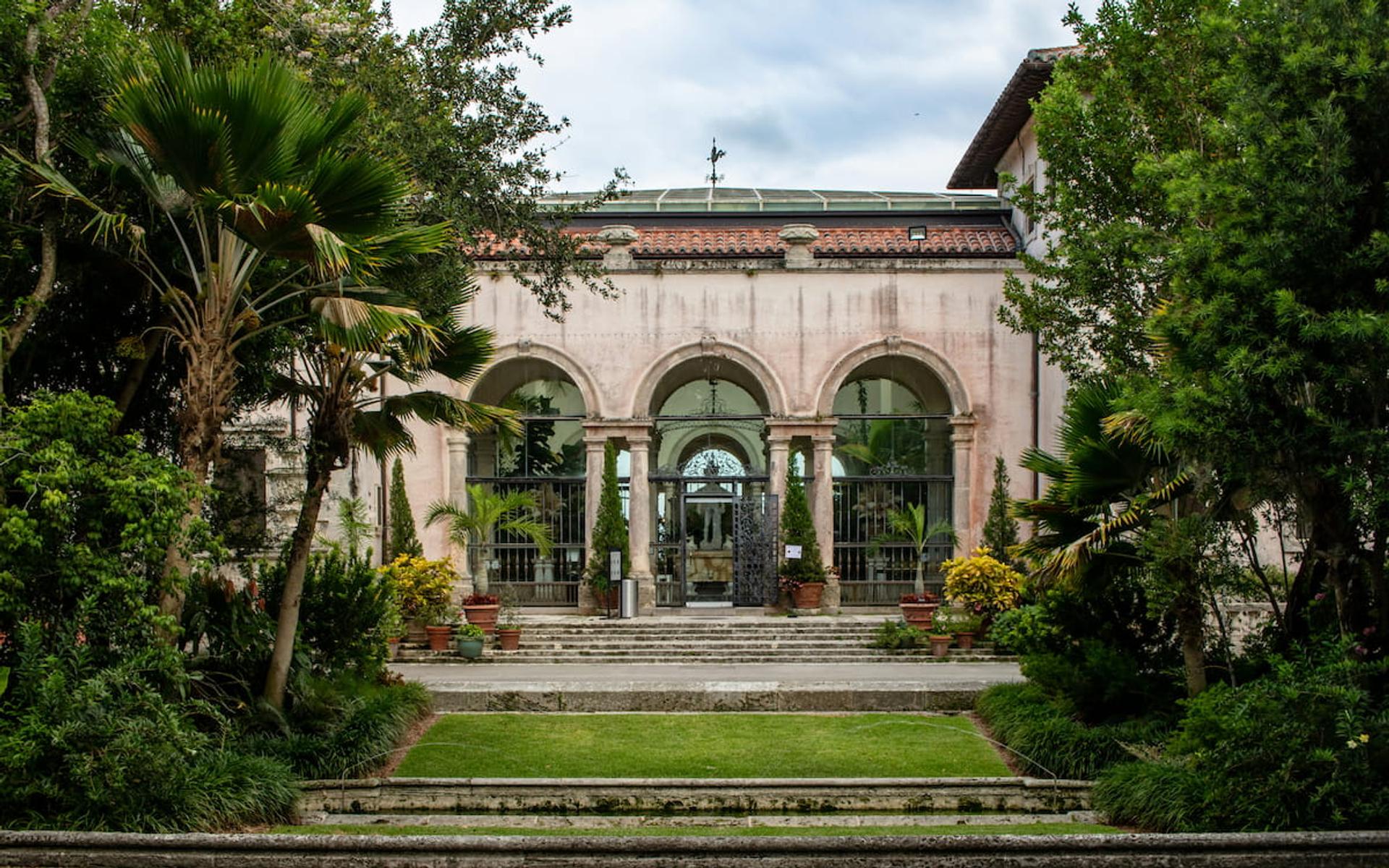
Miami's oldest village, high on the ridge between the banyans and Biscayne Bay
Aventura
Intracoastal towers, Florida's largest mall, and a Brightline stop to Orlando.