
FL
Fort LauderdaleCity Guide
Saltwater canals, ocean breeze, a city that lives by water
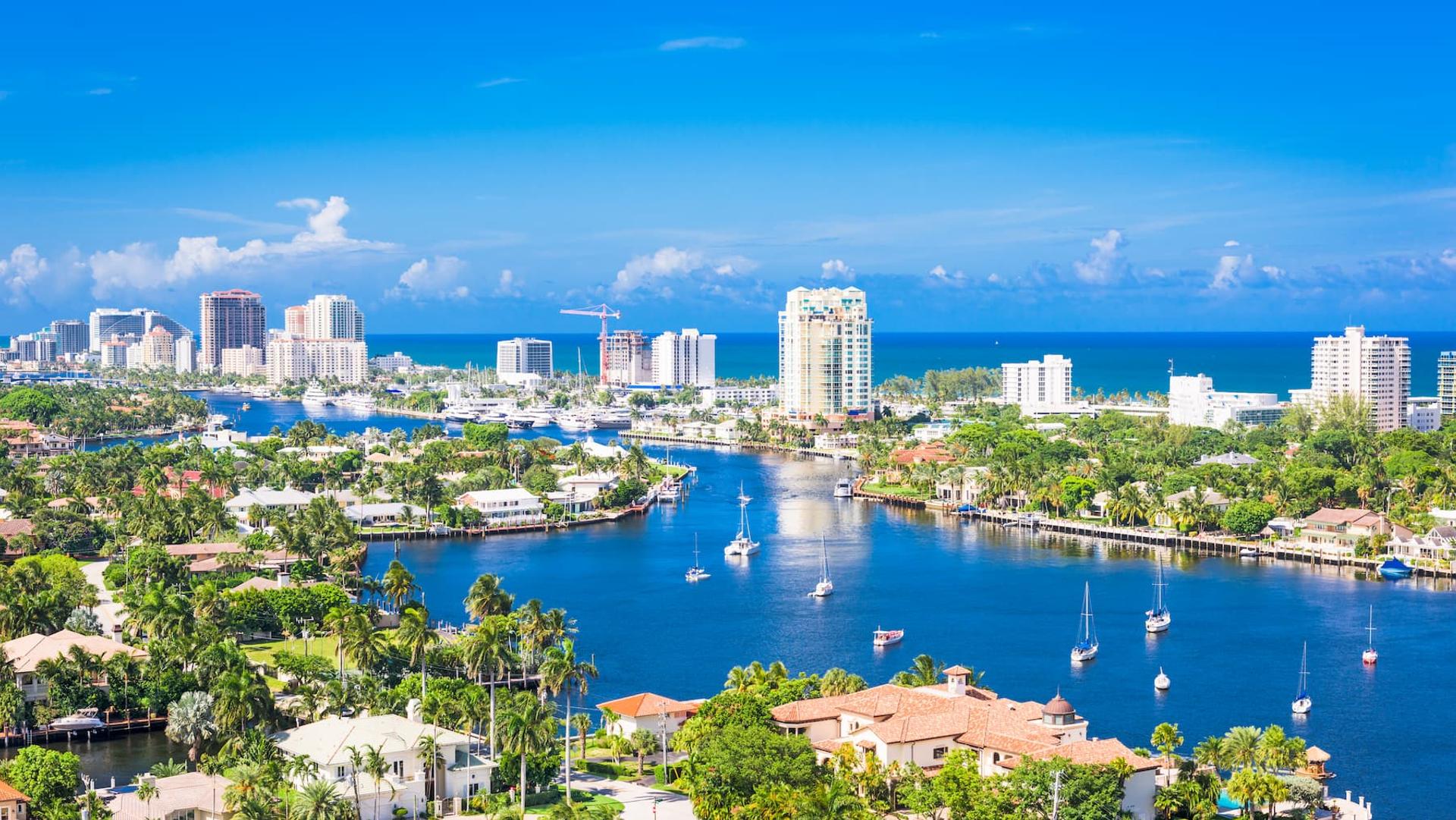
Fort Lauderdale runs on water. One hundred and sixty-five miles of navigable canals lace the city, most of them cut starting in 1920 when developer Charles Rodes laid out the first "finger islands" on a Venetian template. The result is a downtown you can reach by boat, a beach you can walk to from a back garden, and a tax base that knows the value of a seawall.
The city sits thirty miles north of Miami, with the Atlantic to the east and the Everglades to the west. It anchors the Miami–Fort Lauderdale–West Palm Beach metro of 6.25 million residents, but inside its 38 square miles it stays distinctly its own place — quieter than Miami, more practical than Palm Beach, and built around the marine economy that still generates roughly nine billion dollars and 142,000 jobs across the region.
Districts that define the city
Las Olas Isles is the postcard — finger islands of multi-million-dollar canal-front homes south of Las Olas Boulevard. Victoria Park trades the water view for a walkable canopy of trees and mid-century cottages. Flagler Village is in the middle of a five-hundred-million-dollar art-district build-out. Rio Vista runs historic and expensive along the New River. Sailboat Bend keeps its bohemian core and anchors the Broward Center. Coral Ridge is the family-ranch belt north of Sunrise Boulevard. And Wilton Manors, technically a separate municipality, is South Florida's LGBTQ+ heart along Wilton Drive. See homes for sale in Fort Lauderdale.
Key Details
What makes Fort Lauderdale special
The Market
Median sale prices hovered near $540K through early 2026, with typical home values around $520K and median list prices closer to $619K. Days on market reached 104, and the condo segment sits on roughly eleven months of supply — buyer-friendlier than peak South Florida.
Getting Around
Brightline runs Fort Lauderdale to Miami in about 30 minutes for $17–28 one-way. Tri-Rail handles the commuter shift, FLL airport sits five minutes south of downtown, and the free Sun Trolley covers downtown on five fare-free routes.
Who Lives Here
About 186,000 residents within city limits, anchoring a 6.25M South Florida metro. Marine, finance, healthcare, and AutoNation HQ draw newcomers; WalletHub ranked Fort Lauderdale seventh in the nation for retirement in 2026.
Schools
Pine Crest School and Cardinal Gibbons lead the private tier. Fort Lauderdale High School's Cambridge International magnet draws magnet-zone families across Broward County Public Schools; St. Thomas Aquinas is the headline name for Catholic college-prep and athletics.
Beaches & Outdoors
Two miles of Atlantic beachfront along A1A, Hugh Taylor Birch State Park's 180 acres between ocean and Intracoastal, and the Riverwalk lacing downtown along the New River. Snyder Park adds 93 acres of dog beach and paddle sports south of downtown.
Climate & Flood Risk
Subtropical and sunny — but hurricane season runs June through November, and First Street rates nearly every building in the city at meaningful flood risk. Homeowners insurance averages around $1,426 per month, roughly seven times the U.S. average.
Notable Addresses
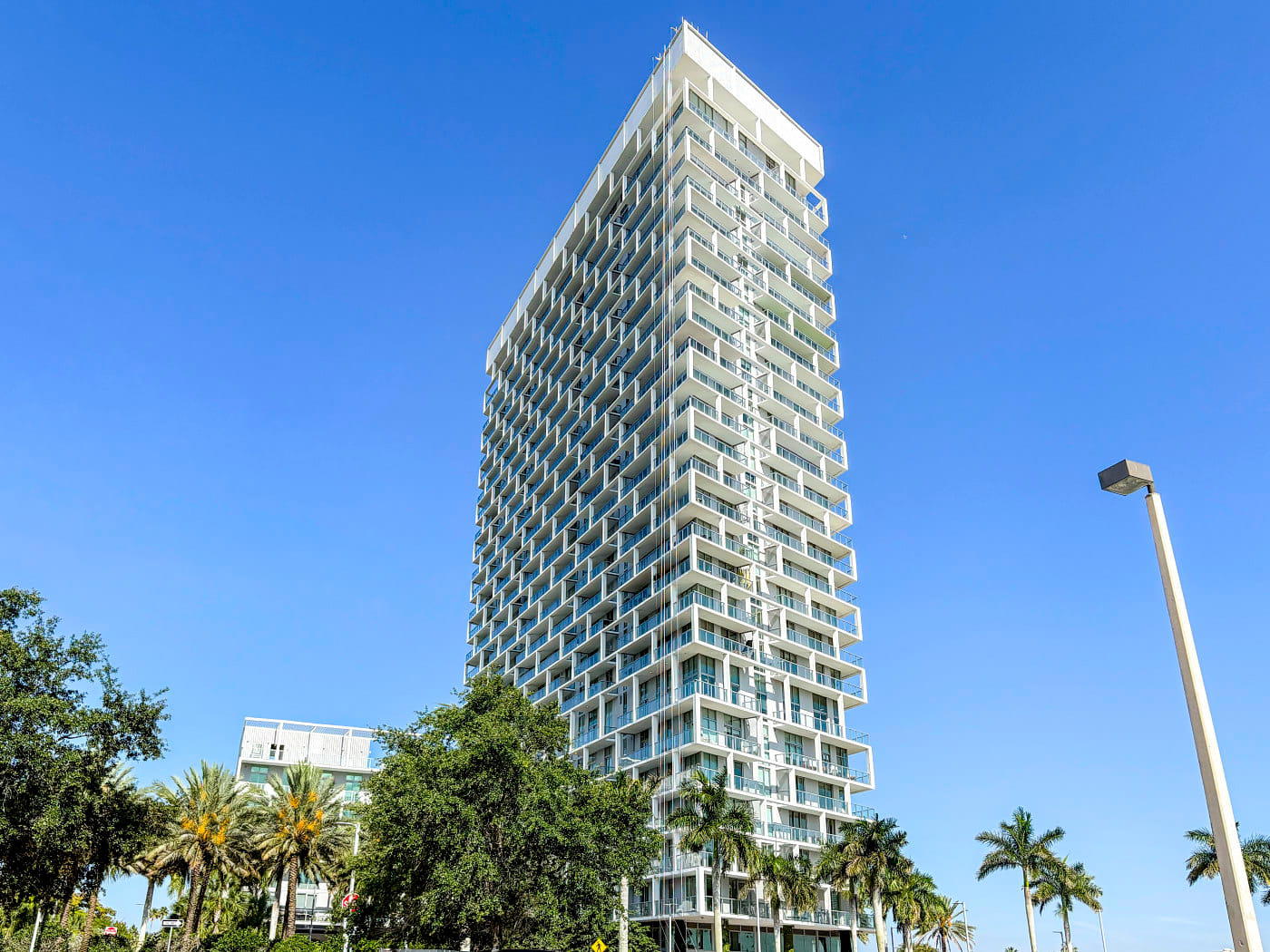
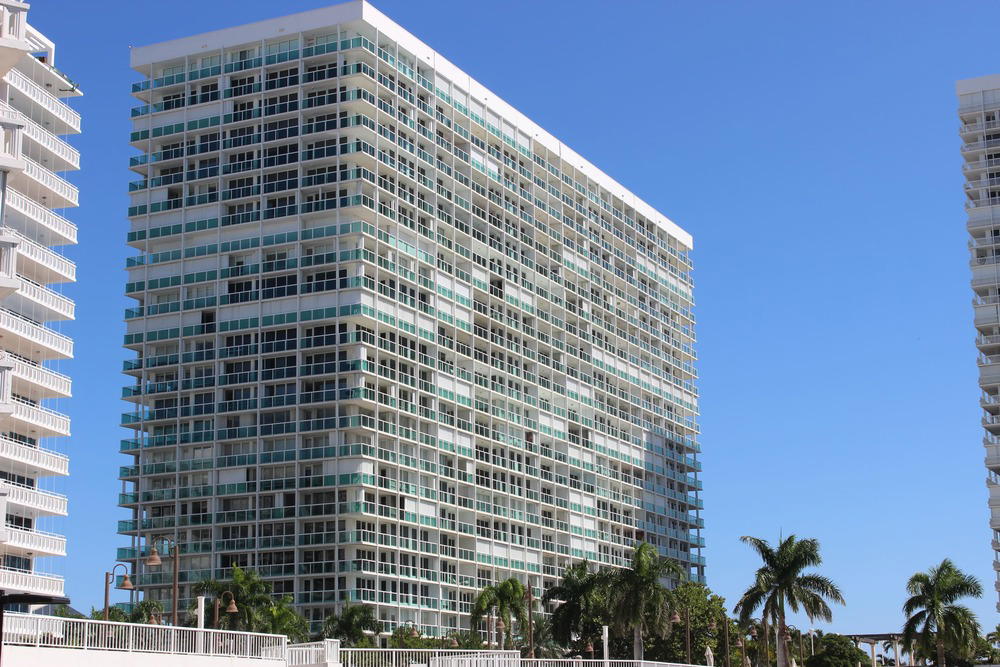
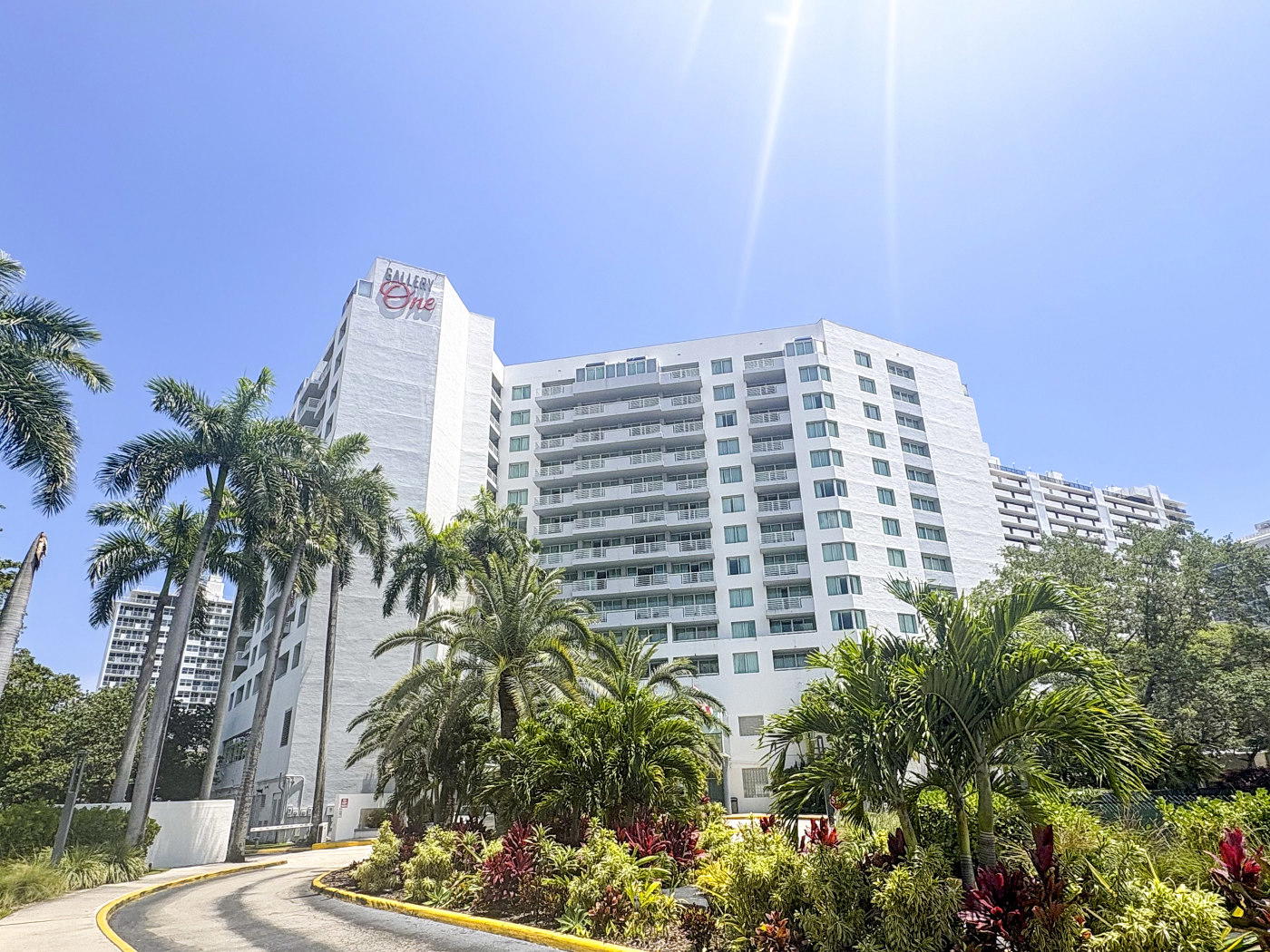
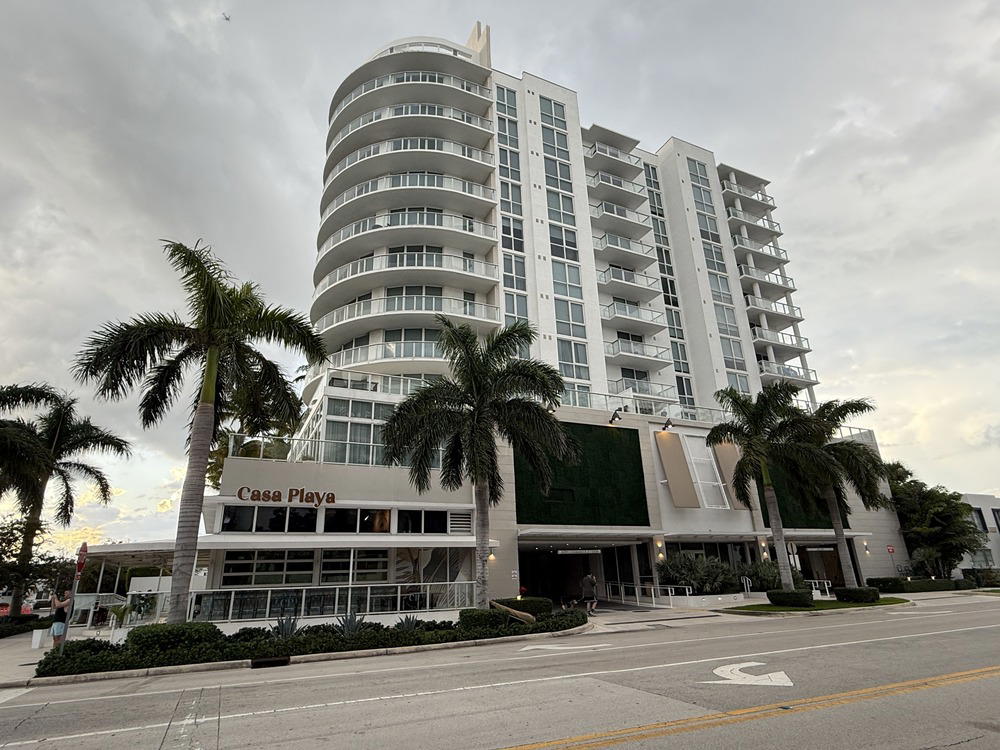
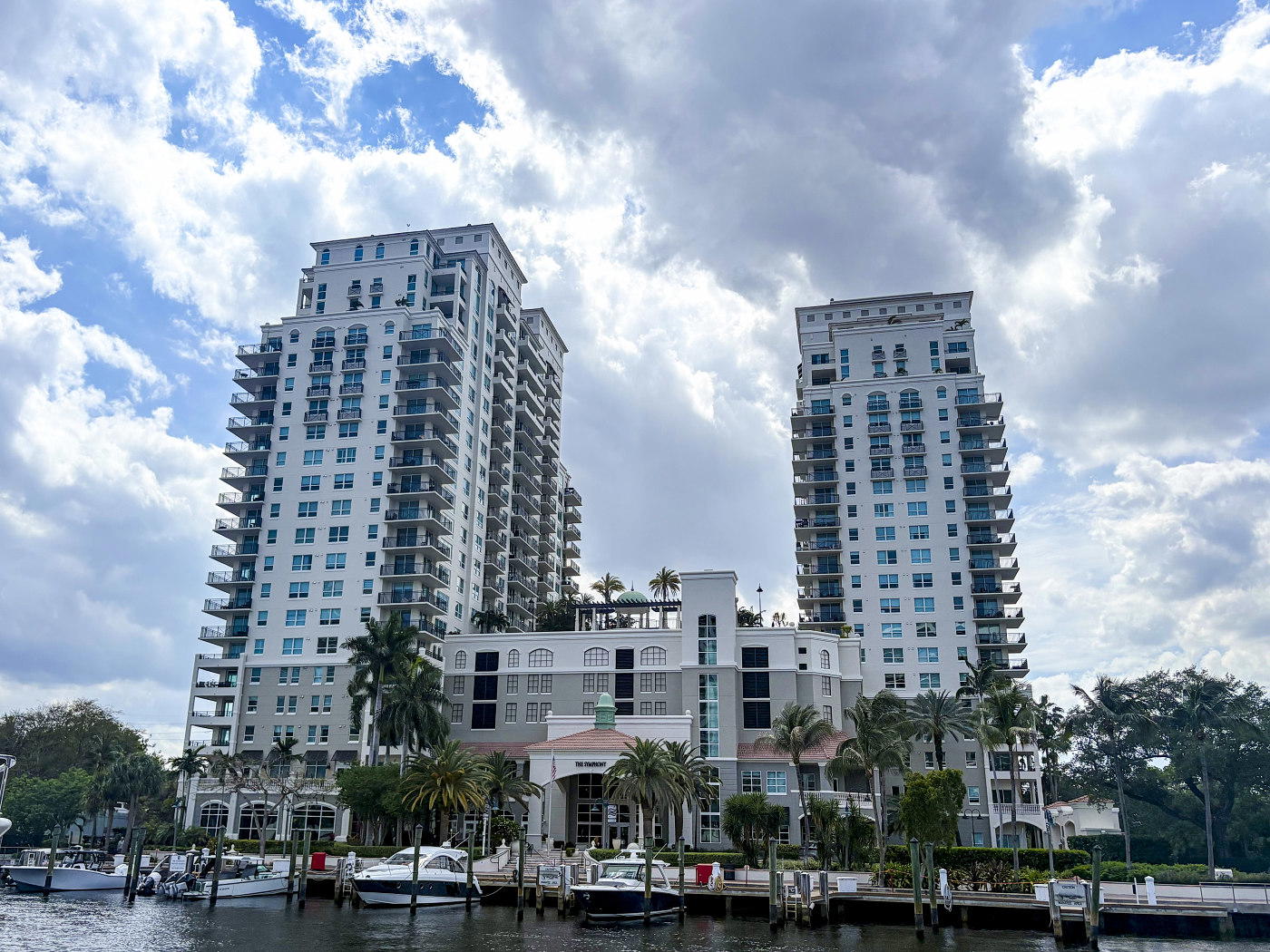
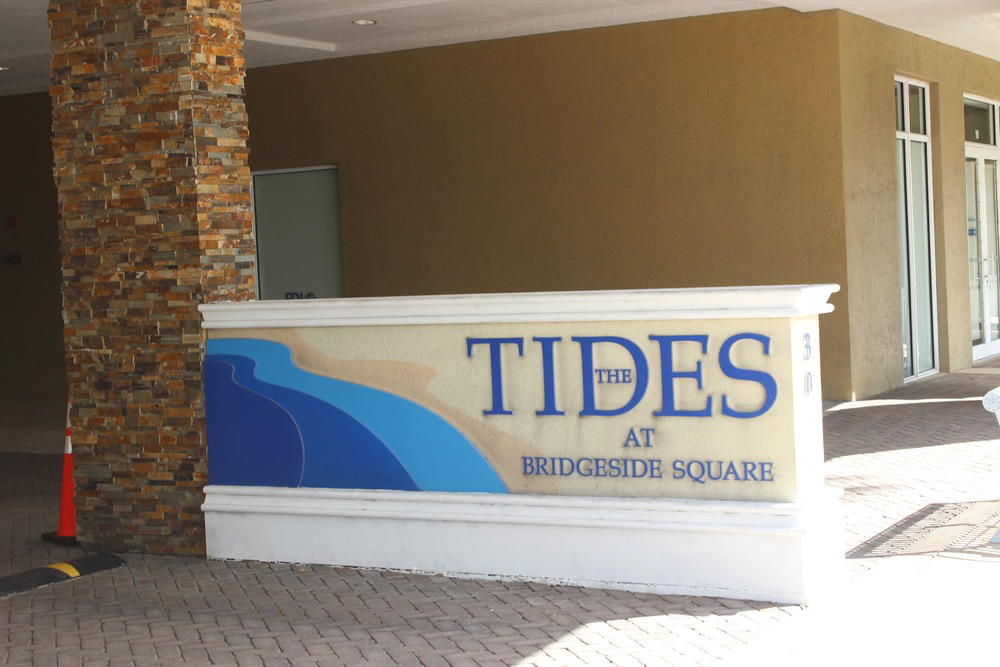
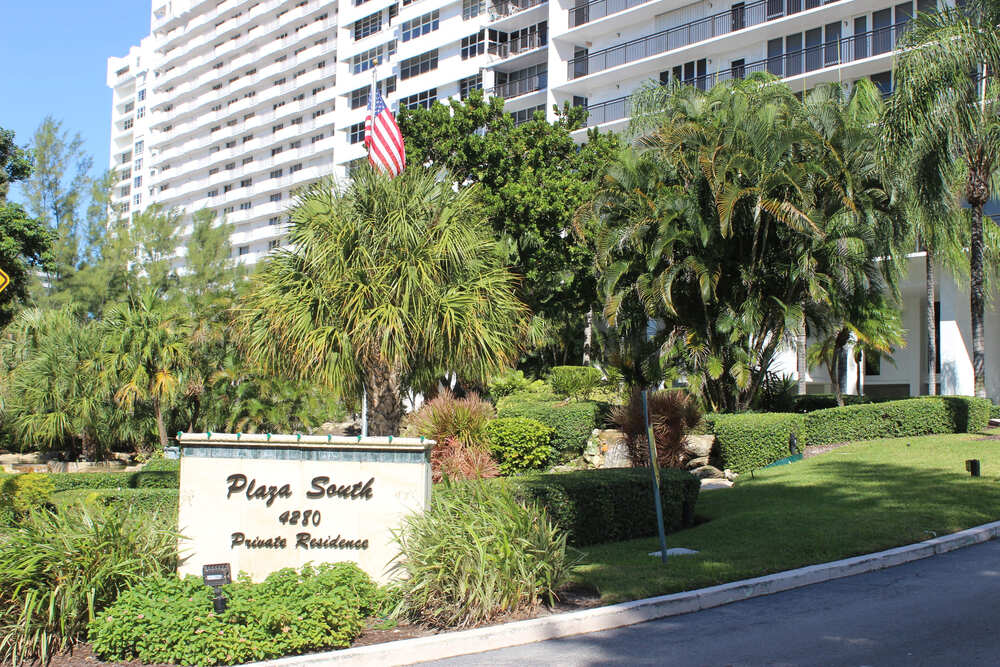
Buildings in Fort Lauderdale

Recently Listed
For Sale in Fort Lauderdale


Recently Listed
For Rent in Fort Lauderdale



Lifestyle & Highlights
The best of Fort Lauderdale
Where to Eat
A spread that runs from Michelin-recognized Italian in Flagler Village to barefoot Mexican on the sand, with a Las Olas surf-and-turf revival in between.
Catch & Cut
André Bienvenu's two-story Las Olas surf-and-turf with a sushi bar; the buttery Florida crab claws are the move.
Las Olas BoulevardHeritage
Six-year-old Michelin-recognized Italian by chef-owner Rino Cerbone; energetic dining room, family-friendly, pastas and pizzas at the front.
Flagler VillageOcean Prime
Seafood and steakhouse with a Wine Spectator–honored list, set at the edge of Las Olas Marina.
Las Olas MarinaThe Fisheries
Fine dining upstairs, casual downstairs, live music several nights a week — all directly over the boats at Lauderdale Marina.
Lauderdale MarinaLona Cocina Tequileria
Atlantic-view modern Mexican on A1A; won 2026 People's Choice "Best Bite" at the Visit Lauderdale Food & Wine Festival.
Fort Lauderdale BeachCasablanca Café
Mediterranean–American inside the beach's first private home, with nightly live piano and an upstairs deck facing the ocean.
Fort Lauderdale BeachRosie's Bar & Grill
Tropical-inspired comfort food and the cornerstone gay-friendly patio brunch on Wilton Drive.
Wilton ManorsWhere to Get Coffee
Four independents that anchor Flagler Village, FAT Village, and Tarpon River.
Wells Coffee Company
In-house roasting with a seasonal bean rotation; the flat white is the house signature. Flagler Village flagship plus a Tarpon River outlet.
Flagler Village + Tarpon RiverCircle House Coffee
Founded by former NFL player Stephen Tulloch; cold brew, the "Circle House Latte", and a rotating outdoor patio of local bites.
Flagler VillageColada Cuban Café
Open since 2015 as an offshoot of Miramar Bakery; iced café con leche, Cubanos, fresh pastelitos.
FAT VillageRose's Coffee Bar
Specialty espresso, smoothies, and fresh juice inside the Dalmar Hotel — a lobby café that punches above its weight.
Flagler Village (Dalmar Hotel)Where to Drink
Two breweries, a 1920s speakeasy, and the Wilton Drive run that defines South Florida nightlife after dark.
Funky Buddha Brewery
South Florida's largest taproom, twenty-plus drafts, and the culinary-inspired Maple Bacon Coffee Porter that put the brand on the map.
Oakland ParkTarpon River Brewing
Eleven thousand square feet inside a former horse barn between the Tarpon and New Rivers; beer-inspired food, live music, trivia nights.
Tarpon RiverStache Drinking Den
1920s-themed speakeasy in Himmarshee Village; the craft cocktail list is the reason you came, the burlesque is why you stayed.
Himmarshee VillageGeorgie's Alibi Monkey Bar
Twenty-eight-year LGBTQ+ institution on Wilton Drive; drag shows nightly, patio drinking that runs late.
Wilton ManorsHunters Nightclub
Multi-bar dance club with themed nights; the high-energy end of the Drive.
Wilton ManorsThe Well
Neighborhood gay bar on Wilton Drive — pool tables, regulars, the easy weeknight option.
Wilton ManorsBeaches & Outdoors
Two miles of Atlantic promenade, a state park between ocean and Intracoastal, and a downtown Riverwalk with an event nearly every month.
Fort Lauderdale Beach & Las Olas Beach
Two miles of Atlantic-facing promenade running south from Sunrise Boulevard; host site for the annual Tortuga Music Festival every April.
A1A, Fort Lauderdale BeachHugh Taylor Birch State Park
180 barrier-island acres between Atlantic and Intracoastal; Coastal Hammock Trail, ranger walks Friday and Saturday at 10:30am, $6 per vehicle.
3109 E Sunrise BlvdBonnet House Museum & Gardens
Thirty-five-acre barrier-island estate with one of the U.S.'s top orchid collections and resident swans; open Tuesday through Sunday, 11 to 4.
900 N Birch RdRiverwalk Fort Lauderdale
Downtown promenade along the New River with a 2026 calendar that runs Stone Crab Fest in January, Mutts & Martinis in March, Smoke on the Water BBQ in May, Great American Beach Party at Memorial Day, and Tacos & Tequila in July.
Downtown / New RiverSnyder Park
93 acres of lake, dog beach, and paddle sports south of downtown — daily-use, no signature events scheduled in 2026.
3299 SW 4th AveWhere to Shop
A walkable boutique boulevard, a mall halfway into a tower redevelopment, and a brand-new mixed-use district opening in phases.
Las Olas Boulevard
Thirty-plus boutiques and galleries from Lilly Pulitzer to LUXE By The Sea, anchored by the Las Olas Sunday Market for weekly artisans.
Las Olas BoulevardThe Galleria at Fort Lauderdale
Macy's, Dillard's, and an Apple Store still anchor the mall in 2026, but the FAA approved eight 342-foot residential towers on the site in May 2026 — expect phased redevelopment starting late 2026.
Coral Ridge / Sunrise BlvdFAT Village
A $500M mixed-use opening in phases through 2026; 73,000 square feet of F&B and retail plus art studios are coming online alongside the new residential towers.
Flagler VillageArts & Culture
Museums, a Broadway-grade stage, the country's largest in-water boat show, and a Beach Park that hosts a country-music festival each spring.
NSU Art Museum Fort Lauderdale
Six thousand works on Las Olas, including the nation's largest William Glackens holdings; the Christo & Jeanne-Claude "Surrounded Islands" exhibition runs through spring 2027.
1 E Las Olas BlvdMuseum of Discovery and Science
Florida's only aviation-themed Makerspace plus the AutoNation IMAX; the third annual Visit Lauderdale Science Festival lands March 7, 2026.
401 SW 2nd StHistoric Stranahan House Museum
Fort Lauderdale's oldest surviving structure, built in 1901; guided tours only, 45–60 minutes, capped at 10 people.
335 SE 6th AveBroward Center for the Performing Arts
Seven hundred-plus performances a year on the New River; the 2026/27 Broadway season headlines Hamilton, Death Becomes Her, The Outsiders, The Notebook, and Buena Vista Social Club.
Sailboat BendFATVillage ArtWalk
Last Saturday of every month (except December), 6 to 10pm; food trucks, live music, and gallery openings on NW 1st Avenue.
Flagler Village / FAT VillageTortuga Music Festival
Three days on the sand each April; 2026 headliners include Post Malone, Kenny Chesney, and Riley Green, with Ice Cube, The Fray, and Dwight Yoakam on the undercard.
Fort Lauderdale Beach ParkFort Lauderdale International Boat Show
The 67th edition runs October 28 through November 1, 2026 across seven venues including Bahia Mar, Pier 66, Las Olas Marina, and the Broward Convention Center.
Multiple venuesLas Olas Art Fair
The 38th annual fair lands in two parts in 2026: January 3–4 and February 28 through March 1, with 200+ artists along East Las Olas Boulevard. Free.
East Las Olas BoulevardFrequently Asked Questions
Common questions about Fort Lauderdale
Talk to a Fort Lauderdale expert
Our local team knows every canal, district, and seawall in Fort Lauderdale — from Las Olas Isles to Coral Ridge. We can help you find the right neighborhood, navigate flood risk, and time the market.
Keep Exploring
More Guides
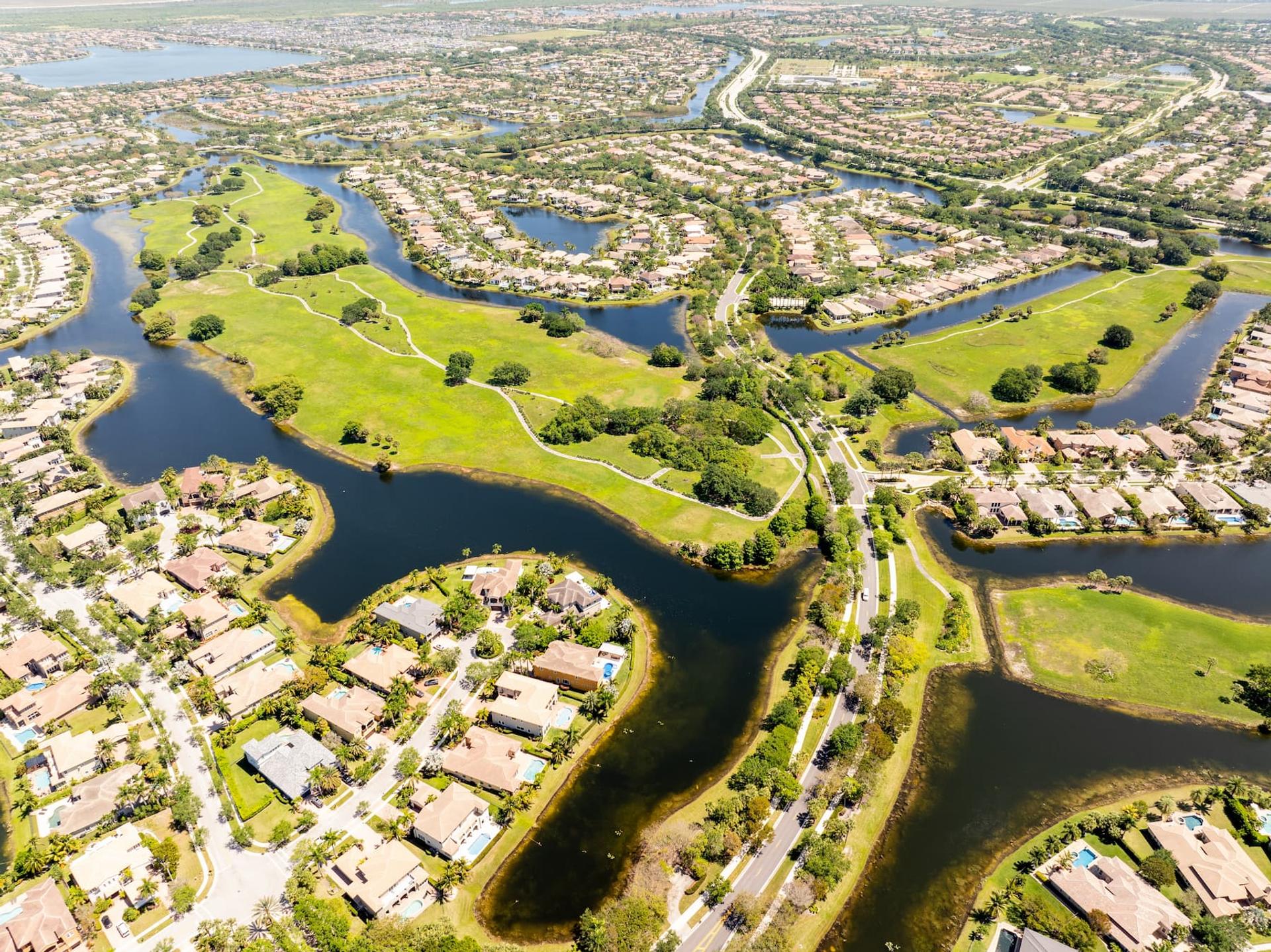
Coral Springs
A 1963 master plan, 49 parks, and a downtown finally taking shape.
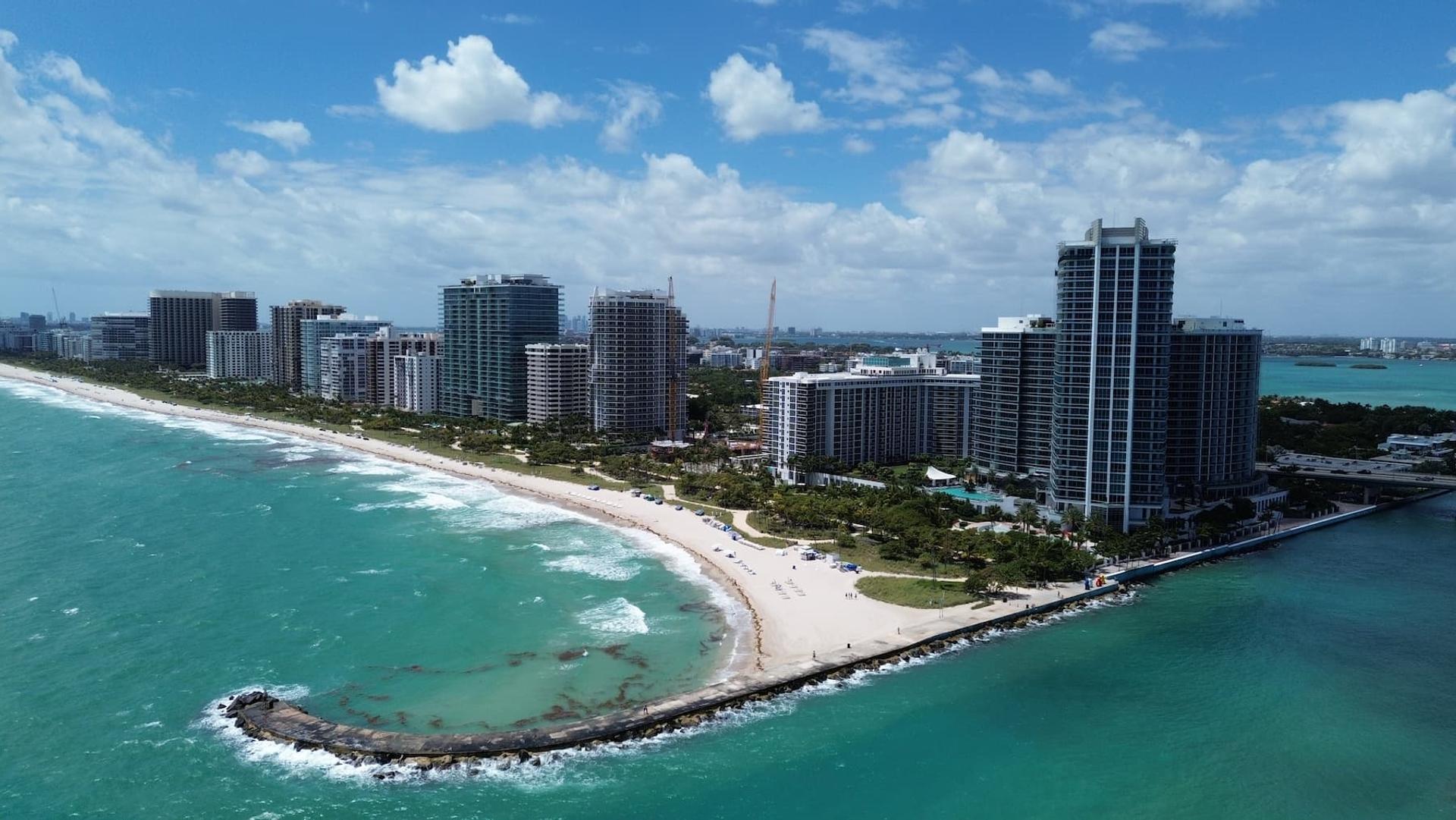
Bal Harbour
One mile of beach, one mall, 3,000 residents at Haulover Inlet.
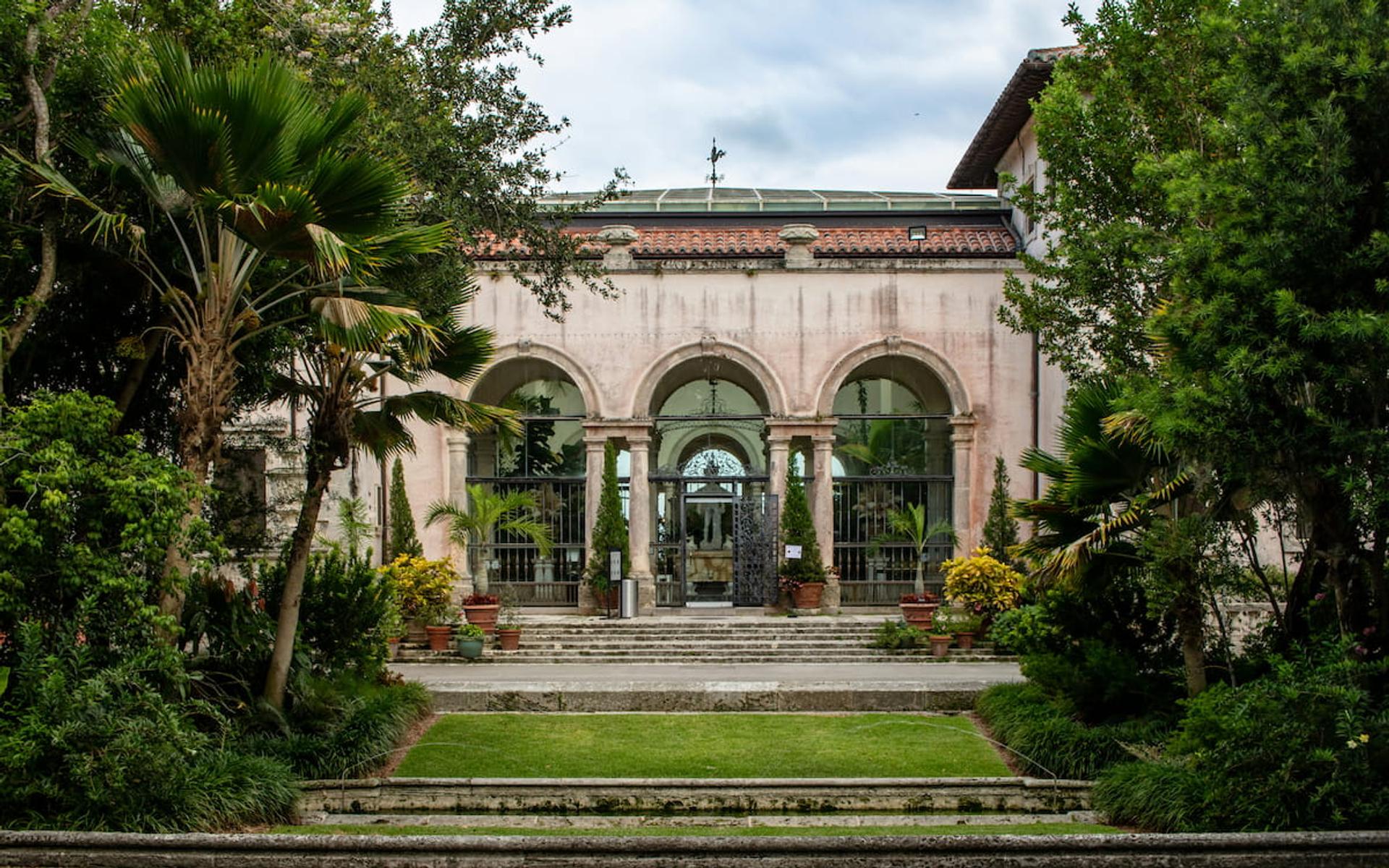
Coconut Grove
Miami's oldest village, high on the ridge between the banyans and Biscayne Bay
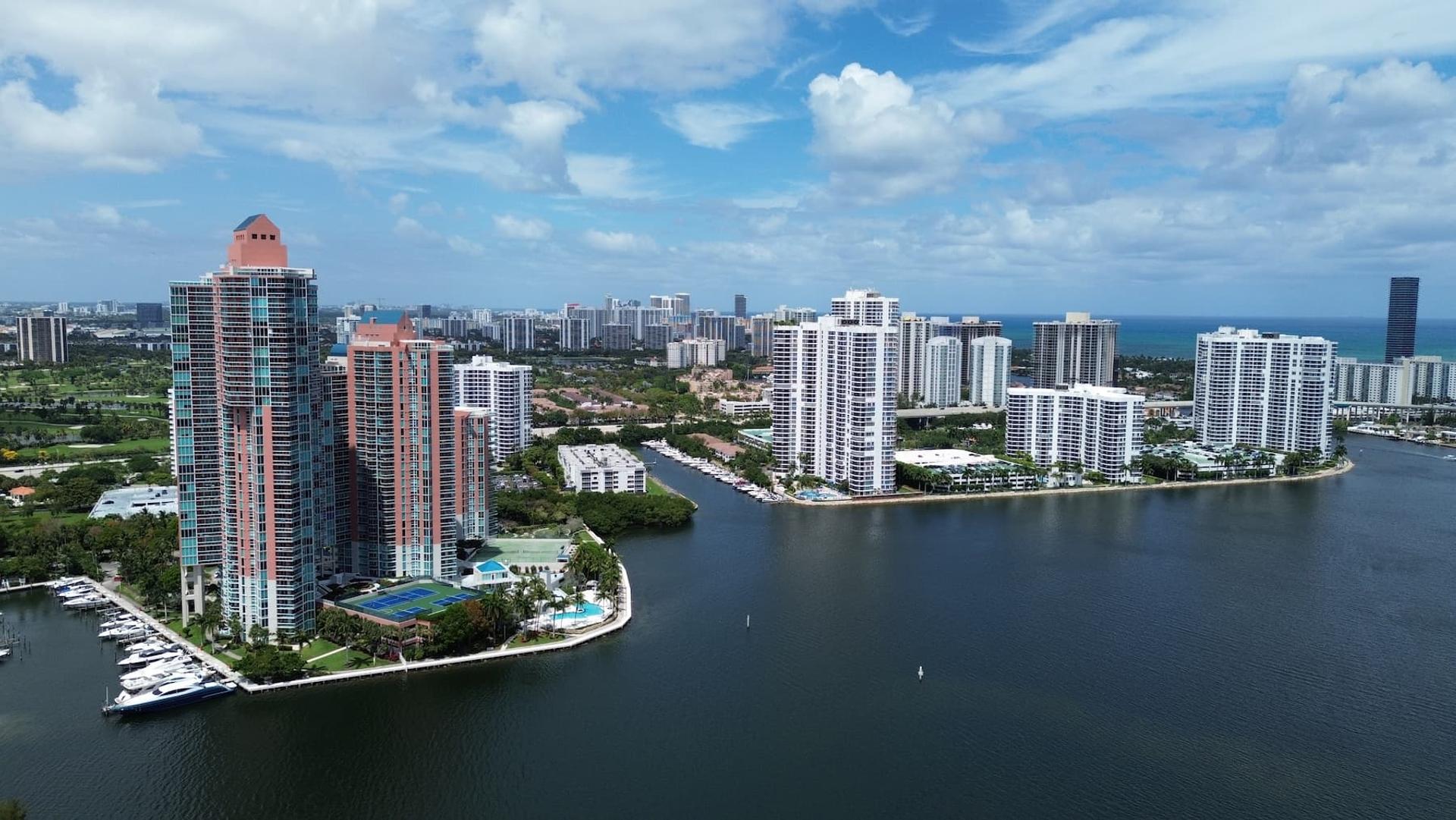
Aventura
Intracoastal towers, Florida's largest mall, and a Brightline stop to Orlando.