
FL
Miami BeachCity Guide
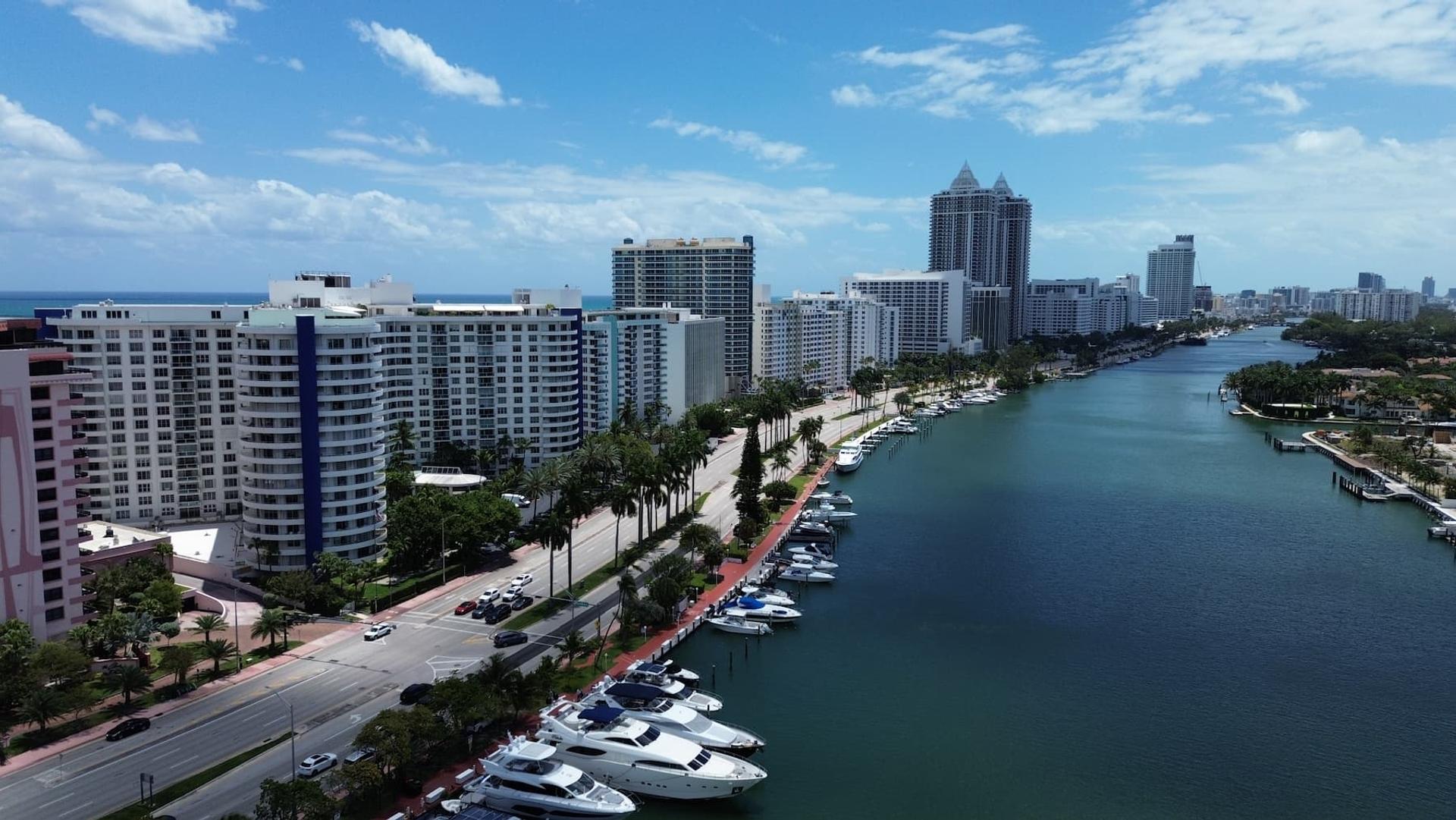
A 7-mile barrier-island city of Art Deco, ocean, and three very different beaches
Miami Beach is a 7-mile barrier-island city of about 82,000 residents, incorporated on March 26, 1915 — two years after Carl Fisher's Collins Bridge first connected the sandbar to the mainland. Today it sits across Biscayne Bay from downtown Miami via three causeways (MacArthur, Venetian, Julia Tuttle), and roughly 93% of its land area is mapped inside a FEMA flood zone, which has shaped almost every infrastructure decision the city has made in the last decade.
Three districts, three different lives
South Beach (south of 23rd Street) is the dense, walkable, Art Deco half — 800-plus pastel buildings from 1923 to 1943, Lincoln Road's eight-block pedestrian mall, the Sunset Harbour and South of Fifth (SoFi) sub-neighbourhoods, and Ocean Drive's nightlife. Mid-Beach (roughly 23rd to 63rd Street) holds the Faena District, the Miami Beach EDITION, the Fontainebleau, and the wide single-family streets behind Indian Creek. North Beach (north of 63rd Street) is lower-rise and quieter, with Normandy Isles, North Shore, and Biscayne Point — the neighbourhoods most longtime locals point to when they say Miami Beach still has a small-town side.
Median household income is about $73,000 and the median age is 42.9 — older and lower-income than people expect from a city associated with luxury hotels. About 53% of residents are foreign-born, with a strong Hispanic majority (52.5%) and significant Brazilian, Argentinian, and Eastern European communities. The homeownership rate is 41%, meaning the majority of the housing stock is rented or owned as second homes. Buyers comparing options usually start with homes and condos for sale in Miami Beach.
What ties the districts together: the Beachwalk. A continuous paved path now runs more than 7 miles from South Pointe Park up through Lummus Park, Indian Beach Park, and North Shore Open Space Park to the Bal Harbour line — one of the longest uninterrupted oceanfront promenades in the country, and the closest thing Miami Beach has to a single shared front yard.
Key Details
What makes Miami Beach special
Where it sits
A 7-mile barrier island across Biscayne Bay from downtown Miami, connected by three causeways. The city is divided into South Beach (south of 23rd), Mid-Beach (23rd to 63rd), and North Beach (north of 63rd), with Indian Creek separating the Atlantic-front strip from interior single-family neighbourhoods in Mid-Beach.
Who lives here
About 82,000 residents, median age 42.9, median household income around $73,000. Roughly 53% foreign-born; the largest community is Hispanic (52.5%), with substantial Brazilian, Argentine, Cuban, and Eastern European populations. Homeownership runs around 41% — much of the stock is rented or held as second homes.
The market
Median sale price was around $630K in early 2026, down ~1.2% year-over-year, with average days-on-market sitting near 130. Single-family pricing in Mid-Beach and North Bay Road remains strong; older Collins Avenue condos are softer, weighed down by special assessments from Florida's post-Champlain milestone-inspection law (SB 4-D).
Getting around
The free Miami Beach Trolley loops South Beach, Mid-Beach, North Beach, and Collins Express routes. Citi Bike Miami has 160+ stations across the island. Miami-Dade Bus 150 (Airport Flyer) runs South Beach to MIA in about 50 minutes for $2.25; by car, MIA is 20–30 minutes via the MacArthur or Julia Tuttle Causeway.
Art Deco & architecture
The Miami Beach Architectural District contains more than 800 historic structures, mostly built 1923–1943, concentrated along Ocean Drive, Collins Avenue, and Washington Avenue between 5th and 23rd Street. North Beach holds Florida's largest concentration of MiMo (Miami Modern) architecture from the 1950s and '60s.
Schools
Most Miami Beach addresses are zoned to Miami Beach Senior High and feeder schools like Nautilus Middle (North Beach) and Feinberg/Fisher K-8 (South Beach). Public school quality varies widely; many families choose magnet or charter options off-island, or private schools such as Lehrman Community Day, Hebrew Academy (RASG), and Beth Shmuel.
Eating and drinking
Joe's Stone Crab (open since 1913, older than the city itself) anchors SoFi; Lincoln Road, Sunset Harbour, and Española Way are dining-dense; Mid-Beach holds Hyde Beach, Matador Room, and the Faena restaurants; North Beach's Normandy Drive corridor has the city's most underrated small-restaurant scene.
Climate & resilience
Subtropical, with an Atlantic hurricane season from June 1 to November 30. About 93% of the city sits in a FEMA flood zone, and Miami Beach has invested over $500M in stormwater pumps, road elevation, and the Private Property Adaptation grant program (up to $20,000 per property) since 2015. Most addresses sit in FEMA AE or VE zones — flood insurance is effectively mandatory.
Notable Addresses
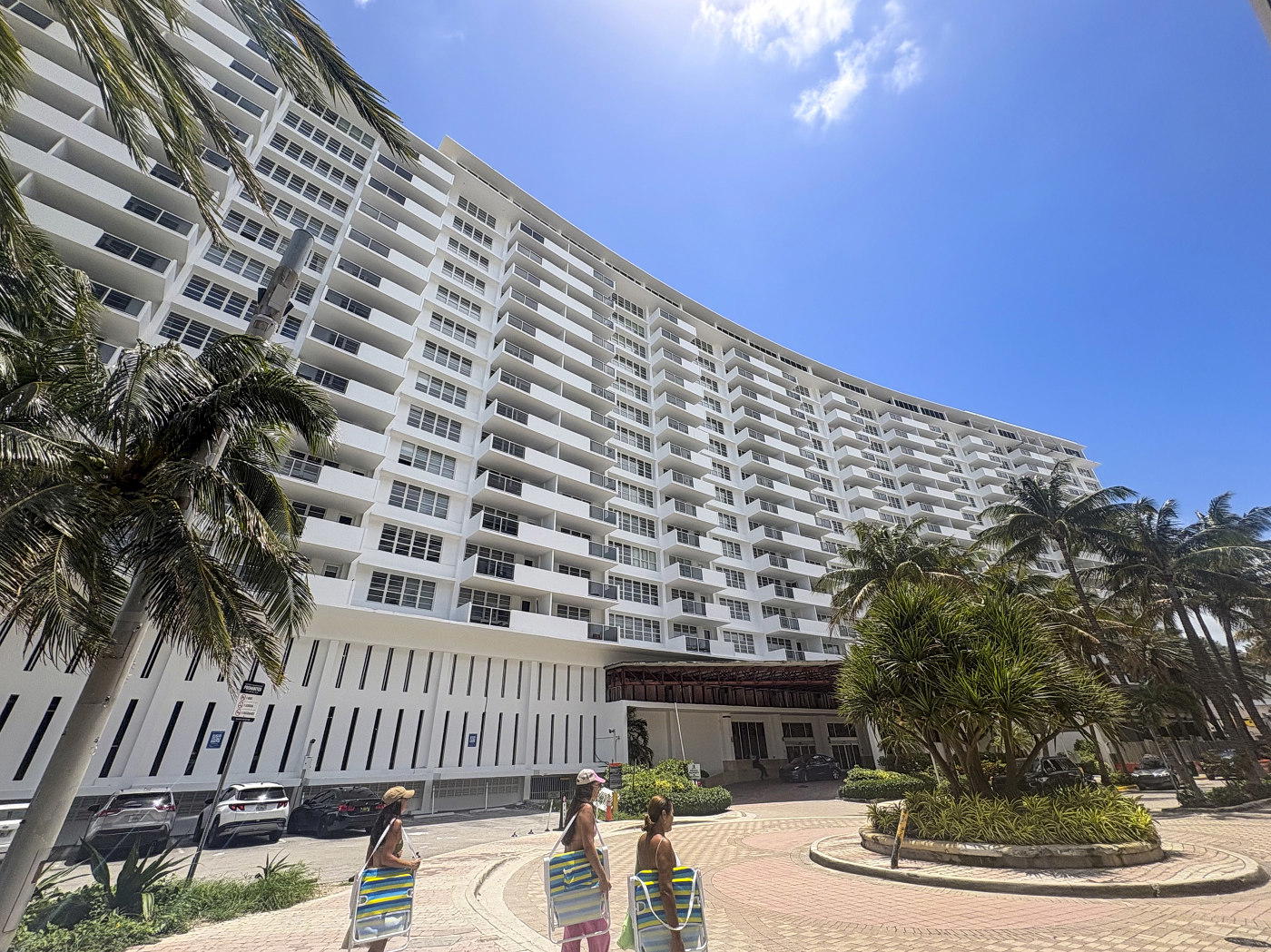
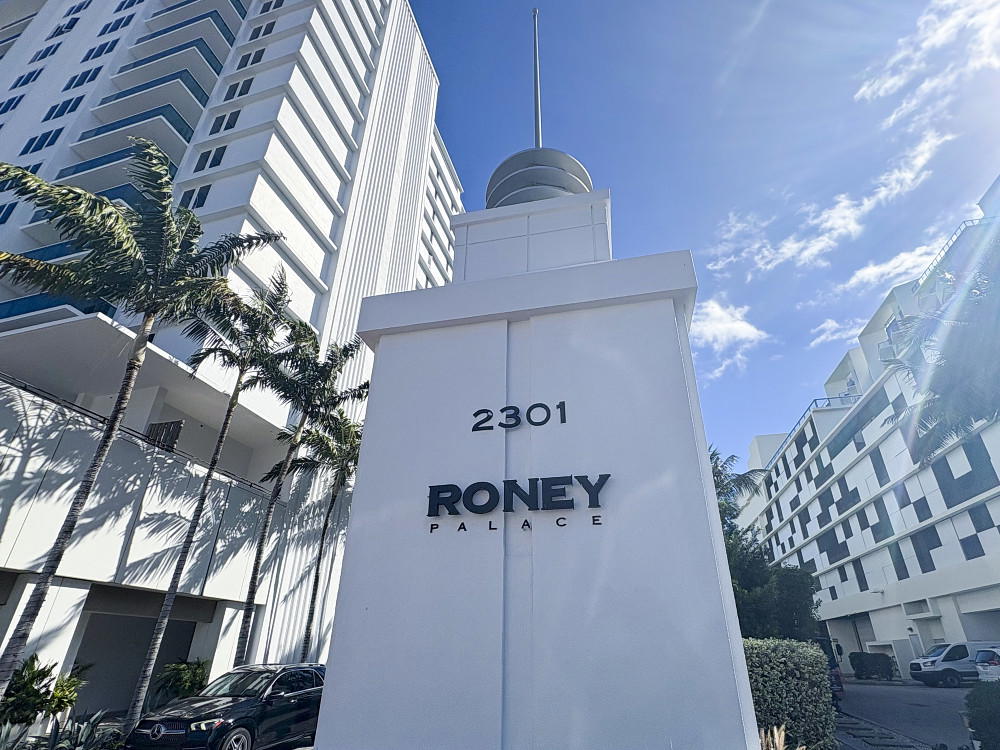
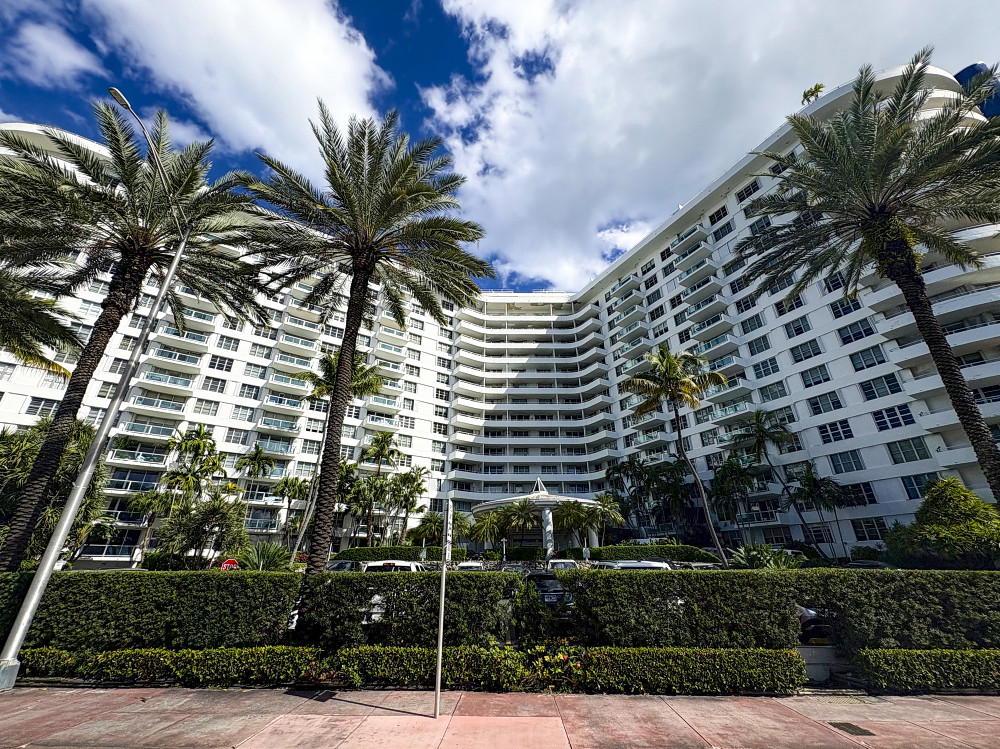
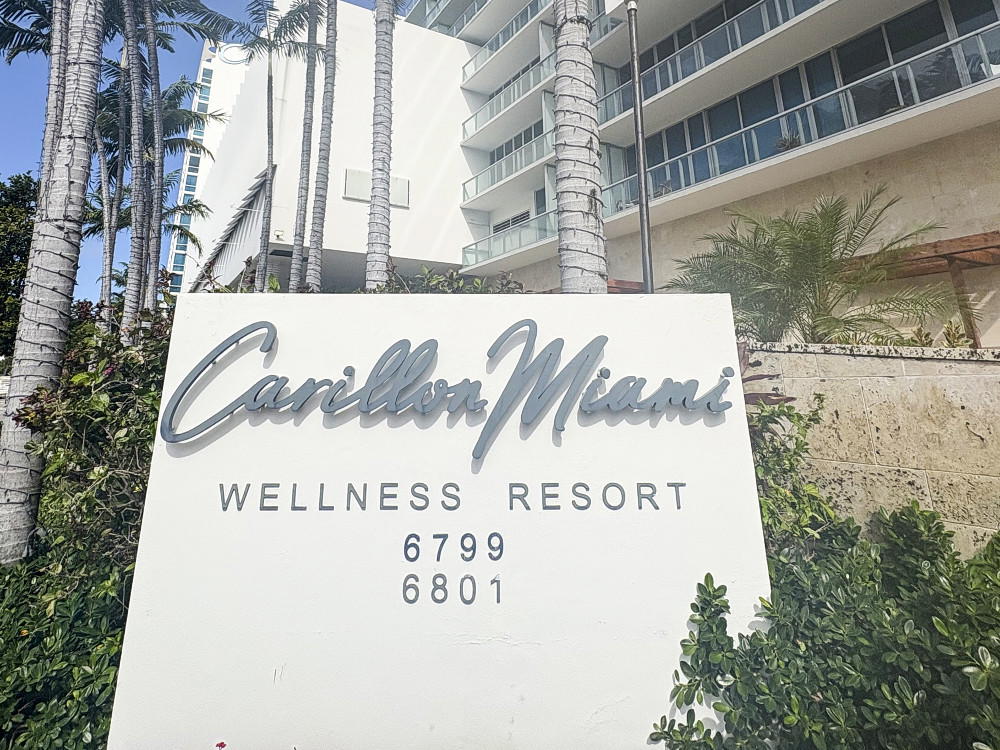
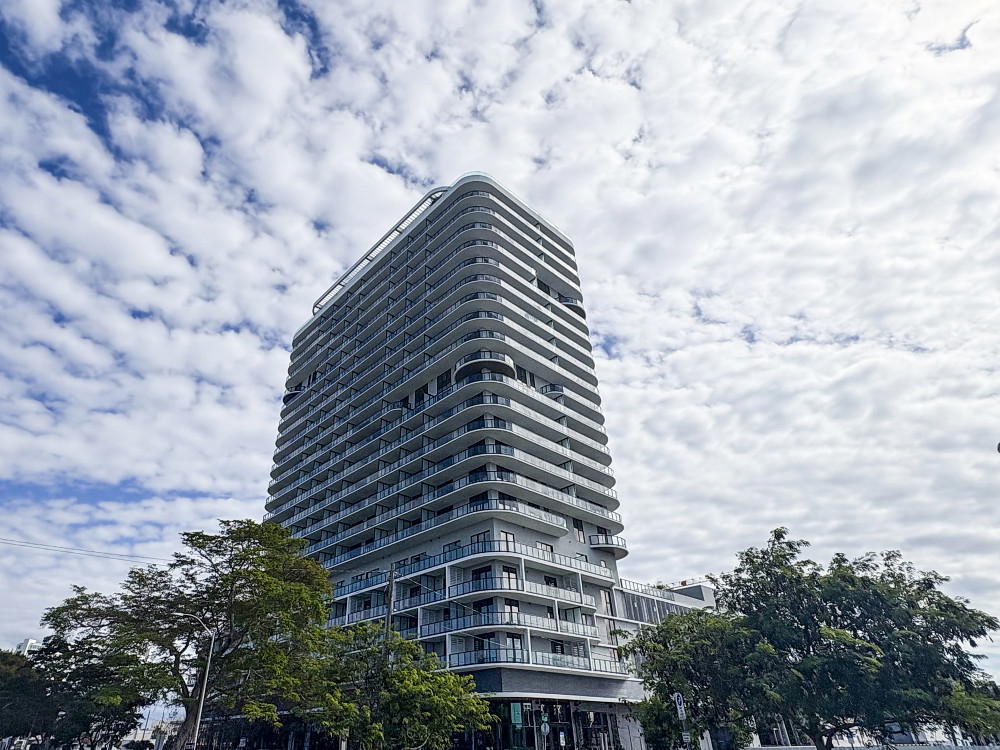
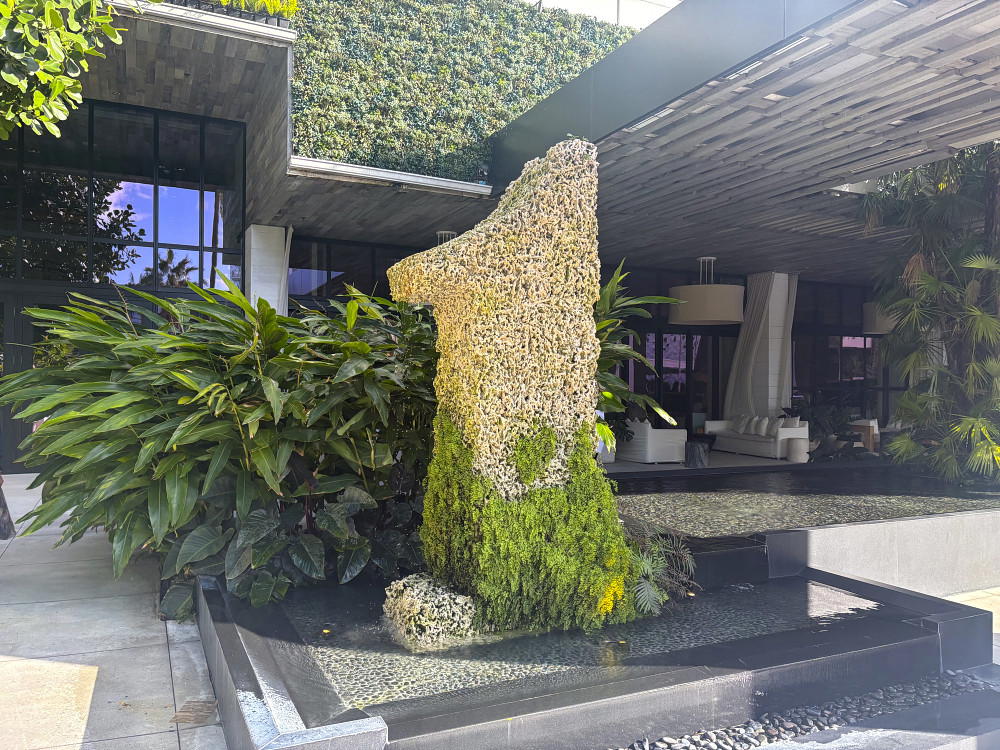
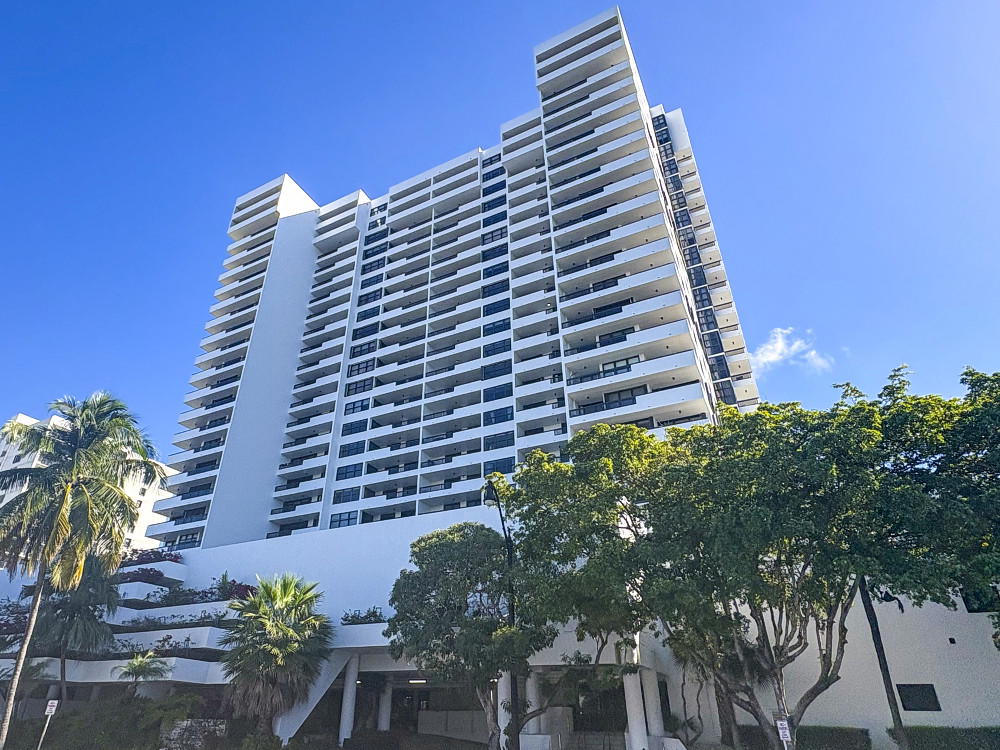
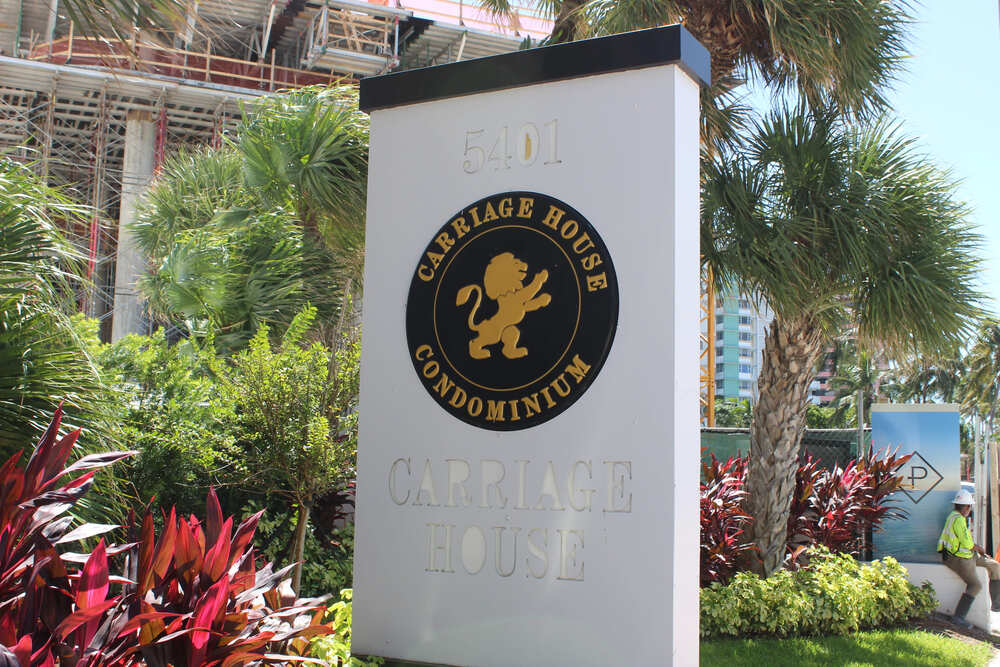
Buildings in Miami Beach
Recently Listed
For Sale in Miami Beach
 55
55 36
36 12
12 32
32 14
14
Recently Listed
For Rent in Miami Beach

 30
30 21
21 10
10 12
12 17
17Lifestyle & Highlights
The best of Miami Beach
Where to eat
The dining map runs north up the island: institutional South of Fifth at the southern tip, dense and trendy through Lincoln Road and Sunset Harbour, celebrity-chef-heavy in Mid-Beach, and quieter and more neighbourhood-scaled in North Beach.
Joe's Stone Crab
Miami institution since 1913, two years older than the city. Stone crab season runs mid-October through May; cash-only at the takeaway counter next door if the wait at the dining room is long.
11 Washington Ave, Miami BeachStubborn Seed
Jeremy Ford's Michelin-starred tasting-menu and à-la-carte restaurant in South of Fifth — modern American with tight technique.
101 Washington Ave, Miami BeachCarbone
Major Food Group's red-sauce Italian. Spicy rigatoni vodka, table-side Caesar, jacket-encouraged room — one of the hardest reservations in South Beach.
49 Collins Ave, Miami BeachLucali
By-reservation-only outpost of the Brooklyn pizzeria. Coal-fired thin-crust, hand-rolled at the counter; no walk-ins.
1930 Bay Rd, Miami BeachMacchialina
Neighbourhood-feel Italian on West Avenue from chef Michael Pirolo — pasta-heavy menu, low-volume room, the kind of place locals book for birthdays.
820 Alton Rd, Miami BeachMila
Mediterrasian rooftop on Lincoln Road that crosses into nightlife after 10pm — go for early dinner before the DJ takes over.
1636 Meridian Ave, Miami BeachPrime 112
Myles Restaurant Group steakhouse that has anchored the SoFi power-dining scene for over two decades. The bar scene runs late.
112 Ocean Dr, Miami BeachCafe La Trova
Mid-Beach extension of the celebrated Little Havana cocktail bar (James Beard winner Julio Cabrera); cantinero-style Cuban classics and Versailles-school cuisine.
Miami Beach EDITION, 2901 Collins Ave, Miami BeachCafe Prima Pasta
North Beach institution on 71st Street since 1993 — old-school Italian-Argentine, generous portions, deep wine list. The kind of place North Beach locals defend.
414 71st St, Miami BeachWhere to caffeinate
Panther Coffee — Sunset Harbour
Local roaster's flagship beach location with indoor and outdoor seating, a long communal table, and a small park across the street — the closest thing to a third-place coffee shop on the island.
1875 Purdy Ave, Miami BeachCortadito Coffee House — Lincoln Road
Cuban ventanita-meets-café concept; the cortadito and pastelitos run about a fifth of the price of nearby resort coffee.
1499 Meridian Ave, Miami BeachThreefold Cafe — Sunset Harbour
Australian-style café from the Coral Gables original. Brunch-heavy menu, great flat whites, opens early.
1888 Purdy Ave, Miami BeachSegafredo L'Originale
Long-running European-style sidewalk café on Lincoln Road — best for afternoon espresso and people-watching rather than work.
1040 Lincoln Rd, Miami BeachBeaches, parks & the Beachwalk
Miami Beach has 7 continuous miles of public beach and an uninterrupted paved Beachwalk that runs from South Pointe Park to the Bal Harbour town line. Every cross street between Ocean Drive and Collins has a free public access point.
South Pointe Park
17-acre park at the southern tip of the island with the best skyline views in the city, the South Pointe Pier, and a popular sunset-watching lawn.
1 Washington Ave, Miami BeachLummus Park
74-acre oceanfront park stretching ten blocks along Ocean Drive (5th–14th). Includes the original 'Muscle Beach' outdoor gym at 9th Street and the Promenade — the busiest stretch of the Beachwalk.
Ocean Dr between 5th and 14th, Miami BeachFlamingo Park
South Beach's recreation hub — public pool, tennis center, baseball stadium, dog park, and a recently-rebuilt playground. Free to enter.
999 11th St, Miami BeachIndian Beach Park
Mid-Beach pocket park at 46th Street with one of the quietest stretches of beach on the island and direct Beachwalk access.
4601 Collins Ave, Miami BeachNorth Shore Open Space Park
Native-landscaped 36-acre coastal park between 79th and 87th Street — the lushest, least-developed stretch of beach on the island.
8200 Collins Ave, Miami BeachMiami Beach Botanical Garden
Free 2.6-acre tropical garden tucked between the Convention Center and Holocaust Memorial — easy to miss, surprisingly peaceful.
2000 Convention Center Dr, Miami BeachMuseums & culture
Art Basel Miami Beach takes over the Miami Beach Convention Center each December (December 4–6 in 2026), but the city's museum infrastructure runs year-round — most of it concentrated in Collins Park and the Faena District.
The Bass
Miami Beach's contemporary art museum, in a 1930 Russell Pancoast-designed Art Deco building in Collins Park. The kid-focused Creativity Center is one of the best free perks on the island.
2100 Collins Ave, Miami BeachThe Wolfsonian–FIU
FIU's design and propaganda museum in a 1927 storage building on Washington Ave — strong on 1885–1945 decorative arts and political graphics.
1001 Washington Ave, Miami BeachFaena Forum
Rem Koolhaas-designed cultural venue at the heart of the Faena District. Concerts, talks, and the city's most ambitious Art Basel programming.
3300–3400 Collins Ave, Miami BeachNew World Symphony / SoundScape Park
Frank Gehry-designed academy and rehearsal hall with free outdoor 'Wallcast' concerts projected onto the building's exterior wall in SoundScape Park.
500 17th St, Miami BeachHolocaust Memorial Miami Beach
Kenneth Treister's 1990 sculptural memorial — the bronze hand reaching from a reflecting pool is one of the city's most recognized public works.
1933–1945 Meridian Ave, Miami BeachWhere to shop
Lincoln Road Mall
Eight-block pedestrian-only promenade (16th–17th, Washington to Alton). Mass-market apparel anchors plus indie boutiques and the historic Colony Theatre.
Lincoln Rd between Washington and Alton, Miami BeachSunset Harbour
Walkable few-block district behind Alton Road — design showrooms, fitness studios, and small home and apparel shops. Quieter than Lincoln Road.
1900 block, Purdy and Bay roads, Miami BeachEspañola Way
Pedestrian-only Mediterranean Revival block (1925) between Washington and Drexel — small boutiques, galleries, and sidewalk cafés.
Española Way between Washington and Drexel, Miami BeachAlton Road
Less obvious shopping spine running the length of South Beach — Trader Joe's, hardware, pharmacies, the kind of utility retail residents actually use day-to-day.
Alton Rd, South BeachBal Harbour Shops (just north)
Technically in Bal Harbour but five minutes up Collins — Chanel, Gucci, Saks, Neiman, in the country's highest-grossing luxury mall by sales-per-square-foot.
9700 Collins Ave, Bal HarbourNightlife & bars
LIV at Fontainebleau
Mid-Beach mega-club inside the Fontainebleau — three decades into the nightlife rotation and still one of the highest-grossing clubs in the country.
4441 Collins Ave, Miami BeachStory
EDM-leaning club on Washington Ave from the same operator as LIV. Friday is the headline night.
136 Collins Ave, Miami BeachMac's Club Deuce
1926 dive on 14th Street that pre-dates South Beach as a brand. Cash-only, late-license, no door scene — the local antidote to the velvet ropes.
222 14th St, Miami BeachSweet Liberty
James Beard-nominated cocktail bar near Lincoln Road from the late John Lermayer; the daiquiri menu is its signature.
237 20th St, Miami BeachBroken Shaker at Freehand Miami
Hostel-pool-bar concept that put Miami Beach on the craft-cocktail map. Tropical-tiki-meets-farm-to-glass, served in a courtyard behind the Freehand hostel.
2727 Indian Creek Dr, Miami BeachFrequently Asked Questions
Common questions about Miami Beach
Thinking about buying in Miami Beach?
Talk to a local expert who knows the SoFi-to-North-Beach price spread, the post-Champlain condo landscape, and which buildings still pencil out.
Keep Exploring
More Guides
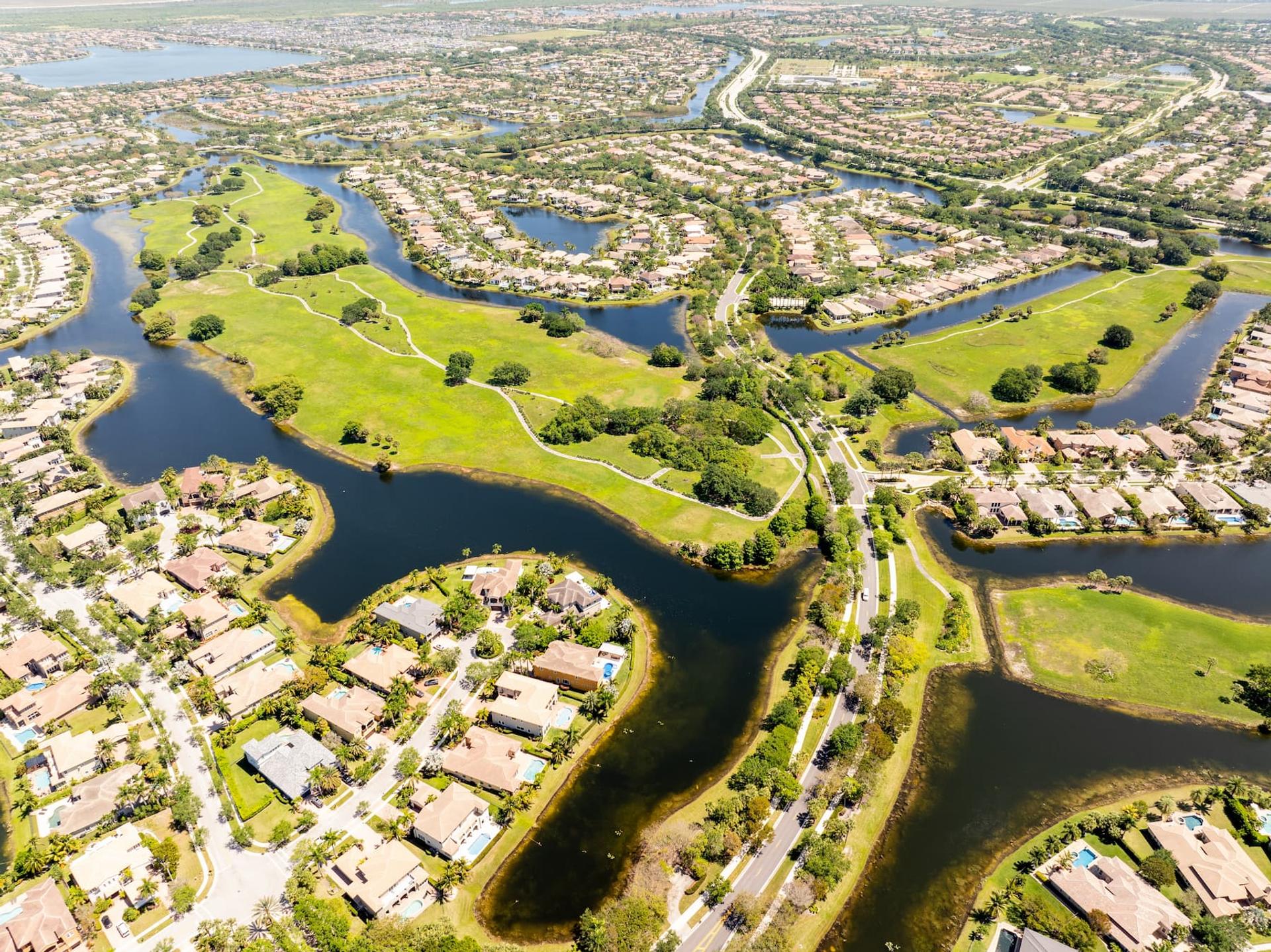
Coral Springs
A 1963 master plan, 49 parks, and a downtown finally taking shape.
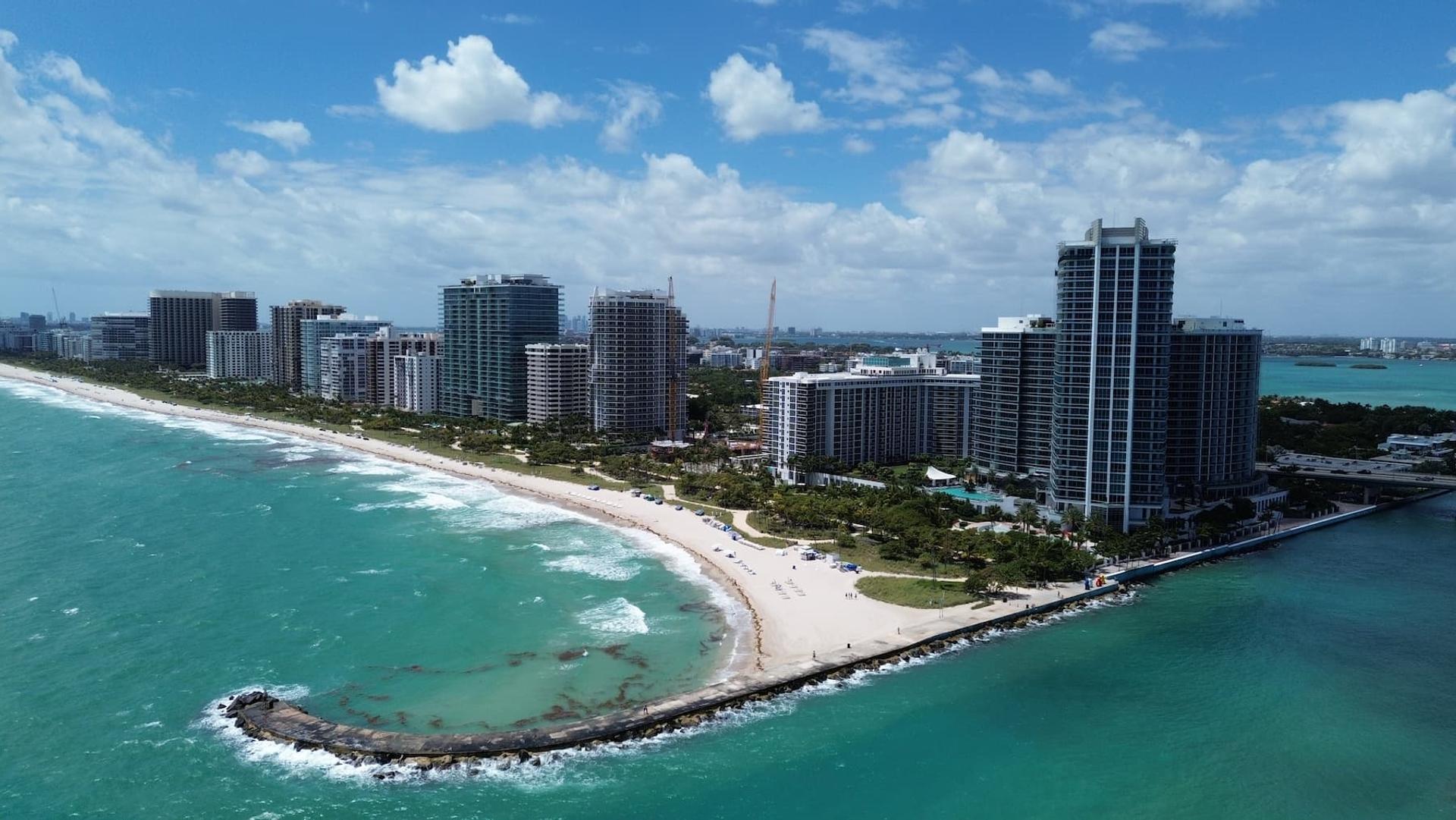
Bal Harbour
One mile of beach, one mall, 3,000 residents at Haulover Inlet.
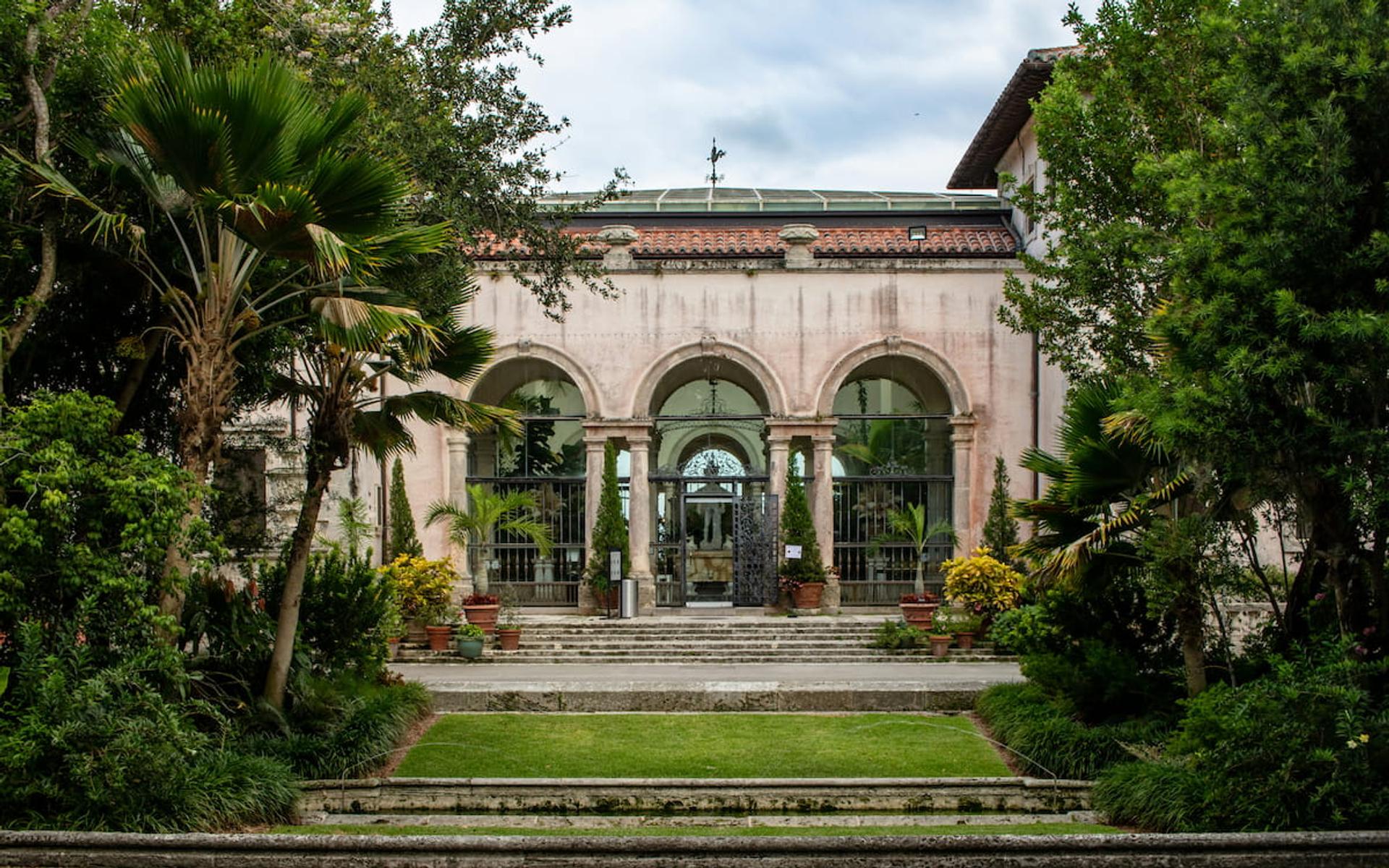
Coconut Grove
Miami's oldest village, high on the ridge between the banyans and Biscayne Bay
Aventura
Intracoastal towers, Florida's largest mall, and a Brightline stop to Orlando.